
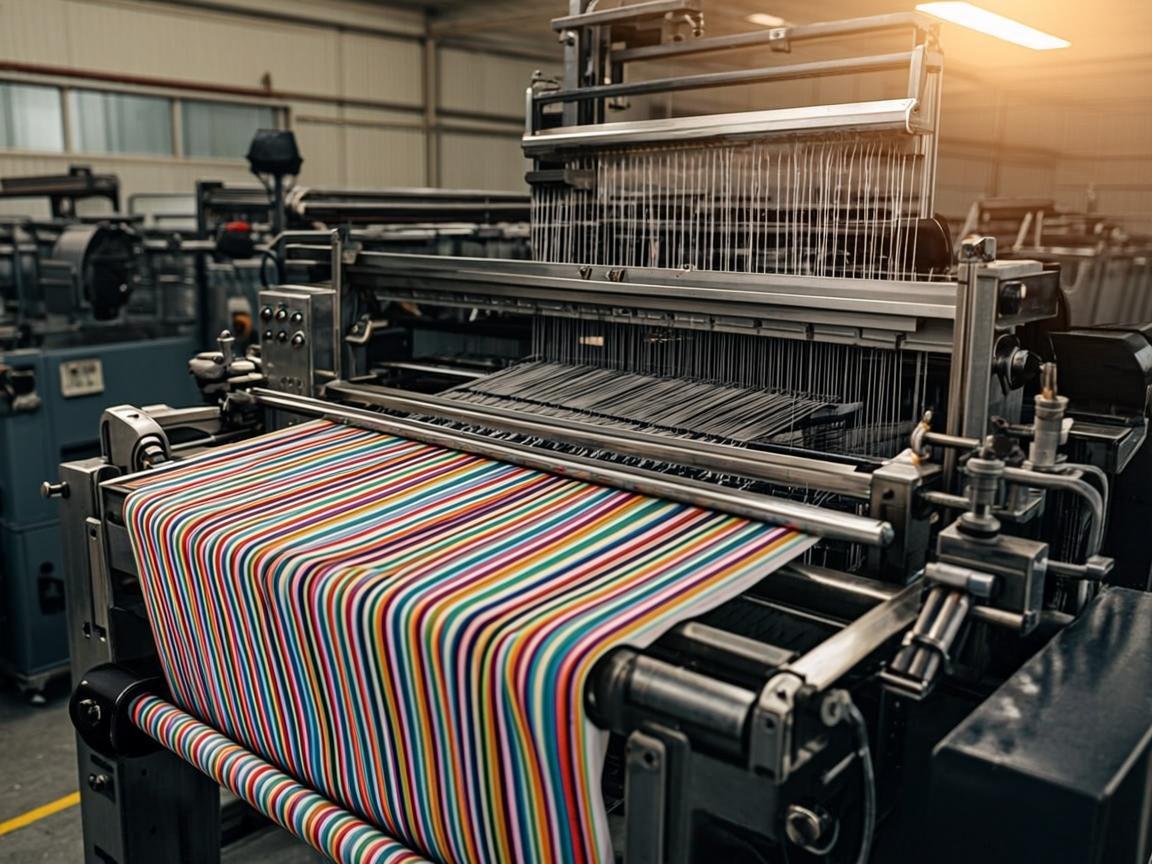
Spandex Fabric Wholesale for Bahrain — Shade-Matched Lots from Surat
Wholesale spandex fabric lots for Manama souq fabric shopss — shade-matched, roll-count packed and held to one standard across repeat containers.
Wholesale spandex fabric lots for Manama souq fabric shopss — shade-matched, roll-count packed and held to one standard across repeat containers.
Wholesale spandex fabric supply works on one contract: the lot you buy this month is the lot you can sell for the next six. Stretch quality hides until the third fitting — buyers learn quickly which mills use genuine elastane loading and which cut corners.
We weave stretch bases with verified elastane percentages and recovery test reports available for Gulf fashion programmes. That is the standard our wholesale lots are packed against.
Demand moves with the fashion-calendar peaks when fitted styles trend in Bahrain. Wholesale buyers who lock allocation a season ahead get the first dispatch slots; spot purchasers get what remains. Bahraini buyers test small, then commit deep — the classic arc is a trial lot, an inspection of how the fabric behaves on their floor, then a season programme.
Every Bahrain order ships with complete export documentation prepared by our own team. Sea freight runs via Khalifa Bin Salman Port in Hidd for volume orders; air freight covers festival windows. Payment terms are discussed openly at enquiry stage — most first orders run on advance or letter of credit, relaxing as the relationship settles.
Send your spandex fabric wholesale bahrain requirement across — quantities, shades, widths and the season you are planning for. The desk responds with costing, lead times and the sampling path, because a first order built on verified samples is the only first order we are interested in.
The fabric programme behind this page is mill-direct Surat supply — weaving, dyeing, printing and finishing under one accountable desk, serving Bahrain with the construction discipline that serious fabric buyers audit for. We develop and run natural fibres, regenerated cellulose, synthetics and the blend families between them, across the weight bands and finishes the trade actually specifies.
What that means practically: cotton programmes from voile-light shirting through canvas-heavy utility weights, silk and art-silk registers for the premium trade, the full polyester and nylon range from challis to technical constructions, and the fashion fabric families — georgette, crepe, satin, velvet, organza, jacquard, brocade — that garment programmes cut from. Printed, dyed, embroidered and textured finishes run on the same programme.
Bulk fabric supply runs on spec discipline: GSM tolerances held across the run, shade cards matched and archived per buyer, width options in the trade standards, and lot-level documentation that travels with the shipment. Development sampling moves in days because the clusters are local — the speed advantage that built this city's fabric trade still shows up in every programme we quote.
Fabric engineering is weight, weave and finish discipline:
The fabric ladder runs from voile-light summer cloths through mid-weight Challis and poplin families, the suiting and shirting weights, and up to canvas and heavy furnishing constructions. Natural fibres cover the comfort trade; regenerated cellulose — viscose, modal, the Tencel family — carries the drape-led programmes; synthetics hold the technical and price-disciplined tiers.
Finish determines shelf behaviour as much as the base cloth does. The same 100 GSM cotton reads crisp or soft depending on mercerising; the same georgette drapes clean or stiff depending on the finishing heat profile. We hold those finish specs on file per buyer, because reorder drift in finish is as damaging as shade drift — and both are preventable with archived standards.
The saree and dress trade built this city before the export business did. Surat's weaving families supplied India's saree counters for generations — the zari work, the jacquards, the printed georgettes that moved by the million through wholesale halls around Ring Road. That domestic trade taught the cluster something export markets now benefit from: how to hold quality at volume, week after week, at price points real retailers can mark up.
When export demand arrived — Gulf fabric houses first, then diaspora boutiques in London, New Jersey and Nairobi, then the trade buyers of West Africa and Southeast Asia — the cluster simply aimed the same machinery at new specifications. Kandora shirting, abaya bases, kurti sets, hotel linen: the looms do not care what the end product is called; the discipline is in the GSM and the shade card.
What has not changed is the trading culture. Deals still close on trust and trial lots, reputations still travel by word of mouth through community networks, and a supplier who ships clean three times earns a buyer for a decade. That is the history we operate inside, and it is the honest reason a Surat desk can promise what bigger-sounding operations cannot: the person who quotes your order is the person accountable for it.
Ajmera Export operates where the buyer's risk actually lives: between the approved sample and the landed consignment. Our job is to make that gap boring. The company runs production and consolidation programmes across Surat's textile clusters — weaving to finishing to stitching to packing — under one accountable desk, so there is never a question of which vendor owns which defect.
The model is deliberately consolidated. One enquiry becomes one programme: fabric development, dyeing approval, stitching spec, private labelling if you want it, export packing to your market's retail standard, and documentation your customs broker does not have to interpret. Buyers running lean operations tell us the consolidation matters as much as the product — managing one supplier relationship costs less than managing five, in attention as much as in margin.
Our growth has come almost entirely from reorders and referrals, which in the Surat merchant community is both the cheapest and the least forgiving marketing channel available. A buyer who ships clean recommends you at a wedding, a family function, a trade association meeting. We like that economy. It keeps the standard where it belongs — on the floor, in the carton, at the port.
Start the way most of our long-term buyers did: send one enquiry with what you stock today and where you want to take the programme. We reply with constructions or styles that fit your shelf, a counter-sample plan, and MOQ levels matched to your current volumes. Samples ship within days, approvals happen on your timeline, and the first production slot is booked the day you sign the strike-off.
The enquiry form on this page reaches the export desk directly, and WhatsApp works just as well for buyers who prefer trading-floor speed. Either way, the conversation that follows is a working one — spec, quantity, lead time, packing — not a brochure exchange.
MOQs are flexible and depend on the construction — most fabric programmes start around 500 to 1,000 metres per shade for stock bases, and higher for custom-dyed or custom-woven lots. Mixed shipments combining several constructions in one container are routine for our buyers, so you can build a full fabric programme without over-committing to a single item.
Stock constructions dispatch within a week, and sea freight transit to Khalifa Bin Salman Port in Hidd typically adds three to four weeks depending on sailing schedules. Air freight is available when you need to catch a retail window — tell us your deadline at enquiry stage and we will quote the realistic option, not the optimistic one.
Yes — send us a cutting of your current fabric and we will analyse weight, construction and finish, then send back a matched sample for your approval before any order is confirmed. This is the most common way buyers start with us, and it protects you from the classic switching risk of a new supplier.
Featured Range

Every shipment includes a commercial invoice, packing list and certificate of origin prepared in-house. We can also arrange additional documentation your clearing agent requires — just tell us at order confirmation, not after dispatch, so nothing delays the consignment.
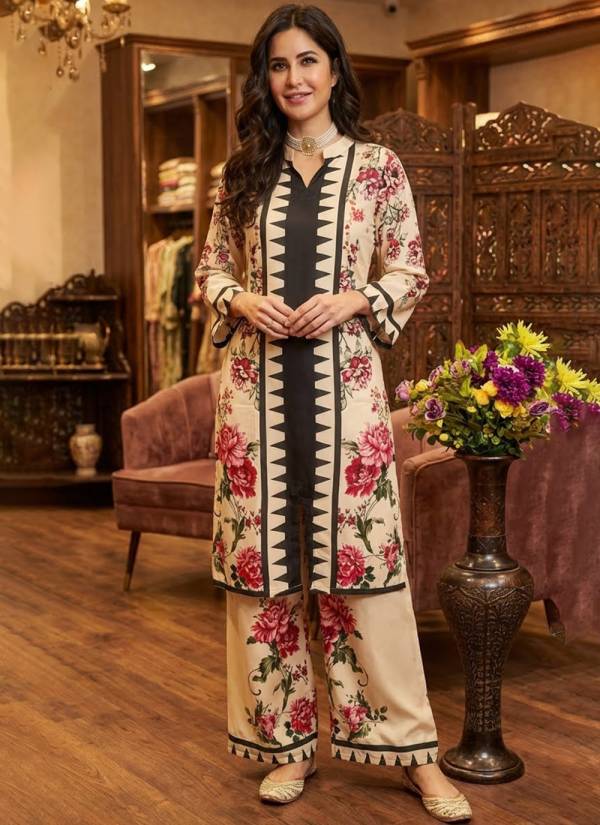
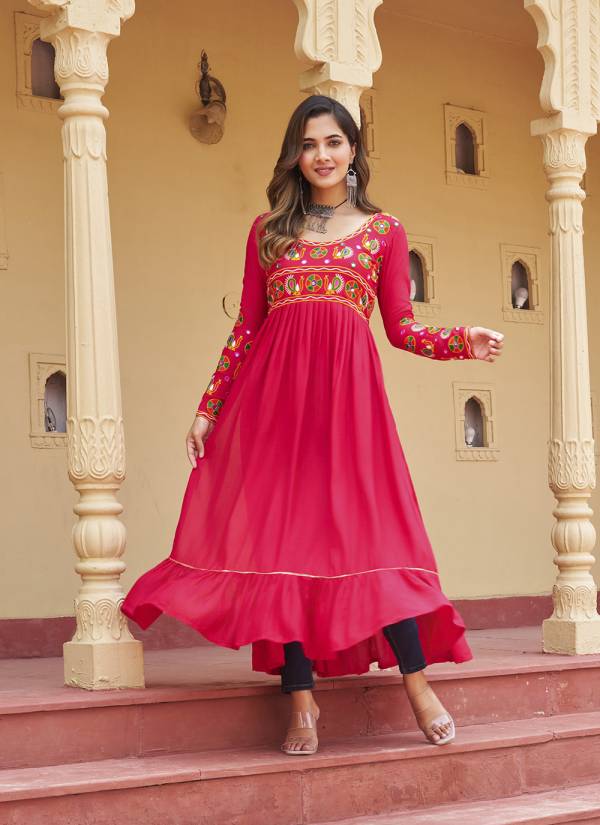
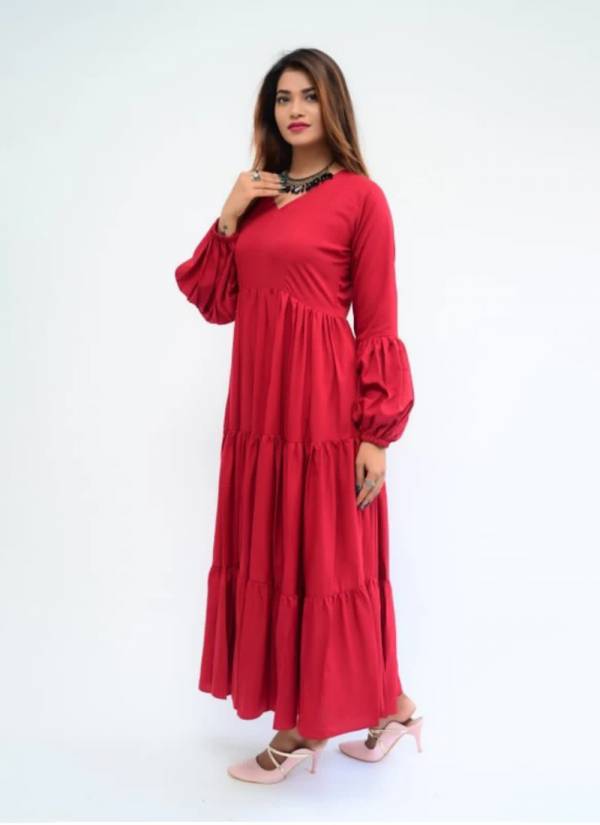
Fitted gown bases, activewear-adjacent uniforms and contemporary modest silhouettes account for most of our Bahrain volume — typically in 180 GSM+ weights. If you are unsure which construction suits your production line, describe your end product and we will recommend two or three options with cuttings.
Fabric cuttings ship free for serious buyers — you cover only the courier. Full swatch cards and sample yardage are quoted nominally and adjusted against the first bulk order.
Your approved strike-off, trim card and size spec are archived against your buyer file. A reorder six months later references the same dye recipe, the same loom programme and the same stitching spec, which is why our reorder deviation complaints are close to zero.
Commercial invoice, packing list, bill of lading or airway bill, certificate of origin, GSP where applicable and any fumigation or quality certificate your destination customs office requires. Documents go to your forwarder before the vessel sails, so clearance is never waiting on paperwork.
Every lot passes a four-point inspection — fabric checking on the greige, in-line checks during stitching, a pre-packing audit and a final AQL sampling before cartons are sealed. The report travels with your shipment so your team can verify against the same checklist we used on our floor.
Yes. Send us a physical swatch or a Pantone reference and our dyeing floor matches it on the actual base fabric before bulk production starts. You approve a strike-off, and only then does the lot run — that approval trail is what keeps reorders consistent.