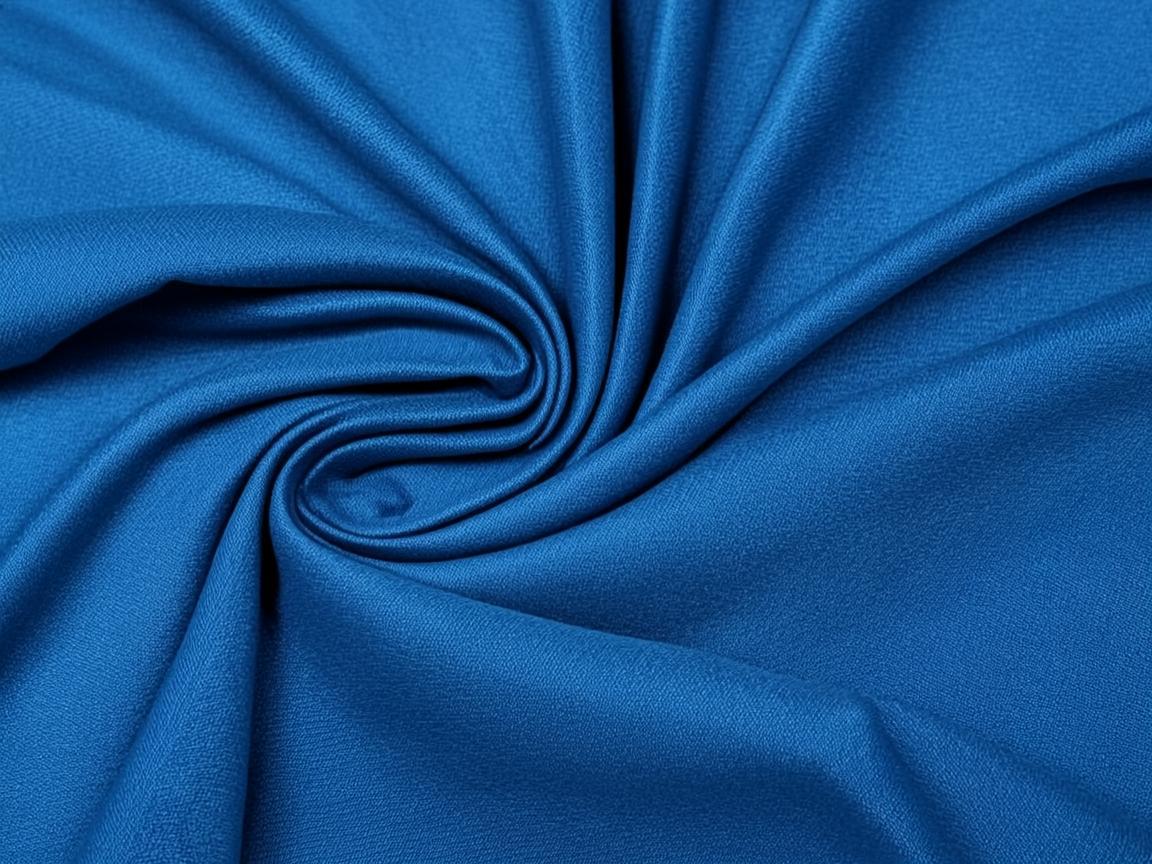
Wholesale Fabric for Kuwait — Surat Mill-Direct Export
Wholesale Fabric supply for Souq Al-Mubarakiya fabric merchants — mill-direct from Surat with shade-matched lots, festival-calendar planning and full export documentation via Shuwaikh Port and Mina Al-Ahmadi.
The difference between a workable sourcing relationship and a frustrating one usually shows by the third consignment of fabric for Kuwait. By then the quality is proven, the consistency is tested, and the paperwork has cleared twice. Everything on this page is about getting you to that third consignment quickly.
We supply Souq Al-Mubarakiya fabric merchants, Sharq retail groups, abaya designers and interior furnishing houses. Kuwait demand leans toward evening and dinner-party yardage, flowing abaya bases and premium dalacetons for the tailoring trade around Al-Mubarakiya.
What Kuwait buyers order from this desk
- Wholesale pricing structured by programme depth, discussed openly at enquiry
- Mixed lots across constructions so a full wholesale range ships in one consignment
- Quality held at wholesale volumes — the tolerances do not relax because the price did
- Packing formats adapted to wholesale breaking and re-rolling operations
- Kuwaiti merchants are among the most loyal buyers in the trade — once a mill survives two seasons of their inspection standards, the relationship outlasts price competition.
How our Kuwait programme works
A market that rewards long-term supplier relationships — Kuwaiti buyers typically stay with a mill that has delivered consistently for years — and that shapes how we ship into Kuwait. Buying fabric wholesale works when the price construction and the quality construction are the same conversation — the cheapest lot that fails on the shelf is the most expensive fabric you will ever buy.
- Consignment sizes that fit real Kuwait businesses — from trial lots for boutique testing to full season volumes for chains
- Shade and GSM held stable across repeat orders, so your cutting floor never re-adjusts mid-season
- Direct-from-mill supply — the price you get is not padded by two layers of traders
- Export documentation prepared in-house and formatted for Shuwaikh Port and Mina Al-Ahmadi clearance
- A WhatsApp-first export desk that replies in working hours — usually within a couple of hours, not days
The range we ship to Kuwait
- Material fabrics: cotton, linen, silk, viscose, polyester, chiffon, georgette, crepe, satin and fifty further constructions
- GCC apparel bases: abaya, thobe, kandora, kaftan, hijab and sheila fabrics in the muted Gulf palette
- Prints: digital and rotary printing on viscose, crepe, georgette and silk bases
- Custom builds: your construction, your width, your shade card, your finish
- Programme supply: scheduled monthly dispatches with reserved loom capacity
Shipping to Kuwait — the practical details
Every Kuwait order ships with complete export documentation — commercial invoice, packing list and certificate of origin as standard. Sea freight runs via Shuwaikh Port and Mina Al-Ahmadi; air freight covers festival windows when the calendar tightens. Payment terms are discussed openly at enquiry stage, with the first orders running on advance or LC structures and relaxing as the relationship settles. Demand moves with Ramadan, both Eids, National Day in February and the winter wedding season — our production calendar reserves capacity ahead of those windows.
What a first wholesale fabric order looks like
The entry path is deliberately low-risk: an enquiry with your quantity range, a video walk-through of current stock and catalogues, then physical samples of the shortlisted pieces. First orders typically run 20–50 pieces per design mixed across sizes and colours for garments, or 500–1,000 metres per shade for fabric programmes — enough to test the shelf without warehousing a season. The buyers who scale fastest treat the first order as a market test: they watch which designs move in the first fortnight, then use our mixed-lot structure to reorder the winners in depth while dropping the slow movers quietly.
Repeat programmes run on reserved capacity. Once a Kuwait buyer confirms a seasonal programme, we hold loom and finishing slots against their calendar, keep their shade standards on file, and dispatch on a schedule their merchandising can plan around — the difference between a supplier who ships and a partner who plans.
Talk to us about your wholesale fabric kuwait requirement
The practical next step is a short enquiry about your wholesale fabric kuwait requirement — construction, monthly volume and destination. Our export desk replies within working hours with availability, indicative pricing and honest lead times, and serious buyers can start with a trial lot before any programme commitment.
Wholesale Fabric for Kuwait — what our mill-direct programme covers
The fabric programme behind this page is mill-direct Surat supply — weaving, dyeing, printing and finishing under one accountable desk, serving Kuwait with the construction discipline that serious fabric buyers audit for. We develop and run natural fibres, regenerated cellulose, synthetics and the blend families between them, across the weight bands and finishes the trade actually specifies.
What that means practically: cotton programmes from voile-light shirting through canvas-heavy utility weights, silk and art-silk registers for the premium trade, the full polyester and nylon range from challis to technical constructions, and the fashion fabric families — georgette, crepe, satin, velvet, organza, jacquard, brocade — that garment programmes cut from. Printed, dyed, embroidered and textured finishes run on the same programme.
Bulk fabric supply runs on spec discipline: GSM tolerances held across the run, shade cards matched and archived per buyer, width options in the trade standards, and lot-level documentation that travels with the shipment. Development sampling moves in days because the clusters are local — the speed advantage that built this city's fabric trade still shows up in every programme we quote.
- Cotton fabrics — the workhorse range
- Silk fabrics — premium register
- Georgette, chiffon and crepe — drape family
- Printed fabrics — print cluster collections
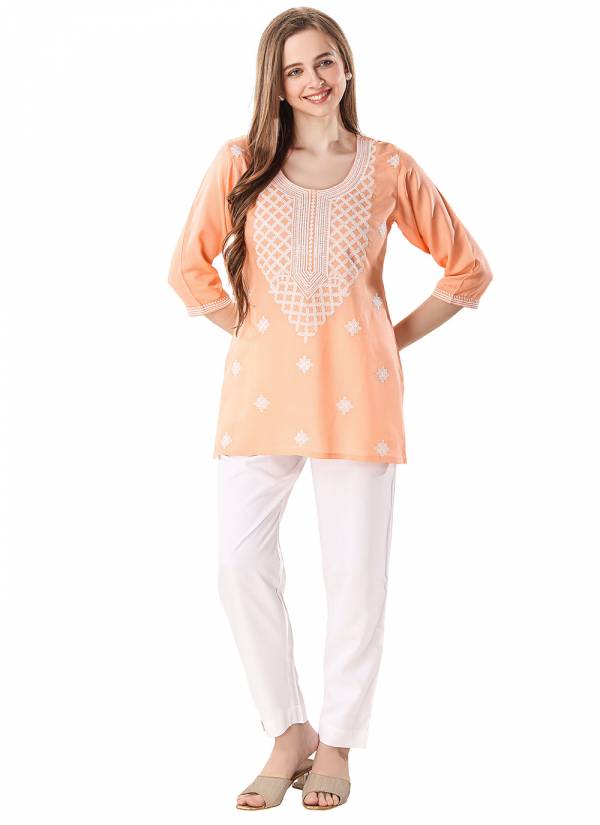
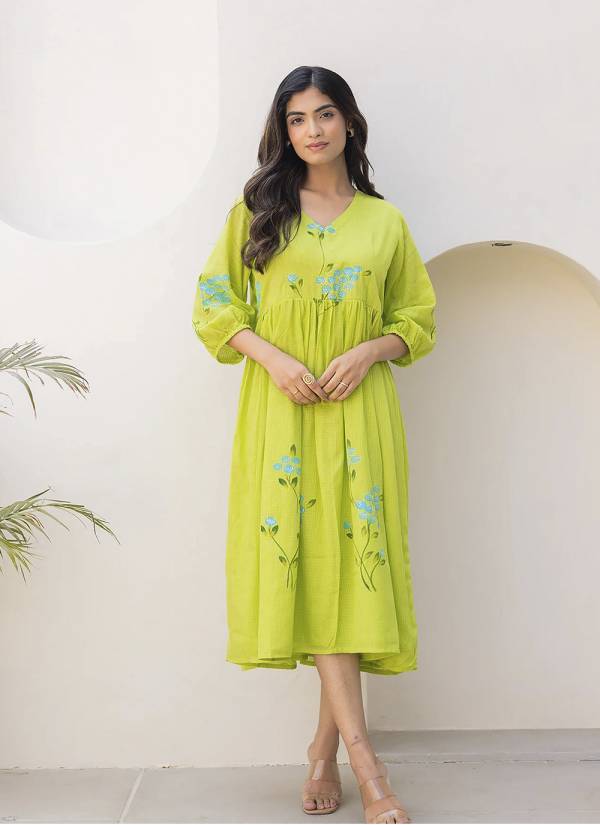
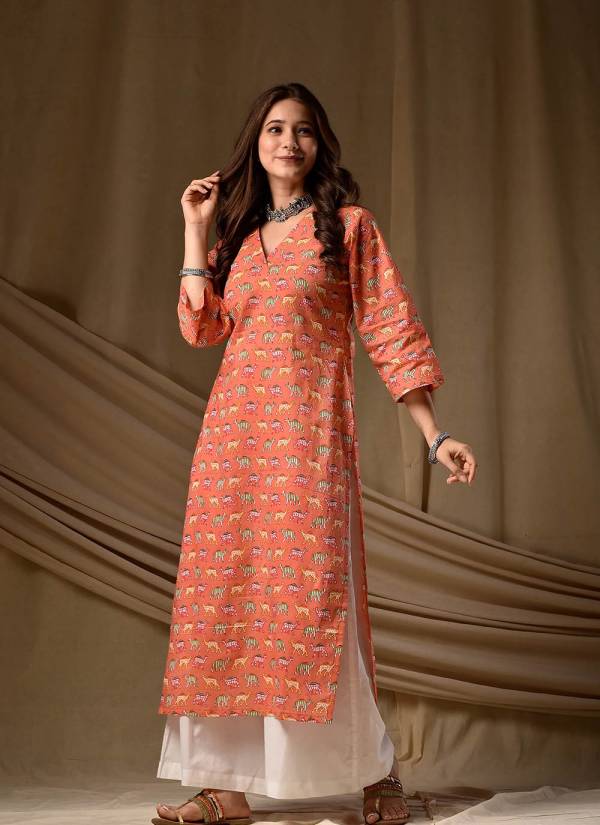
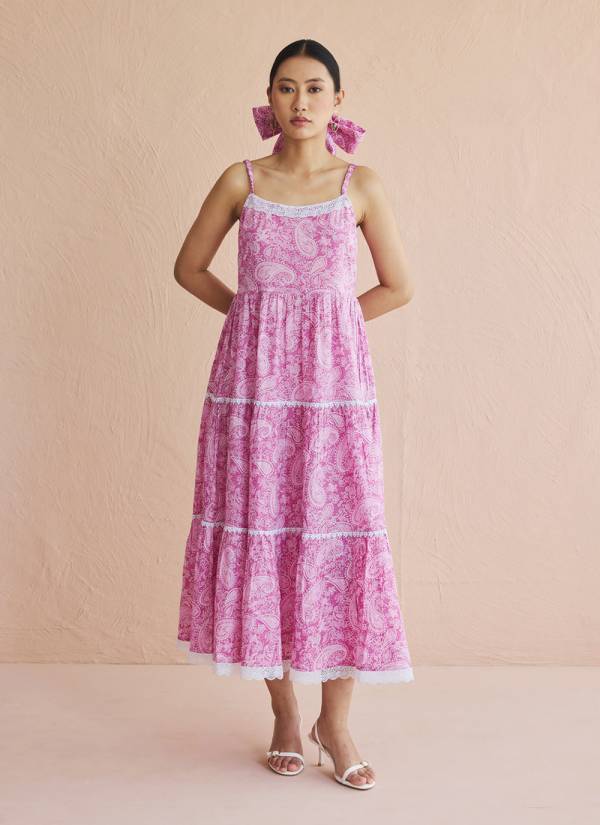
- Finished garments — what the fabric becomes
Fabrics behind the range
Fabric engineering is weight, weave and finish discipline:
Fabric selection is where programme economics are actually decided — the difference between a 90 GSM and a 120 GSM base changes drape, cost structure, shipping weight and the price tier the finished product can hold. Our role is to make that selection explicit rather than accidental: spec sheets with weight, weave, width and finish on every quotation, samples that match the bulk spec exactly, and lot documentation that lets your QC team verify against the same numbers we shipped against.
The clusters behind this programme weave, dye, print, embroider and finish in the same industrial ring — which is why development moves in days and corrections move faster. That proximity is the quiet advantage behind every fabric programme we run.
The Surat advantage — a short history
Surat has been a textile trading city for longer than most trade routes have existed. Mughal-era ships carried the city's silk and cotton to the Persian Gulf and East Africa four centuries ago, and the British port records from the 1600s already describe a loom economy substantial enough to supply entire fleets. When the mill era arrived in the 1900s, Surat's weaving families simply moved from handlooms to powerlooms without letting go of the trading relationships that preceded them by generations.
The modern chapter began in the 1970s and 80s, when the city's mills took the synthetic-fibre revolution and ran with it. Polyester and nylon weaving, dyeing and printing grew into clusters — Ring Road, Sachin GIDC, Palsana — that today produce an outsized share of India's man-made fabric output. A city that once traded cloth now designs, weaves, dyes, prints, embroiders, stitches and exports it, all within a 30-kilometre industrial ring.
For an international buyer, this density is the practical advantage: the mill, the dyeing house, the embroidery unit and the packing floor sit close enough that a quality issue gets solved in a day, not a supply-chain quarter. Our desk works inside that ecosystem, and every page we publish is written from it.
About Ajmera Export — the brand behind this page
Ajmera Export operates where the buyer's risk actually lives: between the approved sample and the landed consignment. Our job is to make that gap boring. The company runs production and consolidation programmes across Surat's textile clusters — weaving to finishing to stitching to packing — under one accountable desk, so there is never a question of which vendor owns which defect.
The model is deliberately consolidated. One enquiry becomes one programme: fabric development, dyeing approval, stitching spec, private labelling if you want it, export packing to your market's retail standard, and documentation your customs broker does not have to interpret. Buyers running lean operations tell us the consolidation matters as much as the product — managing one supplier relationship costs less than managing five, in attention as much as in margin.
Our growth has come almost entirely from reorders and referrals, which in the Surat merchant community is both the cheapest and the least forgiving marketing channel available. A buyer who ships clean recommends you at a wedding, a family function, a trade association meeting. We like that economy. It keeps the standard where it belongs — on the floor, in the carton, at the port.
Why businesses choose us
- Direct desk access — the person quoting your order is accountable for shipping it
- Shrinkage, colourfastness and GSM testing on production lots, with results available on request
- Custom development welcomed — construction, weight and finish adapted to your market feedback
- Flexible order ladders that let a trial lot grow into a season programme without friction
- Long-term buyer economics: consistent reorders at consistent spec, with no drift between lots
Start your first order
Start the way most of our long-term buyers did: send one enquiry with what you stock today and where you want to take the programme. We reply with constructions or styles that fit your shelf, a counter-sample plan, and MOQ levels matched to your current volumes. Samples ship within days, approvals happen on your timeline, and the first production slot is booked the day you sign the strike-off.
The enquiry form on this page reaches the export desk directly, and WhatsApp works just as well for buyers who prefer trading-floor speed. Either way, the conversation that follows is a working one — spec, quantity, lead time, packing — not a brochure exchange.
Frequently Asked Questions
What is the minimum order quantity for wholesale fabric kuwait?
MOQs are flexible and depend on the construction — most fabric programmes start around 500 to 1,000 metres per shade for stock bases, and higher for custom-dyed or custom-woven lots. Mixed shipments combining several constructions in one container are routine for our buyers, so you can build a full fabric programme without over-committing to a single item.
How long does delivery to Kuwait take?
Stock constructions dispatch within a week, and sea freight transit to Shuwaikh Port and Mina Al-Ahmadi typically adds three to four weeks depending on sailing schedules. Air freight is available when you need to catch a retail window — tell us your deadline at enquiry stage and we will quote the realistic option, not the optimistic one.
Can you match the fabric we already buy?
Yes — send us a cutting of your current fabric and we will analyse weight, construction and finish, then send back a matched sample for your approval before any order is confirmed. This is the most common way buyers start with us, and it protects you from the classic switching risk of a new supplier.
Featured Range
Products for Kuwait