Wholesale Fabric in Sharjah — Surat Mill-Direct Supply
Wholesale Fabric supply for Sharjah — the manufacturing and tailoring belt of the UAE, served mill-direct from Surat with consolidated freight into the UAE and festival-calendar planning.
Every trade has its reliable route, and for fabric in Sharjah this page is ours — written by the desk that runs the consignments, not by an agency. The constructions, the tolerances and the shipping details below are the ones our buyers actually work with, season after season.
Sharjah hosts the industrial concentration of the northern emirates — tailoring units, garment workshops and fabric wholesalers whose cutting floors run six days a week. We supply tailoring unit owners running continuous garment production, garment manufacturers supplying the wider UAE trade and wholesalers serving the northern emirates retail from our Surat weaving floor, with the full UAE documentation chain handled in-house.
What Sharjah buyers order from this desk
- Abaya, thobe and kandora bases for the tailoring and atelier trade
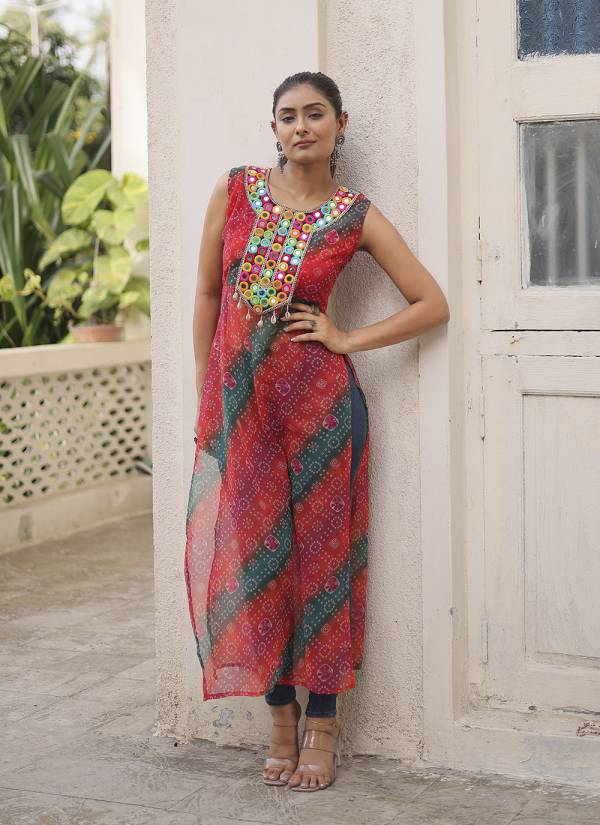
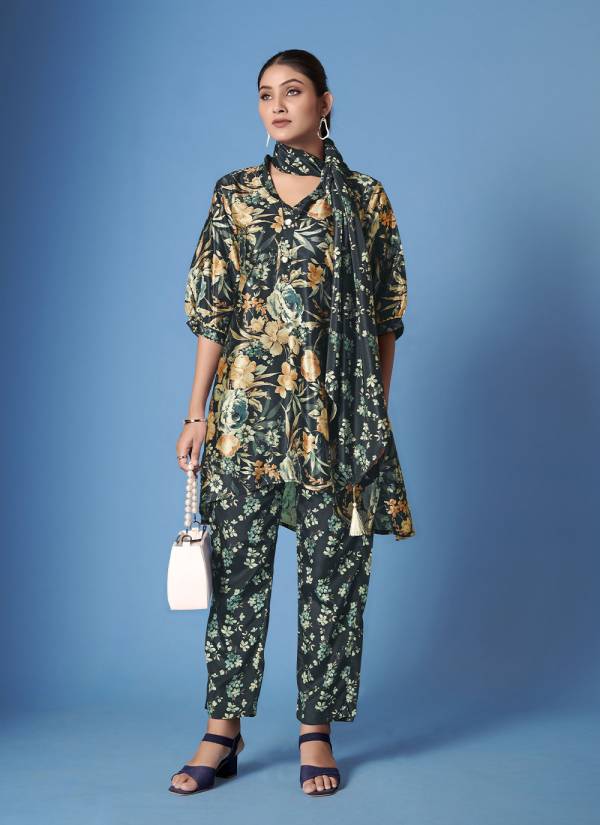
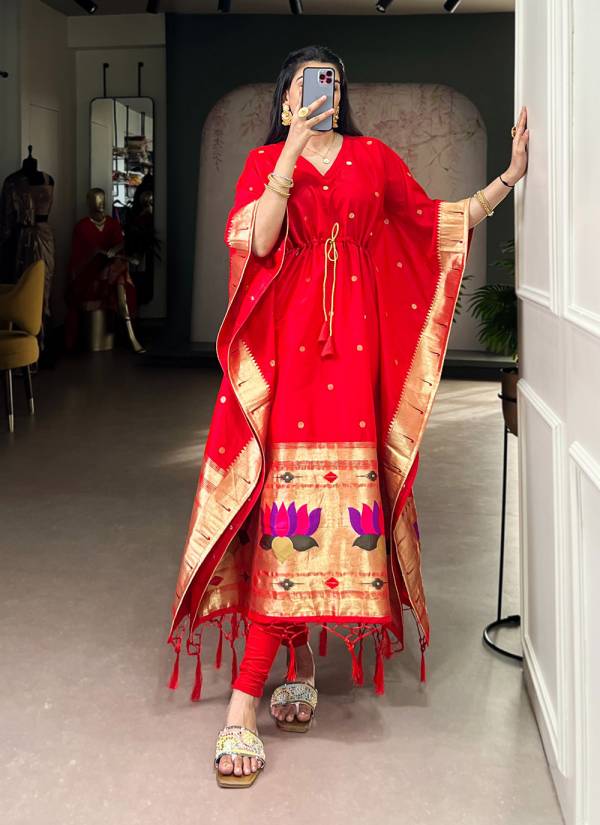
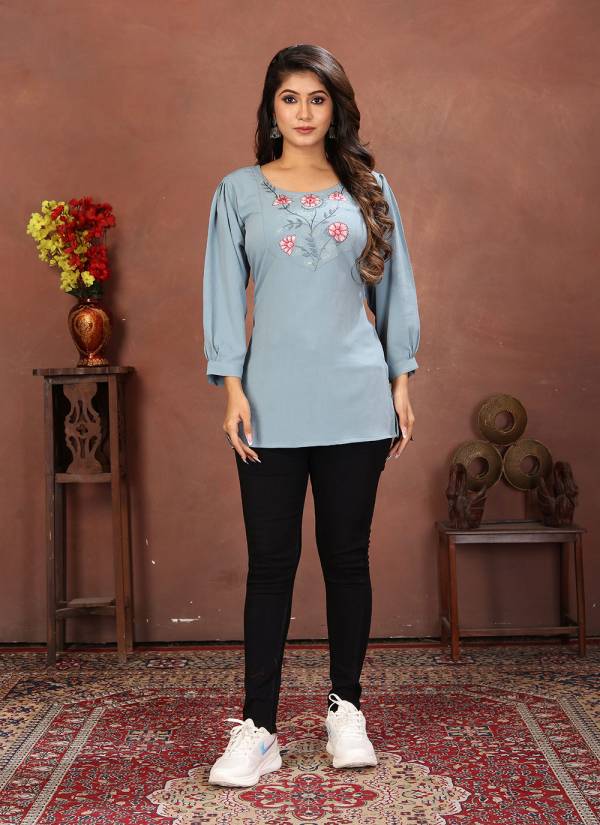
- Fashion yardage — prints, crepes, georgettes and seasonal constructions
- Uniform fabrics with test documentation for institutional buyers
- Furnishing and hospitality programmes for project-based buyers
- Scheduled wholesale programmes with dependable monthly dispatch and wholesale pricing tiers structured around real programme volumes
Supplying Sharjah from Surat
Wholesale buyers in this market run lean inventories and tight cash cycles — the supply arrangement that works is the one that delivers dependable monthly volume without drama. UAE buyers think in re-export terms: one consignment serves their own boutiques, their GCC wholesale customers and their East Africa trade in a single landed cost calculation.
- Trial lots sized for Sharjah businesses testing a new supplier
- Shade standards held on file so repeat lots match the originals
- Mixed consignments — one container covering the full programme range
- Documentation prepared for UAE clearance without follow-up queries
Logistics into Sharjah
Sharjah Container Terminal handles direct consignments, and our trucking into industrial Sharjah runs on fixed weekly schedules that production planners can rely on. Demand across the Emirates moves with Ramadan and Eid retail peaks, the Dubai Shopping Festival and the wedding season that runs October to April, and our production calendar books capacity ahead of those windows.
What a first wholesale fabric order looks like
The entry path is deliberately low-risk: an enquiry with your quantity range, a video walk-through of current stock and catalogues, then physical samples of the shortlisted pieces. First orders typically run 20–50 pieces per design mixed across sizes and colours for garments, or 500–1,000 metres per shade for fabric programmes — enough to test the shelf without warehousing a season. The buyers who scale fastest treat the first order as a market test: they watch which designs move in the first fortnight, then use our mixed-lot structure to reorder the winners in depth while dropping the slow movers quietly.
Repeat programmes run on reserved capacity. Once a Sharjah buyer confirms a seasonal programme, we hold loom and finishing slots against their calendar, keep their shade standards on file, and dispatch on a schedule their merchandising can plan around — the difference between a supplier who ships and a partner who plans.
Talk to us about your wholesale fabric sharjah requirement
The practical next step is a short enquiry about your wholesale fabric sharjah requirement — construction, monthly volume and destination. Our export desk replies within working hours with availability, indicative pricing and honest lead times, and serious buyers can start with a trial lot before any programme commitment.
Wholesale Fabric in Sharjah — what our mill-direct programme covers
The fabric programme behind this page is mill-direct Surat supply — weaving, dyeing, printing and finishing under one accountable desk, serving Sharjah with the construction discipline that serious fabric buyers audit for. We develop and run natural fibres, regenerated cellulose, synthetics and the blend families between them, across the weight bands and finishes the trade actually specifies.
What that means practically: cotton programmes from voile-light shirting through canvas-heavy utility weights, silk and art-silk registers for the premium trade, the full polyester and nylon range from challis to technical constructions, and the fashion fabric families — georgette, crepe, satin, velvet, organza, jacquard, brocade — that garment programmes cut from. Printed, dyed, embroidered and textured finishes run on the same programme.
Bulk fabric supply runs on spec discipline: GSM tolerances held across the run, shade cards matched and archived per buyer, width options in the trade standards, and lot-level documentation that travels with the shipment. Development sampling moves in days because the clusters are local — the speed advantage that built this city's fabric trade still shows up in every programme we quote.
- Cotton fabrics — the workhorse range
- Silk fabrics — premium register
- Georgette, chiffon and crepe — drape family
- Printed fabrics — print cluster collections
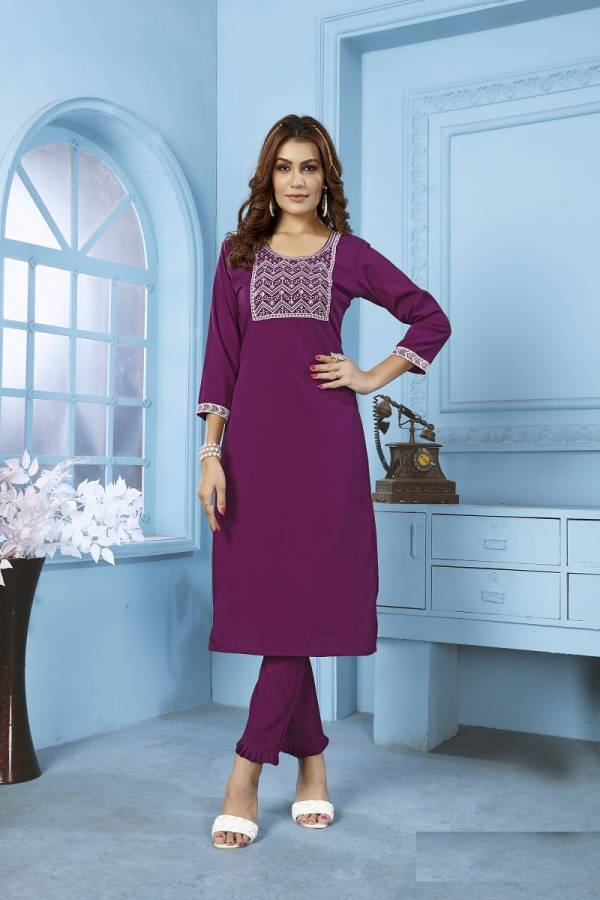
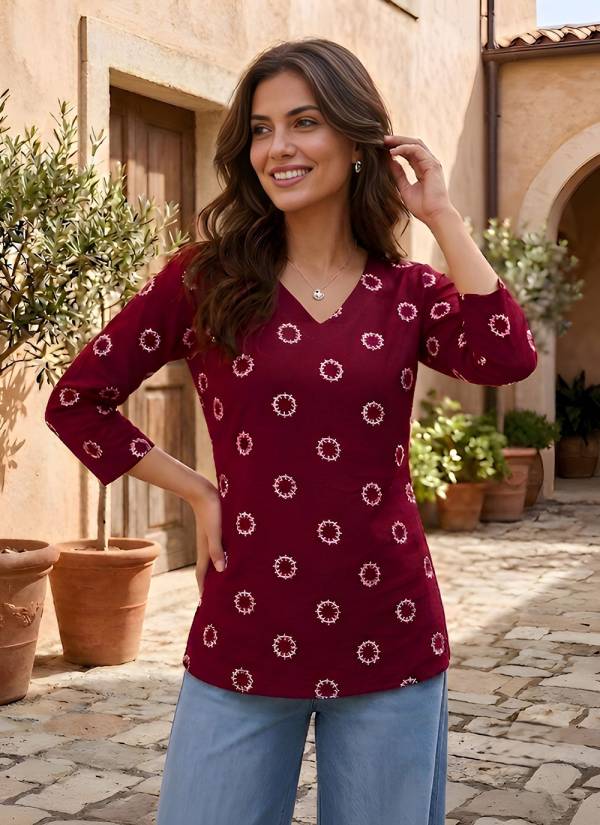
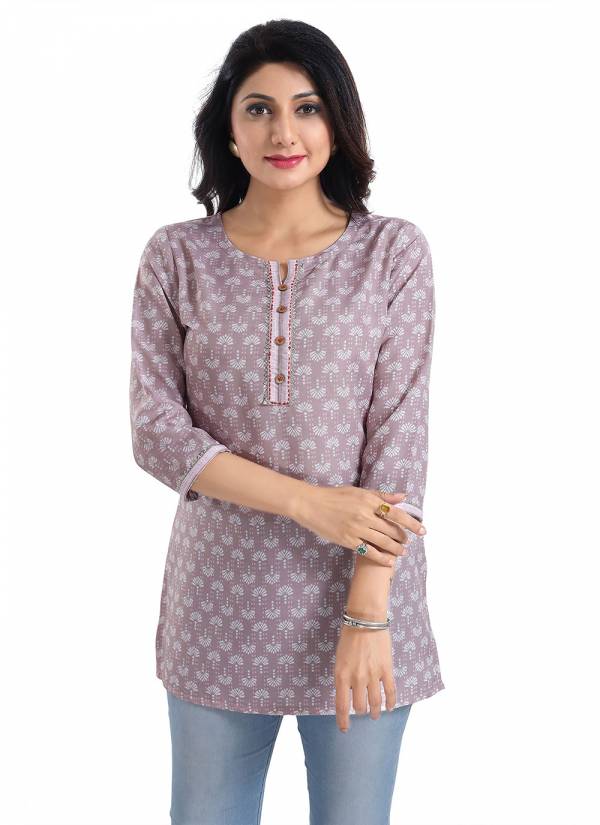
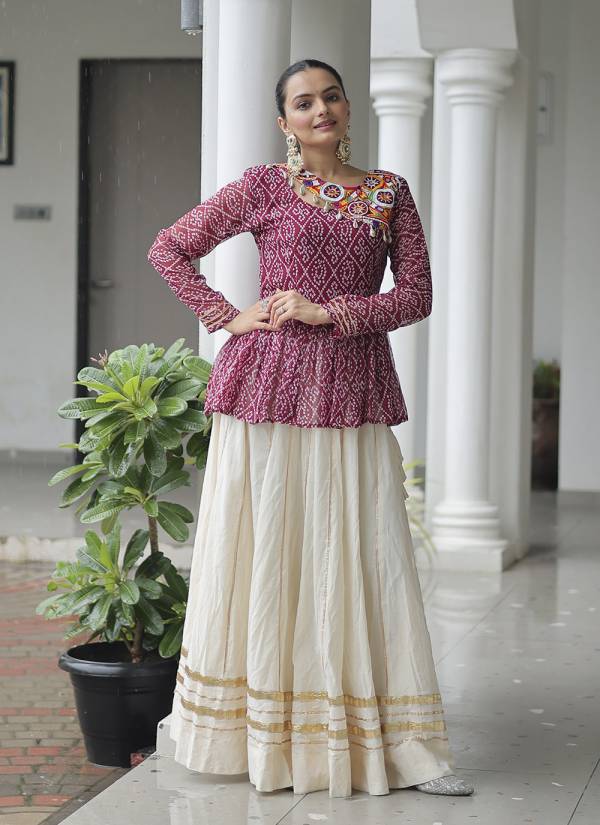
- Finished garments — what the fabric becomes
Fabrics behind the range
Fabric engineering is weight, weave and finish discipline:
The fabric ladder runs from voile-light summer cloths through mid-weight Challis and poplin families, the suiting and shirting weights, and up to canvas and heavy furnishing constructions. Natural fibres cover the comfort trade; regenerated cellulose — viscose, modal, the Tencel family — carries the drape-led programmes; synthetics hold the technical and price-disciplined tiers.
Finish determines shelf behaviour as much as the base cloth does. The same 100 GSM cotton reads crisp or soft depending on mercerising; the same georgette drapes clean or stiff depending on the finishing heat profile. We hold those finish specs on file per buyer, because reorder drift in finish is as damaging as shade drift — and both are preventable with archived standards.
The Surat advantage — a short history
The saree and dress trade built this city before the export business did. Surat's weaving families supplied India's saree counters for generations — the zari work, the jacquards, the printed georgettes that moved by the million through wholesale halls around Ring Road. That domestic trade taught the cluster something export markets now benefit from: how to hold quality at volume, week after week, at price points real retailers can mark up.
When export demand arrived — Gulf fabric houses first, then diaspora boutiques in London, New Jersey and Nairobi, then the trade buyers of West Africa and Southeast Asia — the cluster simply aimed the same machinery at new specifications. Kandora shirting, abaya bases, kurti sets, hotel linen: the looms do not care what the end product is called; the discipline is in the GSM and the shade card.
What has not changed is the trading culture. Deals still close on trust and trial lots, reputations still travel by word of mouth through community networks, and a supplier who ships clean three times earns a buyer for a decade. That is the history we operate inside, and it is the honest reason a Surat desk can promise what bigger-sounding operations cannot: the person who quotes your order is the person accountable for it.
About Ajmera Export — the brand behind this page
Ajmera Export is a Surat-based textile and ethnic wear export house built around a simple operating rule: quote honestly, ship clean, and treat the reorder as the real product. The company runs a consolidated sourcing and finishing operation across the city's weaving, dyeing, printing and stitching clusters, which means a buyer deals with one desk — ours — instead of chasing five vendors through a supply chain they cannot see.
The range we manufacture and consolidate covers the full ethnic wardrobe — sarees, kurtis, lehengas, gowns, salwar and Pakistani suit programmes, menswear, kids ethnic — alongside home textile lines in towels and bedsheets, and the fabric yardage trade the city itself is famous for. Every programme is export-graded: shrinkage-tested, colourfastness-checked and packed to destination-market shelf standards.
What we ask of new buyers is the same thing we give them: straight answers. If a lead time is tight, we say so. If a construction will not hold the embroidery weight you want, we propose the one that will. Export relationships that start on candour tend to still be running five years later — and that is the only growth strategy this company has ever needed.
Why businesses choose us
- One accountable desk across weaving, dyeing, printing, embroidery, stitching and packing — no multi-vendor blame chains
- Strike-off approvals before every bulk run, so the shade you sign is the shade that ships
- Lot-level shade and GSM discipline with archived specs on file for every buyer programme
- MOQ structures designed for growing buyers — scale up without renegotiating the relationship
- Private labelling, retail-ready packing and destination-market documentation handled in-house
Start your first order
Begin with a straightforward enquiry: category, target quantity band and your market. From there we map the programme — which constructions or styles to sample, what MOQ the first order runs at, and what the production calendar looks like against your launch or season date. Counter-samples move within days, and nothing enters bulk production until you have approved the physical sample in hand.
Use the enquiry form on this page or message the desk on WhatsApp — both reach the people who actually run the programme. Buyers consolidating multiple categories can plan one shipment calendar across all of them, which is where the freight economics of a single-supplier relationship really start to show.
Featured Range
Products for Sharjah