Anarkali Kurtis at Wholesale — The Silhouette That Refuses to Age
Trend forecasters have declared the anarkali dead at least four times in the last decade. A buyer in Leicester believed one of those obituaries in 2019, dropped the silhouette entirely, and was back ordering floor-length pieces within two seasons. The anarkali does not follow fashion cycles; it follows wedding invitations, and those keep coming.
Our anarkali programme ships year-round across our export markets, and its stability is exactly why we recommend it to first-time buyers. The silhouette is generous by construction, which does most of the fitting work before a tailor ever gets involved.
Why the Shape Keeps Selling
Three properties make anarkalis unusually safe stock:
Hotel belts in Kathmandu, Pokhara and Chitwan run a quieter but steadier textile trade than any fashion counter. GSM bands, housekeeping lots and the reorder discipline behind hospitality linen programmes.
Anarkali kurtis explained for wholesale buyers: kali counts, lengths, lining decisions and the three-tier split that covers a whole year. Includes the season calendar and the sizing habits that prevent returns.
Ajmera Export 15 Nov 20256 min read
The flare skims instead of clings, so the same piece flatters customers across a wide size range, and every age group buys it without hesitation.
Coverage is built in, which matters to Gulf buyers and modest dressers, and to mothers buying for daughters they want dressed with a little more ceremony.
It grades up an occasion. The same silhouette covers a daily rayon version and a floor-length wedding-guest piece, so customers self-select their own tier.
Anatomy Worth Knowing Before You Order
Two numbers decide how an anarkali looks and how much fabric goes into it: the kali count and the length.
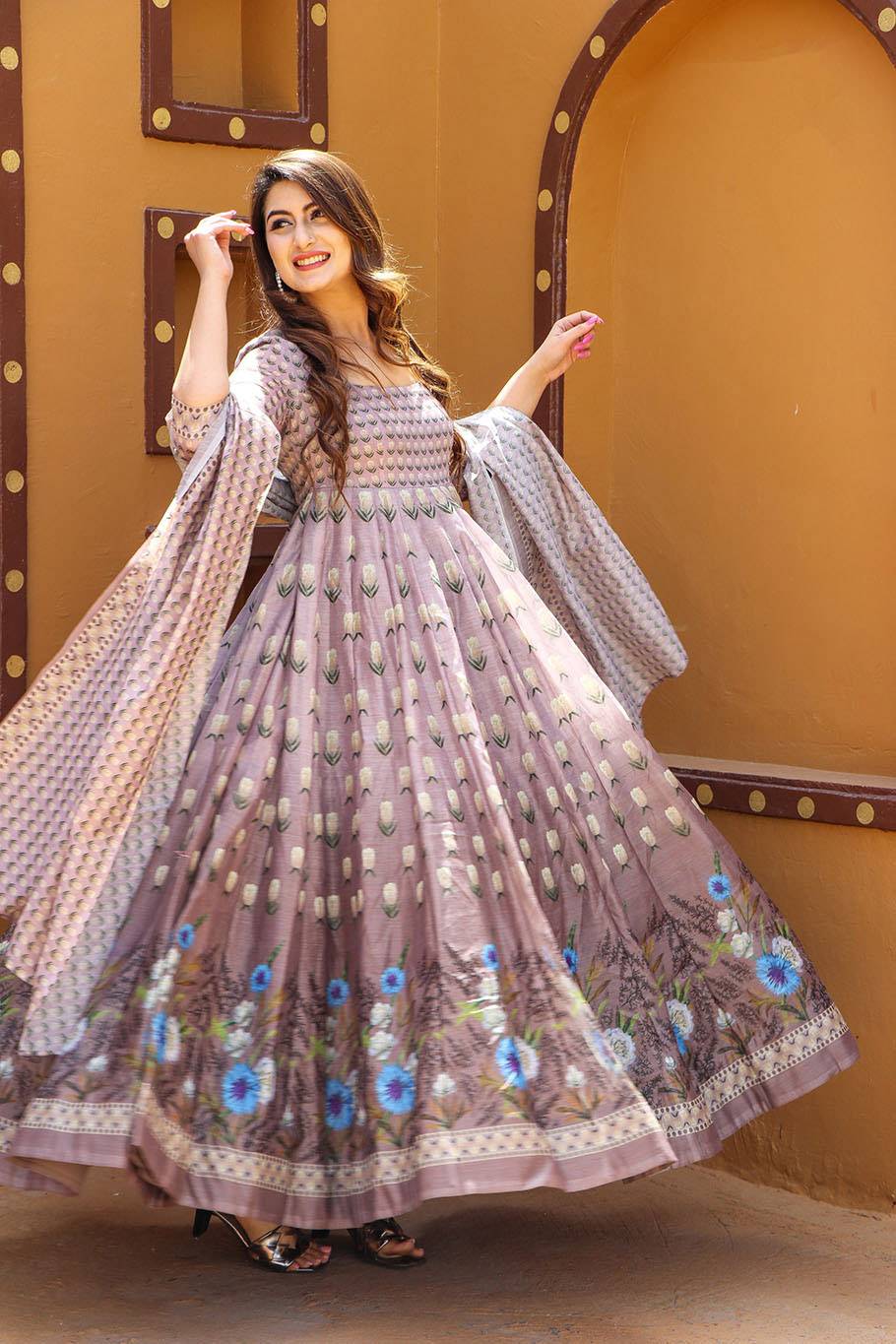
Kali count: 8 kalis for basic daily pieces, 12 to 16 for the standard festive tier, and 20 to 24 and up for full-flare occasion pieces. More panels mean more fall, more fabric and more stitching, and the difference is visible across a room.
Length: 40 to 44 inches for daily and office wear, 46 to 48 for festive, and 52 to 56 for floor-length worn with heels. In petite-heavy neighbourhoods, the 40-inch tier quietly outperforms.
Then the build details. Princess-seam yokes shape the bust better than flat empire cuts and photograph cleaner. Neckline piping and sleeve finishes separate a considered piece from a rushed one. A cotton voile lining under a georgette shell stops cling and gives the flare body. Unlined viscose saves cost, but it shows every undergarment line, and we see the returns that follow. Lining is not the corner to cut.
Three Tiers That Cover the Year
Daily tier. Printed rayon or viscose, 100 to 140 GSM, straight panels, machine embroidery at the yoke, no dupatta. This is your reorder engine. Customers buy three of these for every one occasion piece, and they buy them between festivals, when the shop is otherwise quiet.
Festive tier. Georgette or crepe with an embroidered yoke, sequin accents, and a ghera border that weights the hem so the flare hangs instead of flying. Pairs with a chiffon dupatta. Sells from two weeks before Eid and from September into Diwali.
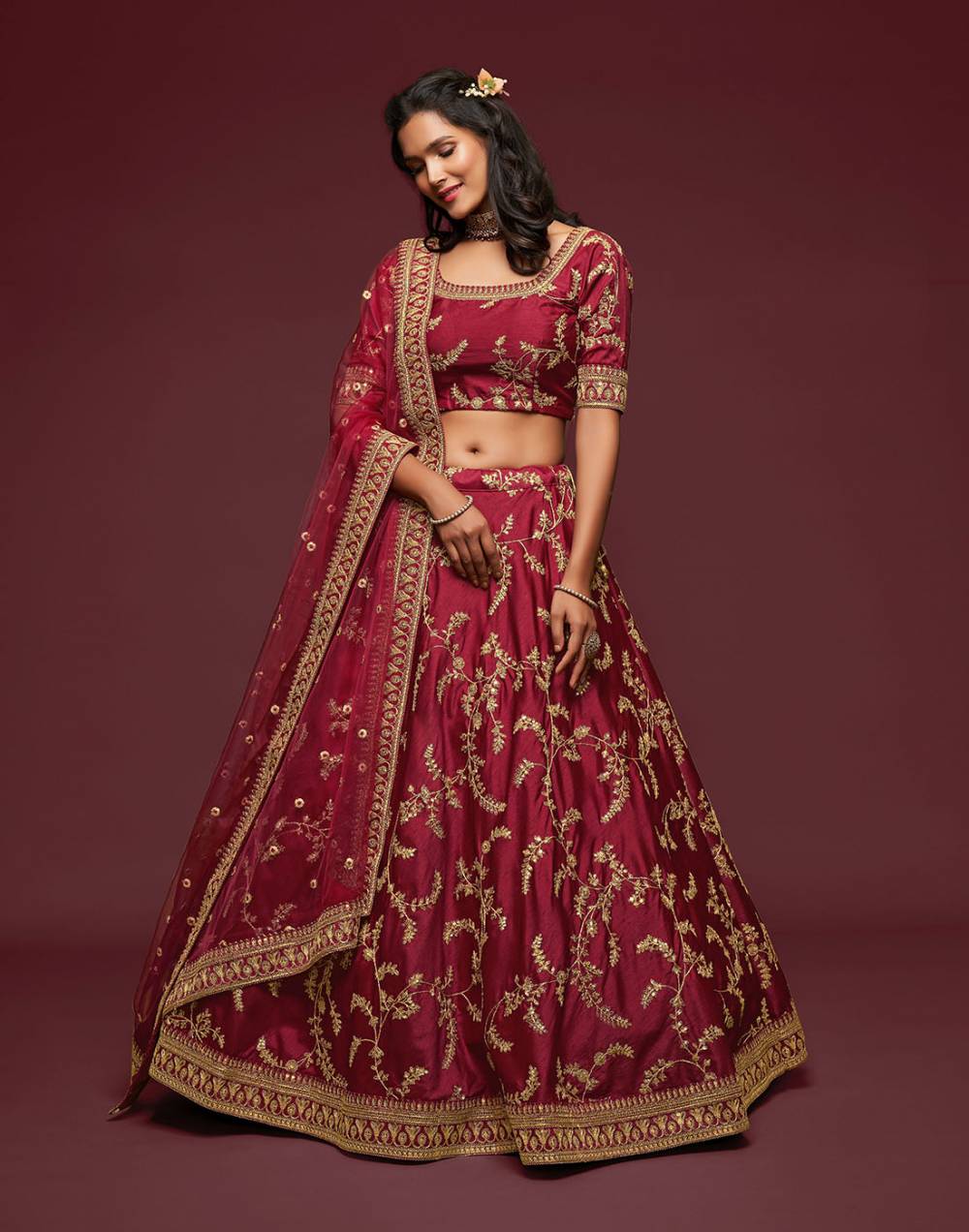
Occasion tier. Floor-length, gota or zari work, substantial dupatta, worn to weddings and receptions as a comfortable alternative to a saree or lehenga. This tier competes directly with lightweight lehengas and often wins on comfort and movement.
Sizing and Grading Realities
Anarkalis run generous by design, so grade bust in standard 4-centimetre steps from S to XXL and warn your retail staff against sizing customers up; the flare already does that work. Length grading matters more here than on straight kurtis. If your customer base skews petite, weight your length mix downward rather than hoping alterations happen, because hemming an embroidered ghera border is skilled work that most customers never get around to.
The Order Calendar
Eid: retail peaks in the last two weeks of Ramadan, and Ramadan shifts about eleven days earlier each year on the Gregorian calendar, so track the dates rather than trusting last year's plan. Order 8 to 10 weeks ahead.
Diwali: lock festive and occasion tiers by August.
Wedding season, November to February: floor-length pieces ordered by September.
The quiet months: daily-tier reorders, which land exactly when your supplier has spare capacity. Spread them.
From Carton to Rail: Checks and Display
Give every anarkali delivery a twenty-minute pass before it reaches the shelf, because a few faults repeat across factories and are cheap to catch early:
Lay the piece flat and check that the kali seams radiate evenly from the yoke. A crooked centre panel means the flare will swing to one side when worn.
Stretch the ghera hem gently. Border tape should sit flat without puckering; waviness here will not steam out.
Confirm the lining is stitched to the shell at the hem and neckline, not just tacked at the waist, or it will twist in the wash.
Verify size labels against a measured chart. Cross-border sizing drifts, and an "XL" from one factory measuring like an "L" from another is the quiet cause of returns that get blamed on the customer.
Check sleeve seam finishes on the festive tier; exposed overlocking under a sheer georgette sleeve reads as cheap at close range.
Then give the flare room to sell. Steamed and hung on wide hangers, an anarkali sells itself; folded flat on a table, the same piece reads as just another kurti. One floor-length piece on a mannequin does more for the whole rail than ten on hangers.
Sell the bottoms that pair with the top, too. Churidar in dyed cotton or lycra-blend attaches naturally to the daily and festive tiers, and palazzos in crepe attach to the occasion tier. Our buyers tell us bottom attach rates run highest when the pairing is displayed on the mannequin together, not offered verbally at the till. One more habit worth copying: photograph anarkalis with movement, a fan or a slow turn, because static photos flatten the flare that is the entire point of the garment.
Frequently Asked Questions
What kali count should a wholesale anarkali have?
Daily pieces work at 8 kalis, festive at 12 to 16, and full-flare occasion pieces at 20 or more. Below 8 you are really buying a flared straight kurti, which is fine as long as it is bought and labelled as one.
Which fabrics work best for anarkalis?
Rayon and printed viscose for the daily tier, georgette and crepe for festive, silk blends and velvet for winter occasion pieces. Whatever the shell, a cotton voile lining is what keeps the flare hanging cleanly and the returns down.
Do anarkalis run large?
Yes, generously, and that is the point of the silhouette. Staff should size customers at their measured size rather than sizing up, because the panels take care of the rest.
What lengths sell best?
The 44-inch tier is the safe middle for most shops. Weight 40-inch pieces for petite-heavy areas, and reserve 52 inches and above for the occasion tier, where customers expect heels and drama together.
Can I order anarkalis without dupattas?
For the daily tier, absolutely, and most customers prefer it that way. For festive and occasion tiers the dupatta is part of the look and roughly a third of the styling in photographs, so include it.
How many pieces make a sensible first order?
A first programme of 100 to 150 pieces across the three tiers and four to six designs gives you real sell-through data without burying you in a single design. Reorder the winners inside the season; anarkali demand is steady enough to support it.
If an anarkali programme fits your shelves this season, tell us your market, size curve and the occasions you sell into, and we will propose a tier split. We send fabric swatches and sample pieces to serious buyers, and we can walk you through kali counts and lining options on a video call before anything goes into production.
anarkali kurti wholesaleanarkali suit supplieranarkali buying guide
Sourcing ethnic wear for your business?
Our export team shares catalogues, MOQ and pricing tailored to your market — response within one business day.
A retailer's guide to stocking sherwanis profitably: why eight sample pieces beat eighty, how the booking model removes dead stock, and which fabrics and sizes cover most grooms. Includes packing, care and the calendar from order to aisle.
Sharara and gharara construction, fabric engineering and the second-top effect that drives reorders all season. Includes pairing rules, festival windows and the volumetric packing notes that keep freight honest.