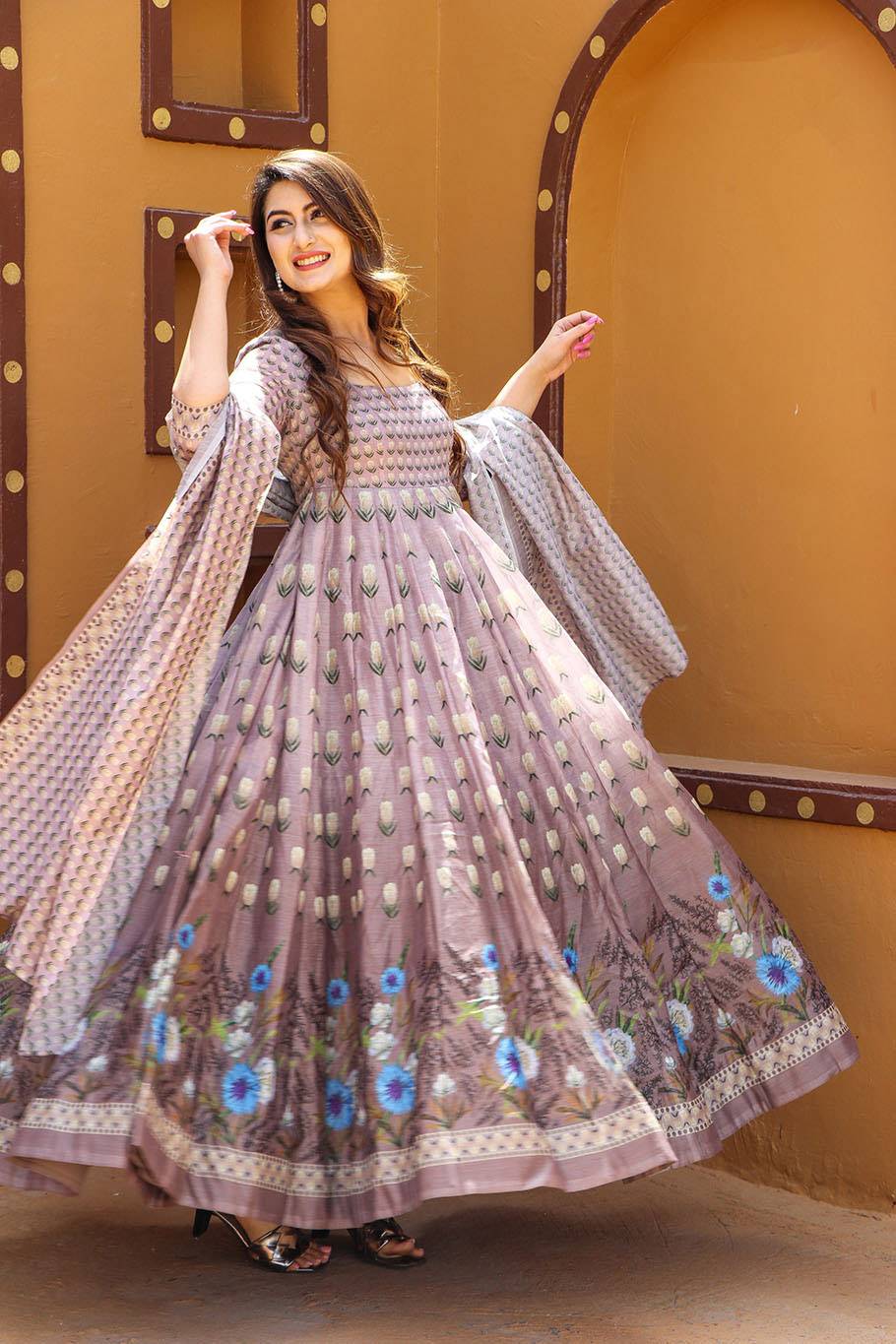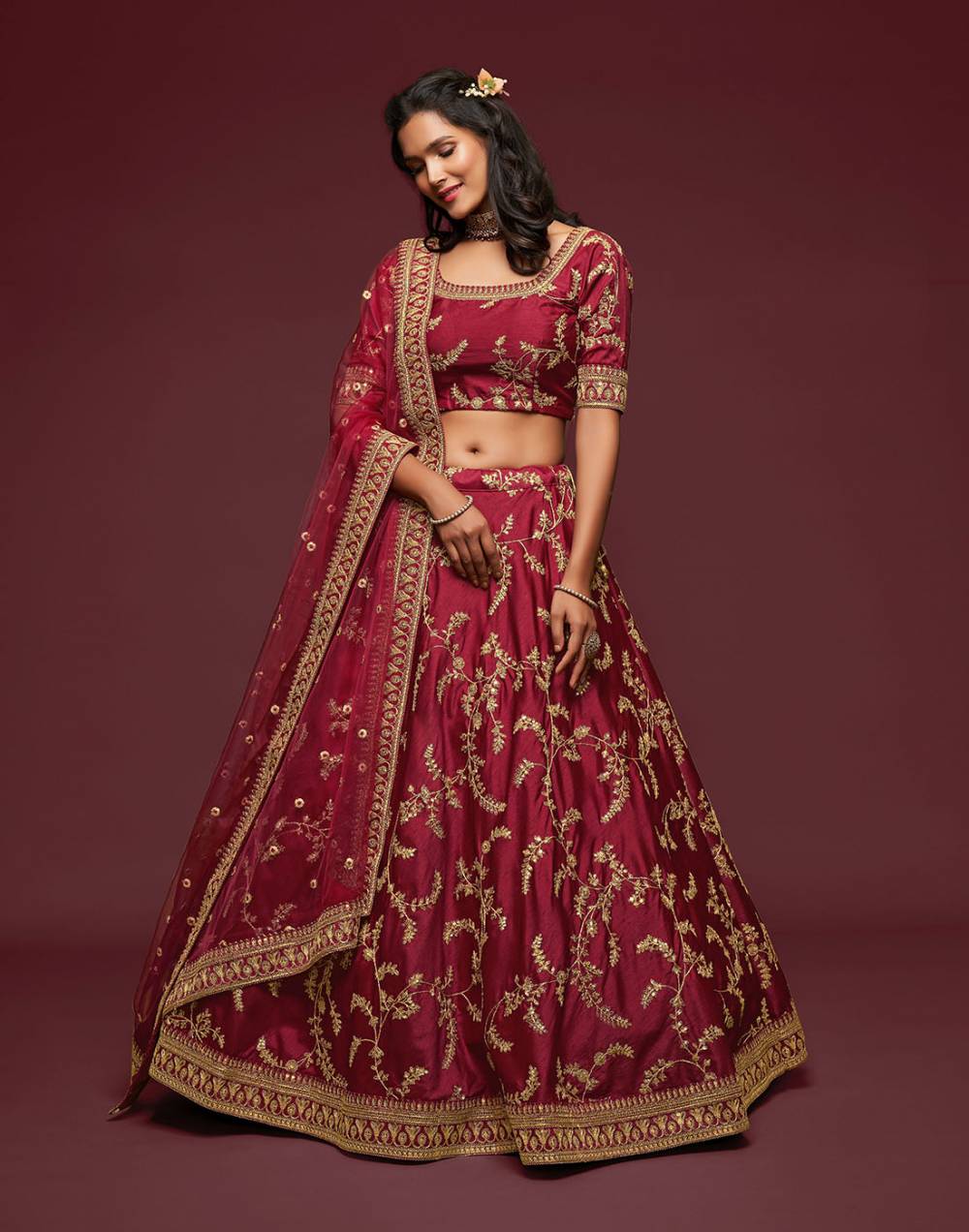
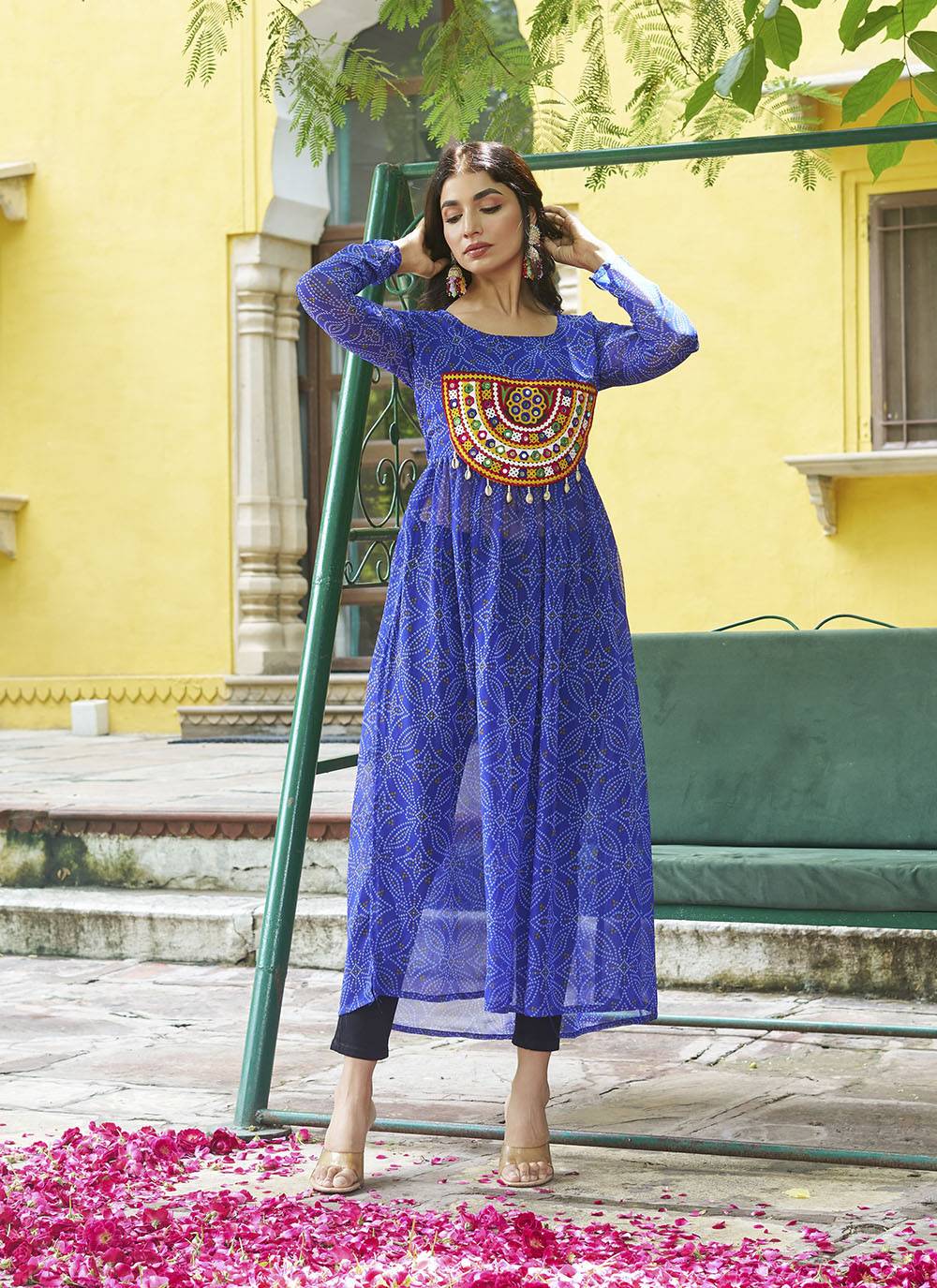
For years, shararas and ghararas sold as supporting cast: the bottom half of somebody's mehendi outfit, ordered as an afterthought alongside the kurtis. That has quietly flipped. A buyer in Durban now reorders sharara sets more often than any kurti programme she runs, and a Dubai atelier we supply lists them as their own line. Two things changed: occasions multiplied across mehendi, haldi, sangeet, Eid and garba, and customers figured out that the bottoms outlive the tops.
Sharara, Gharara, Farshi: Get the Words Right First
These three get mixed up on supplier listings, and the confusion costs real money, so here is the clean version:
- Sharara: wide and flowing from the waist or hip, built from vertical panels like a divided skirt, with the fullness running the entire length. Movement is the whole design.
- Gharara: fitted snugly to the knee, then exploding into dramatic flare below it, with decorative gota or zari bands wrapping the knee join. The knee band is the signature, and customers walk straight to it and check the workmanship.
- Farshi pajama: the historical Mughal cousin, fitted to the knee then falling flat and wide like a gown train. Dramatic, increasingly rare, and lovely for a heritage story on the hangtag.
All three descend from Awadhi court wear around Lucknow, which is a story your customers enjoy hearing and completely free margin.
Why These Bottoms Reorder
Two retail behaviours power the category:
The second-top effect. Sharara bottoms survive dozens of wearings while kurtis cycle. Customers come back for a second top in a different colour or lighter fabric to reuse the flare they already own. Sell mix-and-match kurtis on the same rack and you turn one purchase into a repeat relationship.
Occasion sprawl. Mehendi and haldi functions have multiplied across diaspora weddings, shararas have become standard garba-adjacent wear during Navratri in Gujarat-origin markets, and Eid parties in the Gulf and diaspora keep a year-round floor under the category. When one silhouette covers four occasions, reorders stop being seasonal spikes and become a rhythm.
Fabric and Flare Engineering
The flare is an engineering problem, and fabric choice decides whether it swings or hangs flat:
- Georgette and crepe, 60 to 90 GSM, with a lining underneath, are the standards. They carry volume without weight.
- Panel count drives the drama: 8 panels for party weight, 16 to 24 for full-flare occasion pieces. More panels mean more fall and more fabric, and the difference shows the moment the customer walks.
- Gharara knee bands take gota patti or zari work, which adds weight exactly where the silhouette needs swing. That weight is functional, not decorative.
- Waists: drawstring, elasticated, or both together. The both-together version fits the widest range of customers and reduces returns.
One practical note that saves garments: sharara hems should sit an inch above the floor on the customer. Hems that drag shred their hem tape within an evening, and the customer blames the suit, not her tailor. Train your staff to mention it. It is the kind of small honesty that builds a regular.
Pairing the Tops Correctly
- Ghararas want short kurtis, 28 to 34 inches, so the knee band stays visible. A long kurti over a gharara hides the entire point of the purchase.
- Shararas pair either way: straight long kurtis for dressy balance, crop tops and short angarkhas for younger buyers.
- Dupatta logic: net with gota lace for festive, chiffon for semi-formal, and none at all for casual sharara sets. On the casual sets, skip the dupatta and let the set read as easy wear rather than an incomplete occasion outfit.
Season Windows and Reorder Patterns
- Wedding season, November to February: mehendi and sangeet demand peaks; order the festive tier by September.
- Eid: order 8 to 10 weeks ahead of the retail peak, remembering that Ramadan's dates move roughly eleven days earlier each year.
- Navratri, September to October: sharara suits now sell into the garba crowd in Gujarat-origin markets. Bright, light, dance-friendly fabric only.
- College and school functions: a quiet but steady spring window for lighter sets.
Reorder behaviour matters more than the first order here. Sharara demand renews within three to four weeks during the season, so plan two waves of stock rather than one big drop: an opening depth in your best three designs, and a second landing mid-season before the first sells through. Shops that drop once and wait watch their best designs go dark at exactly the wrong moment.
The Volumetric Trap in Packing and Freight
Shararas and ghararas are the airiest garments in ethnic wholesale. A carton that swallows sixty kurtis holds perhaps 25 to 30 sharara sets, and volumetric weight rather than gross weight will drive the freight quote. Three habits keep it sane:
- Fold with tissue at the panels and avoid hard creases over gota bands and sequinned hems, because crushed embellishment does not always recover.
- Ask your supplier for carton specifications with the quote, so the logistics math happens before the booking rather than after.
- Budget steaming time on arrival. An hour with a steamer turns a flattened carton into a display rail, and it is the cheapest merchandising you will ever do.
That is the honest trade-off of the category: you pay in air and steaming minutes for the silhouette that reorders. In our experience it is one of the better trades available on the shelf.
Frequently Asked Questions
What is the difference between a sharara and a gharara?
A sharara flows wide from the waist or hip, with fullness through its entire length. A gharara is fitted to the knee and flares dramatically below it, carrying decorative bands at the knee join. The gharara is the more structured and embellished of the two; the sharara is the more fluid.
Which one sells better?
Shararas outsell in daily-party and younger markets because they are easier to wear and pair. Ghararas sell to occasion buyers and wedding parties, where the knee-band work justifies the ticket. A wall carrying both catches every customer in the category.
What fabrics work for the flare?
Lined georgette and crepe in the 60 to 90 GSM range are the standards, holding volume without weight. Heavier jacquards and silks work for wedding-tier pieces, and crushed textures hide travel creasing for e-commerce shipments.
Can customers mix tops with sharara bottoms?
Yes, and you should encourage it, because that is the reorder engine of the category. Stock mix-and-match kurtis and crop tops alongside the sets, and display one on a mannequin with a second top hanging nearby.
How should I handle sizing?
Waists are forgiving with drawstring and elasticated options, so grading attention goes to length. Keep an inch of floor clearance in every size and hold a petite length tier where your market needs it.
Do sharara sets ship well folded?
They ship folded with tissue but never compress as flat as kurtis, so carton densities run low and volumetric freight matters. Steam on arrival before display, and never press a hot iron directly over gota or sequin bands.
If you are planning a sharara and gharara wall for the coming season, tell us your occasions and market and we will propose the tier split, panel counts and a second-wave reorder plan. We courier sample sets to serious buyers and are happy to show knee-band construction and flare panels over a video call before you commit.
Sourcing ethnic wear for your business?
Our export team shares catalogues, MOQ and pricing tailored to your market — response within one business day.