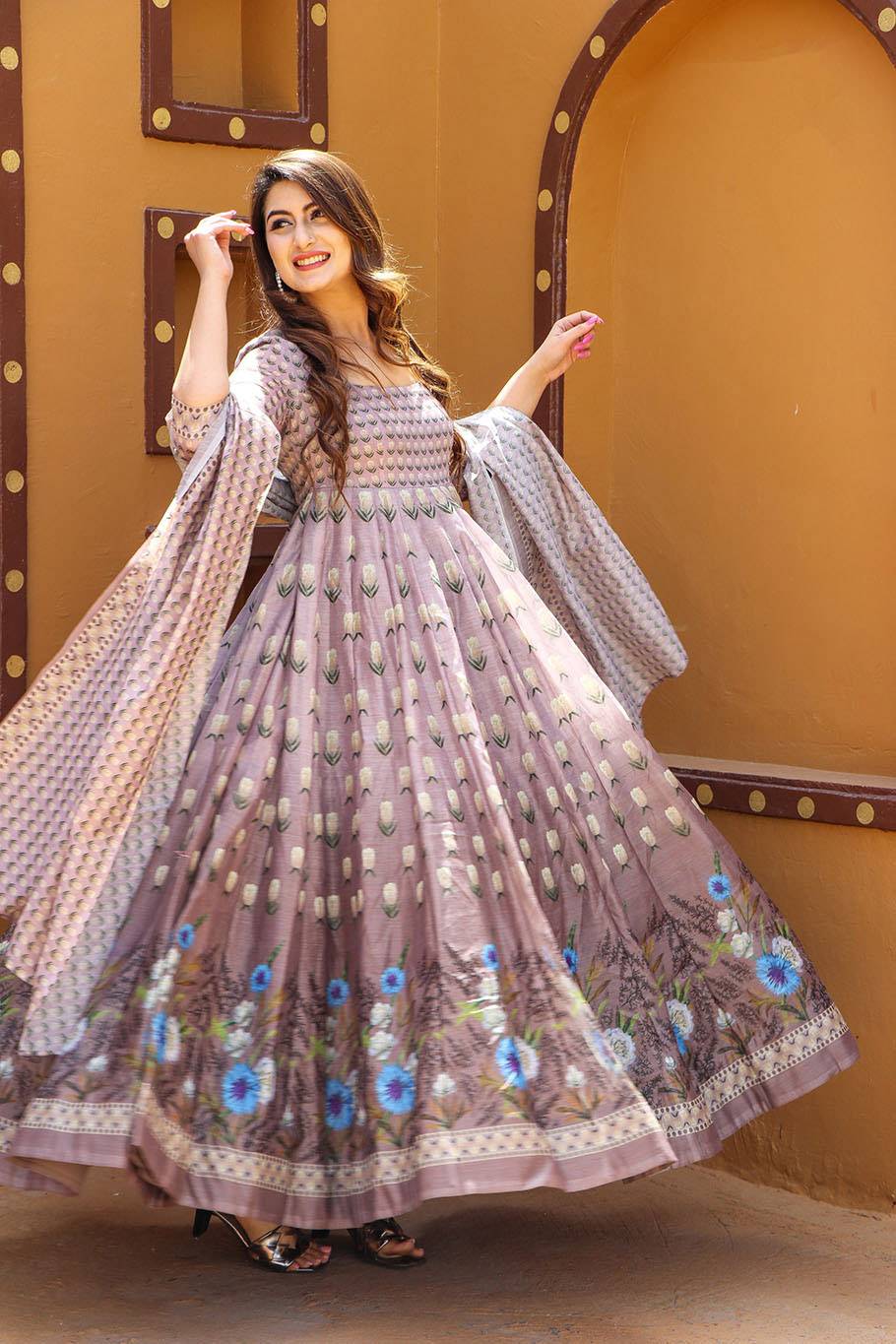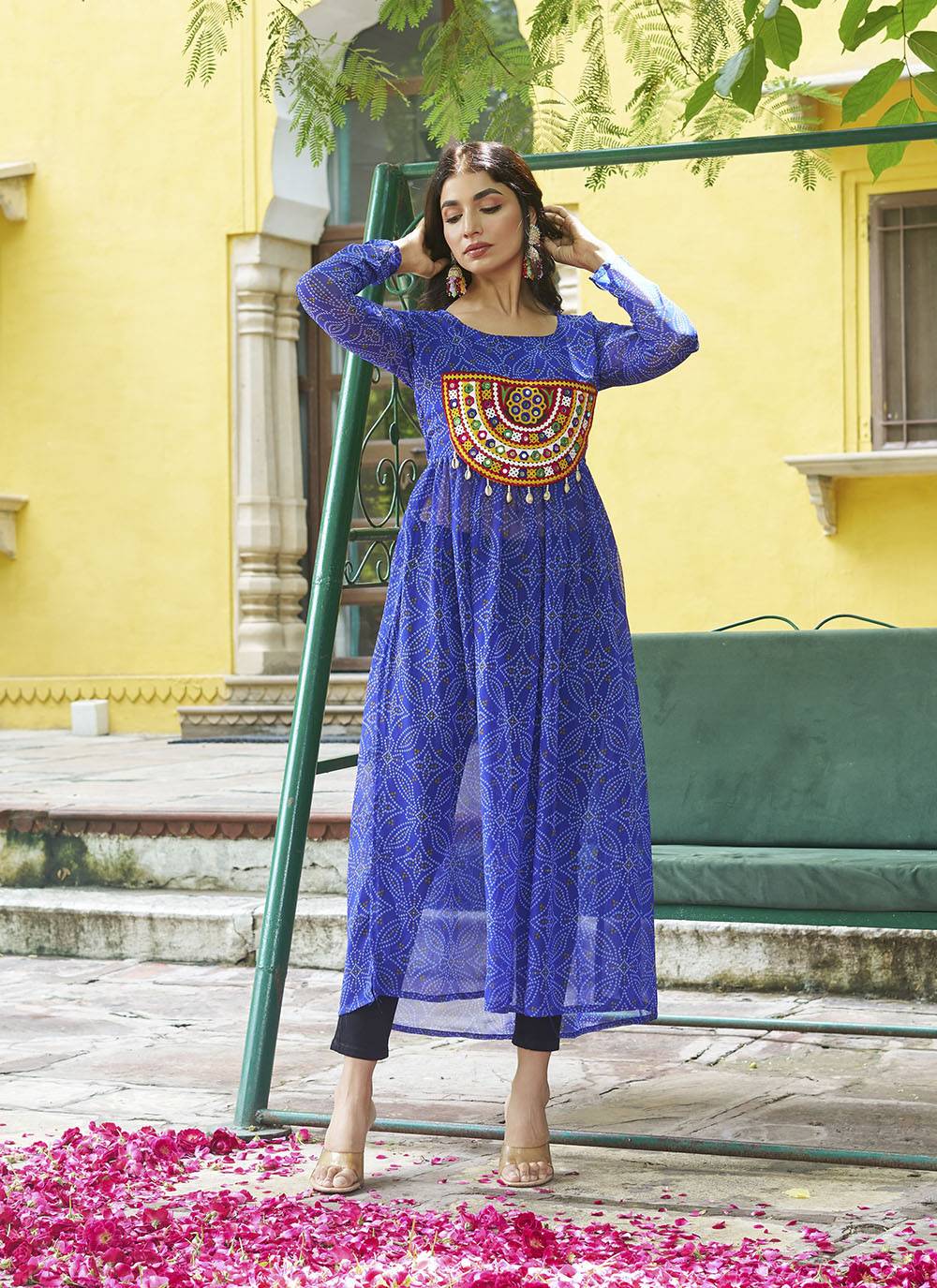
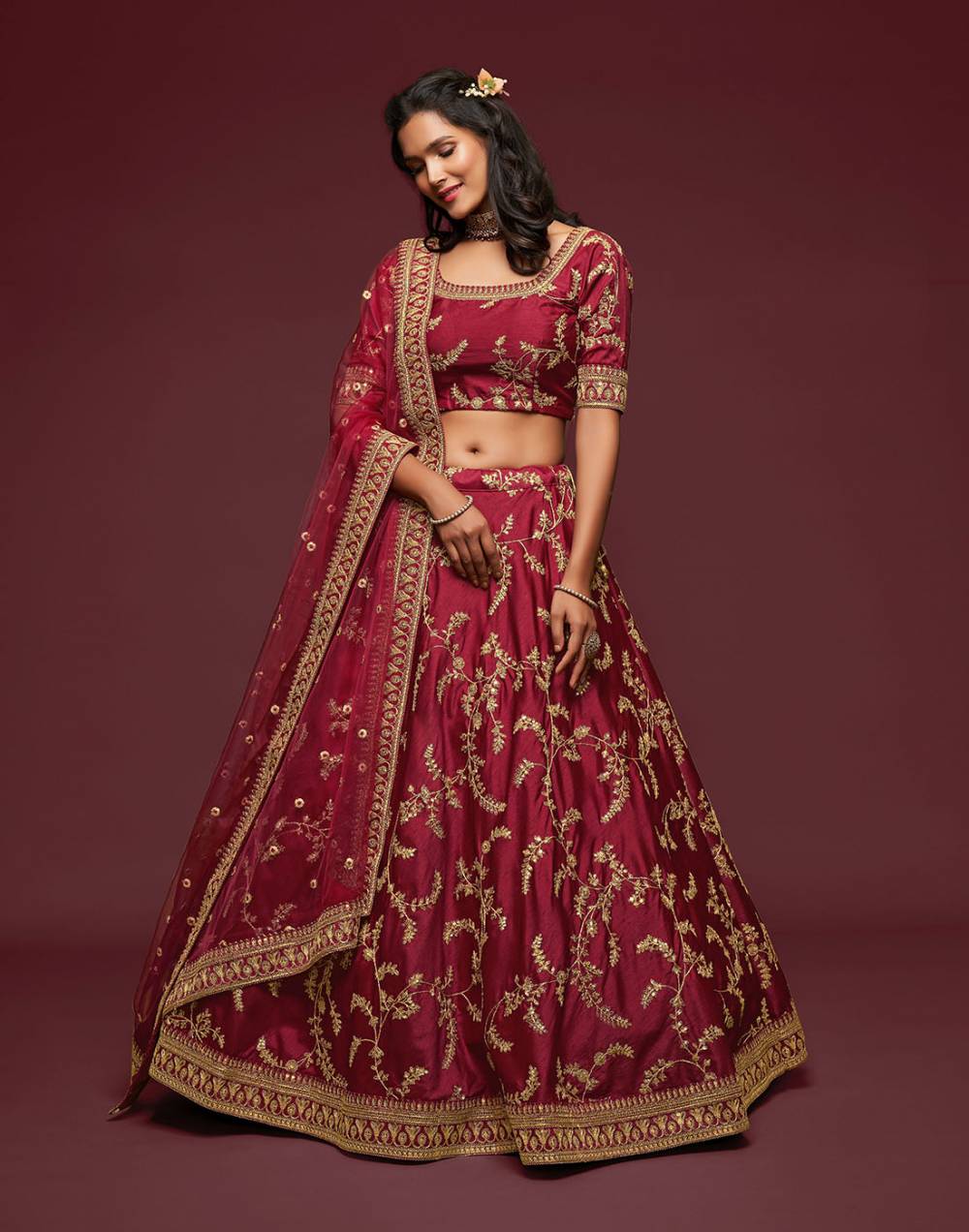
Ask a saree retailer on New Road what their year looks like and they will answer in festivals. Teej is red and green, Dashain is everything, Tihar is gifting, and the wedding season from November to February is the long tail that pays the rent. One buyer in Putalisadak put it to us plainly: in Nepal the saree is not a product category, it is the calendar itself.
Why Sarees Anchor the Nepal Retail Calendar
Start with Teej, in August or September. Women fast and dress in their best, and reds and greens dominate the racks so heavily that counters which misjudge the colour mix sit on dead stock until the following year. Then Dashain arrives in September or October, the biggest selling window in Nepal, when new clothes are close to a ritual purchase and sarees move in every band. Tihar follows with its gifting surge, and the wedding season stretches from November into February across the Terai and the Valley.
On our floor we treat the Nepal saree programme as four distinct drops, not one continuous order book. Construction, colour and packing all change with each drop. Buyers who order one flat lot for the whole year end up apologising in November, and we ship a rushed second lot exactly when truck space tightens.
Which Constructions Move in the Nepal Saree Market
The Nepal saree market splits cleanly by geography, and this is the first thing we teach a new buyer. In the Terai, from Birgunj and Butwal through Janakpur to Biratnagar and Itahari, the wardrobe culture is shared with Bihar and Uttar Pradesh. Daily sarees are printed cottons and soft cotton blends that wash easily and rotate fast. Festive sarees lean on soft art silks and woven-border constructions.
In the Valley and the hills, the demand skews toward drape-friendly constructions: georgette, chiffon, viscose and rayon blends, satin-series finishes, lighter embroidery. Office and college wear in Kathmandu wants a saree that survives a day on a scooter, not one that survives a wedding hall.
For the wedding tier, both regions converge on heavier woven borders and karigar embroidery, exactly where Surat's strength lies for a saree import from India programme. Within one city we source the printed cotton for a Nepalgunj daily counter and the heavy woven border for a Janakpur wedding shelf, then consolidate both into one truck-batch. Try that across two sourcing cities and watch documentation and freight multiply.
The Festival Bands: Buying Backwards from Teej and Dashain
Here is the discipline that separates profitable counters from struggling ones. A Teej order needs production booked by June, because reds and greens are running for every market that celebrates the festival and dye capacity fills early. The Dashain consignment should leave Surat by late August. Land transit is only three to six days to the border, so freight is never the constraint. Production slots are.
Our buyers who run clean saree wholesale Nepal programmes all follow the same calendar: Teej drop dispatched by early July, Dashain dispatch by late August, a small Tihar gifting lot in October, then wedding-season replenishment booked so it lands in November. Between windows they restock fast movers off photo confirmations, because a truck-batch from Surat reaches the Birgunj-Raxaul gate within the week.
Blouse Piece Discipline: The Detail That Decides the Sale
Nobody warns first-time buyers about blouse pieces, and it costs them real money. Every saree needs its blouse piece, and the blouse must be dyed to match the saree body, not merely resemble it. The failure mode is classic: the saree comes from one dye lot, the blouse from another, and under the fluorescent lights of a Putalisadak counter the shade difference is visible from the street. The customer walks.
On our floor the blouse piece is cut and dyed with the saree lot, packed inside the same cellophane roll, so the pair cannot separate in transit or at the counter. Running blouse cloth is standard for daily and festive bands; pre-cut pieces for the higher tier. Ask any supplier you evaluate how they handle blouse dye lots. The answer tells you whether they understand sarees or merely trade them.
Counter Display and Sell-Through
A bulk saree Surat programme succeeds or dies at the glass case. Nepali counters sell through recognition: the border pattern visible on the rolled edge, the first fold doing the selling. We pack accordingly: sarees rolled with pallu and border showing, cellophane sleeves that let counters stack vertically without crushing, and one or two open drape pieces per carton for display hanging.
Terai counters display differently from Valley counters, and packing reflects it. Birgunj and Janakpur shops display in deep stacks with the top saree doing the advertising, so uniform carton heights matter more than individual rolls. Kathmandu counters on New Road work narrower cases where every roll faces the customer. Tell us which format your counter runs; carton planning changes even when the sarees do not.
The Honest Part: Copying, Overstocking and the Case for Restraint
Two admissions from our desk. First, the saree trade copies fast: a print that moves in Dashain appears in five competing catalogues within weeks, so a counter that finds a winner should reorder immediately rather than protect the design, because protection is impossible and reorders are not. Second, the temptation after a good Dashain is to double the wedding-season order. Resist it partially. Wedding demand in Nepal is broad but rewards breadth of design over depth of quantity, and the counter carrying forty designs five deep beats the one carrying twenty designs ten deep, every season we have watched.
Ajmera Export: Your Trusted Saree Wholesale Nepal Partner
We are a Surat manufacturer-exporter with the saree chain inside one city: weaving in Bhagal and Katargam, processing in Pandesara and Palsana, embroidery in Umarwada, and the Ring Road trading floors where design options reset daily. For Nepal buyers that means one consolidated truck-batch: printed cottons for Terai daily counters, georgette and chiffon for the Valley, woven-border wedding stock for Janakpur and beyond, all with matched blouse pieces. Our documentation desk handles the Certificate of Origin under the Indo-Nepal Treaty of Trade, and first orders commonly run advance-against-documents settled in INR. Numbers stay on enquiry because your shelf mix shapes them. Message us your counter format and festival, and we will propose the lot.
Why Businesses Choose Ajmera Export
- Dyed-to-match blouse discipline: blouse pieces cut and dyed with the saree lot, packed inside the same roll
- Festival-window production slots: Teej and Dashain booking worked backwards from your shelf date, not our convenience
- Counter-format packing: rolls for glass cases, stack-ready cartons for Terai display rows
Frequently Asked Questions
Which saree types sell best in Nepal?
Printed cottons and soft cotton blends dominate daily Terai demand. Georgette, chiffon and viscose blends lead in Kathmandu and the hills for office and occasion wear. Soft art silks with woven borders and karigar-embroidered pieces anchor the wedding tier everywhere. The mix should follow your region: Terai counters run heavier on printed daily stock, Valley counters on drape-friendly constructions.
When should I order sarees from India for Teej?
Book production by June. Teej falls in August or September, and reds and greens run for every market celebrating the festival, so dye and print capacity fills early. Dispatch in early July gives comfortable margin for gate clearance and inland movement. Ordering in August means choosing from whatever the market has left rather than what your counter needs.
How do I import sarees from India to Nepal?
Road movement is standard. A truck-batch from Surat reaches the Birgunj-Raxaul gate in roughly three to six days, clearing with invoice, packing list and Certificate of Origin, which earns Indian-origin goods preferential customs treatment under the Indo-Nepal Treaty of Trade. Settlement commonly runs in INR through banking channels, with advance-against-documents the usual first-order structure.
Do wholesale sarees from Surat come with blouse pieces?
Ours do, and the detail matters more than buyers expect. The blouse piece is cut and dyed with the saree lot so the shades match under counter lighting, then packed inside the same cellophane roll. Running blouse cloth is standard on daily and festive bands, pre-cut pieces on the higher tier. When comparing suppliers, ask specifically how blouse dye lots are handled.
What is the saree market like in Kathmandu?
Concentrated and competitive. Retail counters cluster on New Road and Putalisadak, fed by a wholesale layer around Setopul and by imports routed through Birgunj. Valley buyers favour drape-friendly constructions that survive office and college use, with festive spikes around Teej, Dashain and the November to February wedding season. Display space is narrow, so rolls that sell from the first fold outperform loose stock.
Can I order sarees in small quantities for a Nepal counter?
Yes, through mixed-category minimums. A first lot can combine a handful of sarees with kurtis and dress material in one truck-batch, sharing freight across categories. The floor applies per category rather than to the whole order. This structure exists precisely so single counters can test the market before committing to a full saree programme.
What is the difference between Surat sarees and Banarasi sarees?
Banarasi refers to the classic Varanasi handloom tradition. Surat produces powerloom equivalents of the woven-border look at production scale, alongside georgette, chiffon, satin-series and printed constructions the handloom sector does not attempt. Most woven-border stock in Nepali retail traces back to Surat looms, with handloom originals a premium niche alongside.
How are sarees packed for wholesale export?
Counter-ready, in our case: sarees rolled in cellophane with pallu and border visible, packed in cartons sized for glass-case stock rather than warehouse handling. Valley-format packing favours vertical rolls that face the customer; Terai-format packing favours stack-ready uniform cartons. Tell your supplier your counter format before dispatch, because the carton planning changes with it.
Which border gate is used for saree imports into Nepal?
Birgunj-Raxaul carries the majority of Nepal-bound textile cargo and feeds the Valley efficiently. Eastern destinations like Biratnagar, Itahari and Damak route through Biratnagar-Jogmani or Kakarbhitta-Panitanki. Bhairahawa-Sunauli serves the Lumbini side, Nepalgunj-Rupaidiha the far west. The right gate depends on where your counter sits, not on the truck's preference.
How far ahead should I book production for Dashain sarees?
Book in June or July for a September or October festival. Production slots run out before truck capacity does, and the busy pre-Dashain weeks tighten everything from dye scheduling to gate queues. A dispatch leaving by late August lands comfortably; one leaving mid-September gambles on clearance timing in the busiest stretch of the trade year.
Conclusion
Saree wholesale into Nepal rewards buyers who think in festival windows rather than flat volumes: the right construction for the region, the right colour for the festival, blouse pieces dyed to match, and packing built for the counter format. Get those four right and the category carries the rest of the calendar. Send us your region, counter format and next festival on WhatsApp or through the enquiry form. Serious buyers get drape samples and a proposed drop structure before committing. The calendar is fixed; the advantage belongs to whoever books production first.
Sourcing ethnic wear for your business?
Our export team shares catalogues, MOQ and pricing tailored to your market — response within one business day.