Almost every truck we dispatch toward Nepal carries one town name on its paperwork, and it is not Kathmandu. It is Birgunj, the city opposite Raxaul through which the largest share of Nepal-bound cargo in any given year squeezes. Everyone in the trade quotes a slightly different figure for that share, but nobody argues about who leads.
Why Most Nepal-Bound Cloth Enters Through Birgunj
Geography did Birgunj a favour, and then the rail line doubled it. The Nepal trade gate label is literal: on the Indian side of Raxaul sits the rail-connected inland container depot, which links Nepal to the Kolkata and Haldia docks without a Nepali seaport ever being needed. Overseas cargo rolls in on freight trains, and domestic Indian cargo rolls in on trucks like ours, three to six days out of Surat depending on the season and the route taken through central India.
From the Birgunj side, the road network fans out. The highway to Kathmandu climbs via Hetauda and joins the main hill highway at Naubise. Terai towns string out along the east-west Mahendra Highway. A load that entered as one truck often leaves the yards as half a dozen smaller ones. A Surat programme does not end at the gate; it starts its second life there.
Indian textile trade lives on WhatsApp, and buyers who run the channel well outpace those who wait on email. Thread discipline, photo evidence, time-zone rhythm and escalation etiquette, from our side of the desk.
Most Surat textile trucks bound for Nepal finish their journey at the same border town. Here is how the Birgunj wholesale layer works, from Adarsh Nagar counters to Valley-bound re-export.
Ajmera Export 26 Nov 20258 min read
Adarsh Nagar and the Border-Bazaar Buying Pattern
Walk the lanes around Adarsh Nagar and you see a wholesale market operating two beats away from the border line itself. Shops stack cartons to the ceiling, buyers arrive by tempo and scooter, and deals close on shallow lots rather than season programmes. A shopkeeper from Kalaiya, or a retailer from deeper into the Terai, will lift a few dozen sarees, a couple of cartons of dress material, and be gone before noon.
This border-bazaar pattern has a packing consequence that first-time suppliers learn the hard way. Bazaar buyers want assortment density, so cartons carrying a single SKU slow them down. On our floor we pack bazaar cartons as spreads: one carton carrying a run of constructions and colourways within a single category, so a buyer lifts one box and walks away with a full counter refresh. Density still has limits, because a loader at the gate has to lift that box by hand at odd hours.
The Re-Export Layer Toward the Valley and the Hills
Here is the part that surprises buyers who have only worked the Kathmandu side. The Valley's big textile wholesalers rarely send trucks to Surat. They buy from Birgunj godowns. Goods arrive from India, get sorted, re-invoiced and reloaded onto smaller vehicles heading uphill. The Birgunj re-export trade is not some grey-market workaround; it is the standard wholesale layer of Nepali distribution.
The economics are simple and honest. Buying through Birgunj costs a margin layer, but it costs almost no working capital and zero coordination effort. Buying direct from Surat inverts that trade. Our largest Nepal programmes run direct to the buyer's godown, and our mid-sized ones happily sell into Birgunj stockists knowing they feed the Valley. Both models coexist because both earn their keep.
What the Birgunj Belt Actually Buys
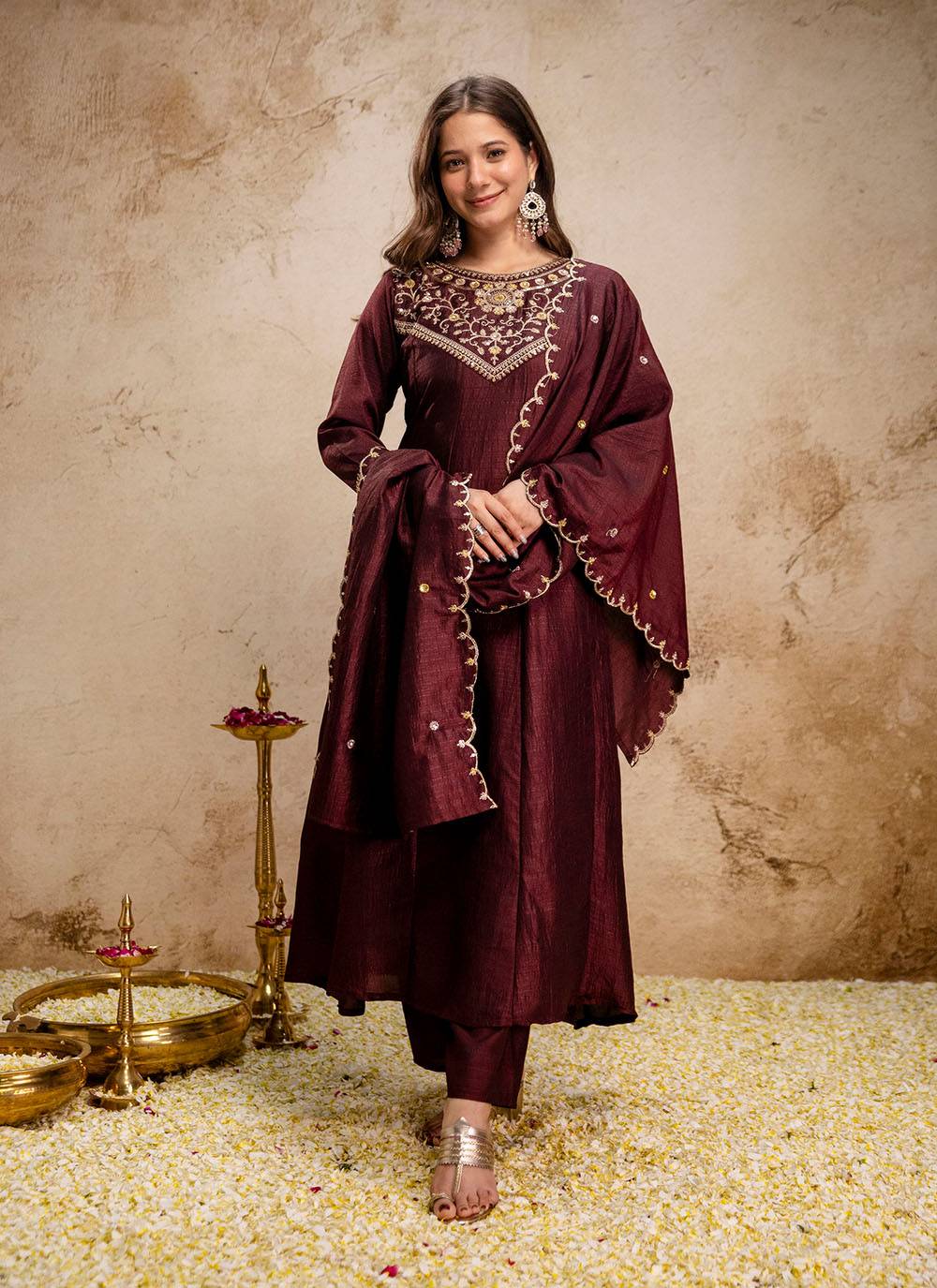
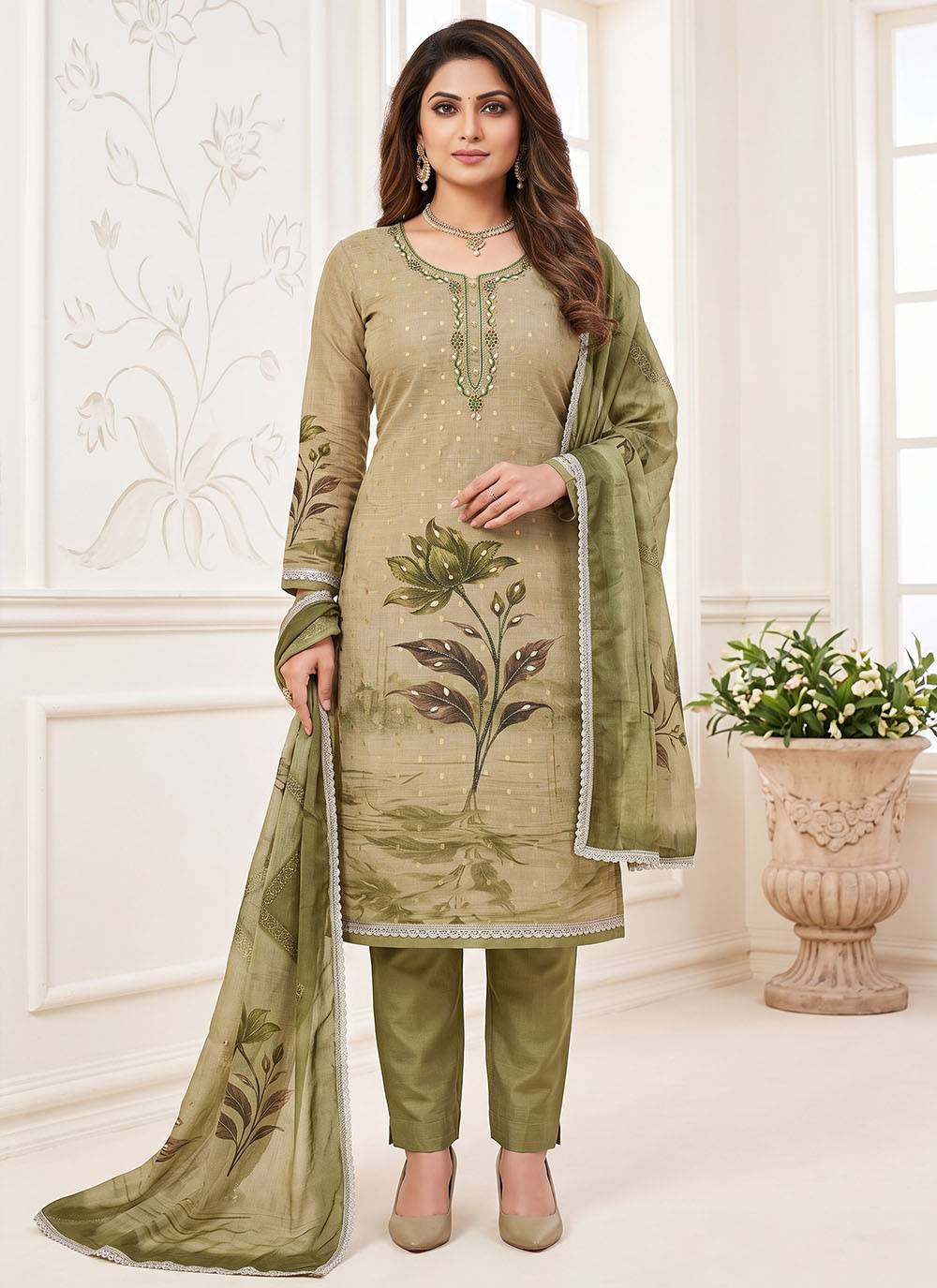
The Parsa and Bara districts share their wardrobe with Bihar and eastern Uttar Pradesh, so the Birgunj wholesale market leans hard on sarees and salwar suits. Daily-wear cottons in the 80 to 120 GSM band move in steady volume through the hot months. Then the calendar takes over. Teej in August or September pulls reds and greens first, Dashain in September or October is the single heaviest window of the year, Tihar follows within weeks, and the November to February wedding stretch carries embroidered weight through the cooler air.
Mix your programme accordingly. A pre-Dashain truck for the Birgunj belt in our experience runs festive-heavy, with roughly half its cartons carrying occasion wear and the rest daily rotation. By the time Holi comes around, that ratio has flipped back the other way.
Ordering for the Gate: Carton and Consolidation Discipline
Trucks into Birgunj are planned as one documentation set each. Invoice, packing list, Certificate of Origin and gate paperwork all describe the same quantities, weights and consignee, because the customs yard checks them against each other. A mismatch of even one carton between the packing list and the physical load can park a truck for a day, and yard storage ticks by the hour.
Carton discipline matters as much as paper discipline. Light chiffon and georgette cartons carry more pieces; heavy embroidered and velvet cartons carry fewer, since humans still stack them by hand at the yard. Every carton gets poly inner wrapping between June and September, because monsoon freight and cotton do not negotiate. Labels carry our buyer's own item codes, so their godown team can shelve stock without translating anything.
Ajmera Export: Your Trusted Birgunj Wholesale Partner
We run the Surat to Birgunj corridor as a routine, not an adventure. Our manufacturing and job-work base sits inside Surat's textile cluster, from the weaving sheds of Bhagal to the processing estates of Sachin GIDC and Palsana, which means Indian origin is native to our goods and the treaty paperwork follows naturally. Our desk prepares the full document set in-house, packs bazaar-spread cartons for border buyers and full-category cartons for godown buyers, and times dispatch against the festival calendar rather than the calendar of convenience. Tell us your gate, your district map and your shelf dates; we will tell you honestly what we can land and when. Pricing is shared on enquiry, samples go to serious buyers, and every timing promise we make is one we have kept before.
Why Businesses Choose Ajmera Export
One accountable desk: the person who quotes your programme is the person who chases the loom, the printer and the truck
Surat manufacturing depth: fabric, sarees, suits, kurtis and bridal pieces sourced steps from our own floor, not brokered blind
Festival-window discipline: dispatch plans built backwards from Teej, Dashain and Tihar shelf dates, not forward from factory convenience
Documentation in-house: COO, invoice and packing list prepared as one matching set before a wheel turns
Enquiry-only pricing: costs shared directly with serious buyers, never displayed and never guessed
Frequently Asked Questions
What is the Birgunj wholesale market known for?
Birgunj is Nepal's busiest trade gate, and its wholesale layer supplies the entire country. Textiles, groceries and hardware arrive from India, break bulk in godowns, and re-distribute toward Kathmandu, Pokhara and the hill towns. For ethnic wear, it holds the largest single concentration of saree and suit stock in Nepal.
Where is Adarsh Nagar and what can buyers find there?
Adarsh Nagar sits minutes from the Birgunj-Raxaul border crossing and functions as a border bazaar. Shops sell in shallow, mixed lots rather than season programmes, which suits retailers from the surrounding Terai districts. Expect sarees, dress material, kurtis and festive categories packed dense for quick counter turnover.
Why does most Nepal-bound cargo enter through Birgunj?
The Raxaul side holds the rail-linked inland container depot that connects Nepal to Indian seaports, and the Birgunj side controls the main highway toward Kathmandu. Geography and rail infrastructure concentrate cargo flows here. Most importers route through this gate even when their customers sit elsewhere in Nepal.
How does Birgunj re-export toward Kathmandu work?
Large consignments land in Birgunj godowns, get sorted and re-invoiced, then reload onto smaller trucks for the climb to the Valley. The stockist earns a distribution margin, and the Valley retailer avoids tying up capital in direct imports. It is standard wholesale layering, not a grey-market activity.
What textile categories sell best in the Birgunj belt?
Sarees and salwar suits dominate, matching the Madhesh wardrobe shared with Bihar and eastern UP. Daily cottons move year-round, while Teej, Dashain, Tihar and the November to February wedding season pull embroidered and heavier occasion wear. Kids ethnic wear spikes hard before Dashain for family photographs.
How long does trucking from Surat to Birgunj take?
Three to six days is the honest window, depending on route, season and yard congestion. The festival run-up stretches it toward the longer end. Add the border crossing and onward Terai delivery, and a Birgunj programme still lands well inside two weeks from dispatch.
When should Dashain stock reach Birgunj?
Count backwards from the festival. Shelf-ready stock should sit in Birgunj before the Ghatasthapana week opens the Dashain fortnight, which usually means dispatching from Surat in late August. Stock that arrives mid-festival sells at markdown, and late stock is the most expensive stock there is.
Do I need a Certificate of Origin to enter at Birgunj?
For Indian goods claiming preferential treatment under the Indo-Nepal Treaty of Trade, yes. A Certificate of Origin presented with the entry documents is what earns the preferential rate; without it, assessment proceeds like any third-country import. We prepare the COO as a standard part of every document set.
Can small Birgunj shops order directly from Surat?
Yes, though the sensible route is consolidation. Small shops either buy from Birgunj godowns at a layered margin, or group with neighbouring shops into one truck load from Surat to split freight and paperwork. Minimums become workable when mixed-category cartons are packed for bazaar assortment.
How do Birgunj buyers pay Indian suppliers?
Payments settle in Indian Rupees through banking channels, with Nepali banks holding INR arrangements with Indian correspondent banks. Advance against documents is the common first-order structure, with the balance remitted against scanned shipping documents. The NPR-INR peg keeps the pricing conversation stable.
Conclusion
Birgunj is not one more Nepali city on a sales map; it is the plumbing most of Nepal's cloth moves through. Understanding how its gate, its bazaar and its re-export layer behave tells you how to pack, when to dispatch, and whether your programme belongs on a direct truck or inside a godown relationship. If you supply the Terai, the Valley or the hills, start by supplying the gate properly. Send us your categories and volumes on WhatsApp or through the enquiry form, and we will plan a Birgunj-ready programme with you, samples included for serious buyers.
Incoterms decide who pays, who owns the goods and whose problem each leg of the journey is. A plain-language walk from EXW to DDP, with the risk-transfer moments that surprise first-time textile importers.
Tourist counters in Thamel, Lakeside and Boudha sell a narrower, stranger range than locals expect: statement pieces, easy-fit kurtis, wraps and woollens. Here is what actually moves and how to stock it.