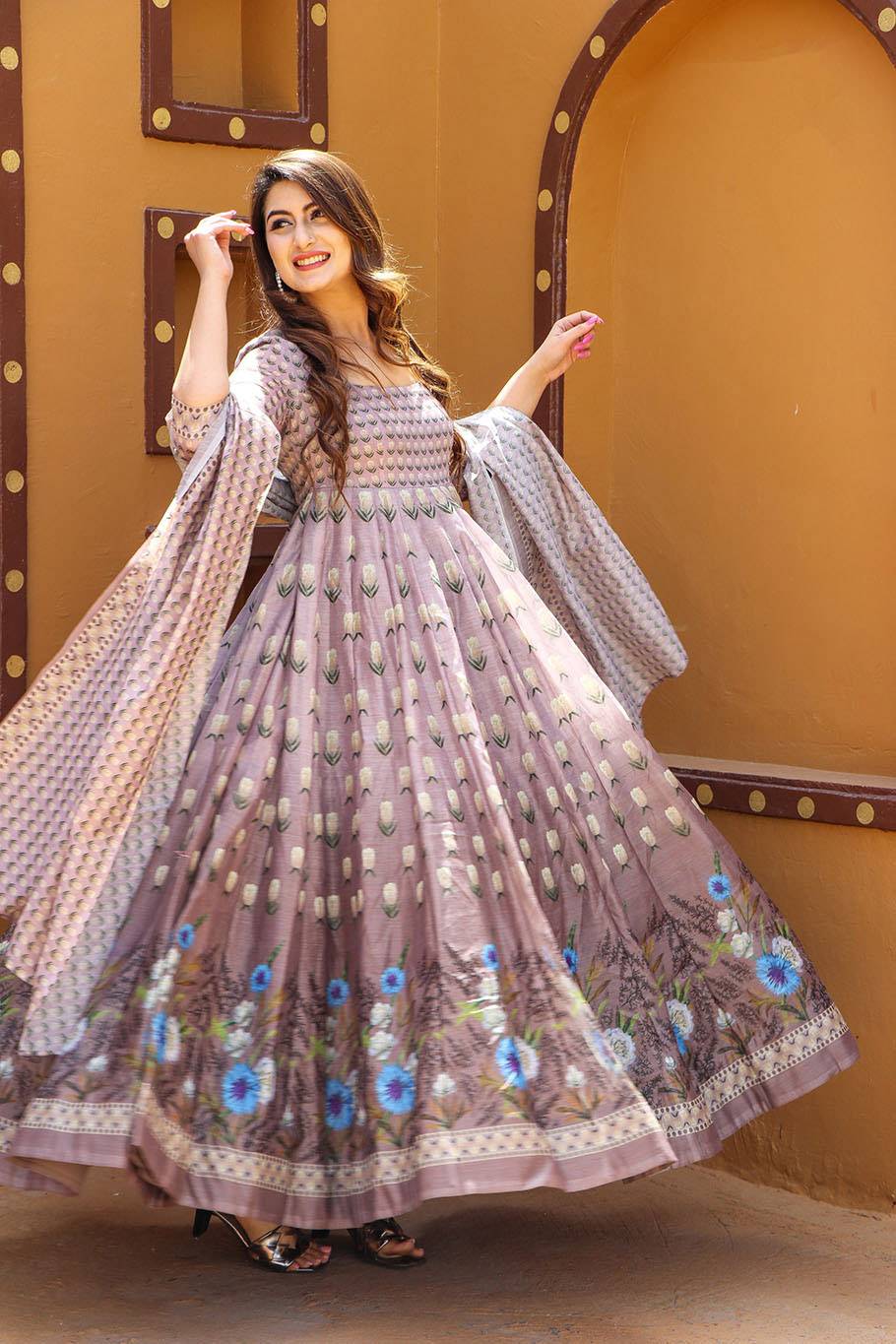
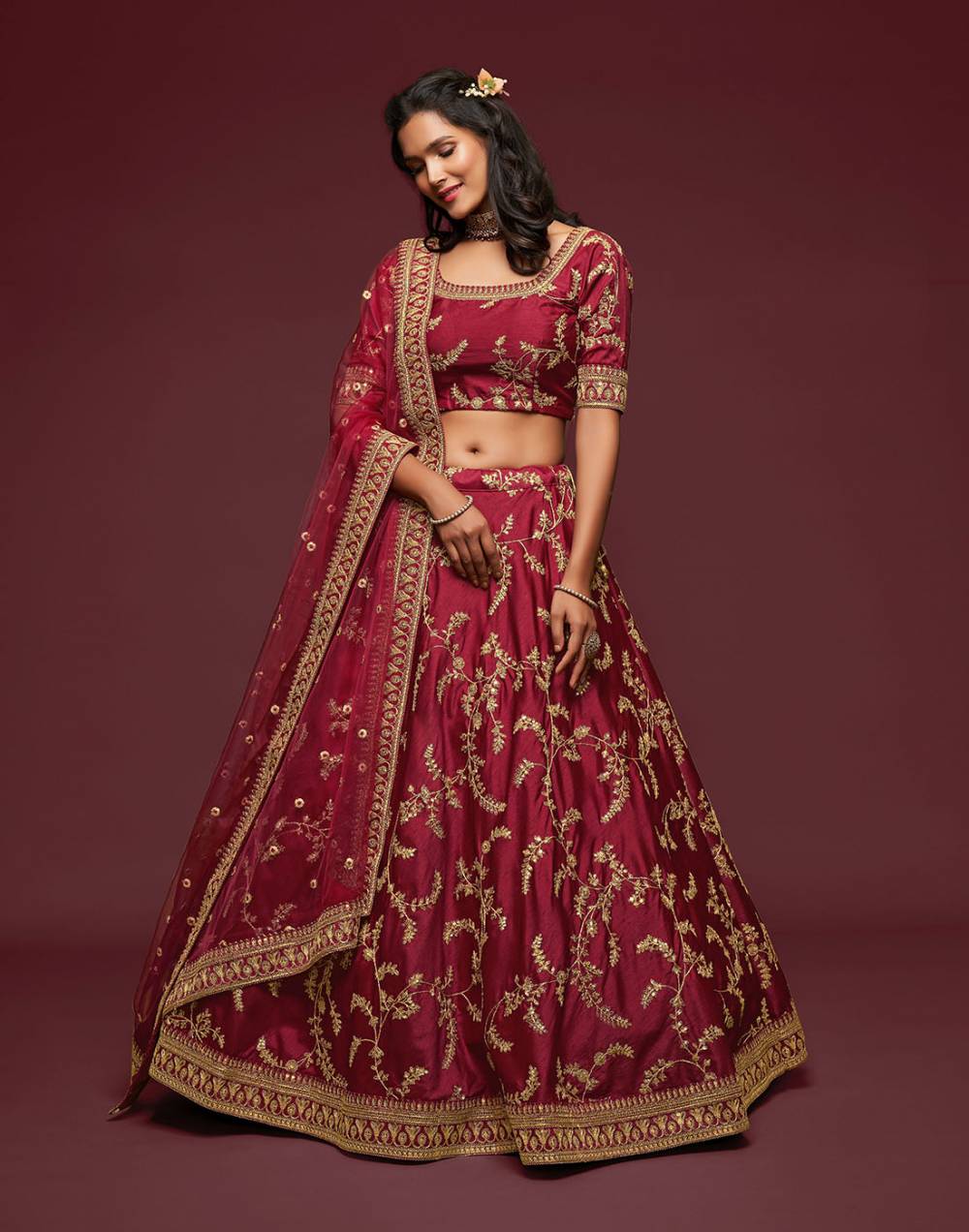
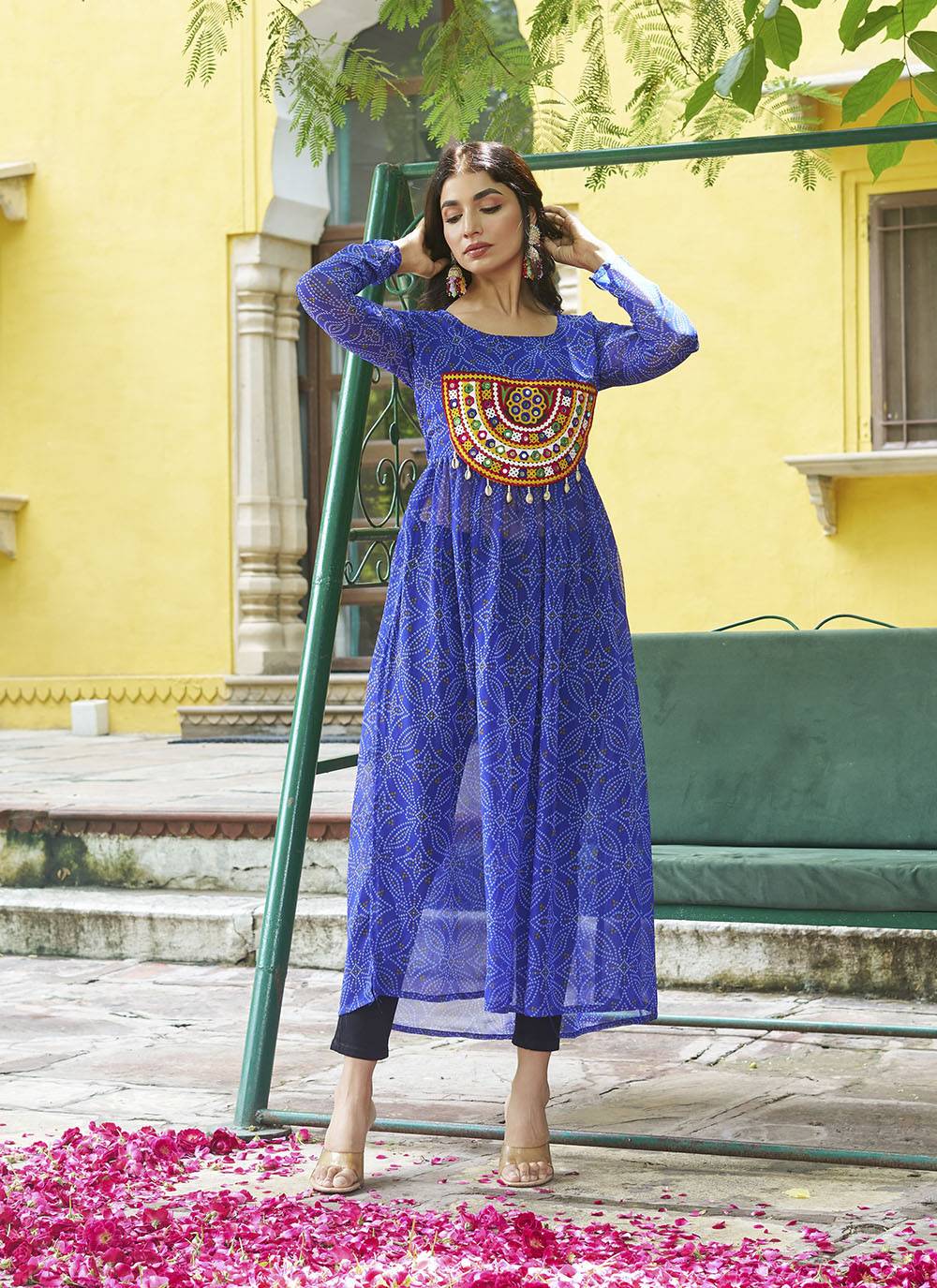
Boutique Sourcing in Lalitpur: Curated Ethnic for a Craft City
A boutique owner from Jhamsikhel once sent back thirty kurtis over a detail most wholesalers would never register: the hems were stitched down flat instead of rolled. Her customers, she told us on a call that ran an hour, read a hem the way a jeweller reads a hallmark. That single return taught our floor more about the Kathmandu Valley than any market report we have paid for since.
A Craft City Reads Seams, Not Tags
Lalitpur does not behave like a volume market, and it does not want to. The city sits inside Newari craft culture: woodcarving quarters, metalwork lanes, and a retail belt along Jhamsikhel and Pulchowk where shops look more like galleries than counters. The people who walk in include architects, jewellers, designers sourcing for their own labels, and diaspora families home for a festival.
What does that customer check first? The seam. The edge. The drape. survives on pieces that reward a second look, and that changes what a supplier must send. On our floor we grade boutique consignments for the Valley differently from bazaar lots: fewer pieces, tighter inspection, and finishing that assumes the garment will be turned inside out at the counter.
Hotel belts in Kathmandu, Pokhara and Chitwan run a quieter but steadier textile trade than any fashion counter. GSM bands, housekeeping lots and the reorder discipline behind hospitality linen programmes.
Lalitpur's boutiques buy like curators, not volume traders: small lots, handloom-adjacent textures and finishing that survives close inspection. This guide maps what the craft-city customer expects and how to run a small-lot sourcing programme from Surat.
Ajmera Export 30 Nov 20259 min read
Jhamsikhel retail
What Curated Ethnic Wear Means on a Lalitpur Shelf
Curated ethnic wear in this city is less a category than a discipline. A typical order runs twelve to twenty-four pieces per design, sometimes as few as six for a statement piece, spread across four to eight designs. The buyer is building a wall, not filling a rack, and she will refuse a full catalogue because forty designs read as forty compromises.
In practice, curation means rotation. The strong shops in the Jhamsikhel and Mangal Bazaar belt refresh every six to eight weeks, so a supplier who holds consistency across many small lots is worth more than one with a deeper catalogue. Our buyers tell us a capsule matched to the shop's wall colours outsells a generic bestseller dump by a wide margin.
Handloom-Adjacent Pieces That Earn Their Shelf Space
The Newari appreciation for craft translates directly into texture preference. Slubby cottons, silk-cotton blends and fabrics with visible weave character move faster than glass-smooth synthetics in this belt. For the Valley's warm months we run 100 to 120 GSM cotton voiles and mul-adjacent weaves; for the November-to-February wedding and winter stretch, 160 GSM and heavier silk-cottons and jacquards do the work.
One honest admission here. True hand-woven haku patasi, the black cotton saree with the red border worn by Newari women, belongs to valley weavers, and we do not pretend otherwise. What we supply is handloom-adjacent: power-loom fabric with slub yarns, hand-finished borders and a drape close enough that a boutique can carry the authentic piece and our everyday version side by side. That pairing, authentic plus adjacent, is itself a merchandising strategy in Lalitpur.
Finishing Details That Decide the Second Visit
If you are buying for this market, put these on your inspection list before anything else:
Saree edges: hand-rolled or picot, never a raw overlock showing through
Fall and pico attached with shade-matched thread, not approximately matched
Dupattas lined or tape-finished at the border so the reverse side photographs well
Kurtis with tacked rather than fused interlining, so a local tailor can alter without surgery
Tassels and tie-cords knotted by hand, because machine-knotted tassels shed within weeks
GSM and dye-lot consistent across the rotation, since the customer who bought the July piece will compare it with the September piece
We see these six points decide reorders more often than print or colour choice. Craft-city customers forgive a safe palette. They do not forgive a fraying edge.
Small-Lot Programmes From Surat to a Lalitpur Shelf
Boutique sourcing in Lalitpur only works when the supplier treats small lots as a programme rather than a favour. Our preferred structure is swatch-first: fabric samples and finishing references approved, a pilot dozen per design, then a rolling rotation planned a quarter ahead against the valley's festival windows. Indra Jatra in September and the Newari Mohani fortnight that runs with the national Dashain weeks are the anchors; a capsule that lands in the last week of August catches both.
Transit is simpler than most buyers expect. Dispatch from Surat by road reaches the Birgunj-Raxaul crossing in three to six days depending on route and season, and after border formalities an onward truck delivers into the Valley. For boutiques we pack per-shop: cartons labelled with the boutique's name and design codes, one packing list per box, so a twelve-piece lot never gets buried inside a consolidated bazaar consignment. Documentation follows the Indo-Nepal Treaty of Trade, with the Certificate of Origin prepared on our side so Indian-origin goods clear with preferential treatment.
Mistakes First-Time Boutique Buyers Make
Three errors repeat. Deep orders on single designs, when this customer base rewards rotation over repetition. Skipping grading above XL, when the best-paying customers in this belt often need the larger sizes. And ordering against the national festival calendar alone, which misses valley-specific windows like Sithi Nakha in May-June, when households mark the season with community feasts and shops see steady footfall between the famous festivals.
None of these are expensive to fix. They only need a supplier who has watched the Valley's counters long enough to know where the calendar bends.
Ajmera Export: Your Trusted Boutique Sourcing Partner
We are a Surat-based manufacturer-exporter of ethnic wear and fashion fabric, and boutique programmes like Lalitpur's are a quiet specialty of our desk. We run small-lot capsules with swatch-first approvals, hand-checked finishing, per-boutique carton labelling and rolling rotations planned against the Kathmandu Valley's own festival windows. Our loom-side access in Surat lets us hold dye-lots consistent across a season of small drops, and our documentation desk prepares invoices, packing lists and the Certificate of Origin for smooth clearance at Birgunj or Biratnagar. Pricing is enquiry-only and quoted against your programme, never displayed. Send us your categories and shelf dates, and we will tell you honestly whether we are the right desk for your shop.
Why Businesses Choose Ajmera Export
One accountable desk: a merchandiser who follows your lots from loom to carton
Small lots as programmes: pilot dozens and rolling capsules, not favours
Finishing to spec: hand-rolled edges, picot, lined dupattas, shade-matched fall thread
Dye-lot consistency across a season of small rotations
Paperwork done once, done right: invoice, packing list, Certificate of Origin under the Indo-Nepal Treaty of Trade
Frequently Asked Questions
What should I stock for boutique sourcing in Lalitpur?
Small-lot curated capsules: handloom-adjacent cottons and silk-cottons, sarees with hand-finished edges, lined dupattas, kurtis with proper interlining, and a few statement pieces in black-and-red palettes that echo Newari dress culture. Rotation matters more than depth, so plan four to eight designs refreshed every six to eight weeks rather than large quantities of a single style.
How many pieces per design do Lalitpur boutiques usually order?
Twelve to twenty-four pieces per design is the working norm, with six-piece statement lots for premium walls. Consolidate several designs into one monthly consignment so truck freight spreads across more pieces, keeping the per-piece landed cost workable without giving up the small-lot character this market rewards.
Which fabrics suit a Newari boutique customer base?
Slubby and textured weaves outperform glass-smooth synthetics here. Think 100 to 120 GSM cotton voiles for the warm months, 160 GSM and heavier silk-cottons and jacquards for winter, and black-with-red-bordered pieces that sit naturally beside the haku patasi. Visible weave character is a selling point, not a defect, in this belt.
Do Lalitpur boutiques sell sarees or mainly kurtis and dupattas?
All three, but sarees behave differently: they sell as occasion pieces around festival weeks and the November-to-February wedding season, while kurtis and dupattas sell year-round to designers and regulars. A balanced wall carries everyday kurtis, a rail of dupattas, and a small saree capsule timed to land before Indra Jatra and Mohani.
How do I keep small-lot orders workable from Surat?
Ask for a programme rather than one-off orders: swatch approvals, a pilot dozen, then a rolling rotation on a fixed calendar. Consolidate several designs into a single monthly truck consignment and have cartons labelled per boutique. This structure spreads merchandising attention and freight sensibly across the season.
Can I get handloom-look fabric at wholesale programme volumes?
Yes, through power-loom constructions that use slub yarns, uneven picks and hand-finished borders to reproduce handloom character. For fully hand-woven pieces like an authentic haku patasi, valley weavers are the right source; our role is the everyday rotation stock beside them. Carrying both is a strategy many Lalitpur shops use well.
How long does shipping from Surat to Lalitpur take?
Road transit from Surat to the Birgunj-Raxaul border gate typically runs three to six days depending on route and season, followed by border formalities and onward carriage into the Valley. Plan production lead time on top: stock-supported lines move fastest, while fresh weaving, dyeing or embroidery adds weeks to the schedule.
Do I need a Certificate of Origin for exports to Nepal?
Yes, and it is worth the discipline. Under the Indo-Nepal Treaty of Trade, Indian-origin goods accompanied by a proper Certificate of Origin receive preferential customs treatment. We prepare the certificate with the invoice and packing list on our side so your broker at Birgunj or Biratnagar is not chasing paperwork after the truck arrives.
What finishing details should I insist on for premium boutique stock?
Hand-rolled or picot saree edges, shade-matched fall and pico, lined or tape-finished dupatta borders, tacked rather than fused interlining in kurtis, and hand-knotted tassels. These are the details craft-city customers inspect at the counter, and in our experience they drive reorders more reliably than print or colour choice.
How do I place a first order with Ajmera Export for boutique stock?
Send an enquiry through our form or WhatsApp with your categories, target shelf dates and rough quantities. We respond with swatch-worthy options and a suggested capsule, then run a pilot dozen before committing to a rotation. Pricing is quoted against your programme on enquiry, never displayed online.
Conclusion
Lalitpur rewards suppliers who sweat the small stuff and quietly drops those who send bazaar defaults to a craft shelf. Get the finishing right, keep the lots small and rotating, and time landings to the valley's own calendar, and a dozen designs can outperform a forty-page catalogue. If you are planning a curated ethnic programme for Jhamsikhel, Pulchowk or Mangal Bazaar, message us on WhatsApp with your categories and shelf dates, or send the enquiry form. Serious boutique buyers get samples, and samples are where this market's trust begins.
A retailer's guide to stocking sherwanis profitably: why eight sample pieces beat eighty, how the booking model removes dead stock, and which fabrics and sizes cover most grooms. Includes packing, care and the calendar from order to aisle.
Sharara and gharara construction, fabric engineering and the second-top effect that drives reorders all season. Includes pairing rules, festival windows and the volumetric packing notes that keep freight honest.