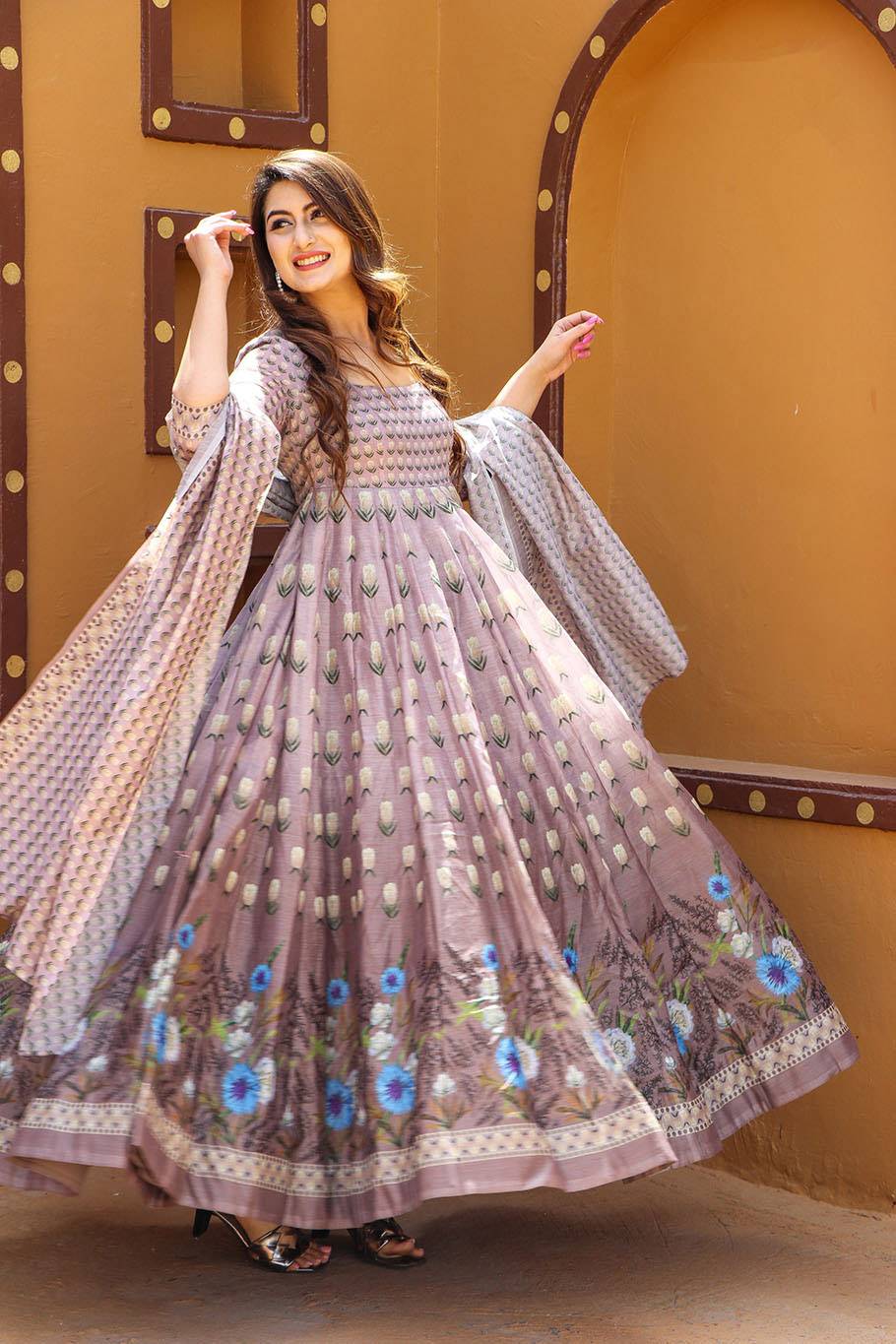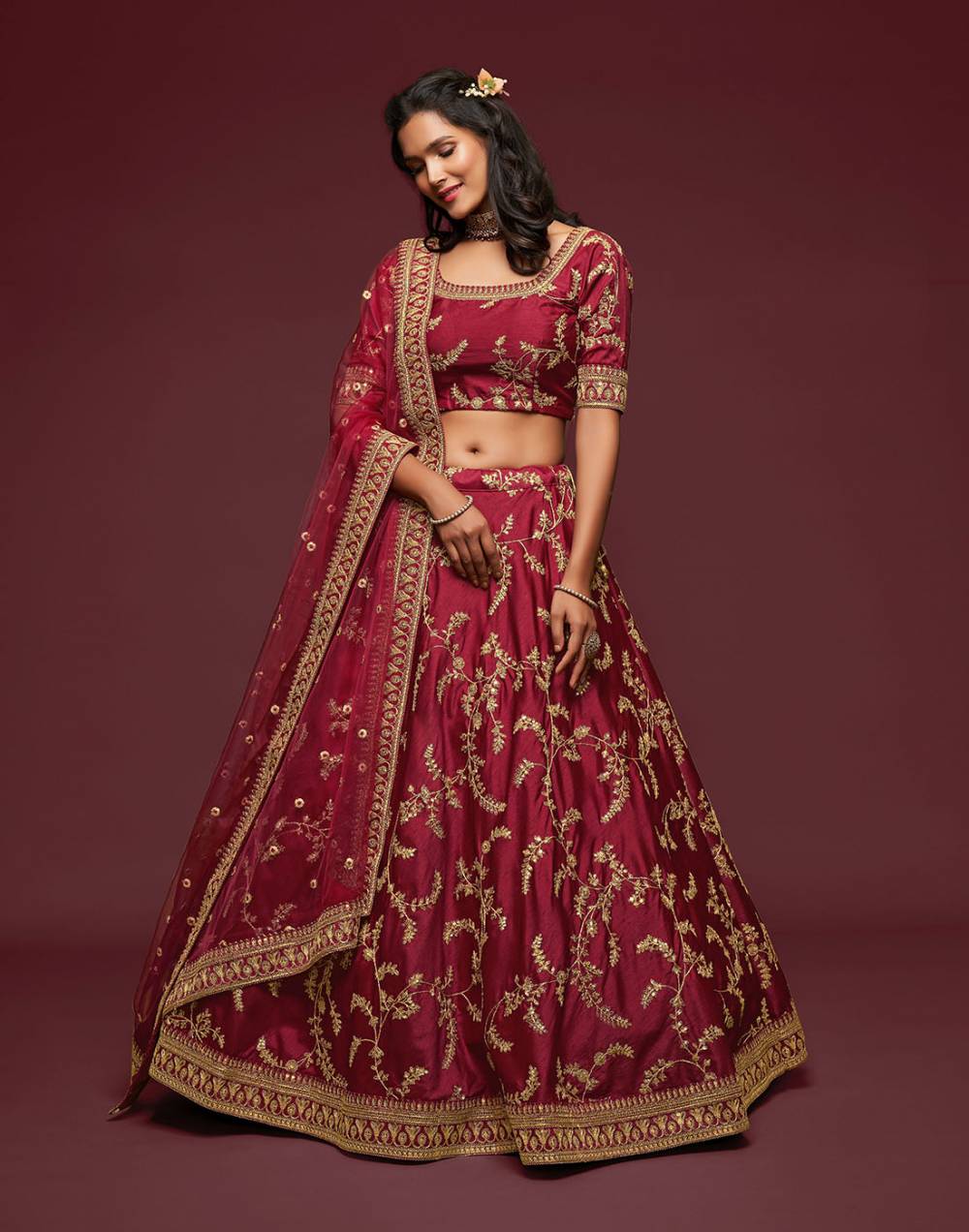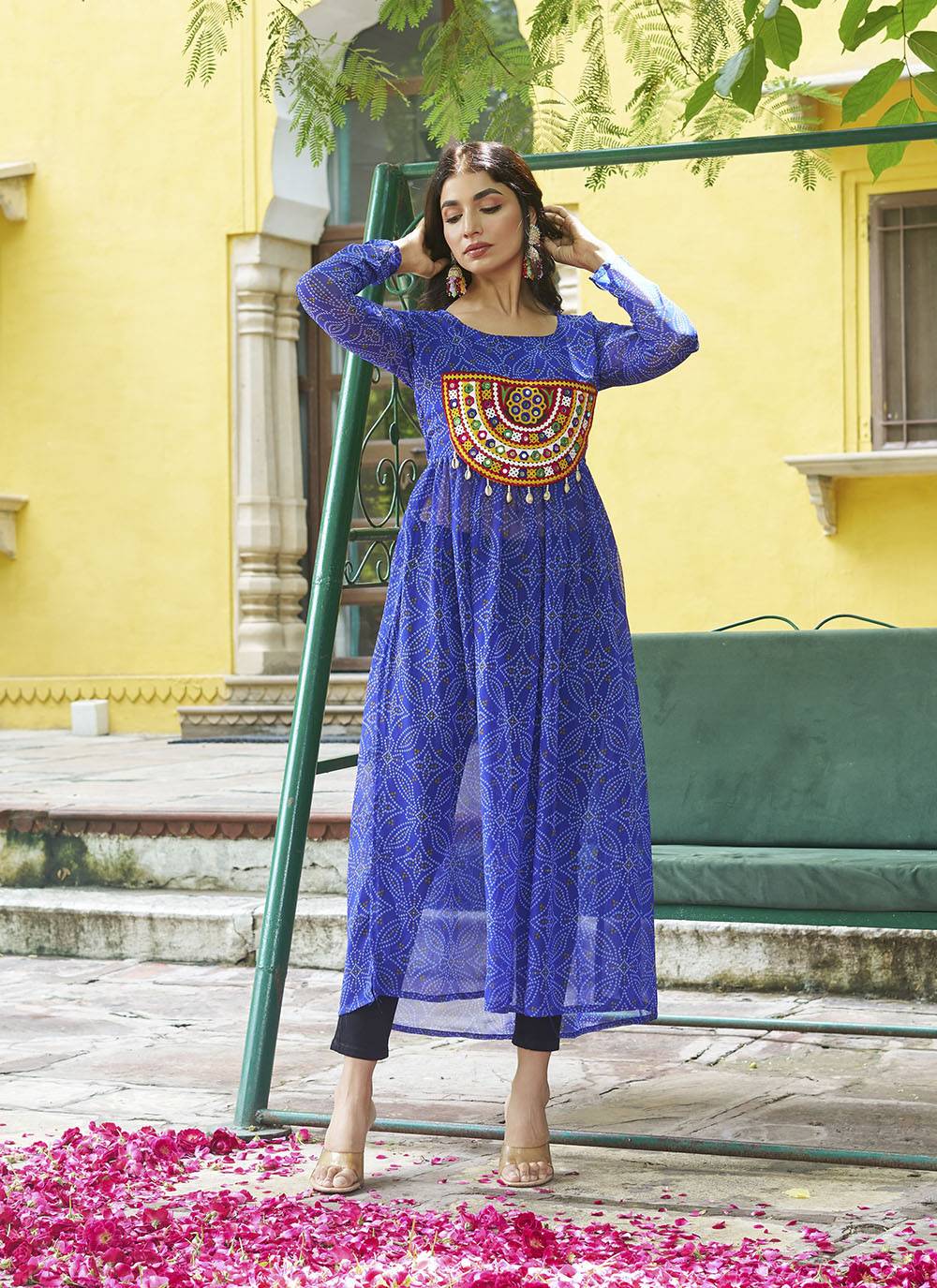
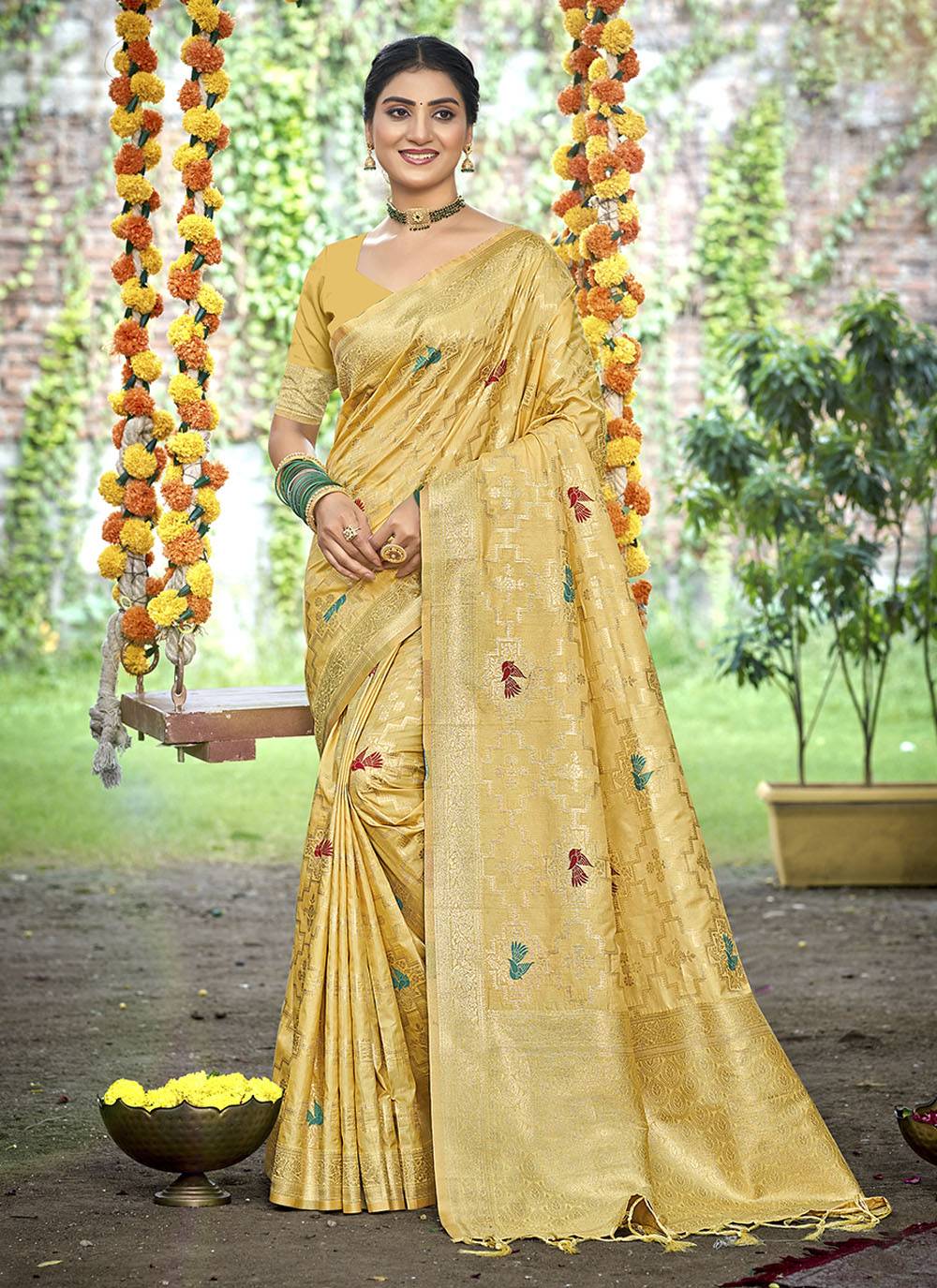
A boutique owner in Chicago once ordered twelve bridal lehengas purely on instinct: the heaviest, most dramatic pieces she could find. Three sold that season. The 6-kilo showpiece with dense zardozi sat on her mannequin for two years, photographed beautifully, and never once went into a garment bag for a customer. Her mistake was not taste. She had ignored weight tiers, and weight is the first spec in this category, not the last.
We have packed bridal lehengas for boutiques across our export markets, and the pattern holds everywhere: the shops that treat bridal as a structured programme outperform the shops that treat it as a jewellery-box fantasy.
Weight Tiers by Occasion
Learn these four bands and buy against them deliberately:
- Ceremony weight (5 kilos and up). Dense zardozi, dabka coils, real zari borders, four or more layers of can-can with canvas at the hem. One piece per shop as the anchor, mostly made-to-order rather than stock.
- Reception weight (3 to 4 kilos). Sequin and threadwork mix, structured flare. This is the actual sellable bridal tier: the piece the bride's mother approves after the bride falls in love with the anchor.
- Engagement and shoot weight (1.5 to 2.5 kilos). Lighter embroidery, softer flare, camera-friendly. In our experience this tier turns fastest, because it also catches the wedding-guest market.
- Function weight (under 1.5 kilos). Haldi, mehendi, pujas. Often handled better by shararas and anarkalis than by lehengas, so treat this as a cross-sell into other categories rather than a light lehenga buy.
The counter-intuitive part: heavier almost never means better margin. The heaviest pieces sell to one customer on one date, carry the biggest alteration burden, and age on display. The mid tiers sell to several customer types all season.
Reading the Work
Embroidery names get thrown around loosely, so here is the vocabulary that actually changes cost and durability:
- Zardozi is hand metal-thread work: dabka springs, salma coils and sitara sequins stitched on with needle and thread. Slow, expensive, and impossible to reorder identically.
- Machine sequin embroidery is chain-stitched, consistent, and reorderable within a season.
- Gota patti is appliquéd ribbon work: light, festive, and very forgiving in wear.
- Cutdana and mirror work add sparkle at lower density, and they add weight at the hem, which changes how a lehenga swings.
Ask your supplier which parts of a piece are hand and which are machine, and get it in writing. The honest trade-off in this category is simple: machine work is what makes reorders possible, and hand work is what makes the one anchor piece worth displaying. Buying handwork in depth is how boutiques end up with inventory that photographs better than it sells.
Flare, Panels and the Fitting Problem
Flare numbers decide both the drama and the alteration bill. A kalidar lehenga built from 16 or 24 panels swings differently from an 8-panel A-line. A 6-metre flare trails a bride across a stage; an 8-metre flare needs managing on stairs. Can-can comes in layers, two for reception weight and five or more for ceremony, with canvas or buckram at the hem to hold structure. More structure means more alteration time when the customer needs the waist taken in.
Bridal is appointment retail, so plan for it:
- Stock standard sizes rather than made-to-measure for your depth tier, and line up a local tailor with a quoted turnaround you trust.
- Keep blouses semi-stitched with generous seam allowances. Every bride is a fitting, and semi-stitched gives your tailor room to work.
- Run S to XXL with generous bust ease, because bridal customers expect alterations anyway. The sin in this category is a bodice that cannot be opened.
The Buying Calendar
Bridal buying is calendar work, not mood work. The US and UK wedding seasons run May to October, with diaspora weddings clustering in the summer, and the Indian wedding season adds a November to February wave. Embroidered production runs 6 to 10 weeks, then add 4 to 6 weeks at sea out of Nhava Sheva, plus customs and the inland move. Work it backwards:
- For the summer season, order by February, latest early March.
- For the November window, order by August.
- Air freight exists, and for a genuine wedding emergency it earns its keep. For routine first orders it almost never does. A boutique that plans February properly outcompetes a boutique that panics in April.
Inventory Habits That Protect Margin
The boutiques that do bridal well share habits we see across our buyers:
- One anchor piece per colour story, surrounded by reorderable mid-tier pieces in the same palette.
- A made-to-order twin offered against the anchor, so the look can be sold repeatedly while your display stays whole.
- Rotation every three to four weeks, with steaming before weekends, because bridal browsers are repeat browsers who notice a stale rail.
- Insurance on high-value cartons, and carton math done in advance: heavy embroidered lehengas pack four to six pieces per carton versus 25 to 30 light kurtis, so volumetric weight is part of your freight picture. Do not let a forwarder surprise you after the booking.
Frequently Asked Questions
How many bridal lehengas should a small boutique stock?
A workable start is 8 to 12 pieces: one or two ceremony-weight anchors, four or five reception-weight pieces across two colour stories, and the rest engagement-weight. Depth in the mid tiers beats width across twenty designs, because bridal buyers decide within a colour story, not across one.
What sells first, red or other colours?
Red and deep maroon still anchor the ceremony buy, but the growth sits in wine, ivory and pastel receptions, plus emerald for winter weddings. In many boutiques we supply, the reception tier now outsells the red anchors. Keep one true red, then build the story around it.
Should blouses come stitched or semi-stitched?
Semi-stitched, with margin fabric and lining included. Every bridal blouse is a fitting waiting to happen, and a fully stitched blouse closes your alteration options. Ask your supplier to include a spare strip of fabric per piece for patching and sleeve adjustments.
Can I reorder a bridal design mid-season?
Machine-embroidered mid-tier pieces, yes, within dye-lot reason. Hand zardozi anchors, rarely identically, because hand work and dye lots both drift. Plan reorders around the machine tiers and treat hand pieces as one-and-done.
How far ahead should bridal orders be placed?
Six to eight weeks of production plus 4 to 6 weeks at sea for embroidered stock. That means February for the northern summer season and August for the November window. Handwork commissions start earlier still.
What about plus-size bridal customers?
Ask for XXL and custom-cut pieces in the mid tiers rather than only in the anchors. A-line and kalidar silhouettes grade up well, and semi-stitched blouses carry the fitting flexibility. It is one of the quietest unmet demands in this category.
Running a boutique and want bridal weight tiers matched to your customer base before you commit? Send us an enquiry with your market and season, and we will suggest an assortment split. We courier sample pieces to serious buyers and can show construction, can-can layering and embroidery density on a video call, so you know exactly what the carton will hold.
Sourcing ethnic wear for your business?
Our export team shares catalogues, MOQ and pricing tailored to your market — response within one business day.