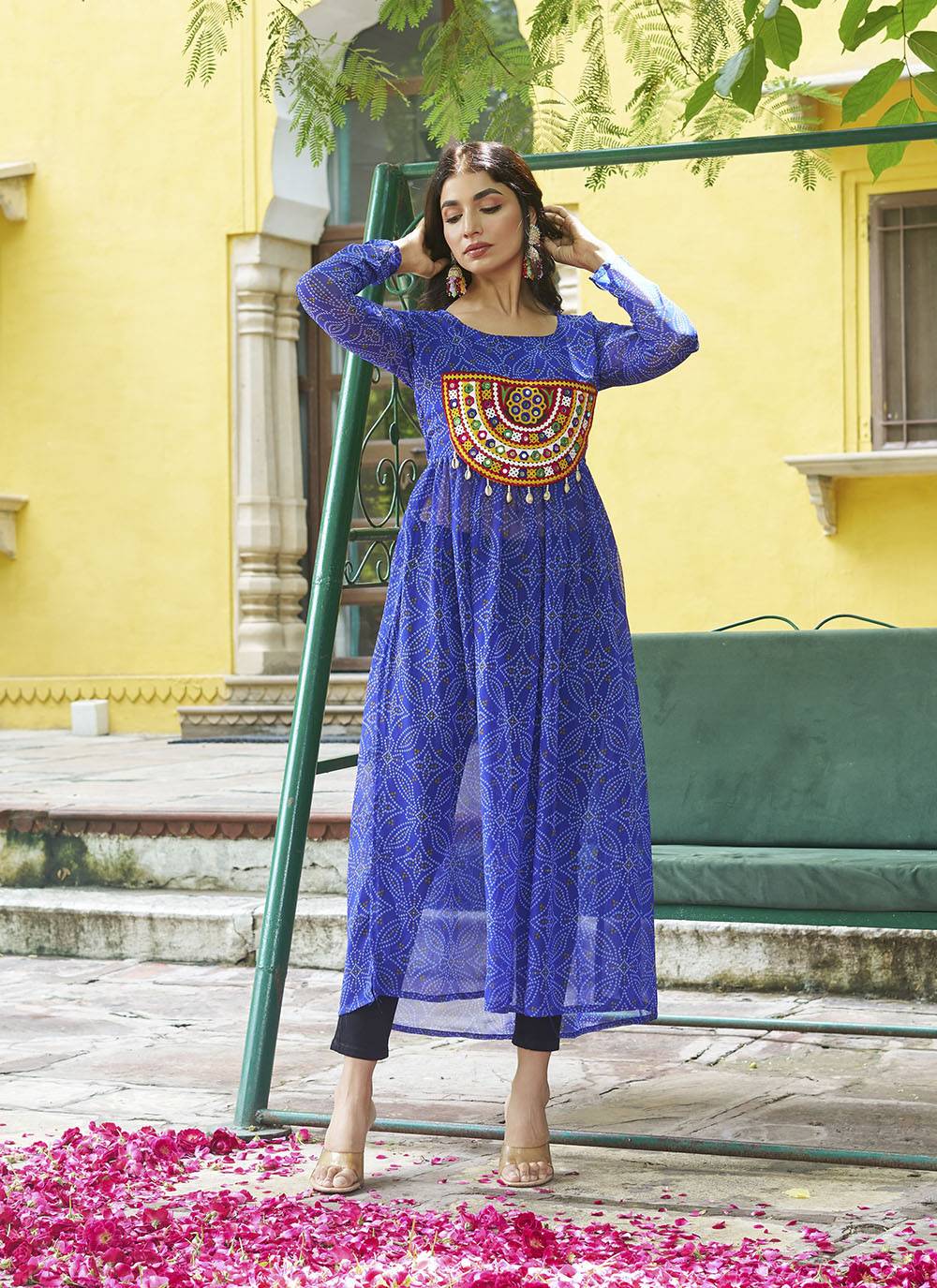
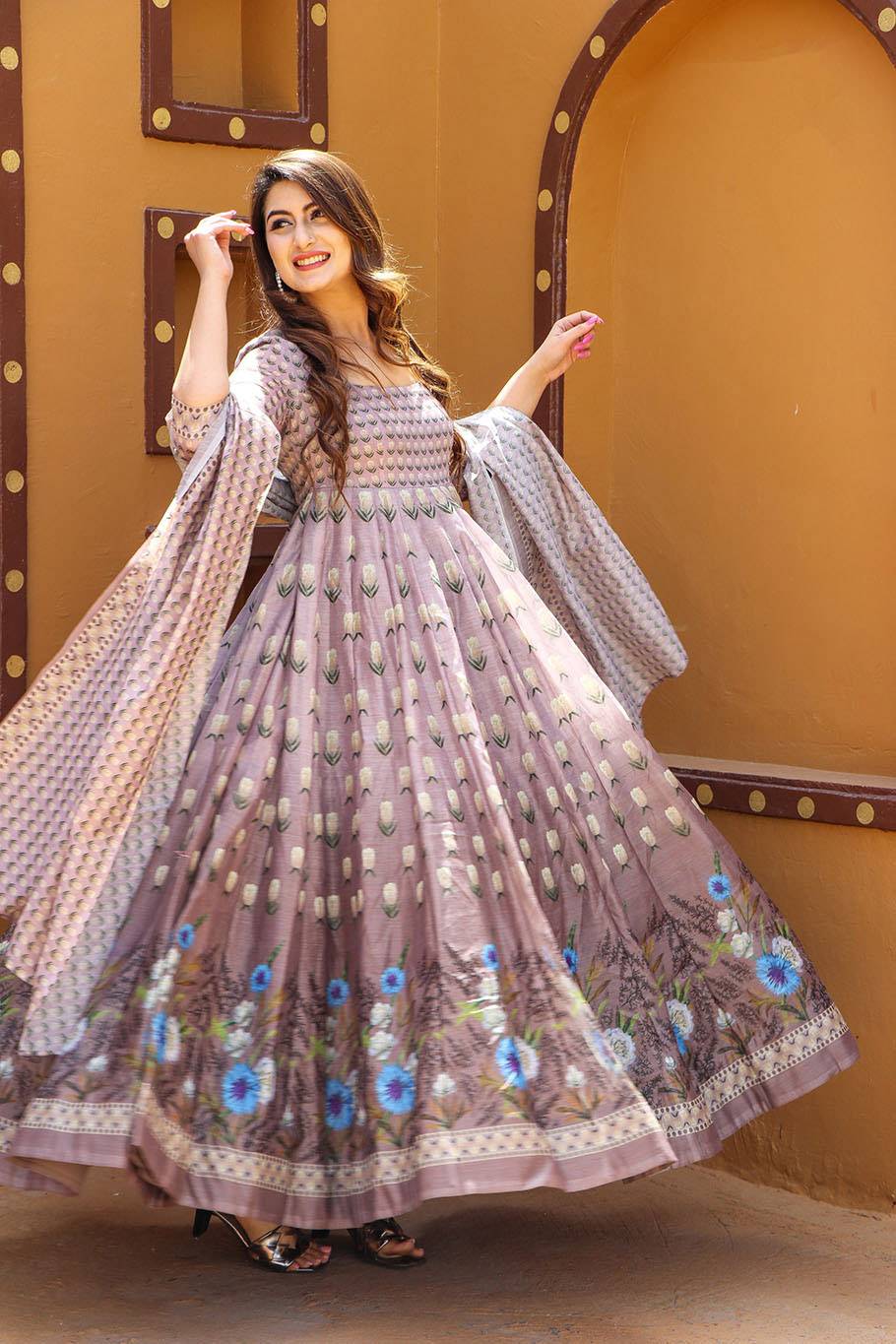
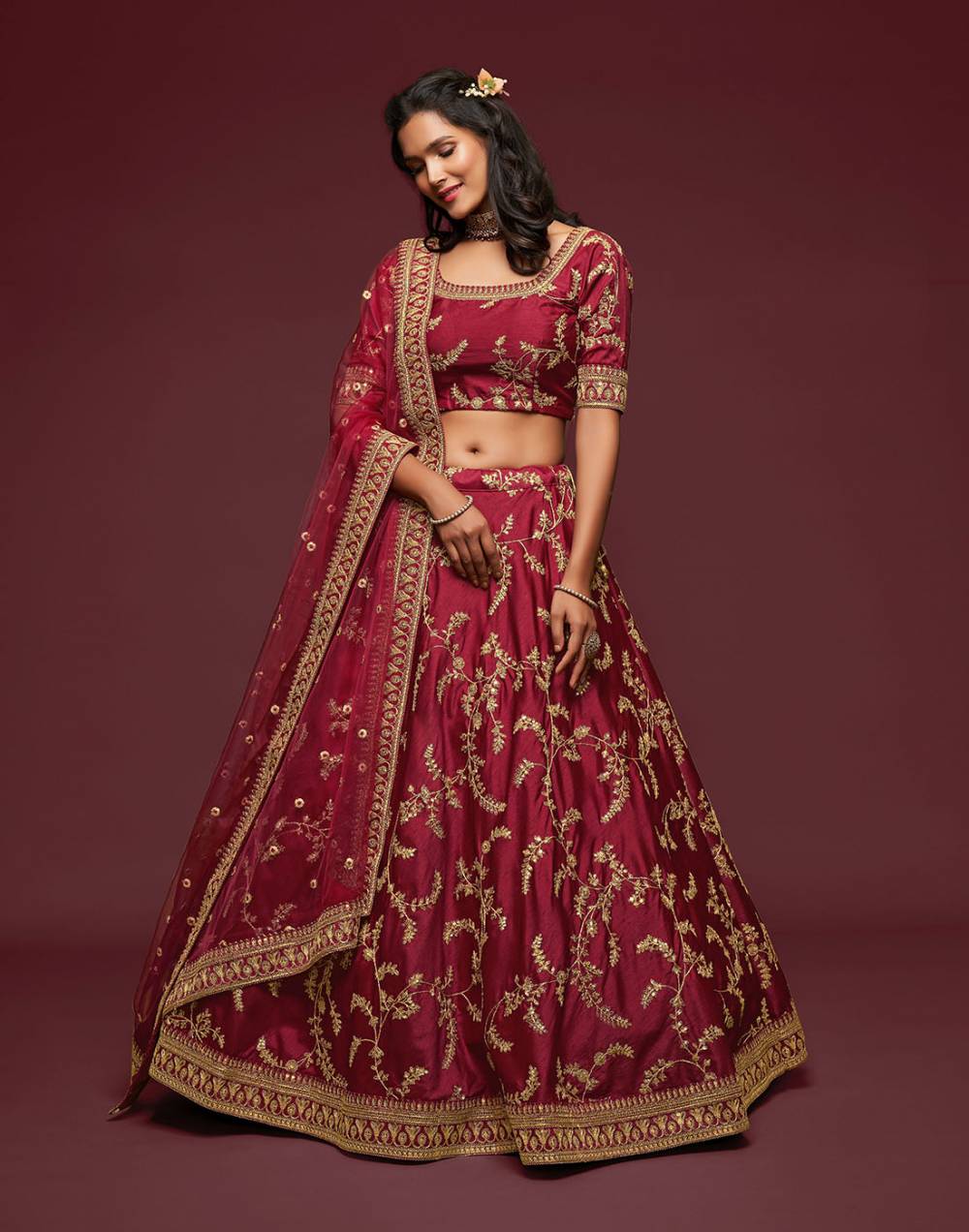
Bridal Lehenga Wholesale for Nepal: Anchoring the Wedding Shelf
In Janakpur, a bridal counter does most of its work in the three weeks before a wedding date is fixed. The bride's family visits four or five counters in a day, compares how the lehenga drapes in the mirror, and every one of those visits drags a trailing crowd of sisters, cousins and aunts who each need something for the same wedding. That is the economics of bridal lehenga wholesale Nepal in one scene: one anchor piece, thirty attached sales.
The Bridal Anchor and the Guest Tier
The mistake first-time buyers make is treating bridal as the volume. It is not. A counter might move a handful of true bridal pieces in a season, each one valuable, each one argued over for days. The volume sits in the guest tier: shararas, ghararas, indo-western sets and lighter lehengas for the women who attend the weddings that November-to-February season pulls through Janakpur, the Valley and the Terai alike.
Our standing structure for a programme reflects that pyramid. A small number of fully worked bridal anchors, a solid band of semi-heavy pieces for close family, and a wide base of guest-tier volume designs. The anchor earns the counter its reputation; the base earns its living. Nepali weddings, with their multi-day ceremonies and genuinely large guest lists, make this pyramid steeper than in most markets we serve.
Hotel belts in Kathmandu, Pokhara and Chitwan run a quieter but steadier textile trade than any fashion counter. GSM bands, housekeeping lots and the reorder discipline behind hospitality linen programmes.
Bridal lehengas anchor the wedding shelf in Nepal while guest-tier pieces supply the volume. A guide to structure, embroidery weight for photography, set completeness and sizing for Nepali boutiques.
Ajmera Export 4 Dec 20259 min read
wedding lehenga import
Structure and Embroidery Weight: What Photographs Well
Nepali wedding photography is relentless, and that single fact should drive your construction choices. Structured lehengas photograph better. A skirt built on canvas or taffeta base holds its flare through a full day of ceremonies, temple steps and studio sessions, while a soft, unstructured skirt collapses by the afternoon photographs and reads flat under flash. The can-can layers underneath do half the visual work of the embroidery.
On embroidery, our guidance from the Surat karigar floors: weight should sit where the camera looks. Dense karigar work on the border and pallu zones carries the photographs; full-coverage heavy work makes the piece exhausting to wear through a multi-day Nepali wedding and pushes it beyond what the Nepal bridal market sustains outside the flagship tier. One honest trade-off we always state: the structured, well-bordered lehenga is heavier than it looks in the catalogue. Brides feel it by hour three. The construction techniques that reduce felt weight while holding silhouette exist, and a supplier should be able to explain them piece by piece.
Colour and Work Bands for the Nepali Bridal Counter
Reds and deep maroons remain the spine of the trade in the Terai and Janakpur's Mithila wedding culture, with greens carrying the Teej-adjacent festive trade. In the Valley, our buyers report a widening band over recent seasons: wine, magenta, and softer pastels appearing in boutique-led orders, though traditional reds still anchor most wardrobes. Buying entirely trend colours is a mistake; buying entirely tradition is a smaller one.
Work bands matter as much as colour. Zardozi-type heavy embroidery, sequin and stone combinations, thread-dominated karigar work and print-plus-border constructions each occupy a distinct shelf position and price conversation. For a first programme we suggest covering three bands rather than deep-buying one, because Nepali bridal counters discover their customer's band in the first season, not before it.
Set Completeness: The Detail That Kills Reorders
A bridal lehenga is not one garment, and incomplete sets are the quiet killer of reorders in this trade. The full unit is lehenga, choli and dupatta, with many Nepali brides expecting a second dupatta or veil piece for the reception and ceremony split. A missing veil on arrival means the counter cannot close the sale it lined up, and no one forgets whose consignment it was.
On our floor, every bridal piece is checked against its set list before packing: skirt, blouse with lining and modesty panel, inner dupatta, outer veil where ordered, and the fall and finishing work completed rather than left for a rushed local job. Box packing with stiff inserts keeps the embroidery off itself during the three-to-six-day run to the border gates and the inland leg beyond. A creased or crushed anchor piece is a discount conversation before the box is even open, and that conversation never needed to happen.
Sizing and Customisation Across the Border
Returns across a land border are slow, so the sizing conversation happens before production, not after. Bridal anchors in the lehenga supplier Surat trade are commonly made to measurement: the counter takes the bride's measurements on confirmation, we cut to them with alteration margins built into seams, and the local tailor performs the final fitting in Nepal. Standard-size anchors work for boutique display stock, with the choli sometimes shipped semi-stitched deliberately so the last inch of fit stays local.
For the guest tier, standard size curves apply, tuned slightly to the region's build the way our Nepal kurti programmes are. Blouse pieces on guest-tier pieces ship dyed to match the skirt, same discipline as our saree lots.
Ajmera Export: Your Trusted Bridal Lehenga Nepal Partner
We build bridal and wedding programmes from Surat with the karigar embroidery floors, canvas and taffeta base suppliers and finishing units of the city within a short drive of our desk. For Nepal buyers that means one consolidated wedding consignment: bridal anchors made to measurement, family-tier semi-heavy pieces, and guest-tier volume designs, all set-checked, box-packed and documented for the border. Our desk prepares the Certificate of Origin under the Indo-Nepal Treaty of Trade alongside invoice and packing lists, and we plan dispatch windows backwards from your wedding season, with the big lots leaving Surat by October for the November-to-February trade. Every rate conversation stays on enquiry, because bridal structure follows the bride's brief, not a card. Message us on WhatsApp with your counter's wedding tier and region; we will propose the pyramid honestly, including the parts you should not over-buy.
Why Businesses Choose Ajmera Export
Set-checked bridal packing: skirt, choli, dupatta and veil verified against the set list before the box closes
Photography-led construction: canvas and taffeta bases with border-weighted karigar work that holds silhouette through long wedding days
Made-to-measure anchors: cutting to the bride's measurements with alteration margins, semi-stitched cholis where local fitting is preferred
The full pyramid in one dispatch: anchors, family tier and guest volume consolidated into a single truck-batch
Season-backwards dispatch: wedding lots planned to land before the November-to-February window, not inside it
Frequently Asked Questions
What should I check in bridal lehenga construction?
Press on structure first: a canvas or taffeta base skirt holds its flare through ceremonies and photographs, while soft unstructured skirts collapse by the afternoon. Check can-can layering, border embroidery density where cameras look, choli lining and modesty panels, and completed finishing work. Ask how the piece is packed, because crushed embroidery on arrival is a discount conversation before the box opens.
How heavy should a bridal lehenga be for photographs?
Heavy enough to hold silhouette, light enough to survive a multi-day wedding. The practical balance is dense karigar work on borders and pallu zones over a structured base, rather than full-coverage embroidery. Nepali brides wear the piece through long ceremonies and studio sessions, so felt weight matters. Ask a supplier how they cut weight without losing shape; the honest ones explain the construction.
Can a Nepali boutique order single bridal lehengas from Surat?
Yes. Bridal anchors are commonly made to the bride's measurements, so small boutiques in Janakpur, Kathmandu and beyond order one-off pieces for confirmed customers. The practical route is combining the anchor with family-tier and guest-tier pieces in one consolidated dispatch so freight and documentation are shared. Single-piece air moves exist but rarely justify themselves against a consolidated lot.
What bridal lehenga colours sell in Nepal?
Reds and deep maroons remain the spine, strongest in the Terai and Janakpur's Mithila wedding culture. Wine, magenta and softer pastels have widened the band in Valley boutiques in recent seasons, though tradition still anchors most wardrobes. For a first programme, cover three colour-work bands rather than deep-buying one; counters discover their customer's band in the first season.
Do bridal lehengas come as complete sets?
Ours do, and the completeness decides reorders. The full unit is lehenga, choli and dupatta, often with a second veil piece for the ceremony-reception split that Nepali brides expect. Every piece is checked against its set list before packing, with fall and finishing completed rather than left for a rushed local job. Ask any supplier how they verify set completeness before dispatch.
How far ahead should bridal stock arrive for wedding season?
The Nepali wedding season runs from November into February, and wedding lots should leave Surat by October. Land transit is days, not weeks, but bridal production is embroidery-led and slow by nature, and the karigar floors fill up before every season. Booking in the summer months secures production slots; the counter that orders in November chooses from leftovers.
What sells to wedding guests in Nepal?
The guest tier: shararas, ghararas, indo-western sets and lighter lehengas for the sisters, cousins and aunts attending. Nepali weddings pull genuinely large guest lists across multi-day ceremonies, so the volume sits below the anchor, not in it. A common first structure is a handful of bridal anchors over a wide base of guest-tier designs in three colour bands.
Can bridal lehengas be made to measurements for Nepali brides?
Yes, and it is the standard route for anchors. The counter takes the bride's measurements on confirmation, we cut to them with alteration margins in the seams, and the final fitting happens with a local tailor in Nepal. Standard sizes work for display stock, with cholis sometimes shipped semi-stitched so the last inch of fit stays local. Returns across the border are slow, so measure before production.
How are bridal lehengas packed for export to Nepal?
Box packing with stiff inserts, so embroidery never rests on itself through the three-to-six-day road run to the border and the inland leg to the counter. Sets are inner-wrapped piece by piece and verified against the set list before the box closes. Creased or crushed anchors lose perceived value before the first customer sees them, and the damage is entirely preventable.
Is Surat good for bridal lehenga wholesale?
For the volume bridal trade, yes. Surat holds the karigar embroidery floors, base-fabric supply and finishing units within one city, which is what lets a single desk assemble anchors, family tier and guest volume in one consignment. Varanasi and Delhi handloom traditions compete at the flagship couture end. For programme-scale bridal supply into Nepal, the Surat chain is the practical answer.
Conclusion
Bridal wholesale into Nepal is a pyramid business: one anchor that earns the reputation, a family tier that deepens it, and guest volume that pays for it all through the November-to-February season. Choose structure that photographs, verify set completeness before the box closes, and land the consignment before the weddings start. If you run a bridal counter in Janakpur, Kathmandu or the Terai, send us your region and wedding tier on WhatsApp or through the enquiry form. Serious buyers get construction samples and a proposed programme pyramid, with every number on enquiry where it belongs.
bridal lehenga wholesale nepalwedding lehenga importnepal bridal marketlehenga supplier surat
Sourcing ethnic wear for your business?
Our export team shares catalogues, MOQ and pricing tailored to your market — response within one business day.
A retailer's guide to stocking sherwanis profitably: why eight sample pieces beat eighty, how the booking model removes dead stock, and which fabrics and sizes cover most grooms. Includes packing, care and the calendar from order to aisle.
Sharara and gharara construction, fabric engineering and the second-top effect that drives reorders all season. Includes pairing rules, festival windows and the volumetric packing notes that keep freight honest.