An online boutique owner in New Jersey learned what ISF stands for from her forwarder's message the evening before her vessel loaded in Mundra. The filing went in hours late, the container spent its first week stateside flagged for review, and her introduction to US customs was a stack of paperwork she had never heard of until it cost her. Every part of that story was avoidable, which is exactly what makes it worth retelling.
ISF 10+2: The Rule That Runs on Origin Time
Importers sending ocean cargo to the US must submit Importer Security Filing, ten data elements from the importer's side and two from the carrier, at least 24 hours before the container is loaded onto the vessel at the origin port. Not before arrival, before loading at origin. The list includes the seller, the buyer, the ship-to party, the manufacturer, the country of origin and the tariff number. Miss the window and cargo can be denied loading, while late or inaccurate filings attract penalties that accrue per violation and add up with real enthusiasm.
The fix is sequencing, not heroics. We send buyers the manufacturer details, origin data and tariff information at booking, so their broker files ISF calmly, days before the window. Our own documentation team has re-filed corrections close to midnight when a manufacturer detail changed late; the memory of that evening keeps the process honest on our side. If you are importing, appoint your US customs broker before you confirm the order, and give the broker the supplier's details on day one.
HTS Codes and the Kurti Grey Zone
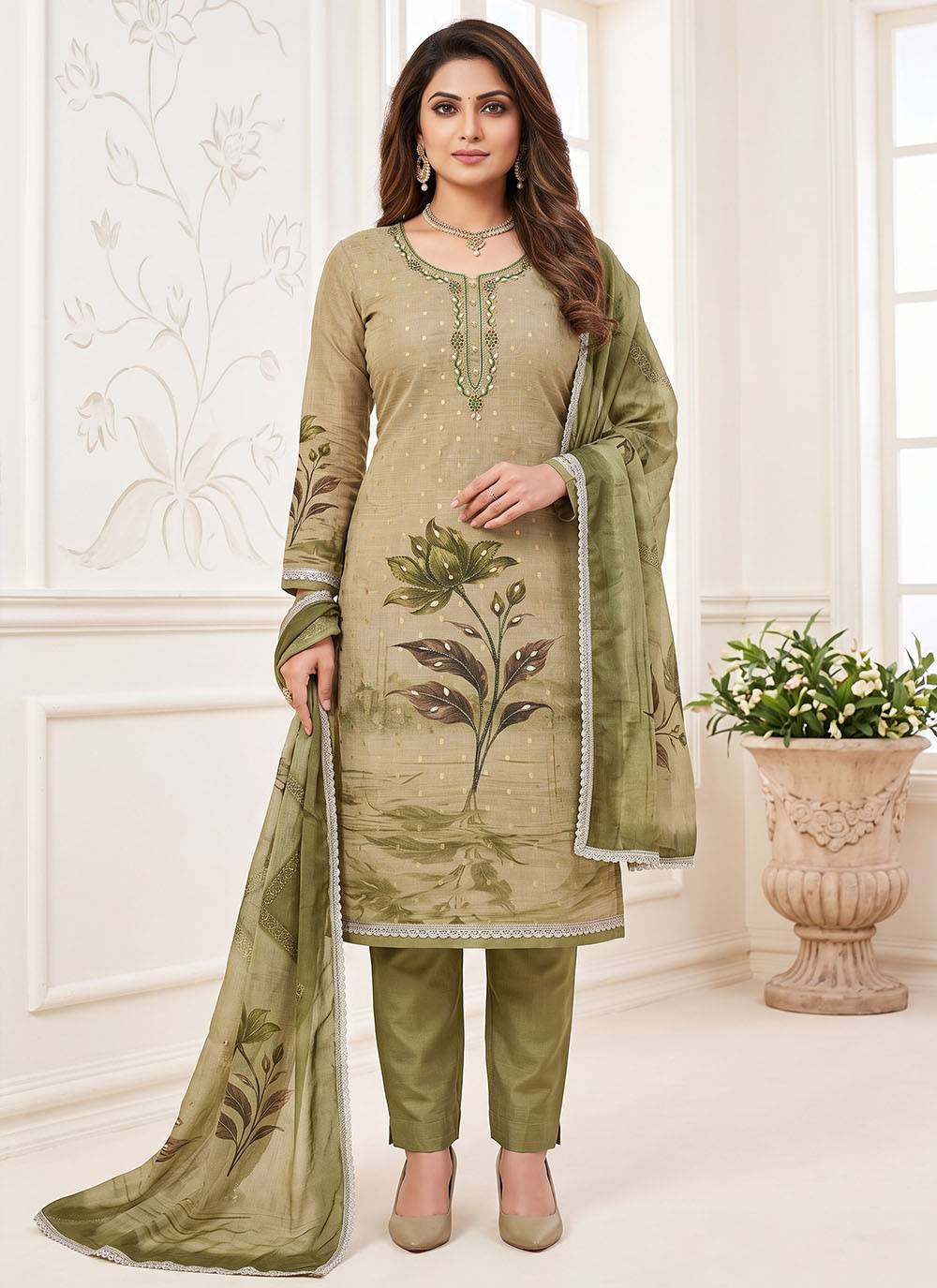
The Harmonized Tariff Schedule runs to ten digits at entry, and textiles are one of its most audited families. Fibre comes first: cotton, man-made fibre and silk lines carry different rates. Construction comes next, the same knitted chapter 61 versus woven chapter 62 split that runs the whole world. Then garment type, and here sits the grey zone our US buyers know well: a kurti can classify as a dress or as another garment depending on construction details like bodice seaming and length, and the duty treatment between those lines genuinely differs.
The standard advice we give holds for everyone. Send your broker the tech pack, measurements and photos before ordering, and have the classification agreed in writing. Keep it consistent across entries afterwards, because US customs audits backwards, and a reclassification several years into a sourcing programme lands as a duty back-bill all at once. The same discipline applies to embroidered goods and trims, which shift certain lines.
Fibre-Content Labelling: The Textile Act
The Textile Fiber Products Identification Act requires garments sold in the US to carry fibre content in descending percentage order, the country of origin, the manufacturer's RN number or full company name, and care instructions. The label needs to be on the garment before entry, not added later at your warehouse. Misdeclared fibre content is not a paperwork nuance; it is grounds for detention and worse.
Our US-bound production gets labels sewn to spec, with fibre percentages the fabric actually tests at rather than the percentages the marketing department wished for. Where buyers private-label, we ask for the RN or brand details at order confirmation, because label changes after cutting are slow and after packing are slower still.
Demurrage and the Last Free Day
Demurrage is the charge for a container sitting at the terminal past its free days, and it escalates on a schedule the shipping line sets. The clock starts on arrival. What fills those days, in our experience, is rarely the goods: it is late document pre-alerts, entry filings waiting on missing information, or exams queued behind incomplete paperwork. Two or three days of demurrage on a modest container can consume a small importer's margin on that entire order, which is the whole argument for treating arrival week as a deadline of its own.
Three habits keep the clock quiet. Pre-alert the full document set to your broker before the vessel docks. Confirm last free day and per-diem terms with the line at booking, because free time is negotiable and varies widely between lines. And keep classification and ISF settled in advance so the entry files within a day of arrival, not a week.
A Customs Broker Is Worth the Fee
First-time importers sometimes weigh single-entry filings against doing everything themselves. Do not. A licensed broker files the entry within the statutory window after arrival, handles the bond, manages classification questions, and stands between you and the exams and information requests that unnerve newcomers. Continuous bonds suit importers planning more than a couple of entries a year; single-entry bonds suit the one-off. Either way, the broker's fee ends up the cheapest line on the landed cost sheet, and our buyers' best brokers have saved them more in one reclassification query than years of fees.
Small Shipment Notes
The duty-free treatment historically attached to small courier parcels has tightened for commercial goods, and sourcing plans built on that assumption are building on sand. Samples still move simply by courier, but check current thresholds with your broker rather than assuming, because this corner of the rules has been moving. For B2B container volumes none of this changes the core sequence: ISF before loading, classification before ordering, labels before entry, entry filed fast, container collected on time.
Frequently Asked Questions
What is ISF 10+2 and who files it?
Importer Security Filing: ten importer-side data elements plus two carrier-side elements, filed at least 24 hours before the container is loaded onto the vessel at origin. Your US customs broker usually files it, using supplier details like manufacturer, origin and tariff number that we provide at booking.
What happens if ISF is filed late?
The container can be denied loading at origin, and late or inaccurate filings attract penalties per violation that compound. Goods may also face holds on arrival. The fix is appointing a broker early and sending supplier data at booking, not at sailing.
Which HTS code applies to kurtis?
It depends on fibre, knit versus woven construction, and garment type; the grey zone is dress versus other garments, decided by construction details. Send your broker the tech pack and photos before ordering, and keep the agreed classification consistent across entries.
What labelling does US law require on garments?
Fibre percentages in descending order, country of origin, RN number or full company name, and care instructions, attached before entry. We sew US-bound labels to spec, and private-label buyers must supply RN or brand details at order confirmation.
Do I need a customs broker to import garments into the US?
In practice, yes. Brokers file entries within the statutory window, manage bonds and classification, and handle exams. Continuous bonds suit regular importers and single-entry bonds suit one-offs; the fee is minor against the demurrage and penalty risk it prevents.
How do I avoid demurrage on textile containers?
Pre-alert documents to your broker before arrival, settle ISF and classification in advance so the entry files immediately, confirm free time and per-diem terms with the line at booking, and arrange trucking before the container lands.
If you are structuring a first US shipment, our desk will send the data set your broker needs for ISF and classification the day the order is confirmed. Serious buyers are welcome to request samples, which travel by courier with the same paperwork discipline in miniature, so the first container holds no surprises at all.
Sourcing ethnic wear for your business?
Our export team shares catalogues, MOQ and pricing tailored to your market — response within one business day.