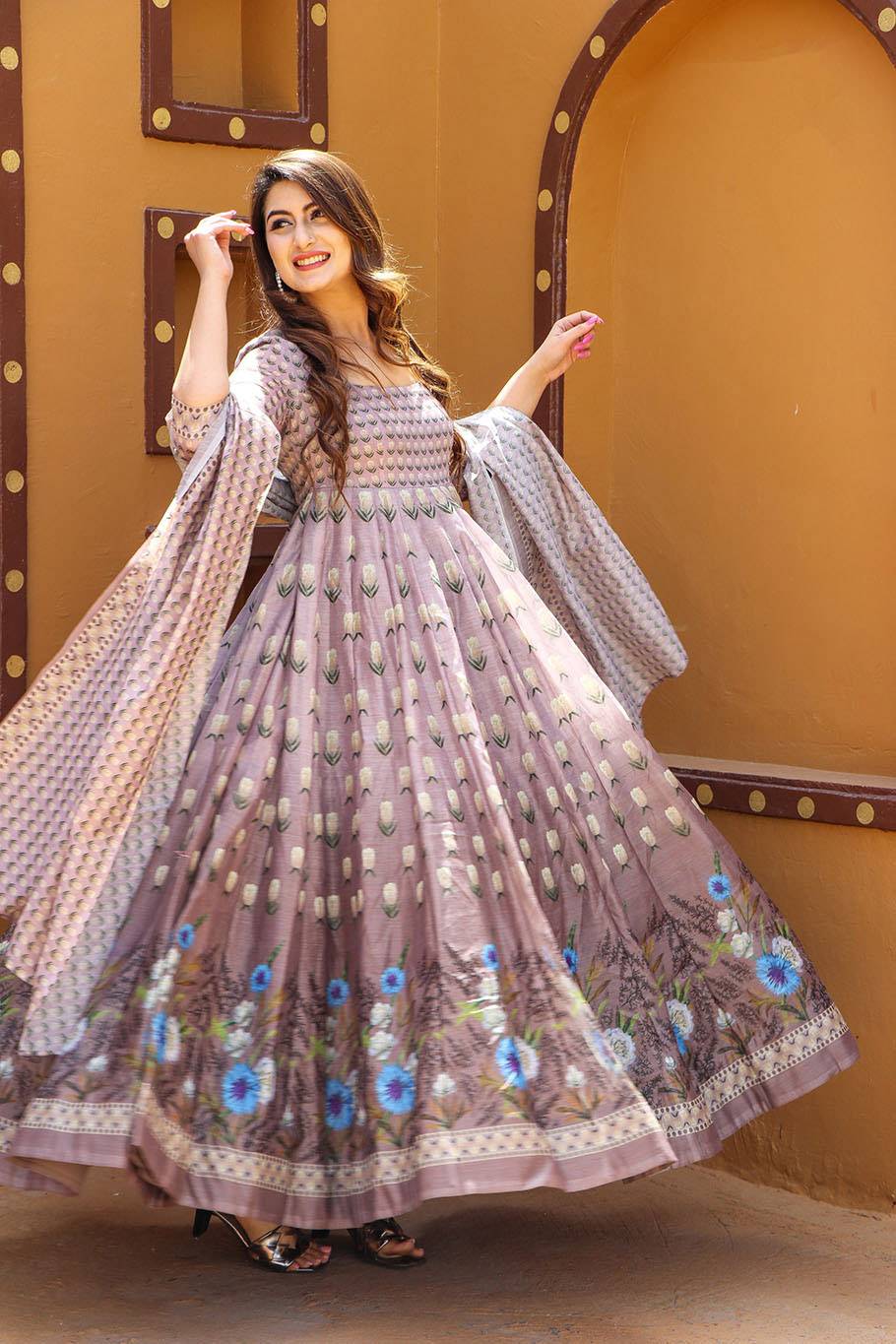
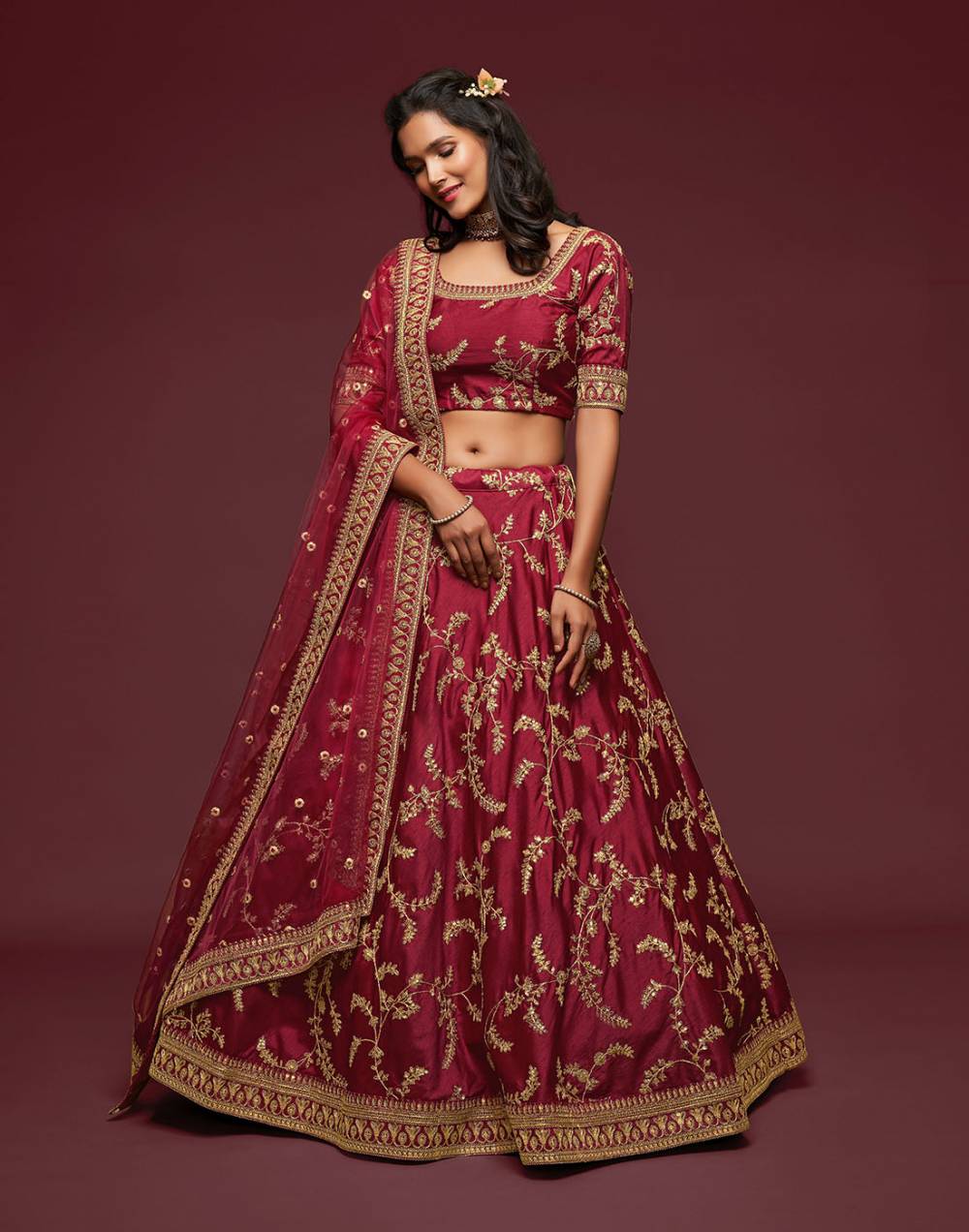
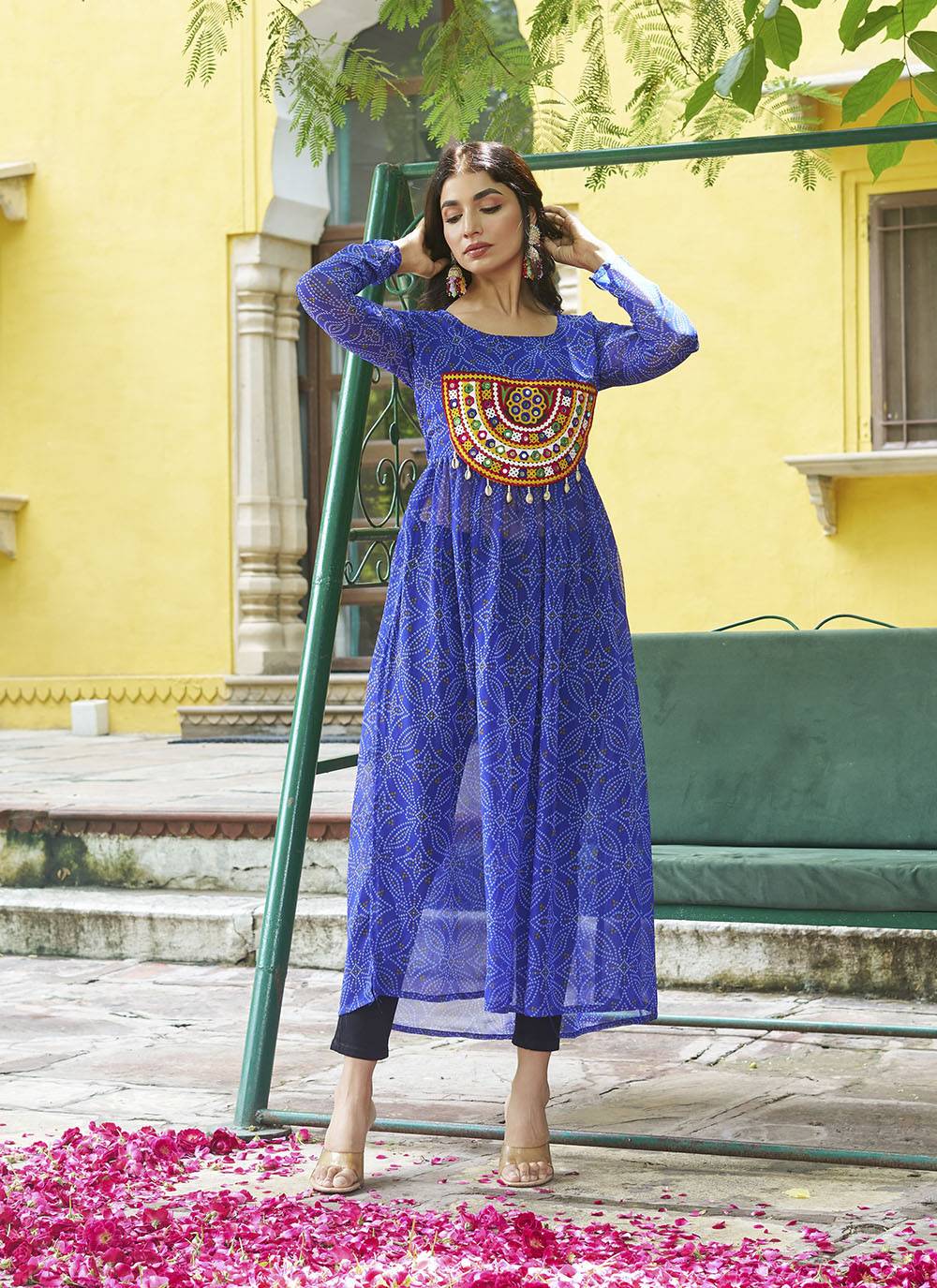
A boutique in Manchester kept thirty gowns on the rail and found, when she finally ran the numbers, that six pieces had done most of the year's gown revenue. They were not the six she would have predicted. They were not the heaviest or the most dramatic either. They were the pieces that belonged to a single colour story, the wine-and-champagne cluster that let a customer walk in for one gown and leave loving three. Buying gowns piece by piece is how rails end up looking like sample sales.
Buy Stories, Not Pieces
Order gowns in clusters of three or four: one anchor and two or three supporting shades. A winter wedding story runs wine, champagne and dusty rose. A festive story runs emerald, fuchsia and gold. A spring story runs pastels with one deep anchor for contrast.
The story does three jobs at once. It makes the rail read as a designed collection rather than an accident. It gives your staff a sales path, because "this shade works under the emerald one you tried" is an easy sentence to say. And it catches the second-function purchase, the gown for the reception after the gown for the ceremony. Our buyers who run colour stories report that walk-in conversion improves before the average ticket does, which tells you the psychology is doing the work.
Hotel belts in Kathmandu, Pokhara and Chitwan run a quieter but steadier textile trade than any fashion counter. GSM bands, housekeeping lots and the reorder discipline behind hospitality linen programmes.
How to buy designer gowns in colour stories rather than single pieces, with silhouette turn rates, bodice build details and display habits. The shelf-turn logic that separates boutiques that sell gowns from boutiques that store them.
Ajmera Export 31 Dec 20256 min read
Silhouettes and How Fast They Leave the Rail
Not all gowns turn at the same speed, and pretending otherwise is how boutiques over-buy the dramatic pieces.
Sequinned A-line, mid-weight: the workhorse. Flatters the widest range of bodies, photographs well, and in our experience turns two to three times faster than heavy trail gowns. Weight this tier deepest.
Ball gowns with heavy can-can: the anchors. Dramatic on a mannequin, slower to sell, and best bought one per story with display as part of the job description.
Mermaid and fishtail: sells to a specific, body-confident customer. Size it carefully, because the fit window is narrow and alterations are structural.
Jacket gowns and cape styles: the modest-market heroes. The overlay covers arms, which matters deeply to Gulf buyers, and it conveniently hides sizing variance. Strong sellers across Dubai, Doha and the Saudi event circuit.
Gown-saree hybrids: pre-draped convenience for younger customers, and the fastest-growing niche we see in the youth segment.
The Details That Justify the Ticket
Customers judge gowns through a mirror, and the mirror is harsh about specific things:
Bodice density. Embroidery concentrated where the eye lands, on the bodice and shoulders, reads as expensive. The same total threadwork scattered evenly reads as costume. Density placement is a design skill, and it is worth asking who graded the placement on a style you are buying.
The inside of the gown. Customers reach inside the skirt and touch the lining without thinking about it. Clean lining, finished seams and covered boning say the word quality better than any hangtag.
Closure engineering. Concealed zips with hook-and-eye relief at the waist survive a night of dancing. Bare zips pull open under a sequinned bodice, and the customer remembers where she bought the gown.
Can-can layering. Two layers read reception; four or five read ceremony. The layer count also changes how the gown packs and ships, which matters more than buyers expect.
Sizing Honestly
Gowns run S to XXL with the flare doing most of the forgiveness; the bodice is where sizing bites. Boned bodices resist alteration more than soft ones, so for a mixed-size customer base prefer styles with some bodice ease or stretch-panel inserts. Petite-heavy markets need shorter hem tiers, and a gown dragging four inches on a five-foot-two customer photographs badly and sells worse.
Shelf-Turn Habits of the Boutiques That Do This Well
Rotate the rail every two to three weeks, with steaming before weekends, because gown browsers are repeat browsers who remember what they saw last visit.
The mannequin carries the anchor piece of the current story, changed with the rotation.
Track sell-through by silhouette, not just by colour, because silhouette is the repeatable lesson and colour luck is not.
Reorder mid-tier sequin pieces within the season while dye lots still match; sequin dye-lot drift between two productions is subtle on the rail and obvious in photographs.
One honest admission: gowns are the category most likely to tempt you into air freight, usually after a customer emergency. It is almost never worth it except for a genuine wedding crisis, and even then, flying one gown while a carton steams across the ocean teaches a hard lesson about calendar discipline.
Timing Your Gown Buys
Diwali parties: order by August.
Eid galas: work backwards from Ramadan's moving dates, 8 to 10 weeks ahead of the retail peak.
Wedding season, November to February: order September to October.
Prom and pageant crossover: simpler sequin silhouettes in solid shades fit the US spring circuit; order January to February.
Fabric choices follow the same calendar. Sequinned georgette carries the festive and party load, because it combines drape with sparkle at manageable weight. Net overlays and layered net gowns photograph dramatically and read bridal, but they snag on jewellery and need patient steaming. Velvet belongs to the winter circuit, deep-dyed and heavy enough that its shipping weight surprises first-time buyers. Crepe gowns are the travel-friendly tier, creasing least in cartons and arriving closest to shelf-ready. Ask your supplier which base sits under each style before you commit, because the same silhouette on two different bases behaves like two different products on the rail and in photographs.
Frequently Asked Questions
How many gowns make a good starting capsule?
Twelve to eighteen pieces across two colour stories, weighted toward mid-weight A-line and jacket styles, with one or two ball-gown anchors. That is enough rail presence to read as a destination category without betting the shop on it.
What colours sell the most?
Wine, emerald, navy and champagne anchor most successful rails we supply, with pastel clusters in spring. Black sells steadily for receptions and pageant crossover. Buy one trend colour per season, shallow, to keep the rail current without ageing your stock.
Which silhouettes turn fastest?
Mid-weight sequinned A-lines and jacket gowns, in our experience, at roughly two to three times the pace of heavy trail gowns. Mermaid styles turn well only where the size curve matches your customer base.
Can gowns be reordered mid-season?
Machine-embroidered and sequinned mid-tier pieces, yes, within dye-lot reason. Hand-embroidered pieces and heavily embellished anchors, rarely identically. Plan reorders around the machine tiers.
What sizes should I stock?
A standard S to XXL curve weighted toward your measured customer base, with petite-length tiers if your market needs them. The flare forgives and the bodice does not, so keep bodice-forgiving styles in the deeper sizes.
Do gowns ship well folded?
They ship folded with tissue and steam out on arrival, but heavy can-can and dense embellishment limit how flat a gown will ever pack. Carton densities run low for gowns, which raises the volumetric share of freight, so ask for carton specifications before you finalise your logistics planning.
Tell us your market, your occasion calendar and the colour stories you want to run, and we will propose a gown programme with silhouette weights and rotation logic. We ship sample gowns to serious buyers and can walk through construction, can-can layers and bodice build on a video call, so the rail you plan is the rail you get.
A retailer's guide to stocking sherwanis profitably: why eight sample pieces beat eighty, how the booking model removes dead stock, and which fabrics and sizes cover most grooms. Includes packing, care and the calendar from order to aisle.
Sharara and gharara construction, fabric engineering and the second-top effect that drives reorders all season. Includes pairing rules, festival windows and the volumetric packing notes that keep freight honest.