A Sunsari wholesaler once described his market to us in one line: Dharan decides what the hills will wear, and Itahari decides how much of it they get. After a few seasons supplying this corridor, we think he was right. The two towns sit half an hour apart and do completely different jobs, and together they form the youngest, fastest-turning ethnic wear market in Nepal.
Dharan: The Eastern Hill Fashion City
Dharan punches far above its size, and the reason walks around in campus shoes. The town hosts universities, medical and engineering institutions, and a large student population that shops with its eyes open. Around Chowk and Bhanu Chowk, the retail stretches are noticeably more fashion-forward than Terai bazaars of similar size. Dharan retail market customers expect novelty, and they expect it now.
Eastern hill retail flows downhill from here. Dharan sits at the foot of the hill road toward Dhankuta and the eastern hill districts, and it functions as the style reference for that whole catchment. What sells on a Dharan counter this month arrives in the hill towns shortly after. A supplier who treats Dharan as a marginal market misses that it is actually the region's taste-maker.
Itahari: The Junction That Moves Boxes
Itahari's importance is not fashion; it is geometry. The town sits where the east-west Mahendra Highway meets the roads running north to the hills and south toward Biratnagar, making it the logistics junction of the Koshi corridor. Itahari wholesale godowns aggregate goods arriving through the eastern gates and push them out to Damak, Birtamod, Lahan, Gaighat, Inaruwa and the uphill towns beyond Dharan.
For a Surat supplier, this is the practical consolidation point for the east. A truck that lands in the corridor can feed the Itahari grid, the Dharan retail stretch and the hill re-distribution trade from a single documentation set. The eastern gates themselves, Biratnagar's Jogmani side and Kakarbhitta opposite Panitanki in Jhapa, are the entry choices, and both route naturally through or past Itahari on the way to anywhere else.
Student-Driven Kurti Demand
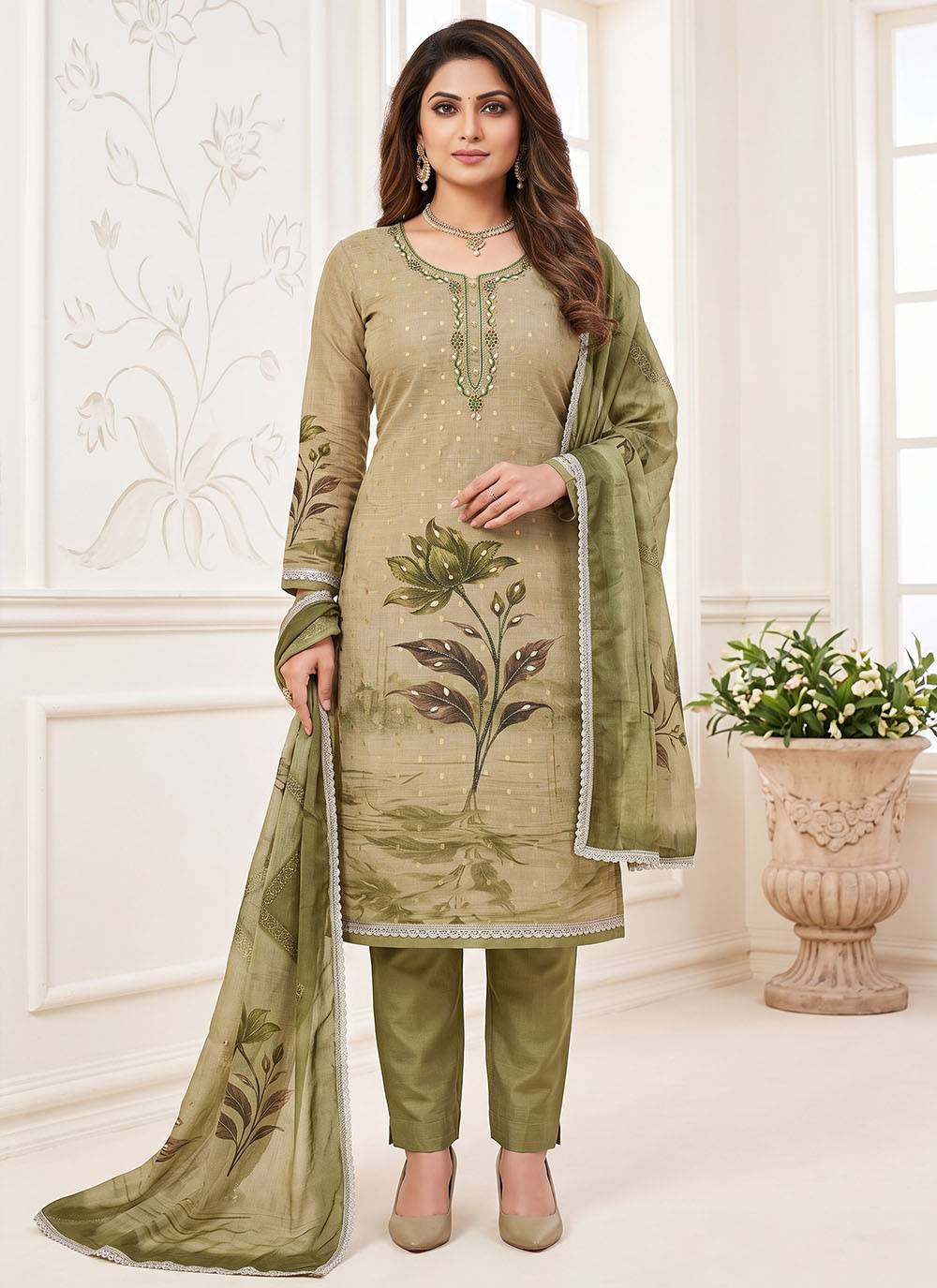
The volume story of this corridor is the kurti. College and office rotation in Dharan runs year-round, which is unusual in a country whose textile calendar is dominated by festival spikes. Sunsari retail and the wider Koshi corridor towns have absorbed this rhythm: printed cotton kurtis and easy blends refresh weekly on the better counters, and the better counters reorder weekly.
Fabric weight matters more here than buyers expect. The eastern Terai summers are humid, so breathable cottons in the lighter GSM bands and comfortable viscose-rich blends outsell heavier constructions through the hot months. Come winter, the hill-facing side of the market flips toward layered and heavier pieces. One truck for this corridor should carry both climates, because the towns an hour apart are wearing different seasons.
Ethnic Wear Sell-Through in the Koshi Corridor
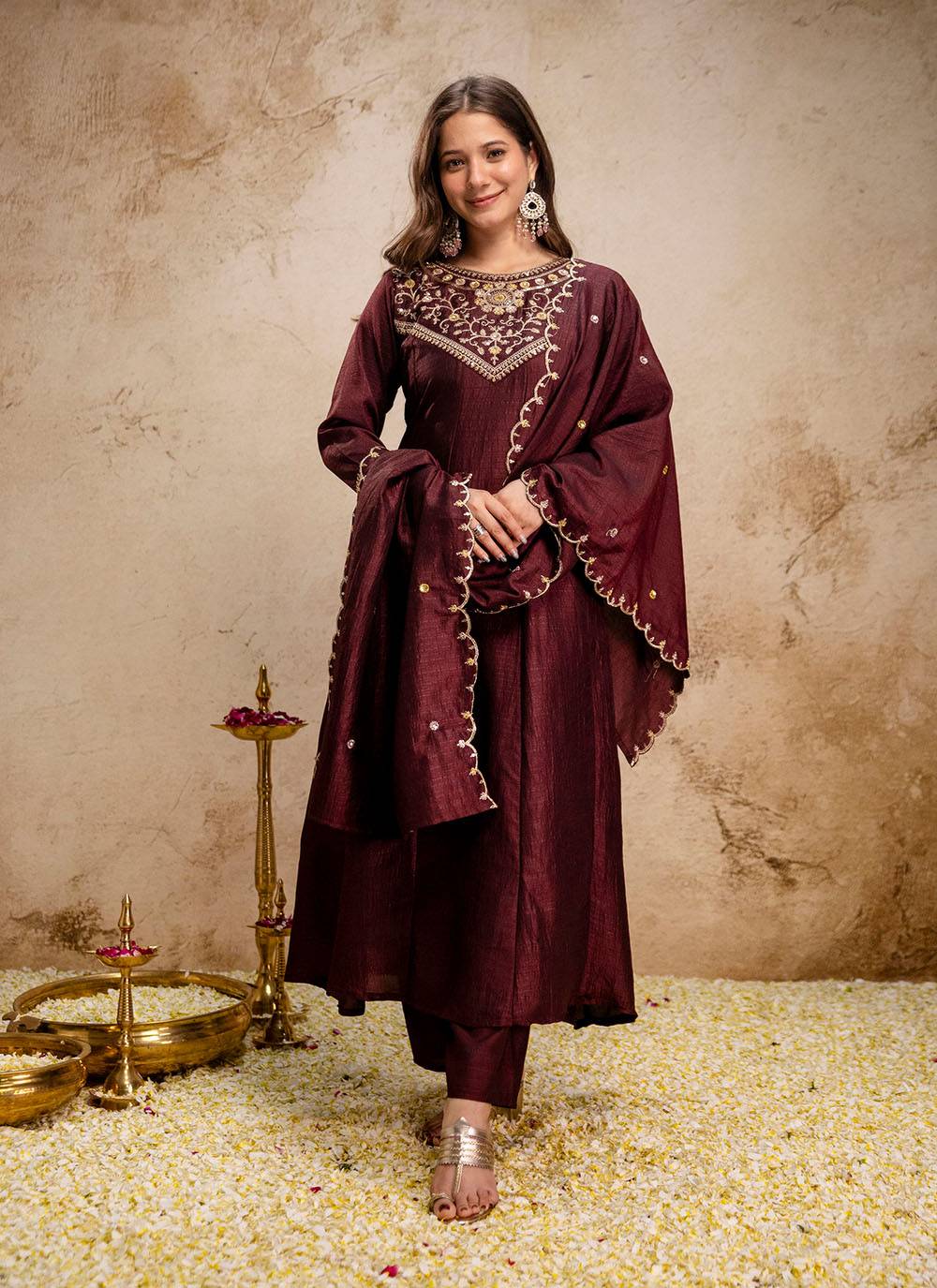
Festive and occasion wear in the east follows its own weights. Dashain and Tihar hit hard, as everywhere, and then Chhath lands on top of them, strongest in the eastern Terai of any region in Nepal. The post-Tihar Chhath window in this belt pulls cotton sarees and suits in a concentrated burst that surprises suppliers who treat it as a minor festival. It is not minor in the east.
The wedding season from November to February carries lehengas and heavy sarees, with reception culture visible in the hill towns too. But the honest trade-off of this corridor is novelty churn. A young market that rotates weekly also discards quickly. Last season's prints die fast in Dharan, and a supplier who pushes deep volume of one design into this market is underwriting its own markdown. We order small and often here, and we accept the higher shipping admin, because sell-through beats freight economy in the east.
Routing and Replenishment From Surat
The run from Surat to the eastern gates takes three to six days by truck, and corridor delivery follows the crossing. That timeline is what makes the weekly reorder rhythm viable: a fast-moving counter in Dharan can see a design sell out, place a reorder, and have it on the shelf before the design has aged out. Very few markets in the region can work that way, and it changes what you dare to stock.
Our replenishment discipline for this corridor is deliberately different from the west. Far-west programmes run full and deep on long legs; eastern programmes run frequent and shallow. Same supplier, same trucks, completely different rhythm, because the road map and the customer age demand it.
Ajmera Export: Your Trusted Dharan Itahari Supply Partner
We supply the Koshi corridor with the rotation speed it actually runs on. Our Surat base produces kurtis in the fabric weights this climate wants, alongside the festive sarees, Chhath-weight cottons and wedding-season pieces the calendar pulls, so one consolidated truck feeds both the Itahari grid and the Dharan retail stretch from a single origin and a single Certificate of Origin. Our desk plans small, frequent dispatches for the fast counters and deeper anchor loads before Dashain and the wedding season, and we tell buyers plainly when a design is likely to churn out before a deep order pays back. Tell us your towns and your counter rhythm; we will match the load to it. Samples and exact costs go to serious buyers on enquiry.
Why Businesses Choose Ajmera Export
- One accountable desk: the person who quotes your programme is the person who chases the printers and the truck
- Rotation-speed sourcing: kurti programmes built for weekly counter refresh, not seasonal dumps
- Both-climate packing: humid-Terai weights and hill-season layers carried in one consolidated load
- Chhath-window discipline: post-Tihar cotton programmes timed for the eastern Terai's strongest burst
- Enquiry-only pricing: costs discussed directly with genuine buyers, never displayed
Frequently Asked Questions
What sells best in the Dharan retail market?
Kurtis lead the year-round rotation, driven by the student and office population, with printed cottons and breathable blends moving fastest through humid summers. Festive sarees spike at Dashain and Tihar, and heavier layered pieces sell through the winter. Dharan effectively sets the style reference for the eastern hill districts.
Why is Itahari a wholesale hub for eastern Nepal?
Itahari sits at the junction where the Mahendra Highway meets the roads north to the hills and south to Biratnagar. Wholesale godowns there aggregate goods arriving through the eastern gates and re-distribute across the Koshi corridor. It is a logistics town first, which is exactly why it matters.
Where do Dharan and Itahari shops source ethnic wear from?
Mostly from India, with Surat a dominant origin for sarees, kurtis and suits. Loads enter through the Biratnagar-Jogmani or Kakarbhitta-Panitanki gates and consolidate through the Itahari grid. Larger programmes also run direct from supplier to buyer godown with full documentation.
Which kurti styles move fastest in eastern Nepal?
Printed cotton kurtis in lighter GSM bands for the humid Terai summers, and comfortable viscose-rich blends for daily rotation. Necklines and prints churn quickly because the young market refreshes weekly. Deep volume of a single design is risky here; assortment breadth sells better than depth.
Which border gates serve the Koshi corridor?
Biratnagar's Jogmani side serves the corridor's industrial and distribution trade, while Kakarbhitta opposite Panitanki in Jhapa covers the far eastern edge of the country. Both gates route naturally through or past Itahari on the Mahendra Highway. Trucking from Surat to either gate typically runs three to six days depending on season.
How long does shipping from Surat to Dharan take?
Count three to six days to the eastern gate by truck, plus the crossing and corridor delivery. Most programmes run dispatch to shelf inside two weeks. That speed is what makes the weekly kurti reorder rhythm viable on better counters.
Do hill towns like Dhankuta buy from Itahari wholesalers?
Yes. Dharan and Itahari together supply the hill districts to the north, with hill lots running smaller and warmer-weighted. Dharan's counters act as the taste reference for those towns. Re-distribution from the junction keeps the hill trade supplied without each hill shop running its own imports.
How often do eastern Nepal retailers reorder kurtis?
The fast counters in Dharan reorder weekly during strong periods, because novelty churn is the reality of a student-driven market. Festive and wedding categories order deeper and earlier. Suppliers here plan small and frequent rather than deep and rare.
What should a first order to Itahari include?
A mixed-category consolidated load: printed kurti breadth as the base, festive saree depth timed to the calendar, Chhath-weight cottons if Tihar is near, and a smaller hill-weight block if you serve the uphill trade. Advance against documents is the usual first-order structure.
Does Chhath affect eastern Terai stocking?
Strongly. Chhath runs hardest in the eastern Terai of any region in Nepal, landing within weeks after Tihar. It pulls cotton sarees and suits in a concentrated burst, and suppliers who treat it as minor miss one of the east's most reliable windows.
Conclusion
Dharan supplies the taste, Itahari supplies the grid, and the land route supplies the speed that keeps both fed. Run this corridor with frequent shallow loads, respect the humidity in your fabric weights, and take Chhath as seriously as the locals do. The young eastern market rewards suppliers who move at its rhythm. Send us your towns and counter cadence on WhatsApp or through the enquiry form, and we will build a Koshi corridor programme with you, samples included for serious buyers.
Sourcing ethnic wear for your business?
Our export team shares catalogues, MOQ and pricing tailored to your market — response within one business day.