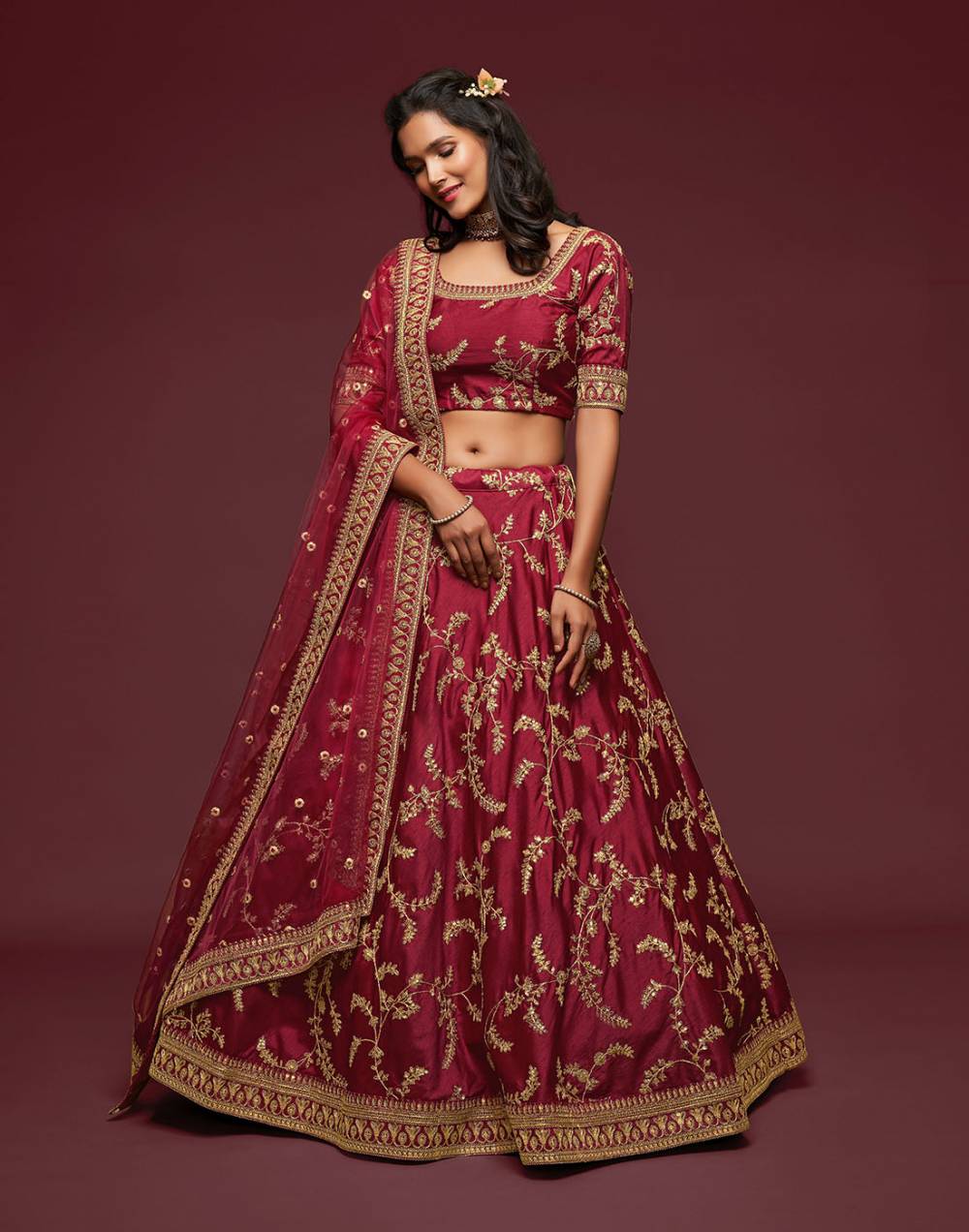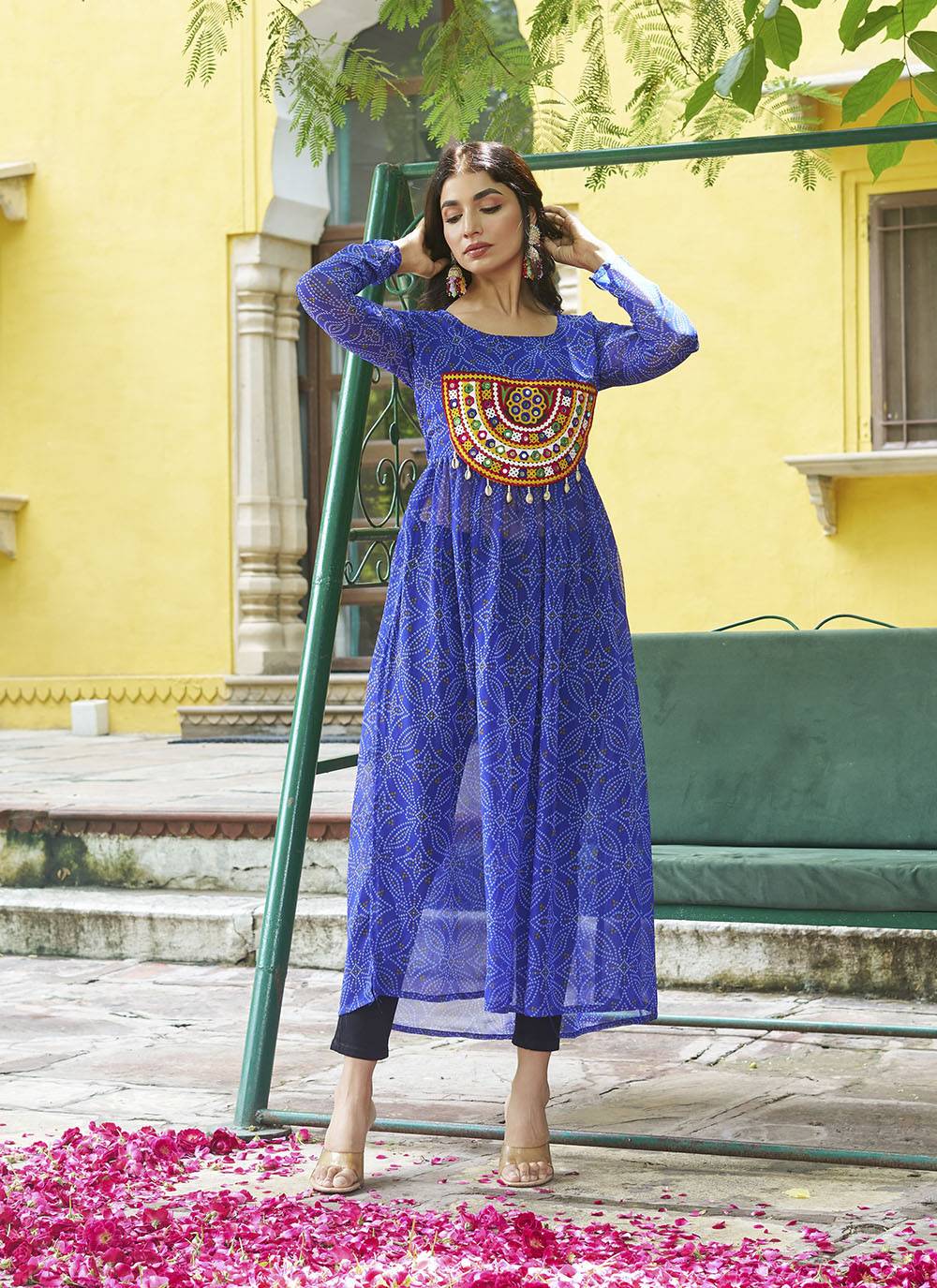
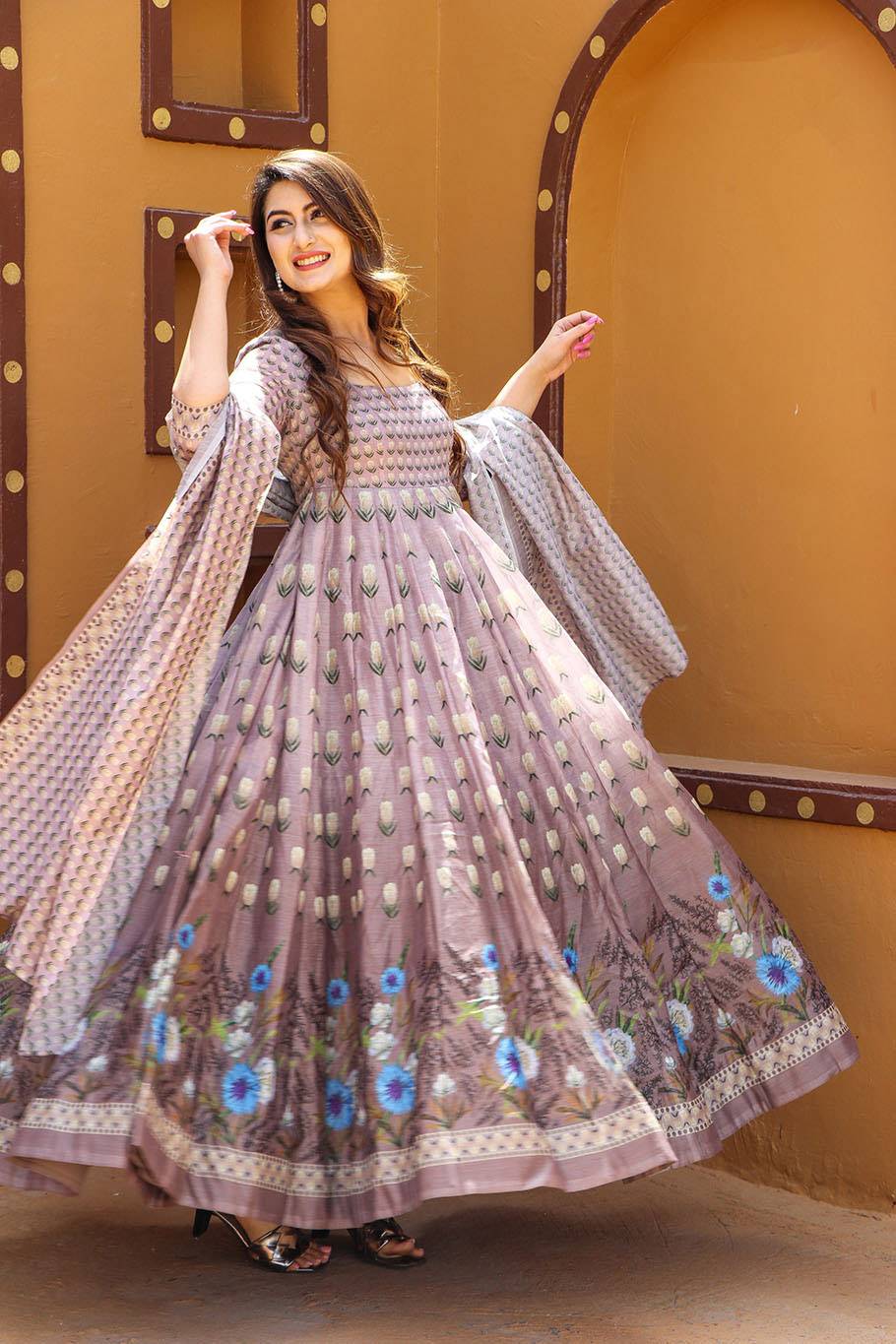
In Janakpur, a suit counter's most important business relationship is not with any supplier. It is with the tailor who sits two doors down and sends every customer to the counter he trusts. The tailor trade Nepal runs this way across the Madhesh: the shopkeeper sells cloth, the tailor sells fit, and the customer buys the combination. If you are planning a dress material Nepal programme, you are really supplying a partnership you will never see on paper.
Why the Terai Buys Unstitched
The unstitched preference is cultural and intensely practical. Terai wardrobe habits run with Bihar and Uttar Pradesh, where a sewn-to-fit suit has long been the default, and where the local tailor is a standing institution in every bazaar from Birgunj to Biratnagar. A ready-made size chart approximates a body; a tailor's chalk gets it exact. Customers keep their tailors the way other markets keep their barbers, sometimes for decades.
The trade consequence is that unstitched suit wholesale volumes in the Terai behave differently from stitched garment trade. Demand follows festivals and weddings like everything else, but it also follows the tailor's order book. A tailor with a full pre-wedding queue signals the neighbourhood, and the counters nearest the busiest tailors restock hardest. Our buyers in the Terai tell us the same thing: watch the tailor clusters, and the cloth trade maps itself.
The Three-Piece Anatomy: Cut Configurations
A 3 piece dress material set is kameez fabric, bottom fabric and dupatta, packed together as one sellable unit. The configurations we run for Nepal follow the standard trade builds: roughly two and a half metres for the kameez, two and a quarter for the bottom, and a matching or coordinated dupatta around two and a quarter. Variations matter commercially. Straight-cut bottoms need less cloth than flared salwars; fancy kameez pieces over plain bottoms sell a festive look at a friendlier counter conversation; two-piece sets without the dupatta serve the daily trade.
The configuration decision should be made per band, not per lot. Daily printed sets run economical configurations; festive embroidered bands run fuller cuts with heavier dupattas. We ask buyers for their tailor neighbourhood's cutting habits before finalising builds, because a configuration the local tailors dislike sits on the shelf no matter how well it packs.
Matched Dye Lots: The Discipline That Makes or Breaks the Set
Here is the detail that separates real dress material suppliers from traders who merely ship cloth: the three pieces of one set must come out of matched dye lots. A kameez from Tuesday's dye run and a bottom from Friday's run will differ in shade, and the difference might hide under showroom lights but will announce itself in daylight, on the stitched suit, at the wedding. The customer blames the counter. The counter blames the supplier. The tailor, unhelpfully, blames everyone.
Our discipline is simple and rigid: pieces intended for one set are dyed together, cut together, and packed together as an inseparable unit. The dupatta coordination follows the same rule when it matches, and a controlled contrast rule when it deliberately does not. If you are evaluating any supplier for dress material, ask one question: how do you keep a set's pieces in the same dye lot? A vague answer is the whole answer.
Counter Bundling: Display Built for the Stack-and-Flip
Terai dress material counters display differently from Valley boutiques. The classic format is the stack-and-flip: bundles piled with the kameez piece's print facing up, the dupatta folded to show its border or print, and the shopkeeper flipping the top bundle to reveal the next design during a sale. The bundle is the selling unit, so the bundle is the packing unit.
We pack to that format directly: sets bundled with the print-side out, secured for the three-to-six-day road run to the border, cartons sized for the stack table rather than the display case. In the Valley, where some boutiques hang or drape dress material, packing shifts to presentation formats. The truck-batch can carry both; the carton planning just has to know which is which.
Printed Daily Bands and Embroidered Festive Bands
The category splits the same way Terai suit demand does. Printed cotton and viscose sets in the lighter GSM bands carry the daily volume: washable, rotating fast, bought two and three at a time. Embroidered and heavier bands carry Teej, Dashain, Chhath and the November-to-February wedding run, with the eastern Terai's Chhath spike deserving its own replenishment lot in early October.
The honest admission for this trade: dress material rewards patience over excitement. Margins per bundle sit below stitched fashion garments, the product photographs less dramatically, and the programme grows through steady restocking relationships rather than hero drops. But the tailor trade compounds. A counter that earns the tailor's referral earns a demand stream that no advertisement buys, and our longest-running Nepal relationships are all dress material counters that started small and never stopped.
Ajmera Export: Your Trusted Dress Material Nepal Partner
We build unstitched programmes from Surat with the printing floors of Palsana and Pandesara, the dyeing houses and the embroidery clusters all within a short drive of our desk, which is what makes matched dye-lot discipline enforceable rather than aspirational: the pieces of a set are dyed, cut and packed under one roof's supervision. Our Nepal lots run printed daily bands, embroidered festive bands and fuller-cut wedding configurations in one consolidated truck-batch, bundled stack-ready for Terai counters and presentation-packed for Valley boutiques, routed through Birgunj-Raxaul, Biratnagar-Jogmani, Kakarbhitta-Panitanki or Nepalgunj-Rupaidiha as your counters dictate. The Certificate of Origin under the Indo-Nepal Treaty of Trade, invoice and packing list come prepared together, and first orders settle advance-against-documents in INR. Rates stay on enquiry because configuration shapes them. Message us on WhatsApp with your tailor neighbourhood and counter format, and we will propose the band mix.
Why Businesses Choose Ajmera Export
- Matched dye-lot discipline: the pieces of one set dyed, cut and packed together, never assembled across runs
- Configuration variety: daily economical builds, festive fuller cuts and wedding tiers in one dispatch
- Stack-ready bundling: print-side-out bundles sized for the Terai flip display, presentation formats for boutiques
Frequently Asked Questions
What is a three-piece dress material set?
Kameez fabric, bottom fabric and dupatta, packed together as one sellable unit. Standard trade builds run roughly two and a half metres for the kameez, two and a quarter for the bottom and a similar length dupatta, with straight-cut bottoms using less than flared styles. Two-piece sets without the dupatta serve the daily trade. The configuration should follow the band: economical for daily, fuller for festive and wedding tiers.
Why do Terai customers prefer unstitched suits?
Tailoring culture. The Madhesh shares its wardrobe habits with Bihar and Uttar Pradesh, where a sewn-to-fit suit is the default and the local tailor is a standing institution. A tailor's chalk gets fit exact in a way no size chart does, and customers keep their tailors for decades. The trade consequence is that unstitched cloth volumes follow tailor order books as well as festival calendars.
Which fabrics work best for dress material in Nepal?
Printed cotton and viscose families in lighter GSM bands carry the daily volume: washable, breathable for Terai heat, rotating fast. Heavier cotton blends and embroidered constructions carry the festive and wedding bands. Dupattas run chiffon, georgette and soft nets for daily and festive tiers respectively. We build most lots across three or four fabrics matched to the counter's region.
How do you keep kameez and salwar dye lots matched?
By never letting them separate. The pieces intended for one set are dyed in the same run, cut in the same session and packed together as an inseparable unit, with dupattas following the same rule when they match. Shade drift between a Tuesday lot and a Friday lot is invisible under showroom lights and glaring in daylight on the stitched suit. Ask any supplier this question directly; a vague answer tells you everything.
Can I get dress material in mixed designs per bundle lot?
Yes. Mixed designs per carton exist precisely so a stack-display counter can flip through variety without buying deep on single prints. Bundles themselves stay intact as matched sets, but the carton carries a spread of designs across the band you chose. Deep quantity on a single design belongs on proven repeaters only, after the counter's sell-through has spoken.
What metre configuration suits Nepali tailors?
The standard builds suit most: roughly 2.5 metres kameez, 2.25 bottom and 2.25 dupatta, adjusted for straight versus flared bottoms. Cutting habits vary by neighbourhood, and a configuration the local tailors dislike will sit on the shelf regardless of quality. We ask buyers about their tailor cluster's habits before finalising builds, and adjust per band rather than per lot.
How should dress material be bundled for counter display?
For the Terai stack-and-flip: bundles with the kameez print facing up, the dupatta folded to show its border, secured for transport and sized to the stack table. For Valley boutiques, presentation formats with drape or hanging display. The bundle is the selling unit, so it should be the packing unit. Carton planning changes completely between the two formats.
Do printed or embroidered dress materials sell better in Nepal?
Printed runs the volume through the daily trade; embroidered runs the margins through festival and wedding bands. The split follows the calendar: printed all year, embroidered spiking around Teej, Dashain, Chhath in the eastern Terai, and the November-to-February weddings. A balanced programme carries both, with the embroidered band kept shallow outside festival approaches.
How does ordering dress material differ from stitched suits?
You are buying configurations and dye-lot discipline rather than size curves. There is no size grading to stock, so design breadth matters more, and the cutting decisions shift to the customer's tailor. Packing is bundle-based rather than garment-based, and demand follows tailor order books alongside festivals. The counter conversation changes too: metres, configurations and coordination rather than fit.
Can tailors in Nepal work from Surat fabric specifications?
Yes, when the specifications travel with the cloth. We can supply builds matched to standard Terai cutting habits, and coordinate configurations so local tailors face no surprises in layout or shrinkage. Where a tailor cluster has specific preferences, the buyer relays them and the configuration adjusts. The cloth and the cutting culture have to agree for the programme to turn.
Conclusion
Dress material into the Terai is a relationship business stacked in bundles: matched dye lots that survive daylight, configurations your tailor neighbourhood actually cuts, and stack-ready packing for the counter that flips it all day. It grows quietly, compounds steadily, and outlasts trendier categories. If you run a counter near a busy tailor cluster in Birgunj, Janakpur, Nepalgunj or the eastern Terai, send us your neighbourhood's cutting habits on WhatsApp or through the enquiry form. Serious buyers receive swatch sets and a proposed band mix before the first lot. The tailor sends you the customer; we keep the cloth worth sending for.
Sourcing ethnic wear for your business?
Our export team shares catalogues, MOQ and pricing tailored to your market — response within one business day.