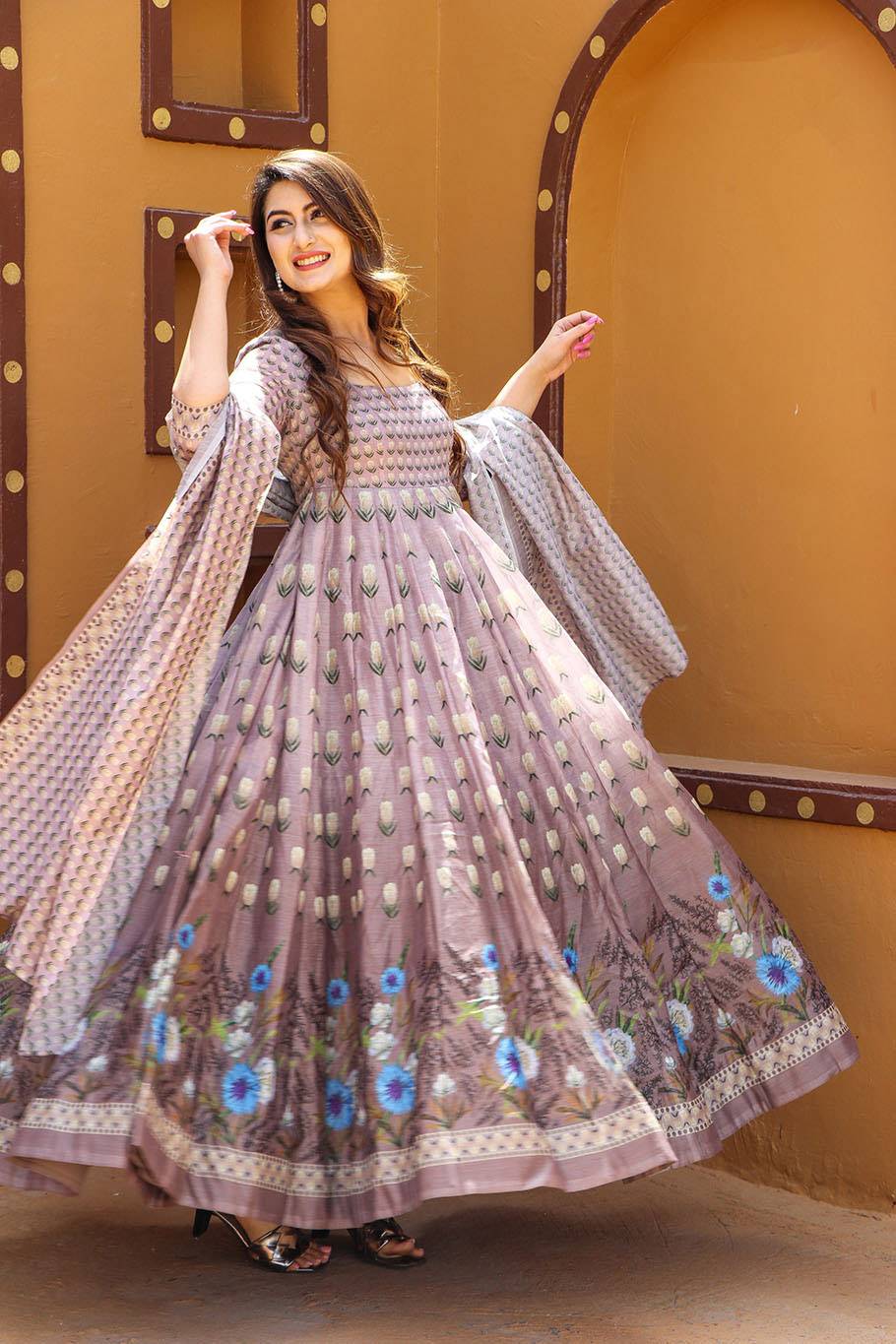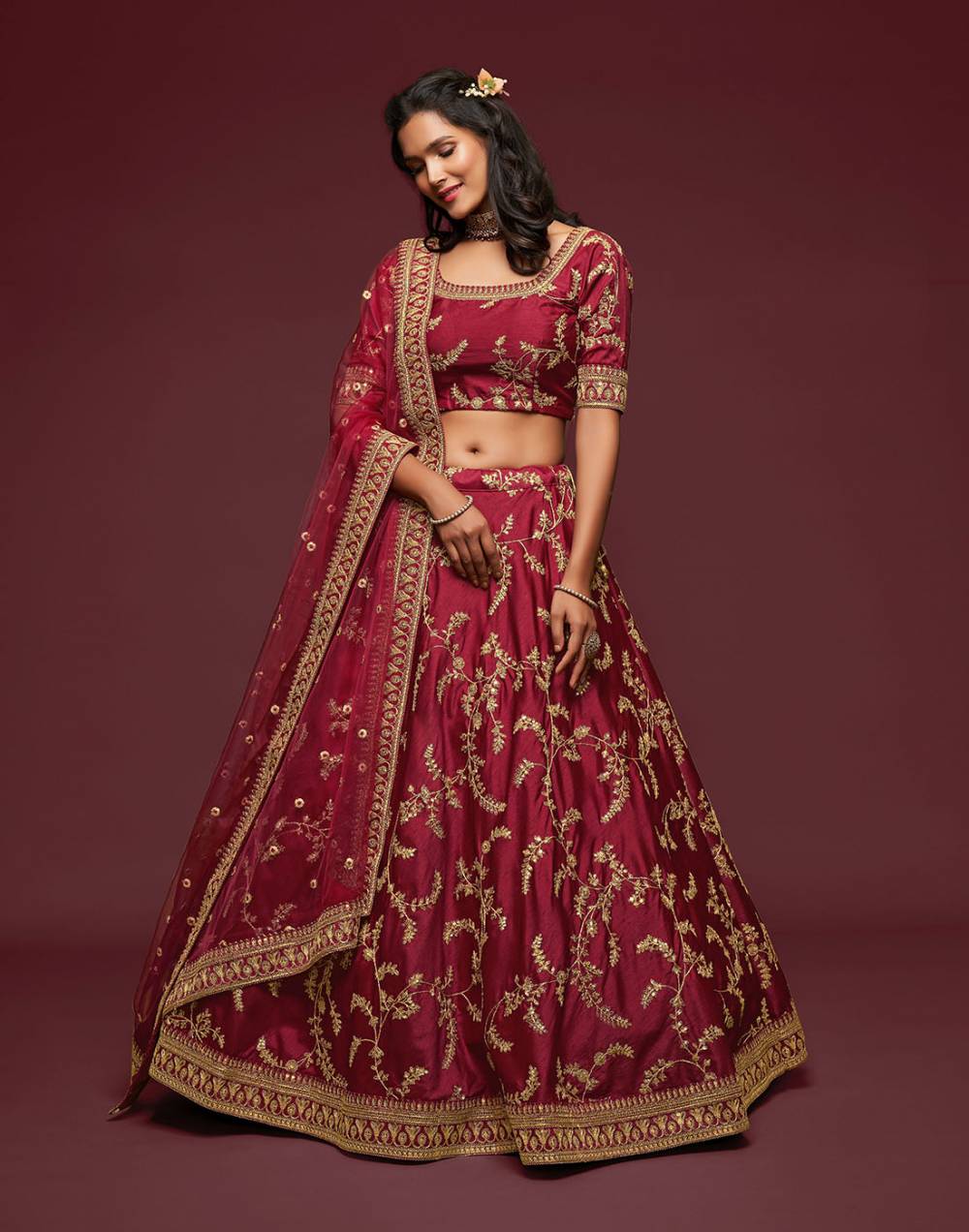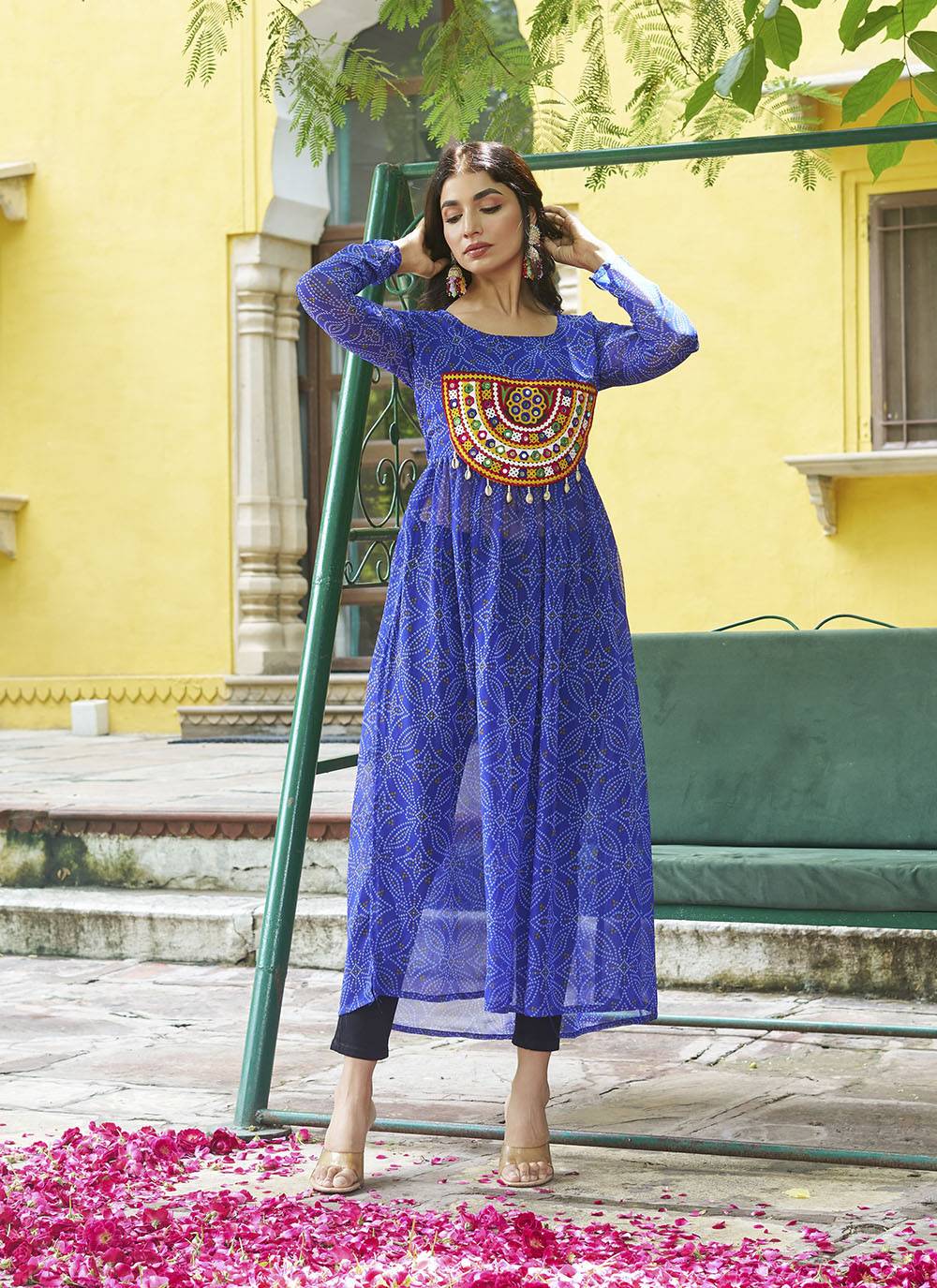
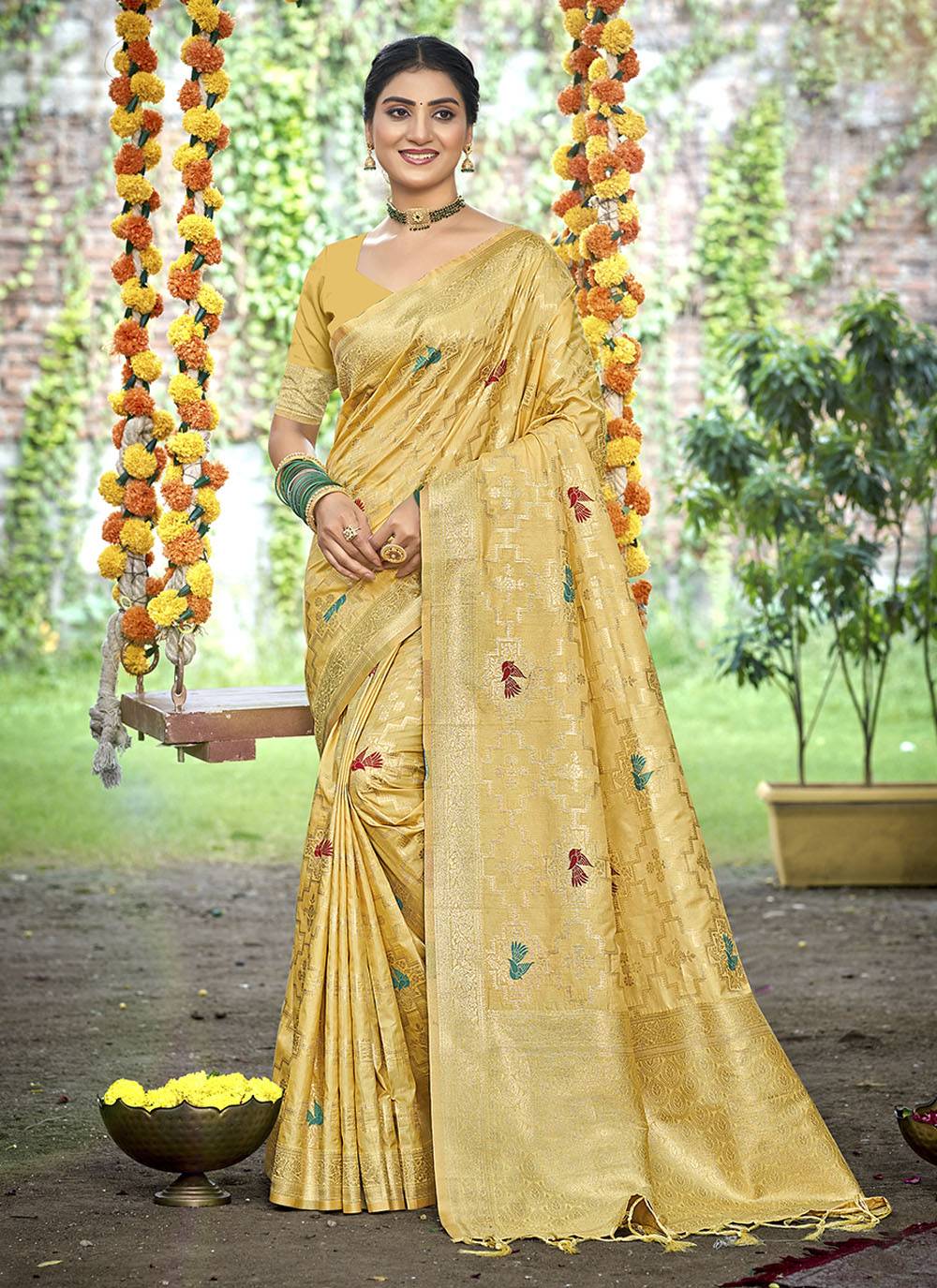
A Manchester boutique owner we supply calls her dupatta rail the quiet earner. It occupies two square metres beside the kurti wall, needs no mannequin and no staff attention, and it outsold her gown rail last year. She did not do anything clever. She simply stocked dupattas as a category instead of treating them as an accessory that comes with something else.
That is the whole opportunity. Most shops receive the dupatta their supplier sends and never order one deliberately. Meanwhile the customer has a wardrobe full of plain kurtis and a calendar full of invitations, and the gap between those two facts is exactly the size of a good dupatta programme.
Why Dupattas Deserve Their Own Order
The economics run on two behaviours. First, the upgrade sale: a statement dupatta converts a plain kurti or suit into an occasion outfit, so it sells to customers who already own the base garment and were not going to buy another. Second, the second-blouse logic from the saree counter, a customer who owns the outfit buys the dupatta to make it feel new again. Neither behaviour requires her to buy a garment, which is why the category turns faster than the garments it attaches to.
For a wholesaler or boutique, that means a dupatta order is the cheapest way to widen your occasion offer without taking on size risk. There are no sizes. A rail of sixty dupattas covers every customer who walks in, from the teenager to the grandmother, which no other ethnic category can claim.
The Type Map, Fabric by Fabric
Chiffon. The lightest common dupatta, sheer, with a slinky drape that falls straight off the shoulder. Pairs with daily and office kurtis, and with sharara sets in summer. It is fragile on hooks and rough jewellery, so hang it on smooth pegs and brief staff to smooth rather than snag when re-racking.
Georgette. Slightly heavier than chiffon, with a matte crepe texture and more body. If you stock one fabric year-round, make it this one: it drapes well, takes print and embroidery equally, and survives customer handling that ruins chiffon.
Net. The occasion fabric, usually embroidered or sequinned over a lining-weight base. Reads dressy at distance, which is what an evening function wants. Check the embroidery anchoring before you commit a full order; net dupattas carry their entire value in the work, and loose work on net fails fast.
Organza. Crisp, translucent, holds shape instead of falling. Pastel organza with a tonal border is the current daytime-wedding staple, and it photographs beautifully. Two habits matter: creases set permanently under pressure, so organza rolls instead of folding, and it belongs on display where structure can be seen.
Cotton. The everyday tier, printed or plain with a woven border. Pairs with daily kurtis and Jaipuri-style suits, and it is the only dupatta on this list that customers wash at home without anxiety.
Silk weaves and Banarasi dupattas. Zari borders, woven pallus, the upgrade tier. A Banarasi dupatta over a plain silk kurti is the standard reception outfit for a whole generation of aunts, and it sells at every price-sensitive gift occasion from Diwali to engagements.
Velvet. Winter functions only, minimal embroidery, deep colour. Keep the order small and deliberate; velvet out of season is dead weight on a rail for months.
Tissue and lame. The festive shine tier, high impact at night, fragile in daylight handling. A small depth of tissue in gold and wine tones carries the December wedding cluster.
The worked dupattas worth knowing by name
Gota patti from Jaipur, ribbon-and-zari applique in geometric and floral layouts, the wedding-season staple of north Indian retail. Phulkari from Punjab, dense floral embroidery that has travelled from trousseau heirloom to mainstream festive wear in a decade. Chikankari from Lucknow, white-on-white shadow work that makes the summer festive tier feel expensive without a single sequin. Bandhani and bandhej tie-dye from Kutch and Jaipur, which sells on sight to anyone with a Gujarati or Rajasthani customer base. Kalamkari prints, hand-drawn narrative motifs that pair with handloom kurtis for the handloom-curious customer. Each of these names is a selling word; teach your counter staff the one-line origin story and the dupatta stops being a piece of fabric and becomes a craft purchase.
Lengths, Widths and Packing
The standard dupatta runs 2.25 to 2.5 metres long by roughly 1.1 metres wide, and stoles sit at about 1.8 metres. Chiffon and georgette pack flat-folded with tissue at roughly 80 to 120 per carton; worked and embroidered dupattas need single-layer or low-stack packing at 40 to 60 per carton, because sequin weight pressing on sequin weight is how work gets crushed in transit. Organza should roll, not fold, and if your supplier flat-folds it anyway, expect to live with the creases or steam them out one at a time.
Drape Tests Before You Commit
You can read more from a dupatta in your hands in one minute than from a catalogue page in an hour:
- The forearm test. Drape the fabric over your forearm and watch the fall. Chiffon should slither, georgette should swing with weight, organza should stand away from the arm. If a chiffon dupatta stands, it is mislabelled nylon, and your customers will feel the difference before they can name it.
- The border pull test. Hold the border join at both hands and pull gently. A border that separates from the body under hand tension will not survive a dupatta's real life, which is draped, caught in car doors and pulled by children.
Merchandising the Rail
Group by colour story rather than by fabric, because the customer shops colour first and asks fabric second. Hang on smooth pegs with the border or work visible at eye level, and dress one plain kurti mannequin with a statement dupatta, the upgrade displayed is the upgrade sold. The counter script writes itself: which of your kurtis would this go over. A staff member who asks that question attaches dupattas to kurti sales at rates that surprise buyers every season we discuss it.
Frequently Asked Questions
Which dupatta fabric sells best year-round?
Georgette, for the boring, reliable reason that it combines drape, durability and print compatibility. Chiffon outsells it in summer, velvet in winter, but georgette is the rail that never goes quiet.
What is the standard dupatta length?
2.25 to 2.5 metres long by about 1.1 metres wide, with stoles at roughly 1.8 metres. Below 2.25 metres the dupatta stops wrapping properly and the customer notices, even if she never says why she did not buy it.
How should organza dupattas be stored?
Rolled, never folded under weight, because organza creases set permanently. If they arrive flat-folded from the supplier, steam them relaxed before display rather than pressing them, which trades a crease for a shine mark.
Can I sell dupattas without stocking kurtis or suits?
Yes, and it works, because your customers already own the base garments. Position the rail near wherever plain kurtis and suits are sold nearby, even in another shop, and let the upgrade logic do the rest.
What exactly is gota patti?
Ribbon and zari applique work from Jaipur, laid in geometric or floral patterns, traditionally on festive reds and now on pastels and ivory. It is the most commercially reliable worked dupatta for wedding-season retail.
How many dupattas fit in an export carton?
Flat-packed chiffon and georgette at 80 to 120, worked and embroidered pieces at 40 to 60 with low-stack packing. Light cartons, which is why small replenishment orders of dupattas move cheaply by sea.
If a dupatta programme could earn its own rail in your shop, tell us the base garments your customers already own and the occasions they dress for, and we will propose a fabric and work mix. We send swatches and sample dupattas to serious buyers, and we can walk through drape and packing options on a video call before the order goes in.
Sourcing ethnic wear for your business?
Our export team shares catalogues, MOQ and pricing tailored to your market — response within one business day.