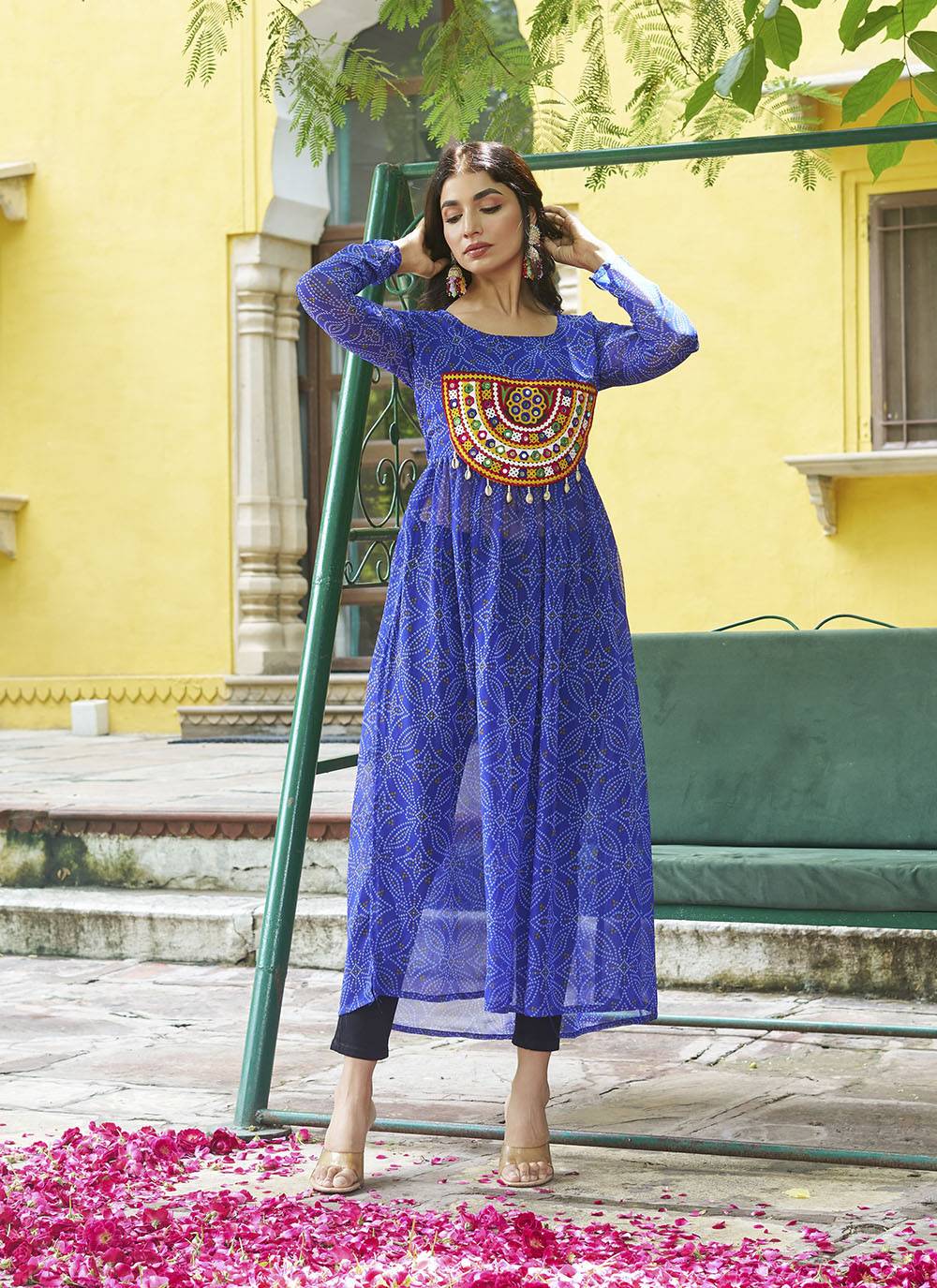
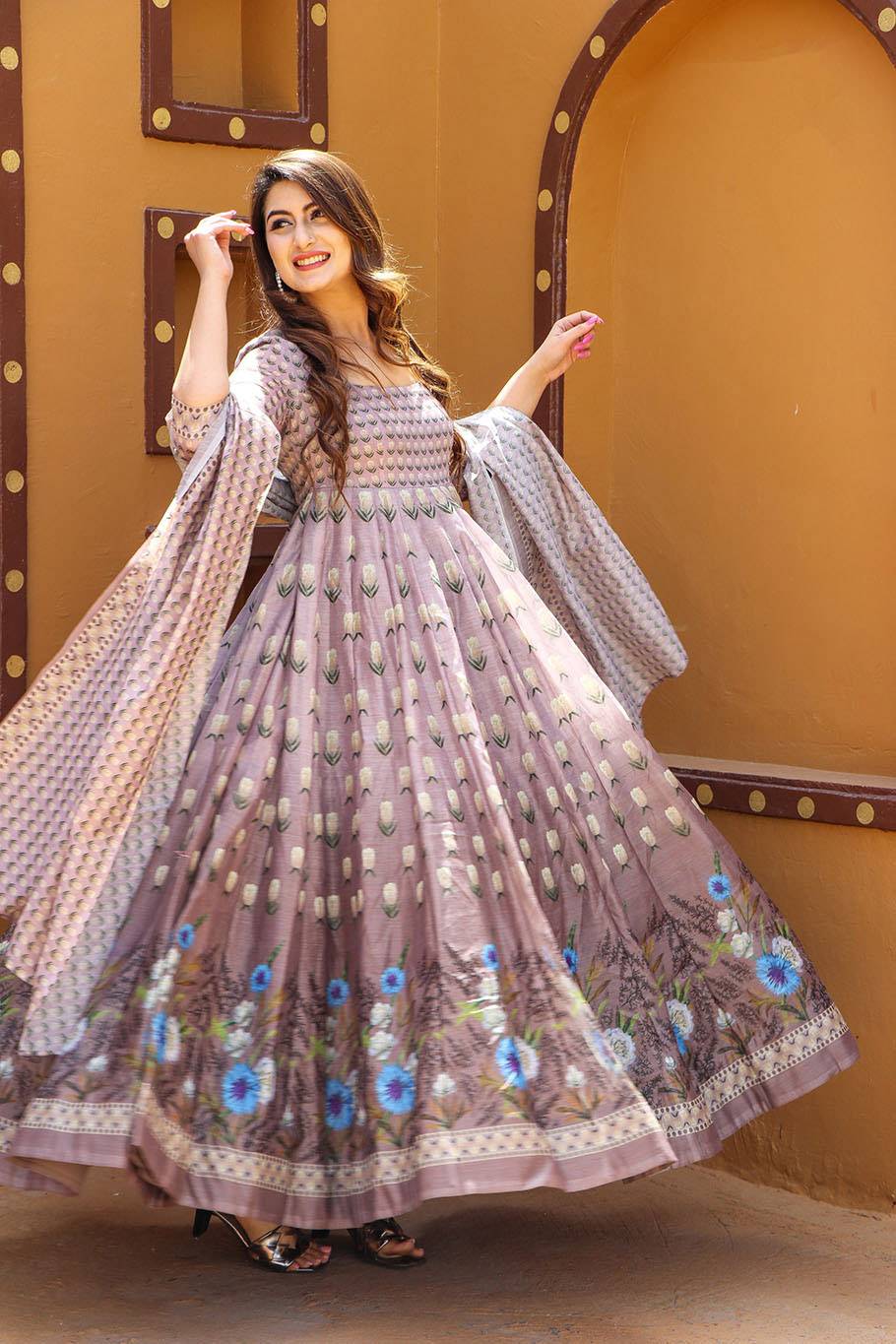
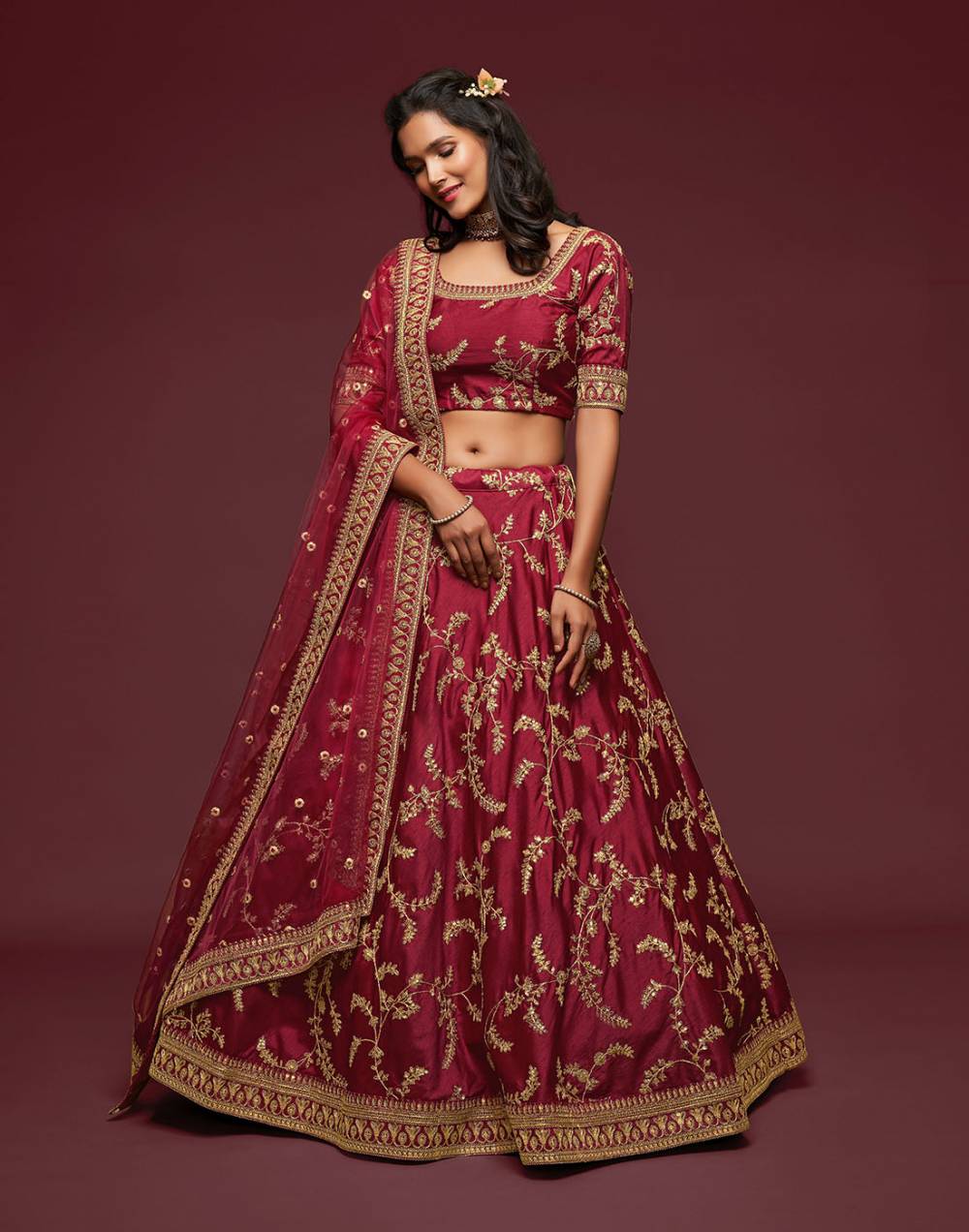
Dupatta Wholesale for Nepal: The Attach Sale That Completes Every Counter
A counter owner in Mahendrapul, Pokhara, once corrected us mid-conversation. "We don't sell dupattas," he said, gesturing at a rack that was half dupatta. "We sell completions." Every kurti that leaves his counter ideally leaves with a dupatta over it, and the percentage of kurti sales that do is the single most under-tracked number in Nepali ethnic retail. Dupatta wholesale Nepal programmes are built on that number.
The Attach Rate: The Metric Nobody Tracks
Here is the exercise we run with buyers who add dupattas to an existing programme. For one month, count every kurti sold and every dupatta sold alongside one. Most counters have never measured it. The ones that do discover they are completing barely half their transactions, which means the attach opportunity was sitting on the table in plain view. A dupatta attach sale adds revenue to a transaction that was already happening, with no new customer acquisition, no new footfall, no extra rent.
Hotel belts in Kathmandu, Pokhara and Chitwan run a quieter but steadier textile trade than any fashion counter. GSM bands, housekeeping lots and the reorder discipline behind hospitality linen programmes.
The dupatta is the quiet attach sale that lifts every kurti and saree transaction. Attach-rate economics, Tihar gifting demand and the statement-versus-daily tier split for Nepali counters.
Ajmera Export 17 Jan 20269 min read
The economics compound quietly. Dupattas are light, compressible and freight-efficient, so they ride inside a truck-batch almost as an afterthought of transport cost. They turn faster than garments in the daily tiers. And because a dupatta changes an outfit's read completely, the customer who buys one today returns sooner for the next rotation. That is the whole pitch for making ethnic dupatta import a deliberate line in your Nepal order rather than a rounding item.
Pairing with Kurti Programmes: Built, Not Guessed
The attach sale works best when it is engineered at the order stage. When we build a kurti programme for a Valley or Terai counter, the dupatta layer is planned in the same conversation: coordinated dye lots for the match-and-go sale, controlled contrasts for the fashion-forward sale, and a neutral spread of black, white and blush tones that pair with half the rack. The kurti dupatta pairing logic is simple merchandising: make completion the easiest decision at the counter.
Structurally, we plan a dupatta layer at a fraction of the kurti quantity, skewed toward shades that cross-match the programme's colour families. Too many dupattas and you have inventory without attach opportunities; too few and the counter runs dry exactly when the pairing sells. The ratio is worth discussing with your supplier per lot rather than fixing once forever, because it shifts with the season's colour mix.
Tihar Gifting: The Window That Refills the Rack
Tihar, in October and November, is the gifting festival, and dupattas are a standard gift item across the Valley and the Terai. In the run-up to Bhai Tika, counters build gifting displays where a bright, presentable dupatta does brisk duty: easy to gift, easy to carry, welcome at every age. Reds and saturated brights carry this window, and the demand arrives earlier than new buyers expect, because families shop ahead of the festival's ritual days.
The gifting tier sits between daily and statement: nicer than rotation stock, more general than wedding wear. We treat Tihar as a deliberate second drop in the autumn calendar, dispatched from Surat in early October so it lands through the Birgunj-Raxaul or eastern gates with comfortable margin. A shallow, bright, fast lot; over-buying gifting stock is a mistake that sits until next October.
Statement Versus Daily: The Two Tiers That Behave Differently
Daily dupattas are the rotation engine: chiffon, georgette, soft nets and light printed cottons at friendly counter conversations, sold all year, replaced constantly. Statement dupattas are the anchors: woven banarasi-style borders, sequinned and embroidered work, heavier silks. They sell into the wedding season from November to February, into Dashain visiting, and to the customer who wants one outfit to read two ways by changing what sits on top.
The two tiers demand opposite disciplines. Daily stock rewards breadth and frequency: many shades, small lots, steady restocking on the three-to-six-day road transit. Statement stock rewards selectivity: fewer pieces, displayed hung or draped rather than folded, sold on conversation. A counter that mixes the tiers into one undifferentiated rack under-serves both, which is a merchandising failure rather than a buying failure.
Counter Display: The Dupatta Is the Visible Hook
Because a dupatta is the most colour-dense, most visible object per gram of cloth in ethnic retail, it should be doing display work. Draped over the kurti rack, folded high in the glass case, hung at the counter's sight-line: the dupatta announces the colour story from the street. Our packing follows: presentation pieces arrive folded to show the border, daily tiers arrive in stack-ready bales, and we keep sets of coordinated shades inner-wrapped together so the completion sale assembles itself at the counter.
One honest admission: dupattas are an afterthought for most buyers until they see the numbers. On paper the category looks small; in the ledger it lifts every other line. The buyers who get it are the ones whose counters are known for completing outfits, and that reputation, once established, pulls kurti and suit traffic toward them rather than the reverse.
Ajmera Export: Your Trusted Dupatta Wholesale Nepal Partner
We run dupatta programmes out of Surat with the weaving, printing and embroidery chain inside one city: chiffon and georgette bases from the trading floors of Ring Road, print work from Palsana, karigar embroidery from the Umarwada cluster, and woven-border constructions the city is known for. For Nepal buyers, the dupatta layer rides inside the same consolidated truck-batch as your kurtis, sarees and dress material: coordinated lots for the attach sale, bright gifting lots for the Tihar window, and statement pieces for the wedding shelf, routed through whichever gate serves your counters within the three-to-six-day road window. The Certificate of Origin under the Indo-Nepal Treaty of Trade comes with the invoice and packing list, first orders settle advance-against-documents in INR, and all figures stay on enquiry. Message us on WhatsApp with your kurti programme's colour mix, and we will propose the dupatta layer to sit under it.
Why Businesses Choose Ajmera Export
Engineered pairing layers: dupatta lots planned against your kurti colour mix with coordinated and cross-matching shades
Freight-efficient consolidation: light, compressible stock riding inside the truck-batch at minimal transport weight
Tihar-timed gifting drops: bright lots dispatched in early October to land ahead of the festival's ritual days
Two-tier discipline: daily rotation depth and statement selectivity packed to different display formats
Presentation packing: borders folded to show, statement pieces protected, coordinated sets inner-wrapped together
Frequently Asked Questions
Which dupatta types sell best in Nepal?
Daily rotation runs on chiffon, georgette, soft nets and printed cottons, sold all year at friendly counter conversations. Statement demand runs on woven banarasi-style borders, sequinned and embroidered work and heavier silks, selling into the wedding season and Dashain visiting. Red and saturated brights carry the Tihar gifting window. A strong programme carries both tiers, displayed separately.
How do I sell more dupattas with kurtis?
Engineer the attach at the order stage: plan a dupatta layer in the same colour families as your kurti programme, with coordinated matches for easy decisions and neutral blacks and blushes that cross-pair half the rack. Then measure your attach rate, the share of kurti sales leaving with a dupatta, for one month. Most counters that start tracking it discover completions were sitting on the table.
Is there dupatta demand during Tihar in Nepal?
Yes, and it is a distinct window. Tihar, in October and November, is the gifting festival, and dupattas are a standard gift item: easy to give, welcome at every age. Demand builds in the run-up to Bhai Tika, carried by reds and saturated brights. The workable structure is a shallow, bright lot dispatched from Surat in early October, landing with margin before the ritual days.
Can dupattas be ordered in mixed lots with kurtis and sarees?
Yes, and that is the efficient way. Dupattas are light and compressible, so a dupatta layer rides inside a consolidated truck-batch with kurtis, sarees or dress material at minimal added transport burden. Coordinated lots can be planned against the kurti programme's colour mix in the same order. Minimums apply per category, not per dispatch.
Which fabrics work for daily dupattas in Nepal?
Chiffon and georgette carry the daily rotation: light, quick-drying, comfortable through Terai heat and easy to store. Soft nets and printed cottons rotate well at friendlier counter conversations. Heavier silks and woven constructions belong to the statement tier, where hand-feel and drape justify a slower, more deliberate sale. The daily tier rewards breadth of shades over depth.
Do statement dupattas sell outside wedding season in Nepal?
Modestly. The statement tier sells into the November-to-February wedding season, Dashain visiting and festive occasions, and quieter outside those windows. Counters that keep statement pieces year-round should display them hung and draped as anchors rather than folding them into the daily rack. The tier rewards selectivity over depth in stocking.
How should a small counter display dupattas?
Give them the visibility work. Drape one or two over the kurti rack, fold high in the glass case with borders showing, hang a statement piece at the sight-line. The dupatta is the most colour-dense object per gram in ethnic retail, so it announces your colour story from the street. Daily tiers can stack in bales behind the display pieces.
What dupatta lengths does wholesale come in?
Standard trade lengths run around 2.25 metres, with longer statement pieces and shorter daily cuts varying by construction. Dupattas also vary in width and finishing, with borders, tassels and stitched edges changing the read entirely. When ordering, confirm lengths and finishing per tier rather than assuming uniformity, because the pairing sale depends on the drape.
Can dupattas be dyed to match my kurti order?
Yes, with the same matched dye-lot discipline we apply to blouse pieces: coordinated dupattas dyed with the kurti fabric run so shades agree under counter and daylight. Controlled contrasts are built deliberately rather than left to chance. When evaluating any supplier, ask how coordinated lots are matched. A vague answer is the whole answer.
How do I start a small dupatta order from Surat?
Add a dupatta layer to your next kurti or saree programme: a fraction of the kurti quantity, skewed toward your colour families, plus a neutral spread of blacks, whites and blushes that cross-pair widely. If Tihar is approaching, a separate shallow gifting lot in reds and brights works well. The layer rides inside the same truck-batch, sharing freight and documents.
Conclusion
The dupatta is the completion sale: the number that lifts every kurti transaction, the gift that carries Tihar, and the most visible colour story on any counter. Plan the layer with your kurti programme, keep the two tiers disciplined, and let the three-to-six-day road window keep your rotation stocked. If you want your counter known for completing outfits, send your kurti programme's colour mix on WhatsApp or through the enquiry form. Serious buyers receive coordinated swatch sets and a proposed attach layer before the first lot. Small cloth, quiet numbers, steady lift.
A retailer's guide to stocking sherwanis profitably: why eight sample pieces beat eighty, how the booking model removes dead stock, and which fabrics and sizes cover most grooms. Includes packing, care and the calendar from order to aisle.
Sharara and gharara construction, fabric engineering and the second-top effect that drives reorders all season. Includes pairing rules, festival windows and the volumetric packing notes that keep freight honest.