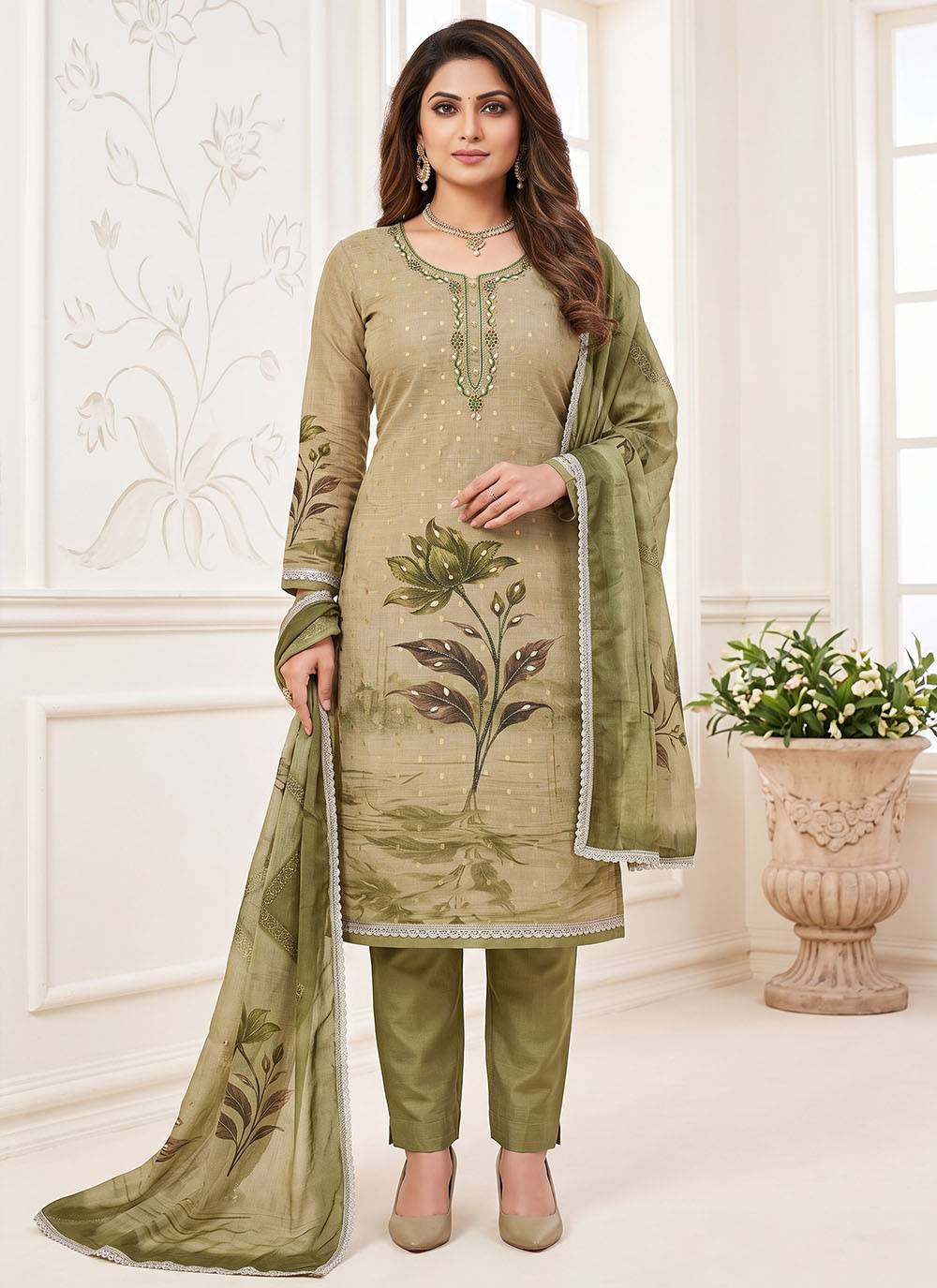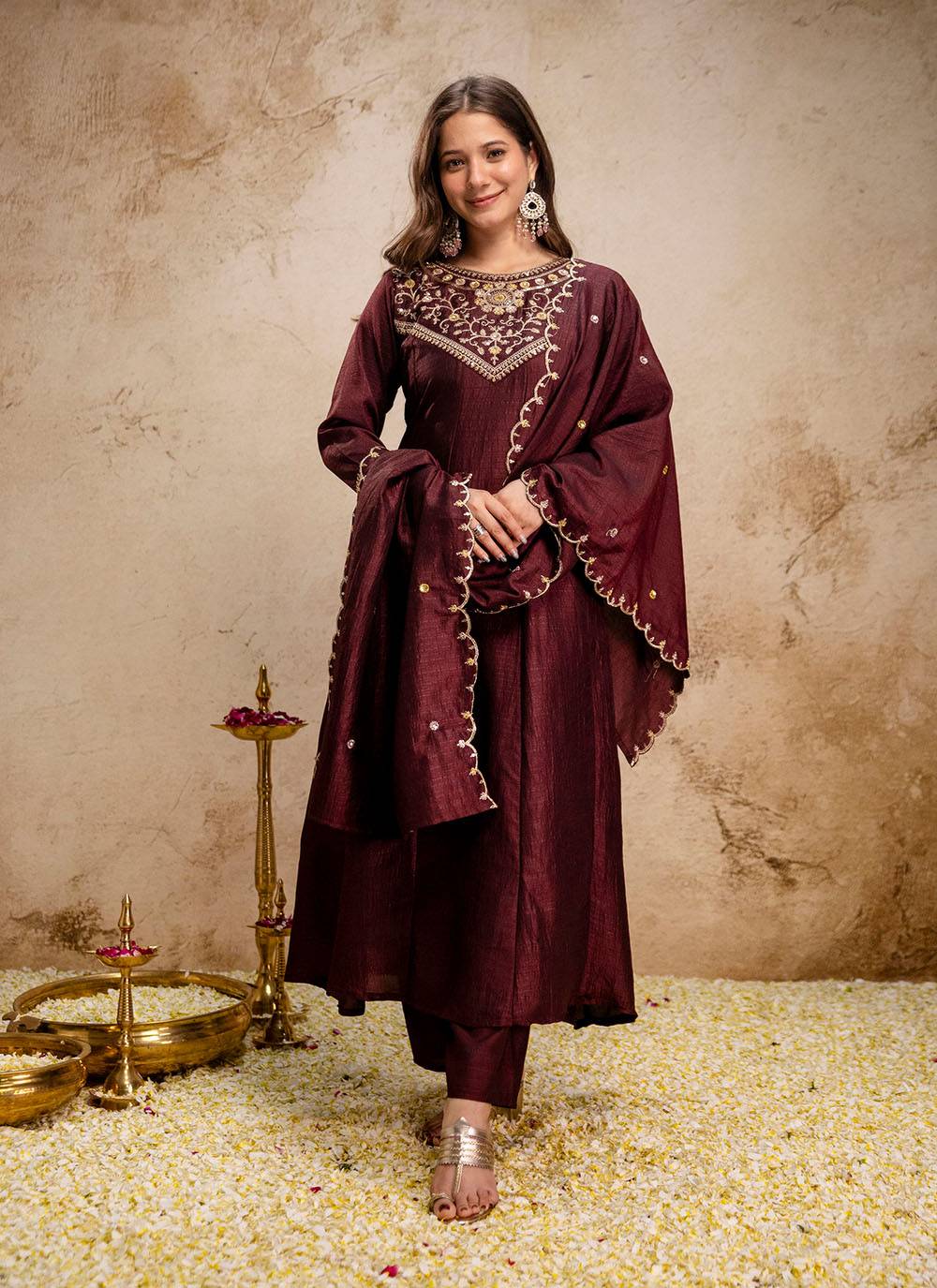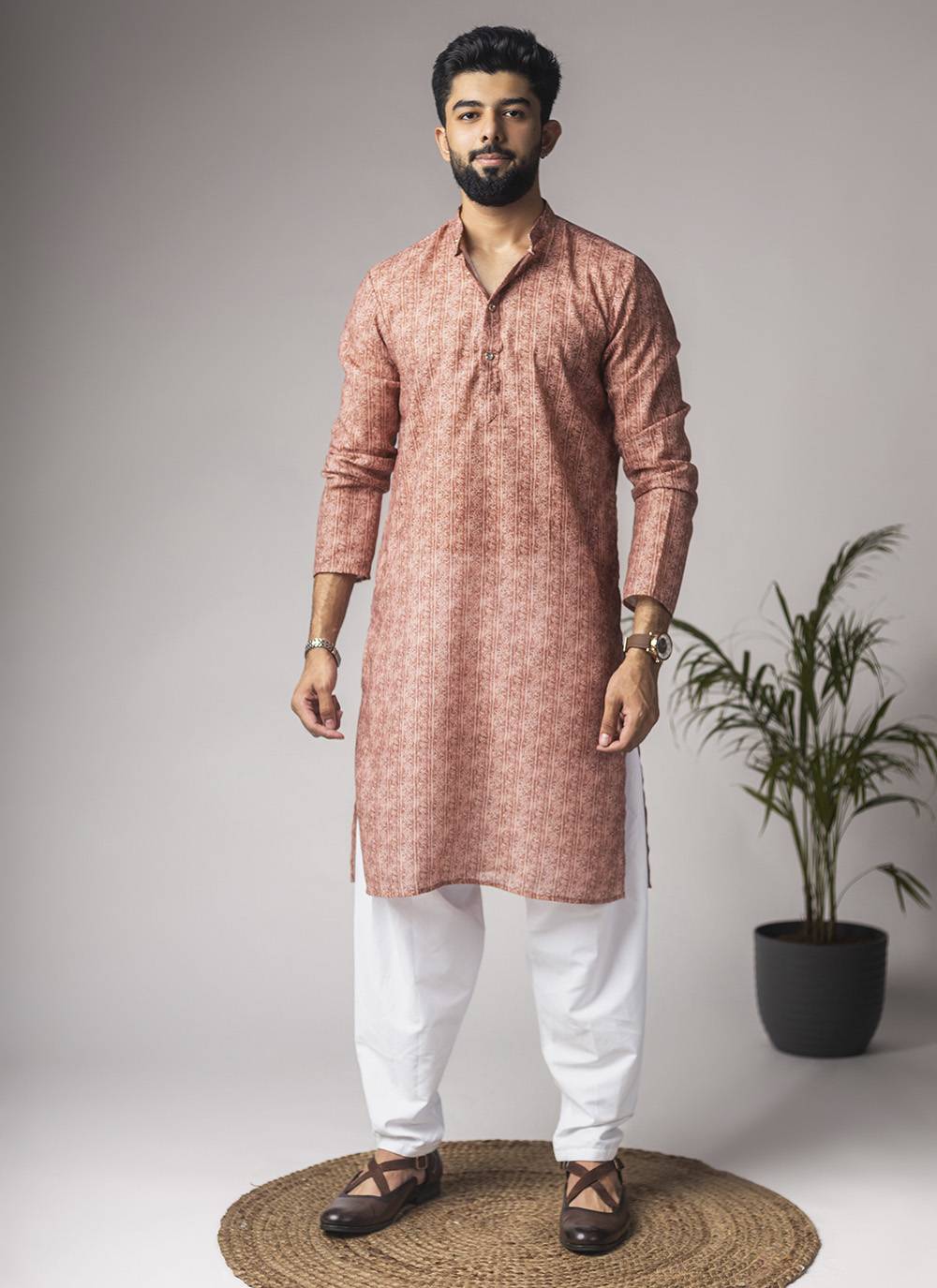
A boutique owner in Toronto shoots her entire catalogue on a phone she bought two years ago, in a back room with one window and a sheet of white foam board. Her product pages convert. Down the road, a competitor with a camera rig worth more than a container of kurtis still collects colour complaints every week. The difference was never the equipment; it was the habits around it.
The Setup That Actually Matters
One clean wall or a paper sweep, one large window or two softbox lights, a tripod, and a phone locked out of auto everything. Lock white balance, lock exposure, tap to focus, and never zoom digitally; move the phone or the garment instead. Shoot in the highest quality mode your phone offers, and edit on a calibrated screen rather than the phone itself.
Background discipline is underrated. The same background across a catalogue reads as a brand; a mixture of beige, grey and wrinkled white reads as a clearance sale. A full-length paper roll lasts months at boutique volumes and keeps edges clean for flat-lays and mannequin shots alike. Two lights set wide and even beat one dramatic light every single time for catalogue work, whatever the photography forums say.
Colour First, Because Screens Follow Light
The core problem in ethnic wear photography is deep saturated colour: maroons, emeralds, indigos, and the blacks of Gulf-bound modest wear. A camera records the light you gave it. If that light is a warm bulb in the evening, a maroon kurti drifts brick-red on screen and the returns follow.
The fix is boring and reliable. Shoot under consistent daylight-balanced light around the D65 standard, roughly 6500 kelvin, which is what most screens and print houses assume. Put a grey card in the first frame of every session so colour correction has a fixed reference. Calibrate the editing monitor monthly. Export everything in sRGB, because that is what browsers, marketplaces and WhatsApp render. Our own catalogue team fought a drifting deep maroon across two dye lots before the grey card habit went in; the fabric was consistent, the light was not.
Zari, Sequins and the Metallic Problem
Metallic thread is the hardest subject in ethnic wear photography because it is specular: it throws highlights that blow out to white while the surrounding fabric stays correctly exposed. Three habits solve most of it. Take the lights off-axis, angled to the side rather than straight on, and switch the phone flash off permanently. Tilt the garment a few degrees so the weave does not mirror the lens directly. And for anything with sequins or heavy zari, shoot a short video clip, because sparkle is a time phenomenon and stills flatten it into dull gold. Buyers consistently message about zari after watching the video, never after the photos.
Mannequin, Flat-Lay or On-Model
Flat-lay is the volume choice: fast, repeatable, and honest about print placement and border geometry. It works beautifully for kurtis, dupattas and printed co-ord sets. Keep the camera directly overhead on the tripod, square the garment to the frame, and keep hands and pins out of shot.
Mannequin shots do the work flat-lays cannot: drape. Sarees, gowns, anarkalis and anything with flare need gravity to explain themselves. Ghost mannequin takes it further: photograph on the mannequin, remove the mannequin in editing, and the garment appears filled and three-dimensional. The trick that saves necklines is one additional inside-out shot of the construction, so the editing has both surfaces to work from. On-model photography converts best of all, at the cost of models, styling and consistency; if you shoot on-model, keep the same model and fit size across a season or your size guidance falls apart quietly.
For sarees, pre-pleat on the mannequin in a fixed sequence: full front, pallu spread, border close-up, blouse piece. Run that order every time so files compare across lots and seasons.
File Discipline: Shoot Once, Use Everywhere
The biggest efficiency in boutique photography is refusing to re-shoot. One session captured well produces assets for your website, your marketplace listings, your WhatsApp catalogue and your festival campaign, from a single sitting under a single light. Discipline makes that possible:
- Name files by SKU, colour and view at import, before anything else happens
- Keep a master folder of untouched originals; edit copies, never masters
- Export a fixed set of sizes on a schedule: web, marketplace, thumbnail, WhatsApp
- Shoot every detail you might ever need in the same session: zari close-up, dupatta, lining, care label
The alternative is the boutique standard: re-photographing products before every channel push because the originals cannot be found or the light no longer matches. Over a season that wastes whole days and breaks catalogue consistency, which is the one thing an ethnic catalogue cannot afford.
What We Send, and What You Should Re-Shoot
Our buyers get catalogue photos of the actual lots they book, shot under the same D65 discipline, with shade continuity visible lot to lot. What we tell every serious buyer: re-shoot for your own channels with your own model and brand context, because a supplier's photos are sourcing evidence, not brand assets. The exception is print geometry and border detail, where flat-lay originals at consistent scale are often sharper than anything a small studio can improvise in a hurry, and we are happy for those to be reused.
Frequently Asked Questions
Is a phone camera really good enough for e-commerce?
Yes. Modern phones resolve more than web display needs. The failures in boutique photography come from lighting, colour discipline and inconsistent backgrounds, not sensor quality. Spend on lights and a tripod before a camera body.
What lighting works best for ethnic wear?
Daylight-balanced light around 6500 kelvin (D65), from a window or softboxes, with the garment lit from the side. Avoid mixing warm and cool sources in one session, and never rely on ceiling bulbs alone for deep shades.
How do I photograph zari without blown highlights?
Angle lights off-axis, tilt the garment a few degrees so metallic thread does not mirror the lens, switch the flash off entirely, and add a short video clip, since sparkle reads better in motion than in stills.
Should sarees be shot flat-lay or on a mannequin?
Mannequin for drape and pallu structure, flat-lay for border and print geometry, ideally both in the same session. Keep a fixed sequence of views so sarees compare across dye lots and seasons.
What is a grey card and why does it matter?
A neutral grey reference photographed in the first frame of each session. It gives editing an anchor for true colour, so a deep maroon stays the maroon the dye lot produced instead of drifting with the room's light.
How many photos does each product need?
Four to seven for most garments: front, back, one detail shot, and a scale or styling reference. Occasion wear with zari or sequin work deserves more, plus that short video, because detail carries the sale in this category.
If you want catalogue-grade shots of the actual lots you are considering, our desk sends real product photos and short videos over WhatsApp during enquiry, so you can judge colour and zari behaviour before committing. Serious buyers can also request courier samples and shoot them under their own studio light, which is the honest test of how our colours behave on your screens.
Sourcing ethnic wear for your business?
Our export team shares catalogues, MOQ and pricing tailored to your market — response within one business day.