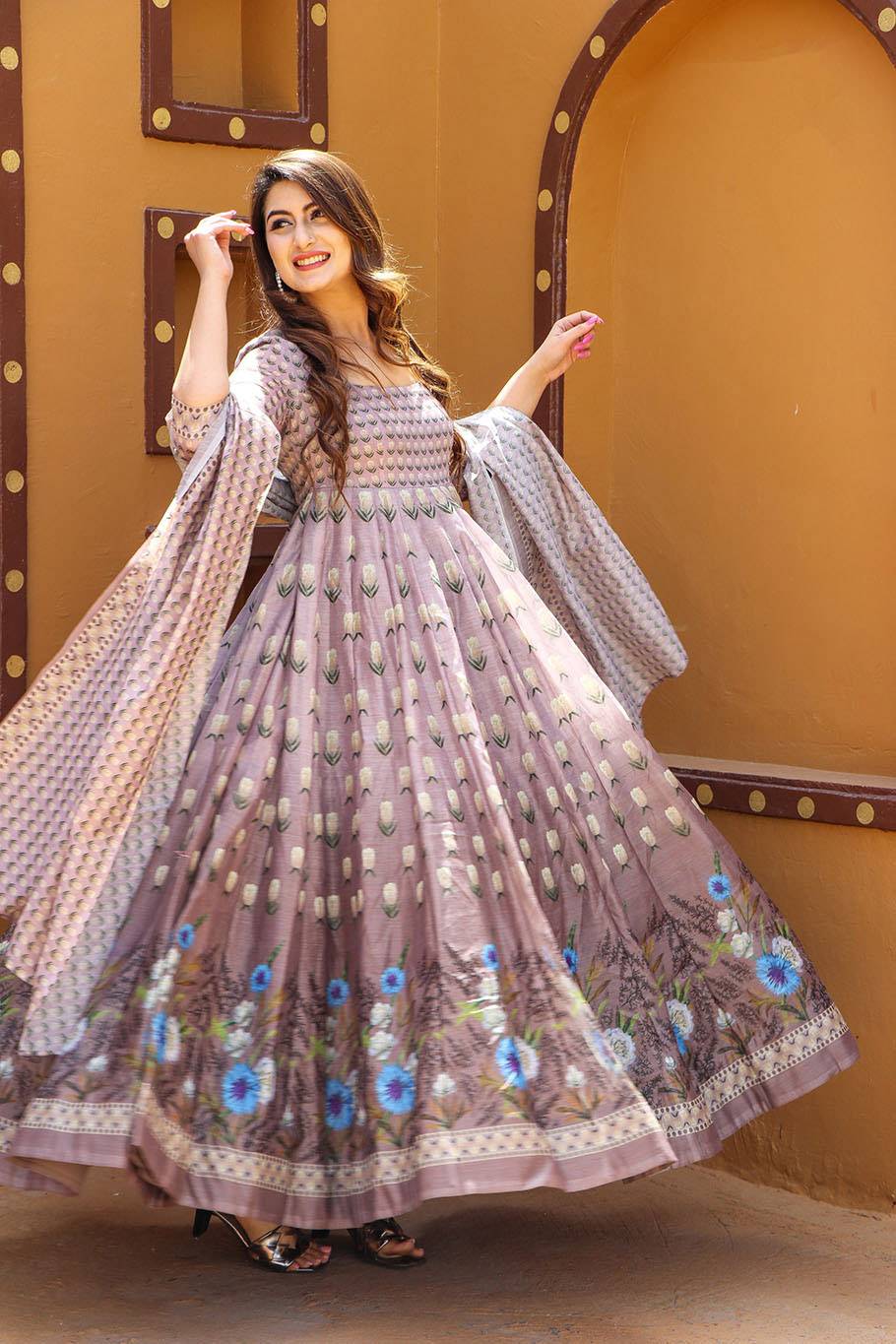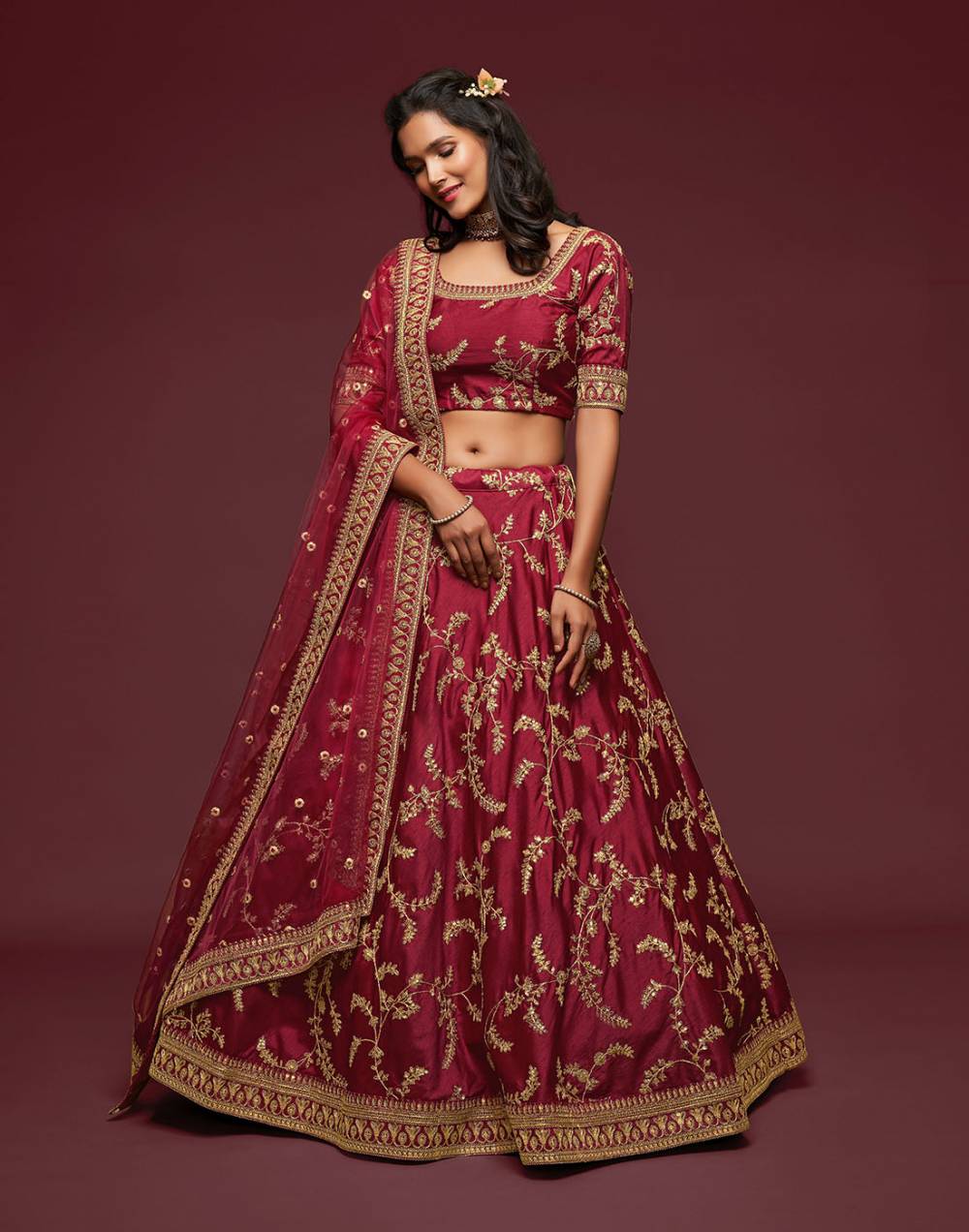
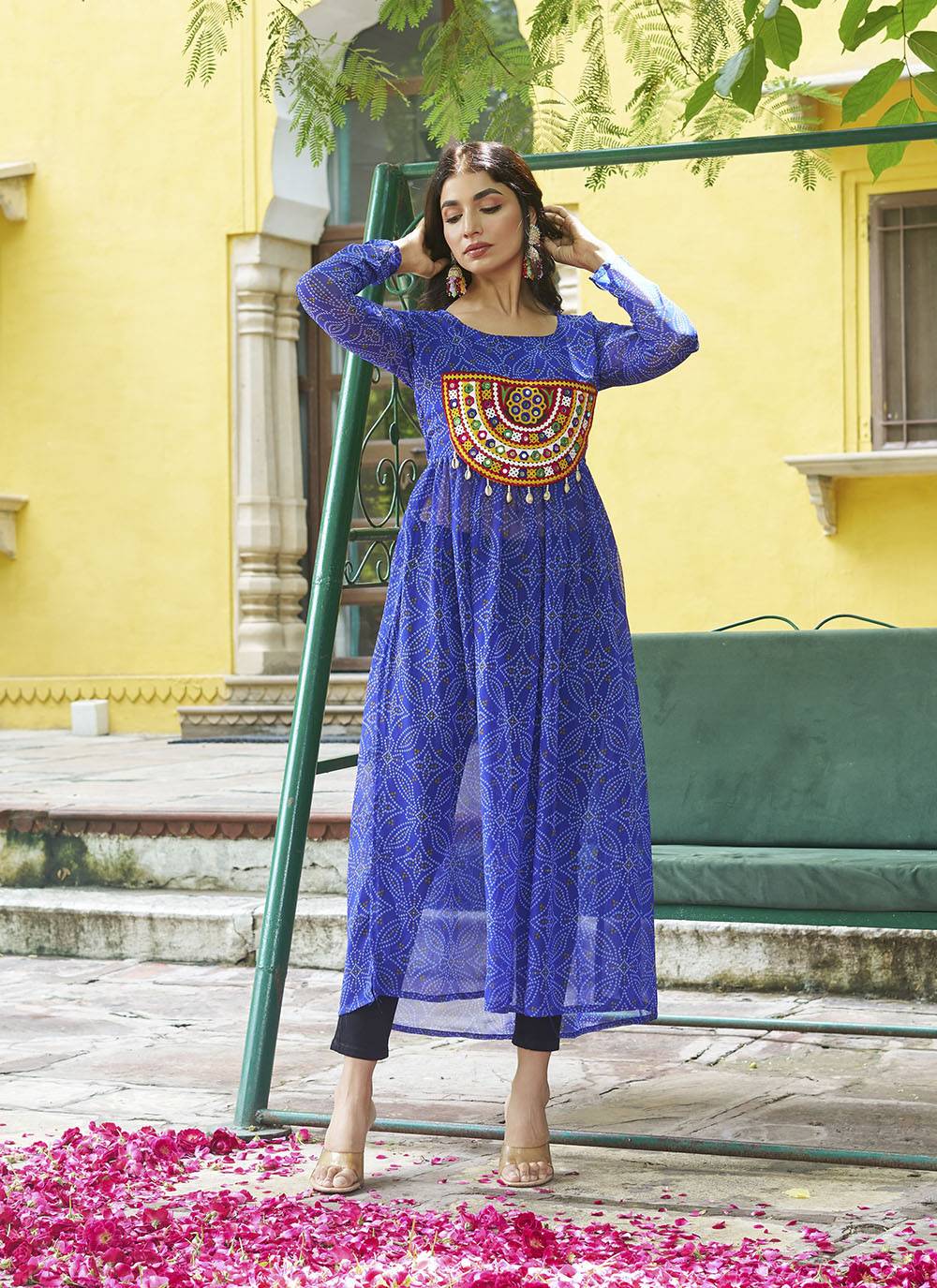
A wholesaler in Auckland told us Jaipuri suits were "too delicate" for her customers, having confused hand block prints with something fragile. Twelve months later the same category had reordered three times and quietly outperformed her occasion wall. Daily-wear cotton is not glamorous at a trade show. It is simply the category that brings customers back every few weeks.
The catch is knowing exactly what you are buying, because "Jaipuri" covers several different products at very different price structures and lead times.
Hand Block, Machine Print, and the Difference Nobody Explains
Real Jaipuri block printing is done with carved wooden blocks, one colour per block, one stamp per repeat, by printers working in and around Jaipur. Within that tradition, two styles matter to buyers:
- Sanganeri: fine florals and delicate vines on lighter grounds, the pretty register that city retail loves.
- Bagru and dabu: mud-resist printing with earthier palettes, indigo in particular. The look ages beautifully and has a loyal following.
Machine-printed "Jaipuri style" suits carry the same motifs through rotary or digital printing. These are perfectly legitimate goods, consistent across thousands of pieces and available on short lead times. They are not the same product as hand block, and your invoice should say which one you are holding, because your customers will eventually ask.
Fabric Decides the Daily-Wear Experience
The print is the hook, but the cloth is why customers reorder.
- Cotton cambric, around 90 to 100 GSM: the workhorse for daily suits. Breathable, takes print well, survives machine washes.
- Mulmul, also called mul: lighter and softer, a summer favourite that needs gentle washing and honest care labels.
- Slub cotton: texture hides creasing, photographs well, and reads slightly dressier.
- Rayon blends: drape-forward and easier care, but check pilling and shrinkage on a wash test before committing.
Two fabric questions matter more than anything else on the order sheet. First, is the cloth pre-shrunk? Unshrunk cotton suits can lose 3 to 5 percent after the first wash, which turns a knee-length kameez into a decision your customer regrets. Second, pigment or reactive dye? Pigment sits on the surface and fades gracefully over washes; indigo purists and many loyal buyers actually want that softening. Reactive dyes bond into the fibre and hold colour through years of washing. Neither is wrong, so sell each honestly. Run a dry and wet rub test, the crocking check, on a swatch before bulk and staple the swatch to your order file.
Why Daily-Wear Suits Reorder Differently
Occasion wear sells in spikes. Daily wear sells in rotations. Customers build wardrobes of five to ten cotton suits and refresh one or two a month, so the reorder curve is flat, long and driven by repeat customers rather than new ones. That changes what you should buy:
- Florals and indigo age slowly. A good buti print can sit on a reorder list for years.
- Ultra-trend motifs die fast. Buy them shallow or skip them entirely.
- Sizing consistency matters more than design novelty, because the same customer buys her same size repeatedly.
What to Check on the Garment
Turn a suit inside out before you accept the lot. Look for even neckline embroidery, gota tape aligned on the placket rather than drifting, and side slits at consistent heights. On hand block pieces, look at the side seams: block repeats will never align perfectly, and small registration variation is the fingerprint of the real thing, not a defect. On machine prints the repeats should match almost exactly; if they do not, the stitching was rushed.
Check that kameez, bottom and dupatta came from the same print lot. A "same design" dupatta printed a month later can read a shade off under shop lights, and customers notice on the counter, not at home.
Sourcing Honesty: Capacity and Lead Times
A hand block printer covers a limited number of metres per day per table. If you need five hundred suits in four weeks, you are going to get machine printing, whatever the paperwork implies, or you are going to wait. Plan hand block orders 6 to 10 weeks out and use them as your premium layer, and run machine-printed Jaipuri style as the volume layer beneath it. Together the two cover both the craft customer and the rotation customer on one shelf.
That is the honest trade-off of this category: hand block costs more and moves slower, but it reorders for years and earns the story on the hangtag. Machine print pays the rent.
Customers, Hangtags and Care Labels
Daily-wear cotton attracts a particular retail rhythm. The core customer buys on rotation, as we said, but three secondary groups are worth stocking for deliberately:
- Sustainability-minded buyers who respond to hand block's craft-scale story, and who will hold out for the real thing once they understand the difference between hand and machine.
- Gifting buyers, because a cotton block print suit is the rare present that flatters without risking a size miss, and it travels well in a gift box.
- Destination and university-town trade, in places like Auckland, coastal Australia and student cities, where "Jaipur" carries real weight as a word on the label.
For all three groups, the hangtag does genuine work: printing cluster, dye system, wash instructions. Write it honestly and the product justifies itself.
Care labels deserve equal attention, because half the returns in printed cotton categories are care failures, not product failures. Print washing instructions on the label instead of a cryptic row of symbols: cold wash separately for the first two washes, pigment prints inside out, mulmul on a gentle cycle. A cotton suit with honest care instructions outsells the same suit with no instructions, purely because it survives the customer's enthusiasm.
Frequently Asked Questions
Is hand block print the same as machine print?
No. Hand block uses carved wooden blocks stamped one colour at a time, with natural registration variation and slower output. Machine print reproduces similar motifs via rotary or digital printing with perfect repeats and short lead times. Both are legitimate; the difference belongs on your invoice and your hangtag.
Will the colours fade in the wash?
Pigment prints soften over the first several washes by design, and indigo fades gracefully, which many customers actively want. Reactive dyes hold fast through years of washing. Ask which dye system your lot uses and set care instructions accordingly.
How much do cotton Jaipuri suits shrink?
Unshrunk cotton can lose 3 to 5 percent, mostly in length, on the first wash. Pre-shrunk fabric solves most of it, and cutting kameez lengths with wash allowance handles the rest. Ask your supplier to confirm pre-shrinking in writing.
What is the difference between Sanganeri and Bagru prints?
Sanganeri work, from Sanganer near Jaipur, is fine and floral on lighter grounds. Bagru leans into mud-resist dabu techniques and earthier palettes, indigo in particular. The same city cluster produces two very different looks for two different customers.
Can I get Jaipuri suits in winter fabrics?
Yes, the same print traditions run on khaddar and heavier cottons for winter programmes. Order those by July for an autumn shelf, because the printing capacity that is relaxed in June gets busy by August.
What MOQ and lead time should I expect?
Machine-printed cotton suits run in the standard 3 to 4 week production window. Hand block needs 6 to 10 weeks depending on print complexity and printer availability, with design minimums per block layout. Book hand block first if you want it for a season opening.
If you want a Jaipuri programme with the print method, dye system and pre-shrinking status confirmed on paper, send us an enquiry. We courier swatch sets and sample suits to serious buyers, including rub-test results, so you can judge the fastness on your own counter before the bulk ships.
Sourcing ethnic wear for your business?
Our export team shares catalogues, MOQ and pricing tailored to your market — response within one business day.