On our desk, Janakpur is filed as a wedding market first and a city second. The town is modest by population, sitting in the Madhesh near the Indian border, but its marriage economy behaves like something three times its size. Weddings here are not seasonal events; they are an industry with a temple at the centre of it.
The Dham City That Marries Above Its Weight
Janakpur's pull comes from the Janaki Temple, the towering white complex dedicated to Sita, born in this region according to the Ramayana. That is not trivia; it is the engine of the local trade. Couples travel to Janakpur to marry in the dham, the sacred city itself, and families arrive with full wedding parties, which means they arrive needing cloth. Outfits for the bride, outfits for the party, gifts for the in-laws, sarees for the rituals.
The result is a that runs on a strange and wonderful calendar. The national November to February wedding season applies, but the pilgrimage stream keeps marriage-adjacent demand alive well beyond it. Our buyers in the belt plan for a longer wedding shoulder than anywhere else we supply in Nepal.
Indian textile trade lives on WhatsApp, and buyers who run the channel well outpace those who wait on email. Thread discipline, photo evidence, time-zone rhythm and escalation etiquette, from our side of the desk.
Janakpur Weddings: The Mithila Market That Outbuys Its Size
Janakpur is a small city that spends like a big one whenever a wedding is involved. Inside the Mithila market's bridal demand, guest sarees and pilgrimage counters.
Ajmera Export 31 Mar 20268 min read
Janakpur wedding market
Mithila Wedding Sarees: The Colour Code
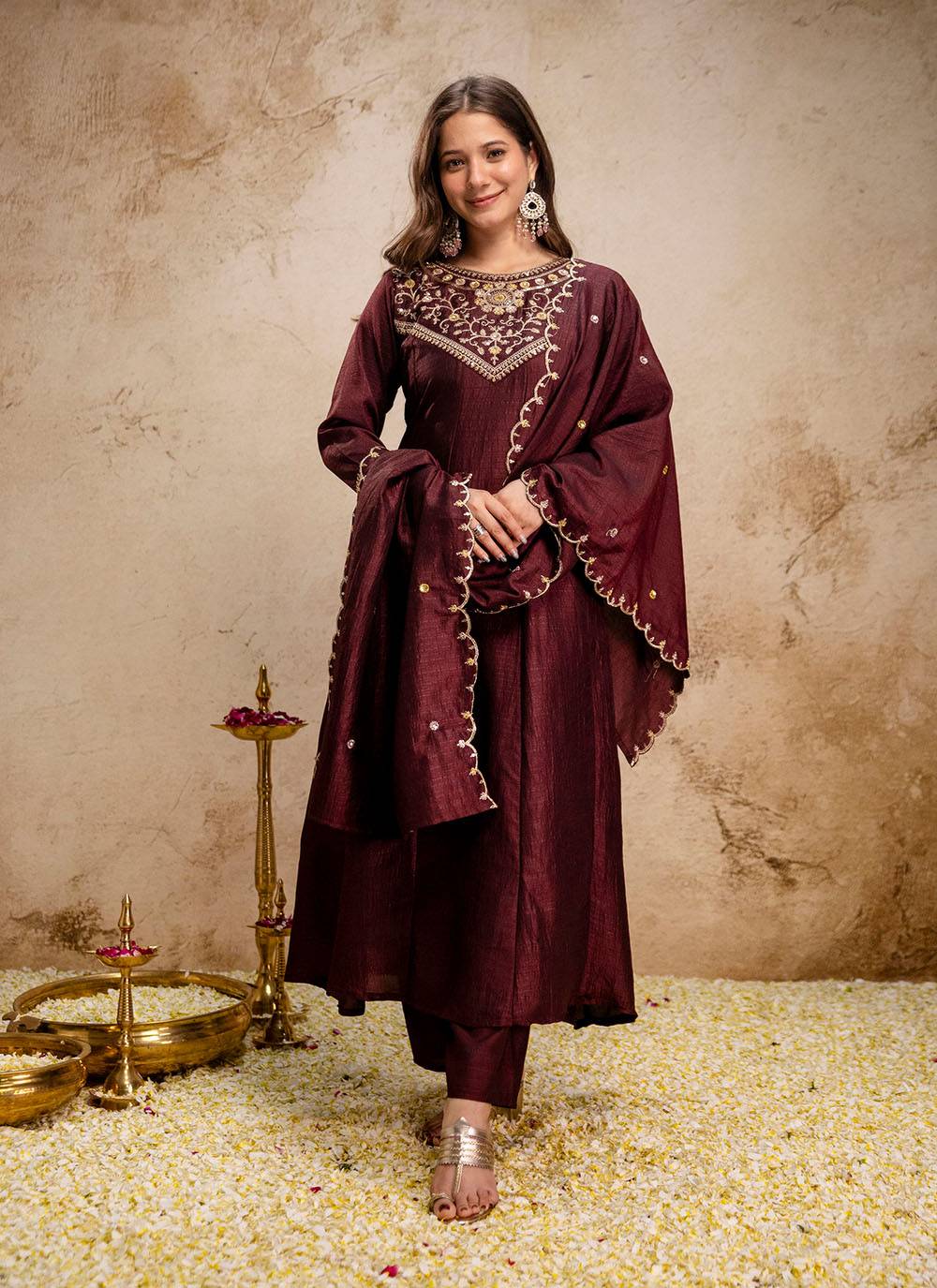
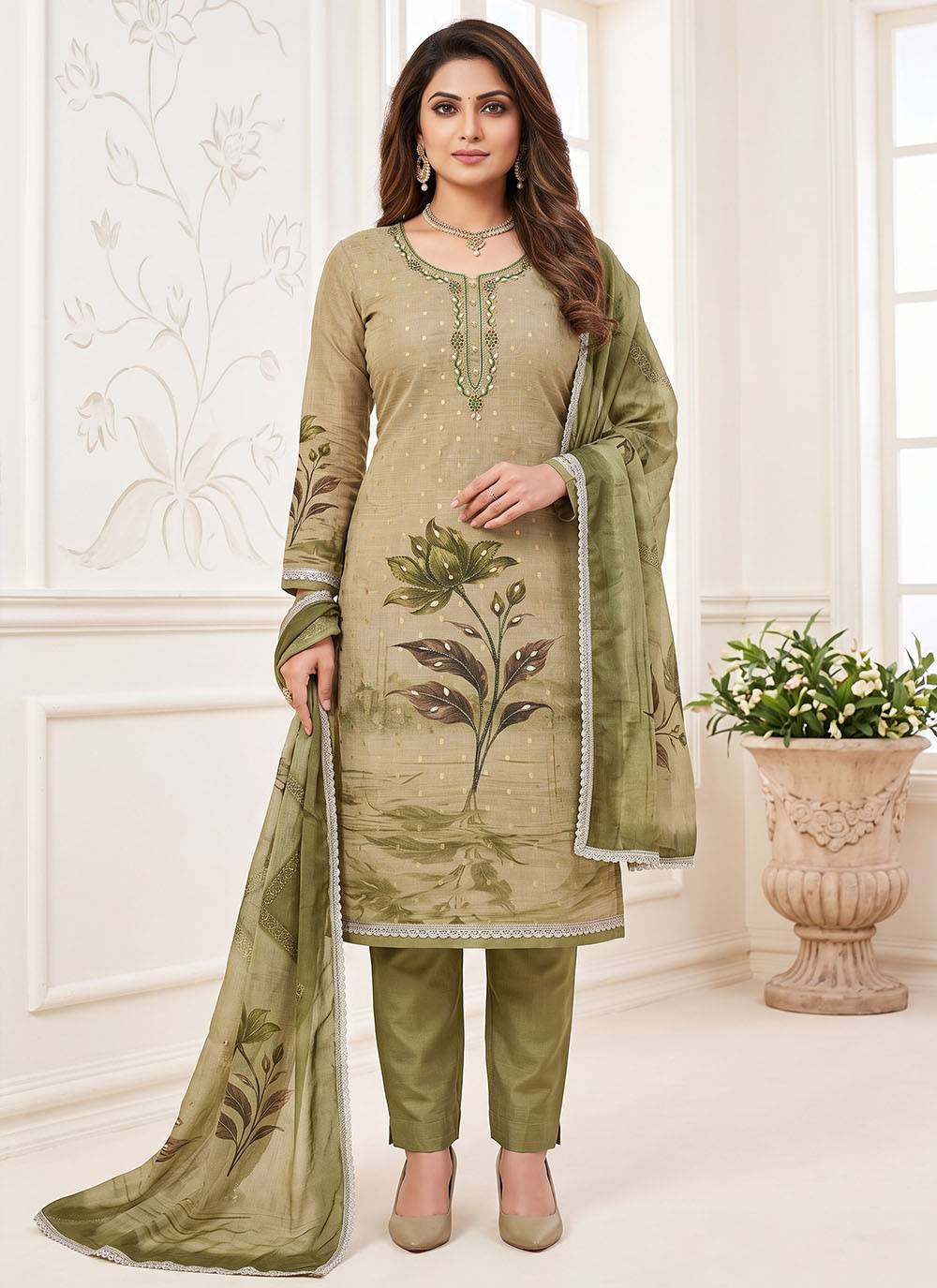
Mithila wedding saree demand follows a colour code that rewards suppliers who respect it. The bridal register sits deep: reds, maroons, and the magenta family carry the ritual weight. Bandhani and heavy-bordered constructions do steady work, and the guest tier runs broader, greens, pinks and contrast borders moving in volume around every wedding date.
Here is the honest admission from our own order book. This palette is conservative. Buyers occasionally push trendier pastels and muted tones into a Mithila wedding programme because those shades are moving in Kathmandu or Delhi, and those pieces then sit. The deep traditional register sells through, season after season, even when the trend forecasts say otherwise. When in doubt in this belt, bet on red.
Bridal Lehenga Demand in the Madhesh
Janakpur lehenga demand has grown alongside the reception culture that has spread from the metros into the Madhesh. Brides now often change into a lehenga for the reception evening, which means a wedding that once needed one heavy saree now needs a bridal saree plus a bridal lehenga. Two anchors per wedding, multiplied across a marriage economy, moves serious volume.
What sells is photography performance. Reception evenings are photographed and videoed relentlessly, so heavy embroidery, defined borders and deep saturated colours that read well under artificial light are what brides' families look for. On our floor we treat Madhesh bridal pieces as a distinct brief: bolder palettes, heavier work, and complete sets with dupatta and blouse coverage, because an incomplete set in this market is an unsellable set.
Pilgrimage Counters Around the Janaki Temple
The lanes ringing the temple complex hold a retail world of their own, and part of it runs on offerings. Devotees offer sarees and cloth to the goddess, and counters around the dham supply that devotion in steady volume. These shops are small, their turnover is fast, and their buying pattern is the opposite of a season programme: they reorder in small lots, frequently, all year.
Suppliers who want this trade should pack for it. Pilgrimage-counter cartons carry dense mixed runs of mid-weight sarees, easy to split into handfuls, not premium showpieces. It is modest per-piece work compared with bridal, but it is the most predictable rotation in the city. Madhesh wedding retail and pilgrimage retail share the same lanes and completely different buying rhythms.
Planning a Janakpur Wedding Programme
Trucks reach Janakpur either up the Mahendra Highway from the Birgunj side or through the quieter Bihar crossings near Jaynagar and Sitamarhi. Either way, the land route keeps order-to-shelf inside roughly two weeks, which changes how the wedding season is run. You do not need to buy the whole season in October; you buy the anchor depth before November and then reorder what actually sells in December and January.
Vivah Panchami deserves its own line in any plan. The festival in November or December dramatises the wedding of Ram and Sita, and it effectively opens the city's marriage season with a bang. Wedding-weight stock needs to be on shelves before it, which means Surat dispatches in late October for this belt.
Ajmera Export: Your Trusted Janakpur Wedding Partner
We build Janakpur programmes around the marriage economy, not around generic festive calendars. Our Surat manufacturing base produces the bridal-weight sarees and complete lehengas the Mithila register demands, with the embroidery depth that photographs well under reception light, alongside the mid-weight mixed runs that keep pilgrimage counters rotating. Our desk packs bridal anchors, guest-tier sarees and offering-grade lots as distinct carton streams in one consolidated truck, with documents including the Certificate of Origin prepared in-house. We will tell you honestly what mix we would run in your position, because we have watched pastel-heavy programmes sit while the deep register sold out. Tell us your counters and your wedding dates; samples and exact costs go to serious buyers on enquiry.
Why Businesses Choose Ajmera Export
One accountable desk: quoting, embroidery chasing and dispatch planning sit with the same person who answers for them
Bridal-weight capability: heavy sarees and complete lehenga sets built for reception photography, from our own Surat cluster
Register-honest advice: we steer buyers toward the palettes that sell in the Madhesh, not just the ones trending on mood boards
Distinct carton streams: bridal anchors, guest tier and offering-grade lots packed separately in one consolidated load
Enquiry-only pricing: costs discussed directly with genuine buyers, never displayed
Frequently Asked Questions
Why is the Janakpur wedding market so large?
Because it is a pilgrimage destination as well as a city. Couples travel to the dham to marry in the presence of the Janaki Temple, arriving with full wedding parties who all need cloth. That stream stacks on top of the region's own November to February wedding season, so the marriage economy outbuys the city's size.
Which sarees sell best for Mithila weddings?
The deep traditional register: reds, maroons and magentas in bandhani and heavy-bordered constructions for the bridal tier, with greens, pinks and contrast borders carrying the guest tier. This palette is conservative and consistently sells through, even when trendier shades stall on the shelf.
What is Vivah Panchami and why does it matter for stock?
Vivah Panchami, falling in November or December, dramatises the wedding of Ram and Sita and effectively opens Janakpur's marriage season. Wedding-weight stock needs to be on shelves before it arrives, which means dispatching from Surat by late October. Treat it as the region's wedding-season starting gun.
When does the Janakpur wedding season run?
The core season runs November to February, matching the national calendar, but pilgrimage weddings keep demand alive beyond it. The city effectively has a longer wedding shoulder than other markets. Plan anchor depth before November and mid-season reorders for December and January.
Do Janakpur retailers stock bridal lehengas?
Yes, and demand has grown with reception culture. Brides often pair a heavy bridal saree with a lehenga for the reception evening, so complete embroidered sets with dupatta and blouse coverage are the standard requirement. Heavy work that photographs well under artificial light leads the brief.
What colours dominate Madhesh wedding retail?
Deep reds, maroons and magentas carry the ritual weight, supported by greens and pinks at the guest tier. The palette is deliberately conservative. Suppliers who push muted pastels into this market usually watch them sit while the traditional register sells out.
How does pilgrimage affect Janaki temple saree counters?
Devotees offer sarees and cloth to the goddess, so temple-lane counters run a fast, year-round rotation of mid-weight sarees bought in small frequent lots. It is modest per-piece work compared with bridal, but it is the most predictable demand in the city, and packing for it differs from wedding programmes.
Can I order small mixed lots for a Janakpur counter?
Yes. Pilgrimage counters especially buy shallow and often, and mixed-category cartons packed as dense runs suit them. For wedding-weight bridal pieces, depth matters more, so the sensible structure is a consolidated truck carrying both streams rather than separate small shipments.
How do trucks reach Janakpur from India?
Most textile loads either run up the Mahendra Highway from the Birgunj side or cross through the quieter Bihar-side gates near Jaynagar and Sitamarhi. The land route keeps order-to-shelf inside roughly two weeks from Surat dispatch, which supports mid-season reordering.
How fast can wedding stock be reordered mid-season?
Quickly enough to change how you buy. With dispatch from Surat, the border crossing and onward delivery, a reorder can land in Janakpur within about two weeks. Buy anchor depth before the season, then reorder the constructions that actually sell in December and January.
Conclusion
Janakpur teaches a simple lesson: read the ritual economy before the retail map. The temple drives a marriage trade that outbuys the city's size, the colour code is conservative and profitable for those who respect it, and the pilgrimage counters offer rotation that never stops. Stock the deep register, land your anchors before Vivah Panchami, and use the two-week land route to reorder what actually sells. Send us your counters and wedding dates on WhatsApp or through the enquiry form, and we will plan a Janakpur programme with you, samples included for serious buyers.
Incoterms decide who pays, who owns the goods and whose problem each leg of the journey is. A plain-language walk from EXW to DDP, with the risk-transfer moments that surprise first-time textile importers.
Tourist counters in Thamel, Lakeside and Boudha sell a narrower, stranger range than locals expect: statement pieces, easy-fit kurtis, wraps and woollens. Here is what actually moves and how to stock it.