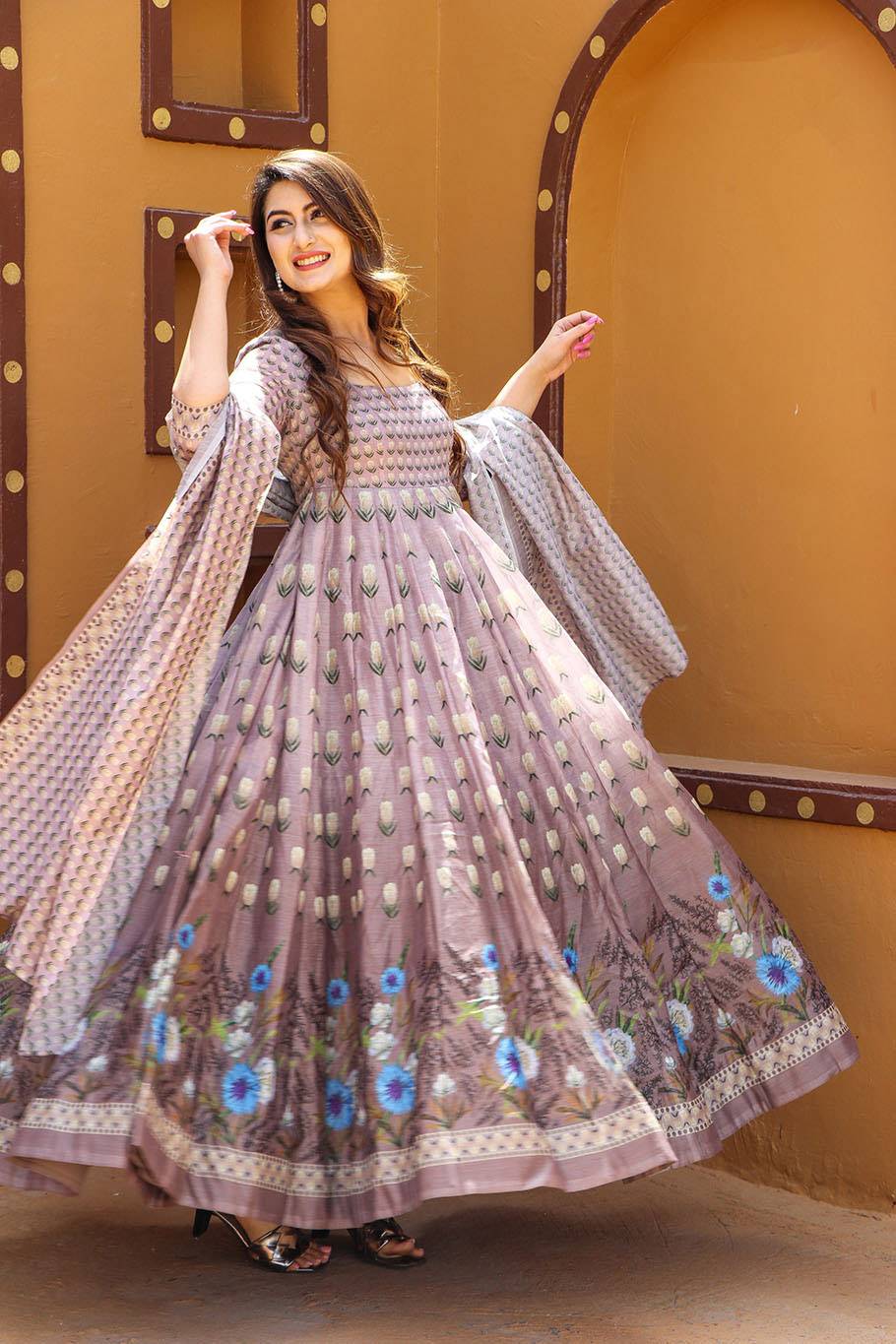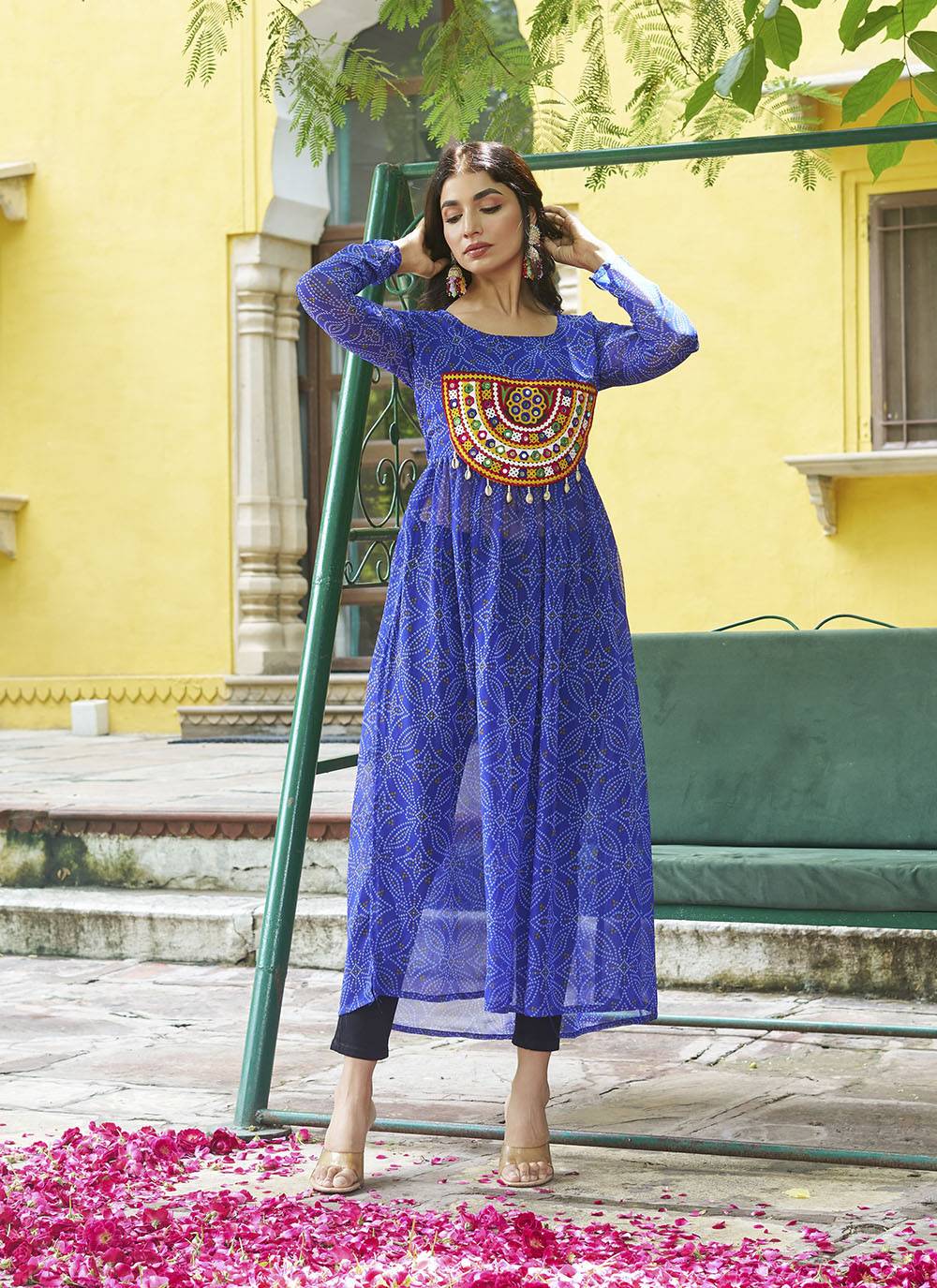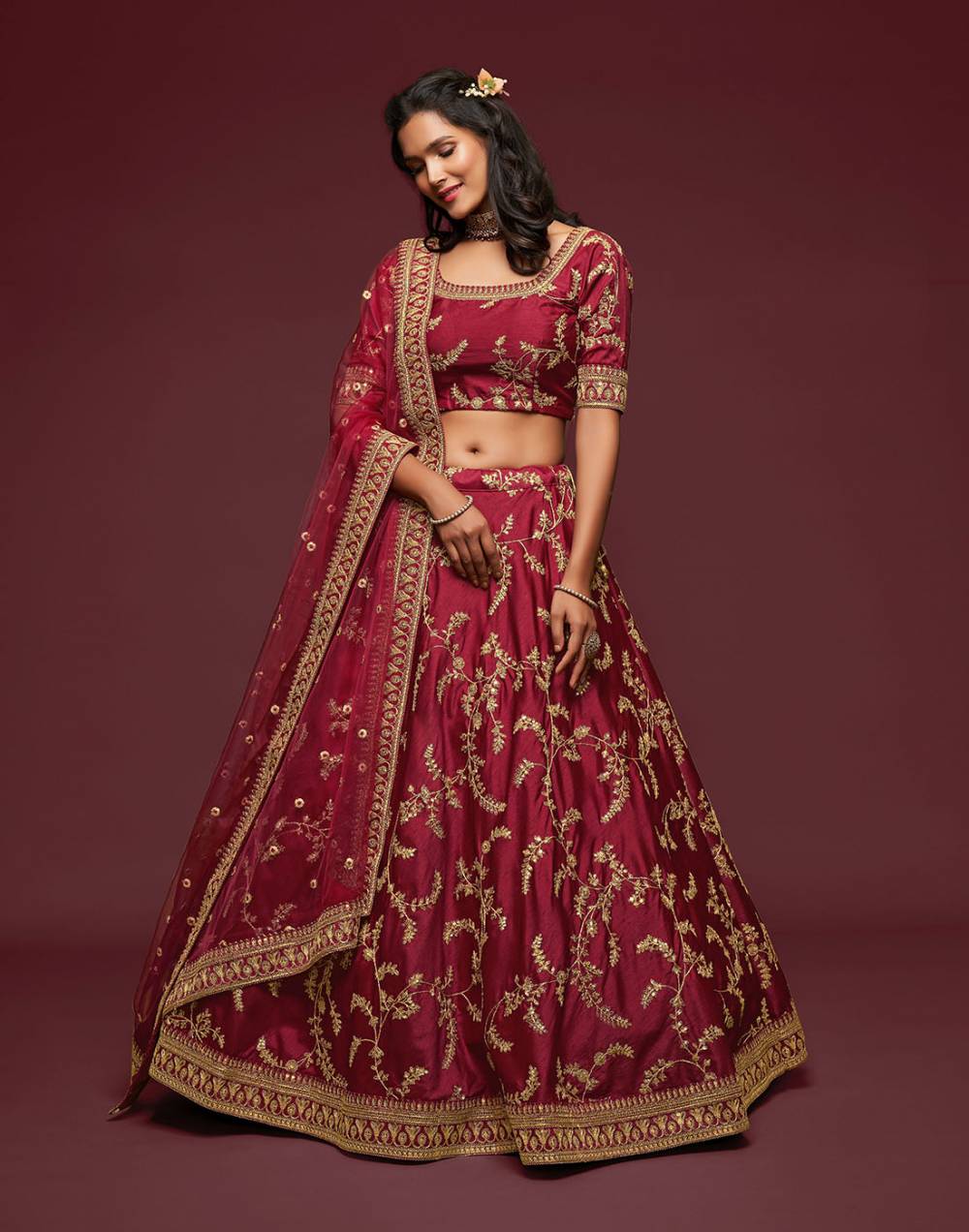
Ask a kids-counter owner in Putalisadak when they make their year, and the answer is one word: Dashain. Every family wants new clothes on the children for the biggest festival in Nepal, and more precisely, every family wants the photograph. The child in the new lehenga-choli or kurta set, standing for tika with the elders, is the image that sells the entire category. Everything about kids ethnic wear Nepal retailing flows from that picture.
The Dashain Photograph: Why Kids Demand Peaks Hard
The new-clothes tradition at Dashain applies to everyone, but children are where it is felt most visibly. Families dress kids in their festival best, visit elders, receive tika and blessings, and photograph everything. In the weeks before the festival, that expectation converts directly into counter traffic across the Valley and the Terai. Dashain kids wear is not a steady category; it is a spike with a hard deadline attached.
This shapes the buying discipline in a way that surprises newcomers. The spike is brutal on both sides: under-stock and your racks are empty for the two weeks that mattered; over-stock and festive kids' pieces sit until next September, because nothing between Tihar and the following Dashain rescues a heavily festive child's outfit. We plan kids lehenga wholesale lots for Nepal shallow and fast, landing in early September, with a small Tihar follow-up for gifting and family photos around Bhai Tika.
Comfort-First Construction: Kids Refuse Uncomfortable Clothes
Here is the rule our stitching floors learned long ago: a child will not wear an uncomfortable outfit twice, and the mother remembers which counter sold it. Festival photographs involve hours of wearing, sitting, eating and being handled by relatives. So construction for the Nepal kids' trade is comfort-first: soft cotton linings behind embroidery, covered thread work so nothing scratches skin, elastic waists with drawstrings that adjust, armholes cut for movement.
Embellishment follows the same logic. Light sequin work, printed borders, thread-dominated decoration over bead-heavy or stiffly embroidered panels. On our floor we run a specific check on the reverse of decorated panels, because a beautiful bodemap of embroidery with exposed thread backing is a returns machine. Parents in the Terai and Valley alike now check the inside of garments at the counter before paying, and they are right to.
Sibling Coordination and Family Sets
The photograph drives a merchandising detail that pure product thinking misses: siblings are bought together. Families with two or three children frequently want coordinated outfits, matching colour families or identical designs across sizes, so the group photograph looks composed. Some extend it to matching with the parents' outfits, particularly in the Terai.
For a counter, this argues for depth of size within a design rather than breadth of design alone. A design available from toddler through early-teen sizes sells whole families in one transaction. We pack children ethnic wholesale lots size-complete per design, with coordinated colour families across adjacent designs so a counter can assemble sibling pairs even when exact matching pieces run out mid-season.
Sizing One to Thirteen Years: The Age-Grading Reality
Kids' ethnic runs on age grading, one to thirteen years, and the practical wisdom sits in how Nepali parents use it. Growth room is the norm: parents round up a size so the outfit survives a season of wear and ideally a younger sibling after. Counters that stock exactly to a child's current age find their customers buying the next size anyway, elsewhere.
From our Nepal order books, the fastest-moving bands at Dashain are the middle years, roughly four to ten, with toddler sizes carrying strong gifting demand around Tihar. First lots should spread across the full one-to-thirteen range with weight toward the middle; the second lot follows your own sell-through. And every size in the lot should carry the same design integrity, because in a family sale the eight-year-old's outfit is judged against the four-year-old's.
The Counter Mix: Girls, Boys and the Photo Tier
Girls' stock leans on lehenga-choli sets, frock-style ethnic dresses and anarkali-style cuts. Boys run kurta-pajama sets, kurta-dhoti combinations for the traditional photograph, and kurta sets with waistcoats or Nehru-jacket styling that photographs sharply. The waistcoat tier deserves special mention: it lifts a simple cotton kurta into a photo-grade outfit at a friendly counter conversation, which is why it over-performs its shelf space every Dashain we have supplied.
The honest admission for this category: outside the festival windows and the wedding-guest trade, kids' ethnic demand in Nepal is quiet. Daily kids' wear flows through general clothing counters, not ethnic counters. So we tell kids-specialist buyers to plan the year around three beats: Dashain as the mountain, Tihar gifting as the foothill, and the November-to-February wedding season for the flower-girl and junior-guest trade.
Ajmera Export: Your Trusted Kids Ethnic Wear Nepal Partner
We run kids' ethnic programmes out of Surat with stitching units and embroidery floors close at hand and the fabric trade of Ring Road around the corner, which is what lets us build comfort-first construction at sensible lot sizes: soft-lined panels, covered thread work, adjustable waists, and age-graded one-to-thirteen sizing packed size-complete per design. Our Nepal lots combine girls' and boys' stock into one truck-batch, landed through Birgunj-Raxaul or the eastern gates inside the three-to-six-day road window, so early-September Dashain dispatches and fast October replenishments both work. The Certificate of Origin under the Indo-Nepal Treaty of Trade comes prepared with the invoice and packing list, and first orders settle advance-against-documents in INR as usual. Every figure stays on enquiry, because a kids' lot is structured around your counter's size curve. Message us on WhatsApp with your town and counter format, and we will propose the festival mix honestly, including how shallow to keep it.
Why Businesses Choose Ajmera Export
- Comfort-first construction: soft linings, covered thread work and adjustable waists, because children refuse uncomfortable clothes
- Size-complete designs: each design packed across the one-to-thirteen range so families buy in one transaction
- early-September Dashain dispatches with shallow, fast October replenishments
Frequently Asked Questions
What kids ethnic wear sells best in Nepal?
Girls' lehenga-choli sets, frock-style ethnic dresses and anarkali cuts, against boys' kurta-pajama sets and kurta sets with waistcoat or Nehru-jacket styling. The waistcoat tier over-performs because it turns a simple cotton kurta into a photo-grade outfit. Demand concentrates hard around Dashain, with Tihar gifting and the wedding season's junior-guest trade carrying the rest of the year.
When should I stock kids' clothes for Dashain?
Landing stock in early September, which means production booked in June or July. Dashain falls in September or October and is the biggest selling window in Nepal, with kids' new clothes close to a ritual purchase. The three-to-six-day road transit from Surat to the border makes late August dispatches feasible, but popular designs lose production slots first. Book early, keep the lot shallow.
What sizes should a kids' counter in Nepal carry?
Spread across the full one-to-thirteen-year age grading with weight toward the middle years, roughly four to ten, which move fastest at Dashain. Toddler sizes carry gifting demand around Tihar. Nepali parents habitually round up a size for growth room, so a counter that stocks exactly to current ages loses those sales to the next shop.
Are kids' lehengas comfortable enough for all-day wear?
The good ones are, by construction rather than accident. Look for soft cotton linings behind embroidery, covered thread work so nothing scratches skin, elastic waists with adjustable drawstrings, and armholes cut for movement. Festival days involve hours of wearing and being photographed. Parents now check garment insides at the counter, and they are right to.
Do Nepali parents buy matching sibling outfits?
Frequently, and it is a merchandising opportunity most counters miss. Families want coordinated or matching outfits across siblings for the Dashain photograph, sometimes extending to matching with parents in the Terai. This argues for depth of size within each design rather than breadth of designs alone, since a size-complete design sells the whole family in one transaction.
How do I start a small kids' ethnic lot from Surat?
Use a mixed-category first lot: girls' sets and boys' kurta sets across the one-to-thirteen grading, in coordinated colour families, sharing one truck-batch's freight with other categories if useful. Minimums apply per category rather than to the whole order. Track which sizes and designs clear before Dashain, and let the sell-through, not the catalogue, set the second order.
What fabrics suit kids' ethnic wear in Nepal's climate?
Breathable cottons and cotton-viscose blends in light weights for most of the year, with slightly heavier cottons fine for the Valley's cooler months and the festival period. Net and georgette panels appear in the festive tier but should always sit over comfortable linings. Light embroidery and printed borders beat stiff, bead-heavy decoration on children, both for comfort and for repeat washing.
Do kids' kurta sets sell outside festival season in Nepal?
Modestly, and mostly through the wedding season's junior-guest and flower-girl trade from November to February. Between windows, kids' ethnic demand goes quiet, because daily children's wear flows through general clothing counters rather than ethnic counters. The sane annual plan treats Dashain as the mountain, Tihar gifting as the foothill, and wedding-season guest stock as the tail.
How is kids' ethnic wear sized in wholesale?
Age grading from one to thirteen years, with size charts keyed to height and chest rather than age alone, since children vary. Every size within a lot should carry the same design, because family purchases judge the eight-year-old's outfit against the four-year-old's. Parents habitually buy a size up for growth room, which counters should expect rather than fight.
Can kids' garments be packed on hangers for retail display?
Yes, and for photo-led categories it helps: a hung lehenga-choli or waistcoat set sells the photograph at a glance. We pack hanger-ready for boutiques and glass-case counters, and flat-fold set-wise for stack-display Terai shops. The format should match the counter, so tell us which you run before dispatch. Both coexist happily inside one truck-batch.
Conclusion
Kids' ethnic in Nepal is a photograph business with a festival deadline: comfort-first construction so the child wears it twice, size-complete designs so the family buys in one transaction, and lots landed shallow by early September so Dashain pays and Tihar tops up. Miss the window and the stock ages a full year. Send us your town, counter format and target age band on WhatsApp or through the enquiry form. Serious buyers receive size charts, fabric swatches and a proposed festival lot before committing. The photograph is the product; the outfit just has to survive it comfortably.
Sourcing ethnic wear for your business?
Our export team shares catalogues, MOQ and pricing tailored to your market — response within one business day.