Kurti Wholesale for Nepal: The Year-Round Rotation
A kurti counter in Kathmandu does not really have seasons. It has a Monday. While saree counters live from Teej to Dashain and bridal shelves from November to February, the kurti rack earns its keep fifty-two weeks a year on office wear, college wear and the quiet restocking habit of women who treat a new kurti the way other markets treat a new shirt. That steadiness is exactly why kurti wholesale Nepal programmes are the backbone of so many Surat-to-Nepal trade relationships.
The Rotation: Office and College Demand in the Valley
Kathmandu runs on kurtis. They are accepted office wear across the Valley's banks, schools and offices, and they are near-uniform on college campuses. Our buyers on New Road and Putalisadak describe the same pattern: a design sells for two to three weeks, then fatigue sets in and the college crowd moves to whatever the neighbouring counter just unpacked. A kurti that sits for a month is dead stock pretending to be inventory.
This is why we treat a programme for the Valley as a rotation contract rather than a series of orders. Small lots, frequent dispatches, new designs each cycle. The three-to-six-day road transit from Surat to the Birgunj-Raxaul gate makes this genuinely feasible: a counter can confirm what moved this fortnight and have the replacement designs on the shelf before the next payday. In most export markets that cadence is impossible. In Nepal it is routine.
Hotel belts in Kathmandu, Pokhara and Chitwan run a quieter but steadier textile trade than any fashion counter. GSM bands, housekeeping lots and the reorder discipline behind hospitality linen programmes.
Kurtis are the only ethnic category that sells every week of the year in Nepal. Here is how the Valley's office-college rotation works, which fabric bands suit the climate, and how to merchandise sets for daily counter stock.
Ajmera Export 15 Apr 20269 min read
kurti import from India
Fabric Bands for the Climate: 80 to 120 GSM
Nepal's geography forces fabric decisions that a single-country buyer never thinks about. The Terai is hot for a real stretch of the year and wants light, breathable cloth. The Valley sits cooler and rewards fabrics that layer. Our standing recommendation for office kurti wholesale programmes is the 80 to 120 GSM band in cotton, viscose and rayon families: light enough for Birgunj in May, substantial enough for Kathmandu in January under a shawl.
A few practical notes from our floor. Pure cotton in the lighter GSM range breathes best for Terai daily wear but creases on the shelf, so printed viscose blends often sell better at the counter even when customers say they prefer cotton. Heavier rayon holds its drape and photographs well, which matters for the social-media-driven part of the college trade. Polyester blends have their place in the rainy weeks for quick drying, but we do not build Valley programmes on them.
Daily Counter Stock in the Terai
Down in the Terai, from Birgunj and Butwal through Itahari, Damak and Biratnagar, the kurti trade runs on daily volume at sharper price points than the Valley, with the same rotation discipline. Terai counters restock weekly or fortnightly, they buy mixed designs per dozen rather than deep quantities of single styles, and they want constructions that survive daily washing. Printed cotton-viscose dominates. Embroidery stays light: necklines and plackets, not full panels.
The wardrobe logic is cultural. Terai dress habits overlap heavily with Bihar and Uttar Pradesh, so the styles and prints that move in those markets translate directly, which makes Terai kurti programmes the easiest for a first-time Nepal buyer to get right. College kurti demand Nepal-wide, our buyers consistently tell us, runs on two things: fresh prints and pocket-friendly rotation. The counters that win are the ones whose supplier wins the freshness race.
Set Merchandising: Kurtis, Palazzos and Dupattas
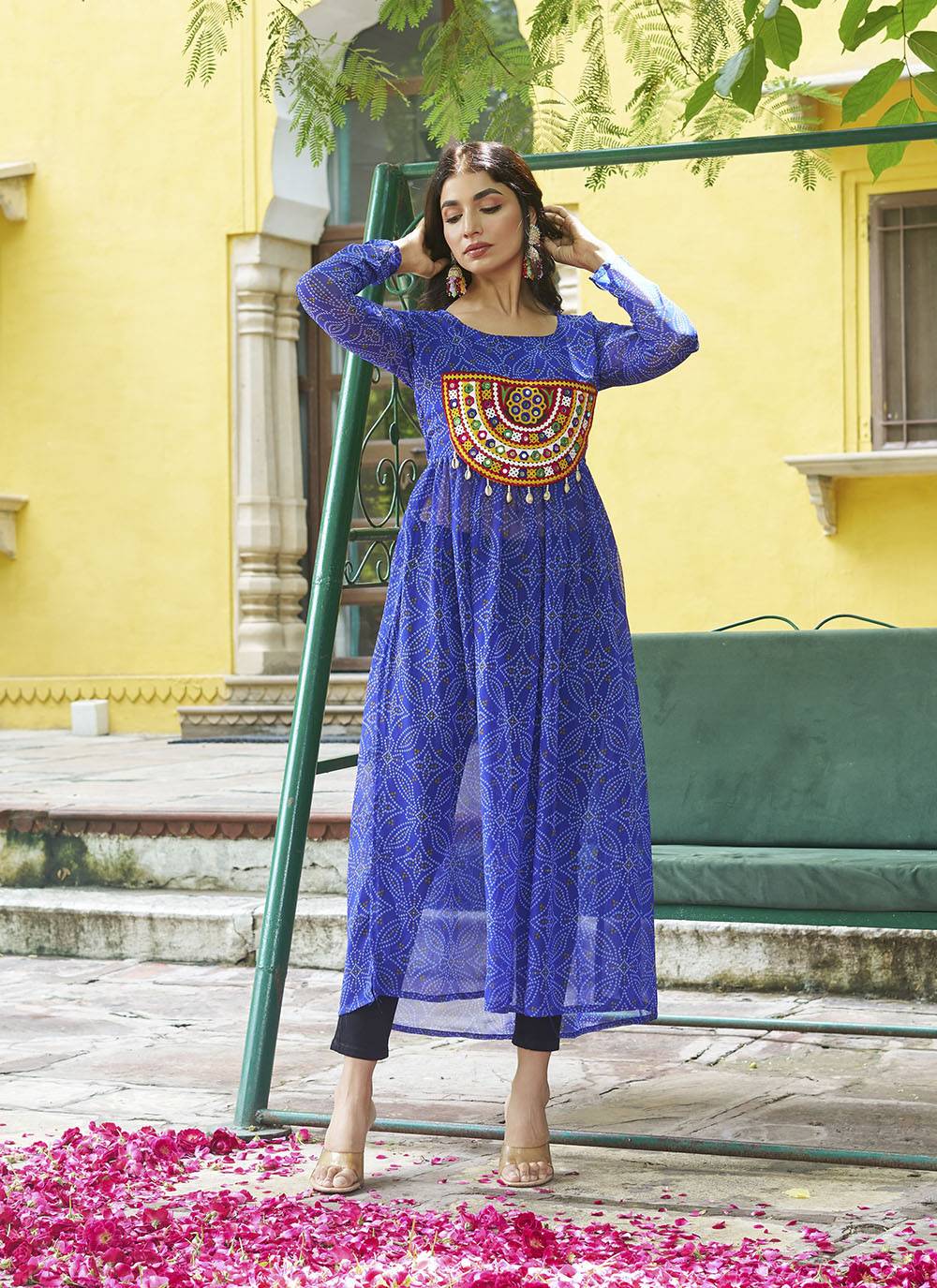
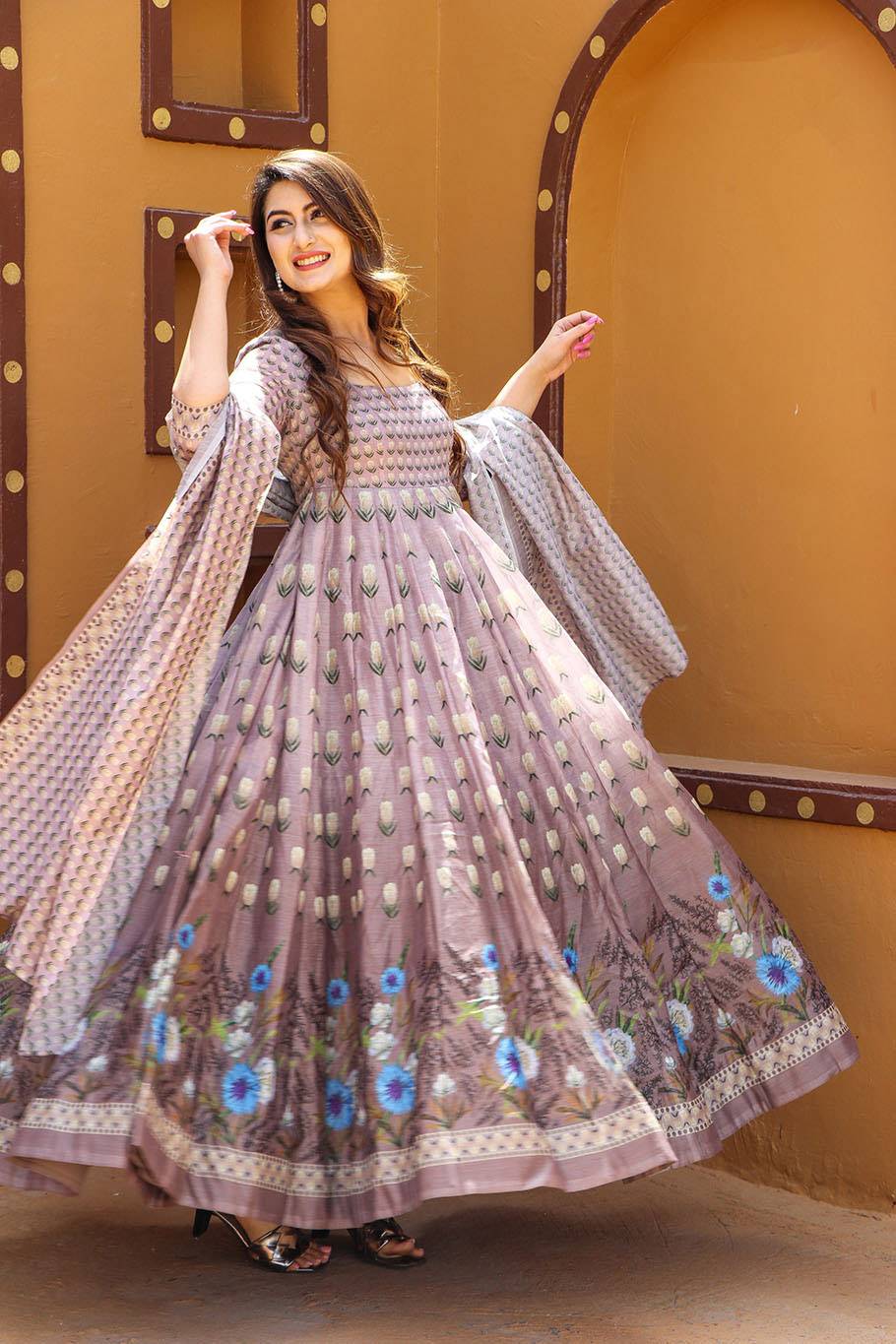
Standalone kurtis sell, but sets earn more per transaction, and the merchandising decision should be made before ordering, not after. A straight-cut kurti with matching palazzo reads formal for office wear. An A-line with a coordinated dupatta reads festive enough for Dashain visiting. Kurta-length tops over narrow pants pull the college crowd. Each configuration is a different counter position and a different attach sale.
Our rule of thumb for a Valley programme: roughly half the lot as standalone kurtis in the rotation prints, the rest as sets, with a few statement dupattas folded in for the attach trade. For Terai counters, the balance tilts toward standalone and two-piece configurations at daily price points. On our floor, set packing is done as complete units, inner-wrapped so the pieces stay matched through the truck-batch and land on the counter as one sellable object.
Sizing the Nepali Counter
Size curves differ by region, and pretending otherwise creates dead stock on both ends. From our Nepal order books, Valley counters run their volume through M, L and XL with a real tail in XXL, while Terai counters ask for L and XXL more heavily. Kurti lengths run longer for the Terai than the trend-driven Valley short kurta. Every counter's curve drifts, so we build first lots with a spread and adjust the second lot to the sell-through.
One honest admission about this category: kurti margins per piece run thinner than saree or bridal margins, and the work is unglamorous, high-frequency and unforgiving of late dispatches. The trade compensates with turn. A kurti programme that rotates cleanly can out-earn a bridal programme on annual cash generation with none of the seasonal stress. Buyers who want one dramatic order should buy bridal. Buyers who want a business should buy kurtis.
Ajmera Export: Your Trusted Kurti Wholesale Nepal Partner
Our kurti programmes for Nepal run out of Surat with the full chain in reach: fabric from the processing estates of Pandesara and Palsana, printing across the digital and rotary floors, stitching units around Umarwada, and the Ring Road trading floors for design direction that resets weekly. We assemble Valley rotation lots and Terai volume lots into consolidated truck-batches, packed set-wise or standalone as your counter requires, moving through Birgunj-Raxaul, Biratnagar-Jogmani or the eastern gates within days of dispatch. The Certificate of Origin under the Indo-Nepal Treaty of Trade, the invoice and packing list come prepared together, and first orders typically settle advance-against-documents in INR. Rate cards stay on enquiry because a rotation programme is structured around your cadence. Send your counter location and restock rhythm on WhatsApp, and we will propose the first mixed lot.
Why Businesses Choose Ajmera Export
Rotation-cadence supply: fortnightly and monthly lots sized for weekly counter restocking, not seasonal warehouses
Climate-correct fabric bands: 80-120 GSM cotton, viscose and rayon builds for Terai heat and Valley layering
Set-wise packing: kurti, palazzo and dupatta matched and inner-wrapped so sets land sellable
Region-tuned size curves: Valley M-XL emphasis against Terai L-XXL weightings, adjusted to your sell-through
Fast gate transit: consolidated dispatches reaching the border in three to six days
Frequently Asked Questions
What kurti fabrics suit Nepal's climate best?
The 80 to 120 GSM band in cotton, viscose and rayon families covers both major climate zones. Light cottons and viscose prints handle Terai heat and daily washing; heavier rayons and cotton blends layer well for the cooler Valley months. Polyester blends suit the rainy weeks for quick drying but should not carry a whole programme. We build most Nepal lots across three or four fabrics.
How often should a kurti counter in Kathmandu restock?
Our Valley buyers restock every two to four weeks, because college and office customers fatigue designs quickly and reward freshness. The three-to-six-day transit from Surat to the Birgunj gate supports fortnightly confirmation-to-shelf cycles. A counter that restocks monthly with the right volume does fine; one that orders quarterly is competing against counters with fresh stock.
What kurti sizes sell fastest in Nepal?
From our order books, Valley counters run volume through M, L and XL with an XXL tail, while Terai counters weight L and XXL more heavily. Kurti lengths run longer in the Terai than the short-kurta trend pieces that move on Valley college streets. First lots should carry a spread, then the second order follows your actual sell-through rather than a guess.
Can I order kurtis in mixed designs per dozen?
Yes, and for Nepal we recommend it. Mixed designs per dozen exist precisely for rotation counters that need breadth of design over depth of quantity. A dozen containing four designs in three sizes clears faster than twelve of one design, and the learning from what clears shapes the next lot. Deep quantities belong on proven repeaters only.
Are kurti sets better than standalone kurtis for wholesale?
Both belong in the mix. Sets raise value per transaction and read festive or formal, which suits the Valley's office and Dashain-visiting trade. Standalones keep the entry price friendly for the college rotation and let customers pair pieces they already own. A common split we run is half standalone, half sets, with statement dupattas layered in for the attach sale.
How long does a kurti order take from Surat to Nepal?
Stock-supported designs dispatch within days, and road transit to the border runs three to six days depending on route and season. Add gate clearance and inland movement, and a Kathmandu or Terai counter typically sees goods within about a week of dispatch. Custom dyeing, prints or embroidery add production time on our side, so rotation buyers anchor on stock designs.
What is the demand for office-wear kurtis in Kathmandu?
Strong and stable, which is the whole appeal of the category. Kurtis are accepted formal wear across Valley offices, banks and schools, so demand does not collapse after festival windows the way saree and bridal demand does. Straight-cut and A-line silhouettes in sober prints carry the office trade, with collars and placket detailing reading more formal.
Do Terai and Valley counters need different kurtis?
Yes, and the difference is structural. Terai counters run daily-volume prints in washable cotton-viscose at friendly price points, with longer lengths and heavier sizes. Valley counters run trend-led rotation, sets and office-appropriate silhouettes. We pack the two programmes differently even when both ship in the same truck-batch.
How do I start a small kurti wholesale order for Nepal?
Begin with a mixed lot: standalone kurtis in rotation prints, a few sets, sized across your region's curve, in three or four fabrics from the right GSM band. Mixed-category minimums let you combine kurtis with sarees or dress material in one consolidated dispatch, sharing freight. Track the sell-through for a month, then order the second lot around the numbers.
Which kurti styles move fastest for college students in Nepal?
Print-led rotation pieces: fresh geometrical and floral prints, straight and short silhouettes, lighter fabrics in the 80 to 100 GSM range. The college trade rewards novelty over durability, so the winning counters restock frequently with small lots rather than stocking deep. Neck detailing and sleeve variations carry the freshness signal between print cycles.
Conclusion
The kurti trade into Nepal is a rhythm business: the right GSM band for the region, sets merchandised before ordering, sizes tuned to the counter's curve, and small lots landing every few weeks through Birgunj or the eastern gates. Run the rotation cleanly and the category pays through every season on the calendar. Send us your counter location, restock rhythm and target customer on WhatsApp or through the enquiry form. Serious buyers receive fabric swatches and a proposed mixed lot before any commitment. Freshness is the product; the supplier who ships it fastest wins the shelf.
kurti wholesale nepalkurti import from indiaoffice kurti wholesalecollege kurti demand nepal
Sourcing ethnic wear for your business?
Our export team shares catalogues, MOQ and pricing tailored to your market — response within one business day.
A retailer's guide to stocking sherwanis profitably: why eight sample pieces beat eighty, how the booking model removes dead stock, and which fabrics and sizes cover most grooms. Includes packing, care and the calendar from order to aisle.
Sharara and gharara construction, fabric engineering and the second-top effect that drives reorders all season. Includes pairing rules, festival windows and the volumetric packing notes that keep freight honest.