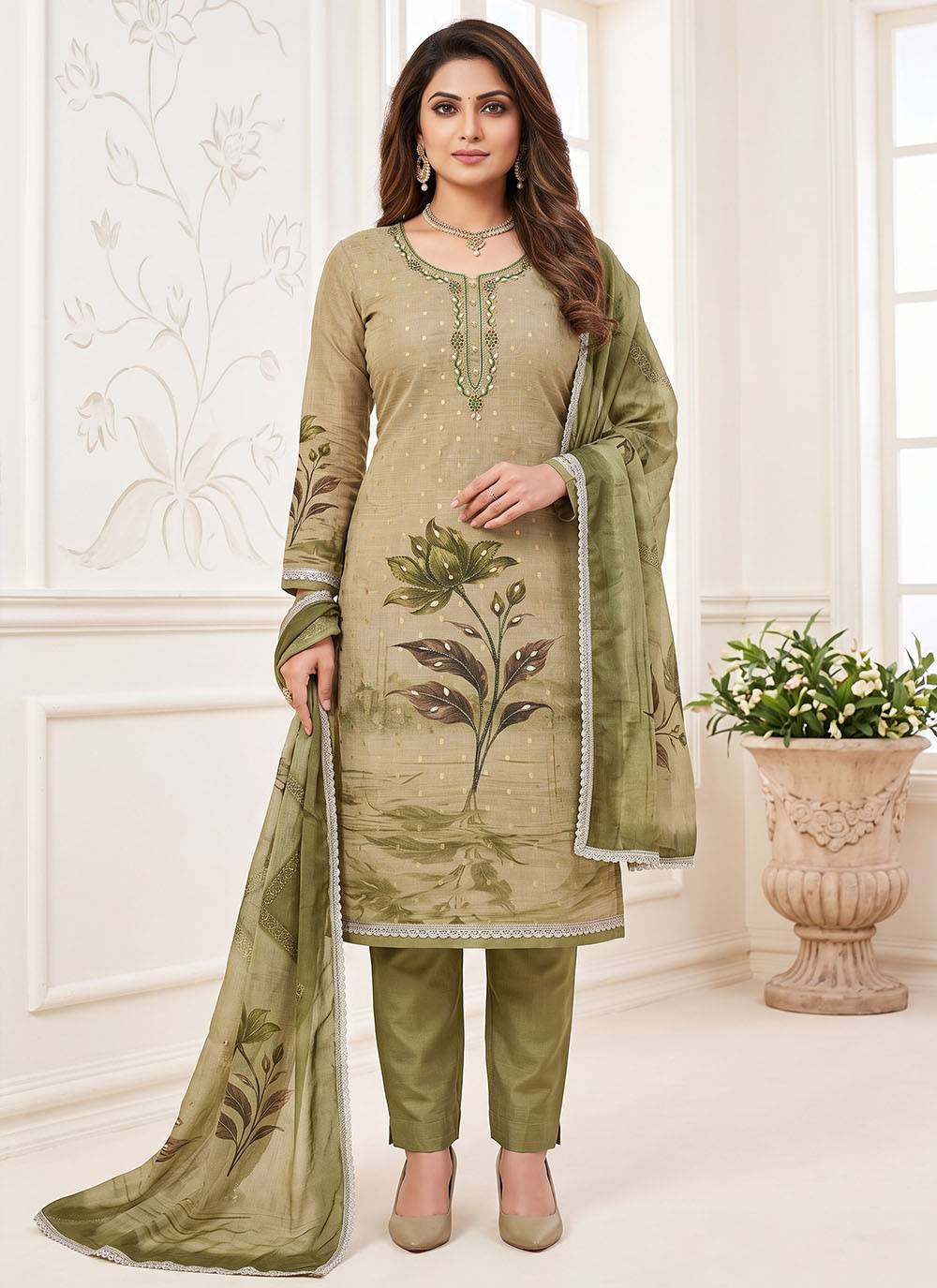
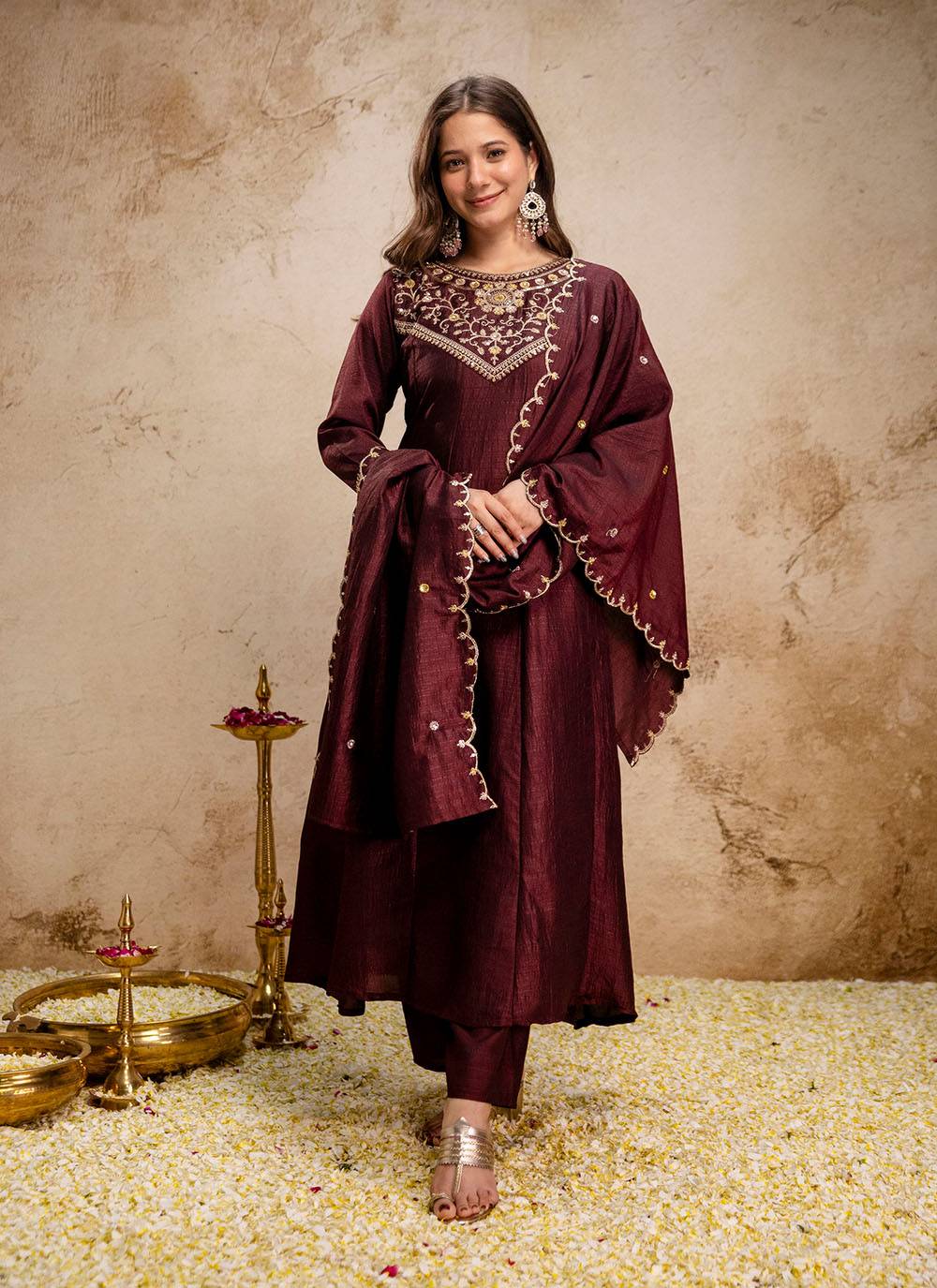
In January, while most Surat desks are packing wedding-season georgettes, ours is cutting a very different consignment: heavy jacquards, wool-blend fabric and silk scarves for counters around the Boudha stupa. Losar does not care about the Hindu festival calendar at all. It falls in February, and it follows its own rules.
A Retail Window That Starts Where the Wedding Season Ends
Most Nepali retail advice ends the year at Tihar and picks it up at the next Teej. The Tibetan communities of Boudha, on Kathmandu's north-east edge, and Jawlakhel, the old carpet-weaving settlement on the Lalitpur side, close their own loop. Losar, the Tibetan New Year, lands in February, when the wedding counters are still running but the festival trade everywhere else has gone quiet.
The week before Losar is the buying week. Households clean and prepare, gifts are assembled, and new clothes are part of the observance itself. Boudha retail tenses the way New Road tenses before Dashain, just on a smaller, more concentrated footprint. For a supplier, that means February shelf dates are set in January, and production is booked in November and December.
What Moves on Tibetan-Community Counters Before Losar
The stock profile surprises first-time buyers. Readymade ethnic wear, the backbone of every other Nepal window, is almost secondary here. What moves is Tibetan-community clothing in raw form and warm layers:
- Fabric by the metre: brocades, jacquards, velvets and wool blends for chuba, the traditional dress that households still have tailored locally
- Trims and borders: jacquard border strips, sleeve bands and contrast bindings that finish a chuba properly
- Silk scarves in white for offerings, plus coloured stoles for gifting, bought in quantity before the festival
- Woollen shawls and pashmina-adjacent wraps for the cold weeks and for visitors
- Warm readymades, mainly kurtis and wraps, for family members who do not wear traditional dress
Notice how much of that list is metres rather than pieces. That single fact reshapes the whole sourcing exercise.
The Fabric Side: Why Metres Outsell Readymades
A chuba is cut and fitted to the person, like good tailoring everywhere. The tailors cluster around the Boudha circuit and in Jawlakhel, and households bring them fabric bought by the metre. So the pre-Losar counter is closer to a fabric shop with an accessories wall than a boutique.
Constructions matter here more than print. Wool-blend coatings around 300 GSM and heavier, dense jacquards in deep reds, maroons and golds, and velvets for trim are the workhorses. White silk offering scarves are the quiet volume line: light, cheap to freight, and bought in stacks. On our floor we run these alongside the wedding-season programme because the same jacquard and velvet capability serves both, with different colourways.
Losar Stock Nepal: Working Backwards From February
Losar stock in Nepal has to be on the shelf by mid-January at the latest. The buying week runs before the festival, and many shops close or thin out during the celebration days themselves. Working backwards: three to six days of road transit from Surat to the Birgunj-Raxaul crossing, border formalities, onward carriage to Kathmandu, plus four to eight weeks of production for jacquards and wool blends. The comfortable order window is November to early December.
The elegant part is that this window overlaps the wedding season rush. A November truck consolidating wedding silks for New Road can carry the Losar cartons as well, and the same documentation set, with Certificate of Origin under the Indo-Nepal Treaty of Trade, clears the whole load. Two different retail worlds, one border crossing.
Adjacency: Running an Ethnic Counter Beside a Losar Counter
Many shops around Boudha serve both communities and visitors. The tourist walking the kora around the stupa buys woollens and scarves in October and November; the community buys fabric and festive stock in January. A supplier who understands Losar Tibetan retail adjacency plans both drops on one calendar, and the buyer's counter space earns twice.
Sizing differs across the two audiences. Community fabric sales are metre-based and size-agnostic, while readymades for visitors need the international size runs, XL and XXL included, that tourist counters everywhere demand. Packing differs too: scarf bundles compressed into small cartons for easy counter opening, fabric rolls banded and labelled by construction and colour.
The Honest Trade-Off: One Narrow Window
Losar is a single window, and it is unforgiving. Miss the mid-January landing and the fabric sits for a year, because nobody buys heavy jacquards for a February festival in March. We are also honest about scope: true hand-knotted woollens and carpet-grade work are another trade entirely. Our strength is the jacquard, velvet, wool-blend and scarf side of the counter, which is most of what those shelves hold in January, but not all of it. Buy the window, respect the scope, and the programme pays.
Ajmera Export: Your Trusted Losar Retail Supply Partner
We are a Surat-based manufacturer-exporter of ethnic wear and fashion fabric, and February is a first-class window on our calendar, not an afterthought behind the wedding season. We supply jacquards, velvets, wool blends and silk scarves for Boudha and Jawlakhel counters, alongside warm readymades in traveller-friendly size runs. Our jacquard and embroidery clusters in Surat run the deep reds, maroons and golds the pre-Losar shelf demands, and our consolidation desk books Losar cartons onto wedding-season trucks so freight spreads across two programmes. Documentation, including the Certificate of Origin under the Indo-Nepal Treaty of Trade, is prepared on our side. Pricing is enquiry-only. Send us your counter plan for February and we will work the dates backwards with you.
Why Businesses Choose Ajmera Export
- February treated as a first-class window: production booked in November, not January panic
- Fabric-plus-readymade mix: metres, trims and scarves alongside warm garments
- Carton-level separation: Losar stock riding consolidated trucks without confusion
- three-to-six-day road legs planned backwards from mid-January shelves
Frequently Asked Questions
What is Losar and why does it matter for retail in Nepal?
Losar is the Tibetan New Year, celebrated in February by Tibetan communities concentrated around Boudha in Kathmandu and Jawlakhel in Lalitpur. It drives a concentrated pre-festival buying week for fabric, scarves and warm clothing, making it a distinct retail window separate from the Hindu festival calendar.
What should shops stock for Losar in Boudha and Jawlakhel?
Fabric by the metre leads: brocades, jacquards, velvets and wool blends for locally tailored chuba, plus jacquard trims and borders. White silk offering scarves and coloured stoles move in quantity, along with woollen shawls and warm readymades. The counter profile is closer to a fabric shop than a typical ethnic boutique.
When should Losar stock be ordered from India?
Order in November to early December. Stock should be on shelves by mid-January, ahead of the pre-Losar buying week. Count back four to eight weeks of production for jacquards and wool blends, plus three to six days of road transit from Surat to Birgunj-Raxaul and onward carriage to Kathmandu.
What fabrics sell best for Tibetan-community clothing?
Dense, warm constructions in deep reds, maroons and golds: wool-blend coatings around 300 GSM and heavier, rich jacquards, velvets for trim, and brocade border strips. These serve chuba tailoring, which is fitted per person, so fabric is bought by the metre rather than as finished garments.
Do Tibetan shops buy readymade garments or fabric by the metre?
Fabric by the metre dominates, because chuba are cut and fitted locally by tailors around Boudha and Jawlakhel. Readymades still sell: warm kurtis, wraps and woollens for family members and visitors. A balanced programme carries metres and trims as the core with readymades as the adjacency.
What are offering scarves and how do they sell at Losar?
White silk scarves, presented as greetings and offerings during Losar and to lamas through the year, are the quiet volume line of these counters. They are light to freight, bought in stacks before the festival, and often sold beside coloured stoles. Packing them in easy-opening counter bundles speeds the selling week.
Can I combine Losar stock with wedding-season orders?
Yes, and it is the sensible structure. November trucks consolidating wedding silks for Kathmandu can carry Losar cartons as well, with carton-level labelling keeping the programmes separate. One documentation set, including the Certificate of Origin under the Indo-Nepal Treaty of Trade, clears the entire consignment.
How long does shipping from Surat to Kathmandu take?
Road transit from Surat to the Birgunj-Raxaul crossing typically runs three to six days depending on route and season, followed by border formalities and onward carriage into the Valley. Total door-to-door time is usually under two weeks, but production lead time before dispatch is the larger variable.
Do Tibetan-community counters need different size ranges?
For readymades, yes. Community fabric sales are metre-based and size-agnostic, but the visitors who shop the same counters around Boudha expect international size runs including XL and XXL. Free-size silhouettes like wraps and stoles cover most of the gap for traveller purchases.
How do I start a Losar stock order with Ajmera Export?
Send an enquiry through our form or WhatsApp with your counter plan, target shelf date in January and rough requirements across fabric, trims and scarves. We respond with swatches and a worked-back production calendar. Pricing is enquiry-only and quoted against your programme volumes.
Conclusion
Losar is the window most Surat suppliers forget and every Boudha and Jawlakhel counter depends on. Order in November, land by mid-January, and let the metres and scarves ride the same trucks as your wedding-season programme. If February is on your calendar, message our desk on WhatsApp with your requirements and shelf dates, or send the enquiry form. We will plan the production backwards from your buying week, and swatches can be on their way this week.
Sourcing ethnic wear for your business?
Our export team shares catalogues, MOQ and pricing tailored to your market — response within one business day.