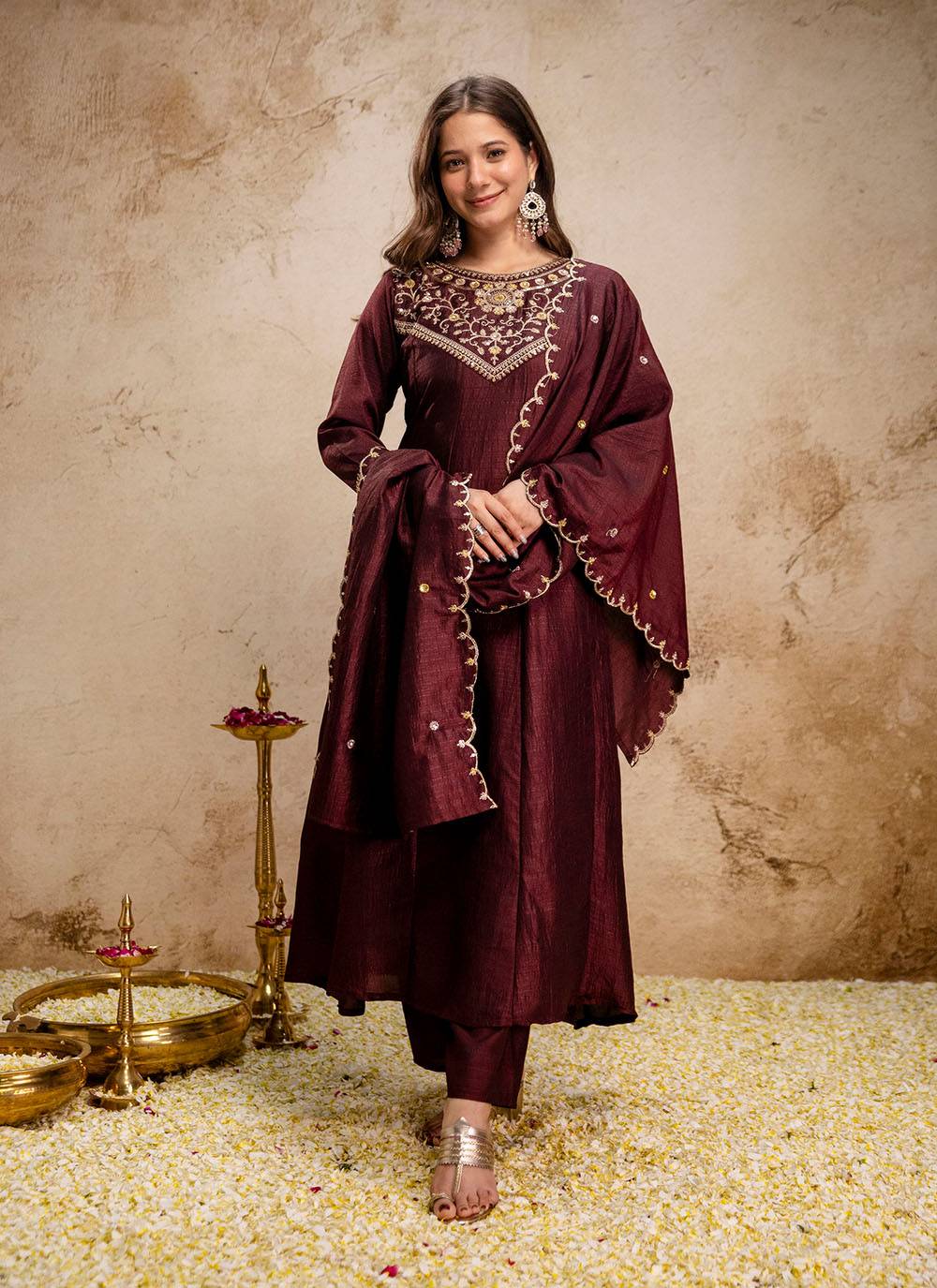
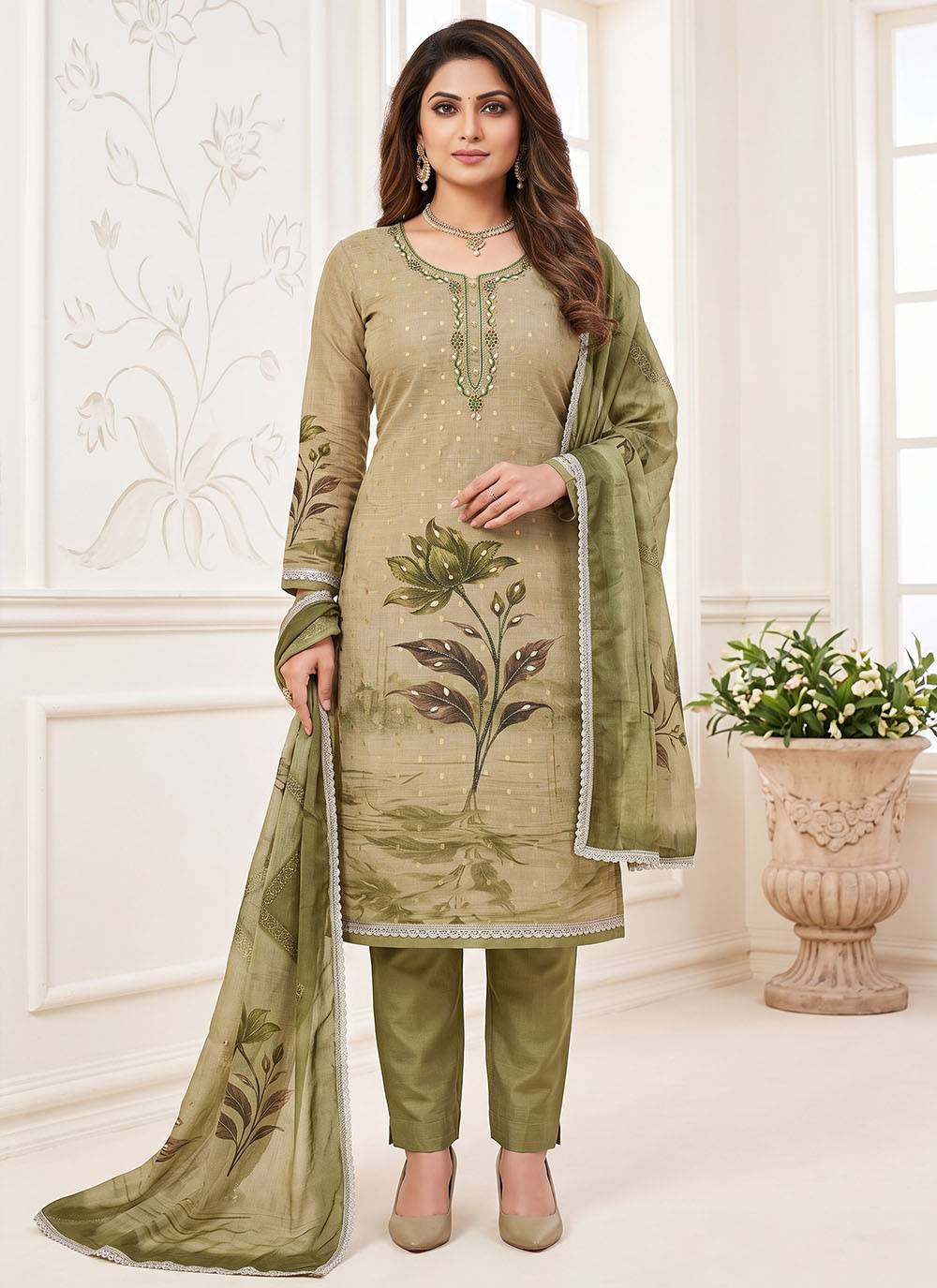
A buyer in Chicago opened her first conversation with us wanting eight kurti designs at twenty-five pieces each. Our made-to-order minimum on that category runs to a couple of hundred pieces per design per colour, so on paper the enquiry was dead on arrival. She placed her order anyway, roughly as first imagined, and she is still with us three seasons later. What made the difference was one question she asked that most first-time buyers never think to ask.
Where Minimums Actually Come From
A minimum order quantity is rarely a negotiation posture. It is arithmetic. Fabric has to be dyed in lots, and dye houses have a floor per shade, usually a few hundred metres or a few hundred kilograms depending on the base. Embroidery carries setup: digitising, frame planning, thread paths proven on the first piece. Cutting carries marker efficiency, because a lay of twenty layers cuts cleanly while a lay of three spends more time in handling than in cutting. Packing carries carton assortments to plan and print.
So a buyer asking for forty pieces across six colour ways is not asking for a small order. They are asking for six dye lots, six embroidery setups and six cutting markers, each with its own fixed work attached. When a supplier quotes a steeper per-piece figure for that configuration, they are describing reality, not flexing.
Indian textile trade lives on WhatsApp, and buyers who run the channel well outpace those who wait on email. Thread discipline, photo evidence, time-zone rhythm and escalation etiquette, from our side of the desk.
MOQ Negotiation in Textile Imports — Getting to Yes Without Burning the Relationship
Why textile MOQs exist and which levers genuinely move them, from colour consolidation to off-season production slots. The first-order tactics that get you under minimum without turning a willing supplier against you.
Ajmera Export 16 May 20267 min read
The minimum is the shape of the setup. Nothing more.
The Question That Changes the Conversation
Back to that Chicago buyer. She asked: which part of the order is driving your minimum, the fabric, the embroidery or the cutting? It sounds like a nothing question. In our experience it reframes the entire negotiation, because each answer opens a different door.
If the constraint is dye lots, consolidate colour. One base fabric dyed once and spread across three designs converts three minimums into one. The garments still read as a range on the shelf because styling and finishing differ, while the expensive part, the shade, happens once.
If the constraint is embroidery, reduce motifs. Setup sits per design of work, not per garment. One motif repeated across colour ways and styles amortises the digitising and framing across the whole order.
If the constraint is cutting, go deeper on fewer styles. Four sizes cut deep beat nine sizes cut thin. Hidden inside many MOQs is a per-size minimum, because a floor wants twenty to twenty-five pieces per size to build a sensible lay. Six sizes at that floor is a hundred and fifty pieces before design even enters the conversation.
If the constraint is capacity, ask about the calendar. Floors have quiet weeks, ours included, and scheduling flexibility is negotiable in ways that stated minimums rarely are.
Notice that none of this involves hammering anyone down. It is problem-solving with the supplier's constraints on the table, and export desks respond well to it because it respects what the floor actually does all day.
Five Levers That Genuinely Move MOQ
Colour consolidation. The workhorse, as above, with a bonus: one lot means one shade, so your range gains consistency instead of losing it.
Stock-supported lines. Running catalogue lines are already woven and dyed, so there is no setup to amortise and no minimum beyond depth per SKU. You can buy twenty pieces of a running kurti and it ships with the next dispatch. The trade-off is honest: other buyers can order the same design, so exclusivity is not part of the deal.
The hybrid carton. Two custom designs at proper minimum, padded out with stock pieces to fill a sensible shipment. The first order lands looking like a real collection rather than a fragment of one, and the floor keeps its efficiency.
Off-season slots. Our floor breathes in late February and March, after wedding-season production eases and before the summer and Eid ramp begins. A buyer who asks for MOQ relief in that window is asking for something we can actually give, because idle capacity is the cheapest capacity a factory owns.
Deeper size curves on fewer styles. The per-size minimum is the constraint nobody names. Fewer sizes, cut deeper, and the MOQ conversation shrinks on its own.
The First-Order Reality
Here is the admission every experienced buyer eventually makes peace with: your first order will sit closer to the minimum than you like, and a small custom run will carry a steeper per-piece figure than the catalogue suggests. Pay it anyway. The MOQ conversation that matters is the second one, because minimums loosen on a trust curve, not on rhetoric.
What actually moves them is a completed clean cycle: payment arriving on the agreed dates, a claim process that stays factual, and a reorder arriving without drama. Our buyers tell us their first container taught them more than any guide ever did, and the same is true from our side of the desk. After order two lands clean, ask for revised minimums in writing on the styles you intend to repeat, and put a commitment behind the ask. A desk will hold a smaller minimum for a buyer who commits to two seasons of a core style, because the certainty is worth more to the floor than the volume.
What Burns the Relationship
Demanding MOQ relief and a first-order discount in the same email. Pick one hill.
Ghosting after samples were developed and couriered at the supplier's cost.
Renegotiating quantities after the purchase order is issued and fabric has been bought.
Treating a smooth small trial order as proof that the supplier should now absorb full custom development on the same terms.
The export community in Surat is small, conversationally connected and long of memory. Being known as the buyer who orders modestly but pays like clockwork beats winning any single negotiation, because the next supplier you approach will have heard about you before you write to them.
Frequently Asked Questions
What is a typical MOQ for ethnic wear from India?
Made-to-order kurtis commonly run one hundred to three hundred pieces per design per colour; sarees sit lower, around fifty to one hundred per design; fabric programmes often ask for a few hundred metres or kilograms per shade. Stock-supported lines carry no real minimum beyond a handful of pieces. Numbers vary supplier to supplier, and the honest ones will tell you which of their lines sit in which category.
Can I split the MOQ across colours?
Across sizes, yes. Across colours, usually not, because each colour is its own dye lot. The workaround is consolidation: multiple designs sharing one dyed base, which is exactly how experienced buyers structure small first orders.
Does ordering below MOQ cost more per piece?
Usually yes, and it is arithmetic rather than attitude: fixed setup spread across fewer units. Stock lines are the exception, since their setup was amortised seasons ago.
How do I get a lower MOQ on repeat orders?
Ship one clean order first. Then put a two-season commitment on the table and ask for revised minimums in writing. Suppliers hold flexibility back for certainty, not for persuasion.
Is a supplier with no MOQ suspicious?
Not necessarily. It usually means you are talking to a stockholder or trading desk rather than a make-to-order floor. That is a legitimate counter to buy from, but know which one it is, because factories and stockists negotiate differently and offer very different exclusivity.
What if I only want fifty pieces total for a trial?
Buy from running stock, accept a mixed carton, or expect a development charge for the custom piece. All three are normal. What does not work is asking a make-to-order floor to run six custom designs at eight pieces each, whatever the email says.
If a stated minimum is what stands between you and your first order, raise it with our desk directly instead of working around it. We hold stock lines that ship small, we will say honestly which of your ideas need volume behind them, and serious buyers can request current samples before committing to anything.
moq negotiationtextile moq guidewholesale minimum order
Sourcing ethnic wear for your business?
Our export team shares catalogues, MOQ and pricing tailored to your market — response within one business day.
Incoterms decide who pays, who owns the goods and whose problem each leg of the journey is. A plain-language walk from EXW to DDP, with the risk-transfer moments that surprise first-time textile importers.
Tourist counters in Thamel, Lakeside and Boudha sell a narrower, stranger range than locals expect: statement pieces, easy-fit kurtis, wraps and woollens. Here is what actually moves and how to stock it.