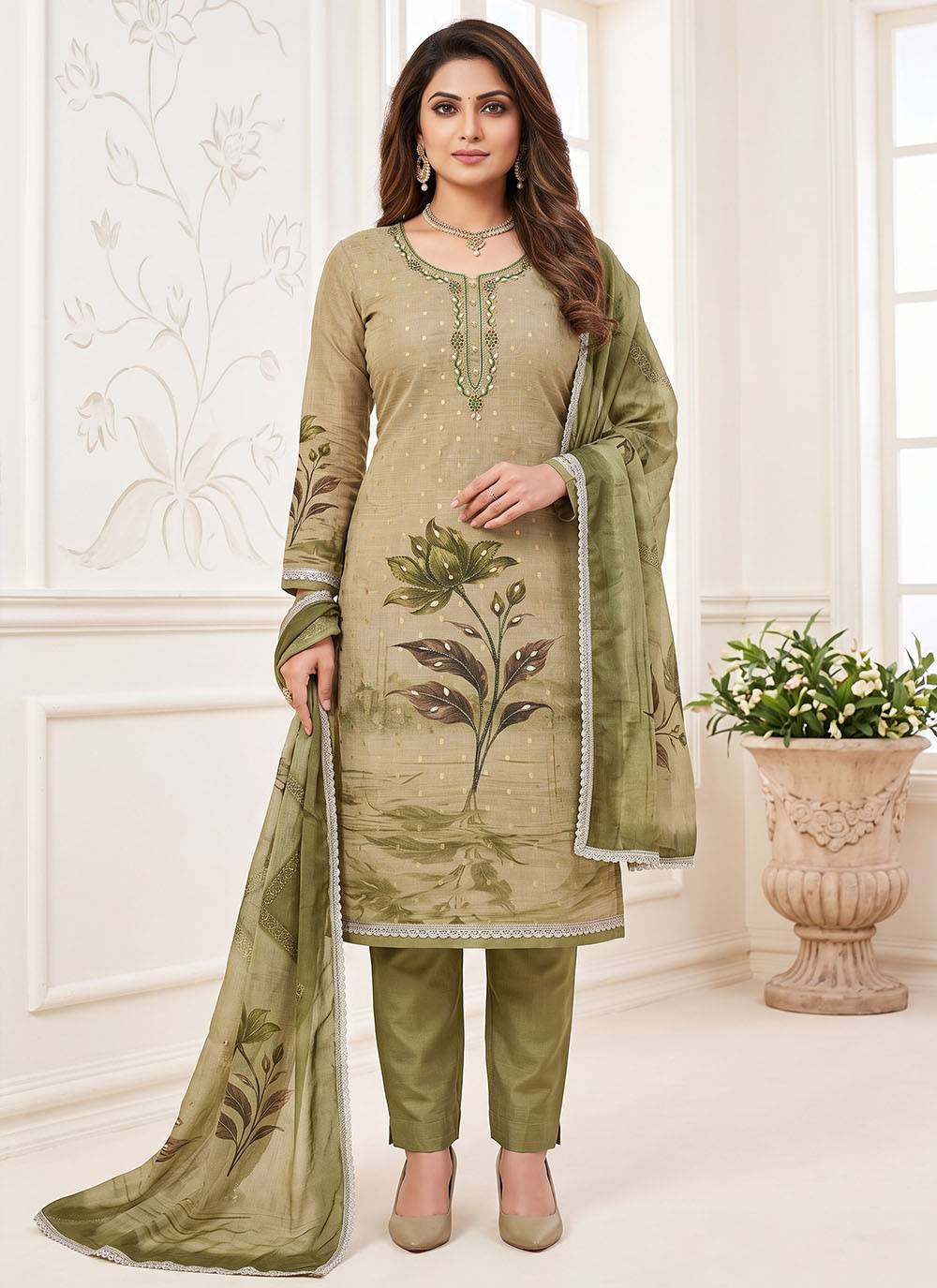
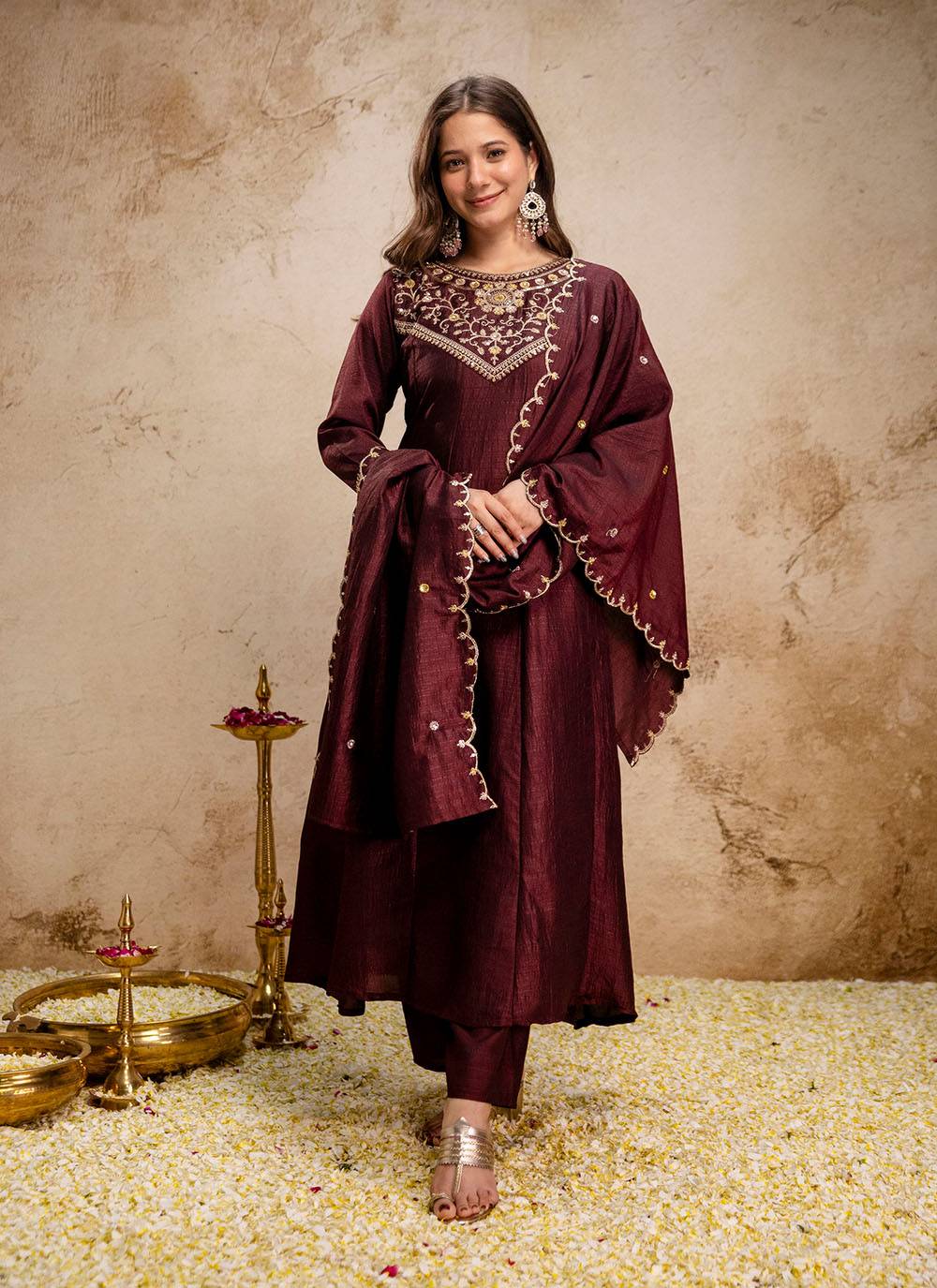
An Instagram seller in Kathmandu told us her best-performing product video was shot in a stairwell, on a phone, in one take. Nothing about the camera work was special. What made it work was the saree arriving from Surat folded for display, tagged, in a bag she could open and shoot within thirty seconds of unpacking. Sourcing for online selling is its own discipline, and it starts before the camera does.
How Nepal's Online Ethnic Wear Market Is Built
Online ethnic wear in Nepal runs on two channels. Daraz is the country's main e-commerce marketplace, with campaign calendars and delivery reach well beyond the capital. Beside it sits the parallel universe of Instagram and Facebook shops, run largely from Kathmandu, selling through lives, reels and DMs, with cash on delivery as the default settlement habit.
The geography is the interesting part. A customer in Butwal or Damak, where deep ethnic retail is thinner, will order online a saree or kurti her mother would have travelled to buy. demand therefore behaves differently from shelf demand: it skews toward pieces that read well in photographs, carry unambiguous colours and sizes, and survive doorstep inspection. Wedding season from November to February spikes both channels at once, exactly when retail counters are busiest too.
Indian textile trade lives on WhatsApp, and buyers who run the channel well outpace those who wait on email. Thread discipline, photo evidence, time-zone rhythm and escalation etiquette, from our side of the desk.
Selling Ethnic Wear Online in Nepal: Sourcing for Daraz and Instagram Shops
Online selling in Nepal runs on Daraz and Instagram, and both punish sloppy sourcing habits differently than retail shelves do. Here is how to source ethnic wear for photo-first selling, COD realities and fast replenishment.
Ajmera Export 14 May 202610 min read
Ecommerce Nepal ethnic wear
Sourcing Differences for Online Sellers
The shelf and the screen reward different lot qualities. On a shelf, three adjacent pieces with a slight shade gradient sell happily side by side. In an online order, the customer bought one photograph, so shade consistency across every piece in the lot is not a nicety, it is your return rate. Daraz seller sourcing should therefore specify shade-lot discipline up front and expect the supplier to record lot numbers piece by piece.
Size consistency matters the same way for kurtis. A 38 that measures differently across two bundles becomes a return, an argument and a refund, in that order. SKU discipline completes the triangle: every design-piece combination should map to one unambiguous code that matches your listings, your packing and your supplier's cartons, or you will spend your evenings reconciling three vocabularies.
Packing That Photographs: The Unskippable Detail
Instagram shop Nepal selling is partly an unboxing business, because the moment a parcel opens is content. Ask your supplier for retail-style packing: each piece individually bagged, tagged with the design number, folded to display dimensions, so it can go from carton to camera without an ironing session. Consistent folding produces consistent thumbnails, and consistent thumbnails are what make a shop look like a brand rather than a rummage.
For sarees, specify the fold style and the insert if you want the drape to read on camera. For kurtis, a polybag with a size sticker beats a taped bundle every time. A supplier used to online retail executes them without being asked twice; one who has never served the channel treats them as exotic requests, which tells you something about their buyer list.
Replenishment Cycles and Bundle Structures
Online demand is spiky in a way shelf demand is not. A reel takes off and a single design sells twenty pieces in two days, then goes quiet. Deep inventory across many designs therefore ties up capital exactly where the channel is least forgiving, while the design that actually moves runs dry mid-spike.
The answer is small first lots plus fast replenishment, and the land route is the quiet advantage here: trucking from Surat to the border runs three to six days, so a reorder placed on the spike's second day can land while the trend still has a week left in it. Provided your supplier holds your spec and greige groundwork for quick restarts, which is the hinge. Online saree selling Nepal style also leans on bundle structures: one-design multi-piece packs for lives and reels, mixed-size kurti bundles, and capsule assortments themed for a single campaign rather than a full season.
Returns, Shade Consistency and the COD Reality
Cash on delivery is a generous return machine. The customer inspects at her door, and anything that disappoints on that doorstep, a colour that reads differently from the photograph, a size that runs small, a piece that arrived crushed, converts on the spot into a return. Your margin math has to assume a real return percentage, because this channel's costs hide after the sale, not before it.
Mitigation is sourcing-side more than policy-side. Shoot under daylight and state the fabric honestly, art silk called art silk, because trust built on accurate listings returns fewer parcels than discounts do. Hold shade-lot consistency within every bundle. And insist on packing that survives the last mile, because a crushed delivery reads to the customer as a careless seller. The honest admission: online margins can look comfortable right up until the month the returns land. Planning for them is what separates a side income from a business.
Working With a Supplier Who Understands Online Retail
The questions to ask a prospective supplier are channel-specific. Will you pack each piece bagged and tagged with my SKU codes? Do you accept small first lots without losing interest? How fast can a reorder restart if the spec is archived? Can you share drape videos of the pieces, not just flat photos? Do you keep shade-lot records per piece?
A supplier who answers these fluently has served online sellers before, and their floor habits will already match your channel. One who answers with polite confusion will learn on your return rate. In our experience the relationship works best when the supplier treats a fifteen-piece reorder with the same discipline as a five-hundred-piece programme, because in this channel the small fast order is the business, not the exception.
Ajmera Export: Your Trusted Ethnic Wear Ecommerce Partner for Nepal
We supply Daraz sellers and Instagram shops across Nepal from our Surat floor, with programmes built for photo-first retail: individually bagged and tagged pieces, folded to display dimensions, SKU-coded to match your listings, and shade-lot recorded piece by piece. Small first lots are welcome, because we would rather a channel prove itself on fifteen pieces than stall on five hundred. Reorders restart from archived specs, and with three-to-six-day trucking to the border, a spike-day reorder can land inside the trend window. Pricing is enquiry-only and structured for online margin realities, including honest advice on which programmes suit the channel and which belong on shelves. Message us with your listings and we will tell you plainly what we can serve.
Why Businesses Choose Ajmera Export
Photo-ready packing: bagged, tagged, folded to display dimensions, SKU-coded per piece
Small-lot programmes: first orders sized for channel testing, not shelf gambling
Fast restart reorders: archived specs and greige groundwork for trend-window refills
Shade-lot discipline: piece-by-piece lot records to protect your return rate
Enquiry-only pricing: quotes structured for online margin realities
Frequently Asked Questions
Where can I buy wholesale ethnic wear for Daraz Nepal?
From Indian supplier desks that serve the online channel, Surat being the natural source for sarees, kurtis and suits at programme scale. Ask for individually bagged and tagged packing, SKU coding per piece and small first lots. A supplier who has served Daraz sellers before answers those requests fluently and already runs shade-lot discipline.
How do I source sarees for an Instagram shop in Nepal?
Source with the camera in mind: pieces that photograph unambiguously, packed to open-and-shoot standards, folded consistently for thumbnails. Reels create spikes, so small first lots plus fast replenishment beat deep inventory. The land route helps here, with trucking to the border in three to six days, provided your supplier restarts reorders from an archived spec.
What packing should online sellers ask for from suppliers?
Each piece individually polybagged, tagged with design number and size, folded to display dimensions so it can go from carton to camera without ironing. Consistent folding produces consistent thumbnails, which is half of looking like a brand. Specify saree fold style and inserts so the drape reads on camera, and size stickers on kurti bags rather than taped bundles.
How do I reduce returns on COD ethnic wear orders in Nepal?
Mostly through sourcing and listing quality, not policy. Hold shade-lot consistency within every bundle, verify size consistency across pieces, shoot under daylight, and describe fabric honestly, art silk called art silk. Insist on packing that survives the last mile, because a crushed delivery reads to the customer as a careless seller, and doorstep returns are non-negotiable.
Can I reorder small quantities quickly from Surat?
Yes, if the supplier holds your specification and greige groundwork, and the good ones do exactly that for online sellers. Trucking to the border runs three to six days, so a reorder placed on a spike's second day can land while the trend still has a week in it. That restart speed is the whole replenishment strategy for this channel.
What ethnic wear sells best online in Nepal?
Pieces that read clearly in photographs and carry unambiguous colour and size: sarees with strong borders, straight-cut kurtis in stable size runs, and capsule assortments themed for a single campaign. Wedding season from November to February spikes both Daraz and Instagram channels. Beyond the metros, online demand compensates for thinner local ethnic retail, so the classic register travels well.
How do bundle orders work for online ethnic wear sellers?
Bundles are structured for the channel rather than the shelf: one-design multi-piece packs for lives and reels, where you sell twenty of the same piece in a session, mixed-size kurti bundles for the size-curious market, and campaign capsules around a theme. Ask the supplier to keep shade-lot consistency within each bundle, since one photograph sold every piece in it.
Should I use supplier photos on my Daraz listings?
Use them to plan, then shoot your own where possible. Your own daylight photographs of the actual piece set accurate colour expectations, which is the single biggest lever on return rates. Supplier drape videos are worth requesting alongside flat shots, because the drape is what the customer is really buying and what a still photograph cannot show.
How much stock should a new online ethnic wear seller start with?
Small and narrow, a few designs in modest lot sizes, with the plan to refill fast rather than buy deep. Online demand is spiky, so capital tied up in slow designs is the channel's quiet killer. Test designs, watch which spike, and use the land route's short trucking to land refills inside the trend window rather than after it.
How long does delivery from Surat take for Nepal online sellers?
Trucking from Surat to the border typically runs three to six days, with the onward leg to Kathmandu short after Birgunj formalities. A reorder can realistically land within the same selling trend if the supplier restarts quickly. The land route's speed is the online seller's best structural advantage.
Conclusion
Online ethnic wear selling in Nepal rewards sourcing decisions made before the camera turns on: photo-ready packing, shade-lot discipline, SKU coding and small lots with fast refills. The land route's three-to-six-day trucking is a real advantage for replenishment, but only with a supplier who restarts reorders from an archived spec. We build exactly those programmes from Surat. Message us on WhatsApp or send the enquiry form with your listings, and we will tell you plainly which of our lines suit your channel, with sample cuttings for serious sellers.
Incoterms decide who pays, who owns the goods and whose problem each leg of the journey is. A plain-language walk from EXW to DDP, with the risk-transfer moments that surprise first-time textile importers.
Tourist counters in Thamel, Lakeside and Boudha sell a narrower, stranger range than locals expect: statement pieces, easy-fit kurtis, wraps and woollens. Here is what actually moves and how to stock it.