
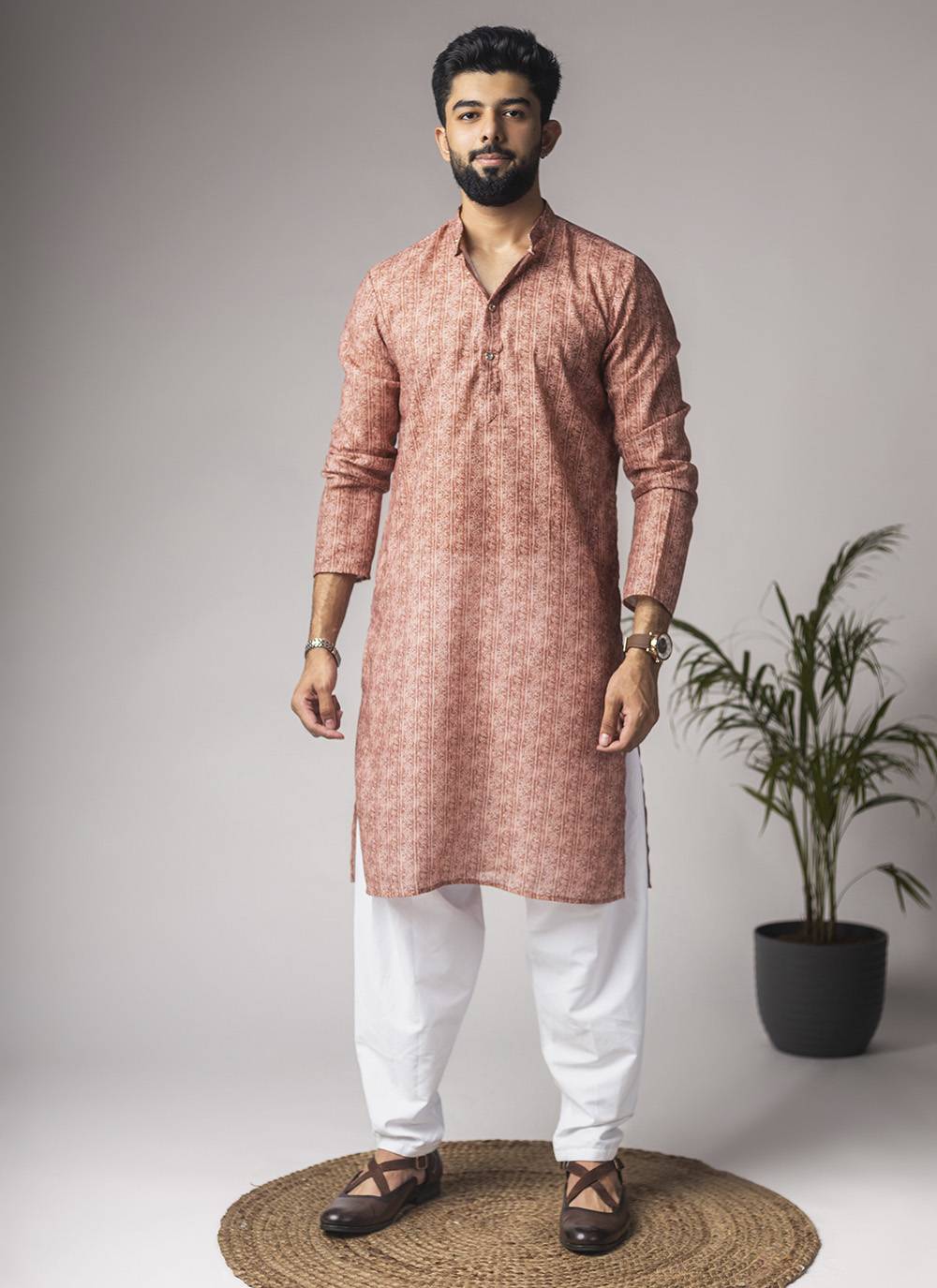
Two shops on the same street in Birgunj can buy the same saree at the same terms and end the season with completely different results. The difference is rarely the buying price. It is what each shop counts as cost, and when the stock landed. We have watched this repeat across every bazaar belt we supply, from Setopul to New Road to the Biratnagar wholesale rows.
Start With Landed Cost, Not Invoice Cost
The first habit that separates surviving shops from thriving ones is arithmetic discipline. The landed cost of a carton is not what the invoice says. It is the goods themselves, plus the truck freight allocated across the load, plus border handling, plus documentation, plus onward cartage from the gate to the shop, plus a small reserve for transit damage and shrinkage. A shop that prices from invoice cost is pricing a fictional garment.
Landed cost for ethnic wear has one dominant variable: how full the truck was. The same carton rides economically inside a consolidated load with balanced cube and weight, and expensively inside a part-load that paid for deck space it did not use. This is why our desk talks about load planning as a margin topic, not a logistics topic. Freight per piece is a merchandising decision disguised as a transport decision.
The Layers in a Nepal Ethnic Retail Margin
Once landed cost is honest, the margin structure in Nepal ethnic retail stacks in recognizable layers. The wholesale layer, the spread between what a Setopul wholesaler pays and what the retail counter pays. The operating layer, rent, staff and the slow leak of shop overhead across a season. The markdown reserve, the slice of planned margin held back to absorb end-of-season clearance, because not every piece sells at full price. And underneath it all, the timing layer, which appears on no invoice at all.
Retail markup conventions in Nepal differ by category. Saree counters carry one logic, built around festival weeks and occasion buying. Kurti counters carry another, built on rotation and steady everyday selling. Wedding categories tolerate the strongest full-price weeks of the year, in season, and almost nothing outside it. Wholesale margin planning means knowing which layer each category feeds before you buy a single carton.
Freight Per Piece: The Quiet Margin Lever
Because Nepal is supplied over land, freight behaves differently than it does for sea-export markets. There is no container minimum to fight; there is only truck utilisation. A buyer who consolidates categories into full trucks, dense bales below and voluminous cartons above, spreads the same road cost across more pieces than a buyer who ships part-loads on impulse.
Carton design matters more than buyers expect. Dense, stackable, square packing carries more pieces per deck metre than loose, over-aired cartons. Mixed-category trucks that balance cube and weight carry the most merchandise per crossing. None of this shows up in a price list. All of it shows up in the margin.
Festival Timing: The Margin Nobody Prices
Here is the layer that decides more seasons than any negotiation. Stock that lands before Teej sells at full price through the festival weeks. The identical carton, landed mid-Dashain, is clearance stock with a story attached. The festival calendar in Nepal is not a sales-promotion calendar; it is the full-price calendar, and the windows are short.
Dashain in September-October is the deepest window of the year, followed by Tihar and then Chhath, which is strongest in the eastern Terai. The wedding season from November through February is longer and steadier, rewarding replenishment velocity rather than depth. A buyer who plans the buy so that depth lands before the window, not during it, has effectively added a timing premium to every piece without paying anyone for it.
Markdown Risk and the Late-Stock Problem
Markdown risk is the tax on bad timing. When late stock misses its window, it does not wait politely for the next season; it occupies shelf space and working capital while fresher programmes arrive around it. The shop eventually clears it at whatever the traffic allows, and the markdown reserve that was meant to absorb normal end-of-season drift is spent on avoidable lateness instead.
Our buyers tell us the cheapest saree on their shelf is the one that arrived before Dashain began, whatever the invoice said. The most expensive one arrived during Tihar, full stop. No margin structure rescues late stock; structure only determines how gracefully the loss is absorbed.
Currency and Payment: One Less Layer to Fight
Nepal's currency is pegged to the Indian rupee, which removes a planning layer that our buyers in sea-export markets wrestle with constantly. There is no exchange-rate assumption to defend inside the margin structure. Payments between Nepali buyers and Indian suppliers are commonly settled in INR through banking channels, which keeps the accounting clean on both sides.
On first orders, the common structure is advance against documents, with the balance settled as the relationship and track record build. It is a sensible convention: the supplier is protected on an unproven buyer, and the buyer earns smoother terms with history. We are candid with new buyers about this rather than pretending terms start at their ideal.
The honest admission of this whole post: margin structure is teachable, but timing discipline is a habit, and habits are harder to transfer than spreadsheets. We can plan the calendar with you, hold the load-outs, and land the trucks before the windows. The buying restraint on late-season temptation stays on your side of the desk.
Ajmera Export: Your Trusted Margin Planning Partner
We are a Surat-based manufacturer-exporter of ethnic wear and fabric, and our desk treats margin structure as part of the product, not an afterthought. We help Nepal buyers plan buys around landed cost: consolidated truck-loads that balance cube and weight, carton design that carries more pieces per deck metre, and delivery dates worked backwards from festival windows so stock lands before full-price weeks, not during clearance. Payments settle in INR through banking channels, first orders run on advance against documents, and the Certificate of Origin under the Indo-Nepal Treaty of Trade is prepared on our side so preferential treatment is not left to chance. Pricing is enquiry-only and quoted against programme volumes. Send us your categories and shelf dates, and we will plan the season against the calendar with you.
Why Businesses Choose Ajmera Export
- Landed-cost thinking built into quotes: freight allocation planned before the buy, not after
- Calendar-first merchandising advice: order-by dates anchored to festival windows
- Consolidation support: full trucks, balanced loads, freight spread across more pieces
- clean accounting under the NPR-INR peg
Frequently Asked Questions
How should I calculate landed cost for ethnic wear imported from India?
Start with the invoice value, then add truck freight allocated across the whole load, border handling charges, documentation, onward cartage from the gate to your shop, and a small reserve for damage and shrinkage. Only then do you know what a carton truly cost you. Shops that price from invoice cost alone are working with a fictional garment.
What margin structure works for Nepal ethnic retail?
A workable structure stacks the wholesale layer, operating overhead, and a markdown reserve for end-of-season clearance, all on top of honest landed cost. The categories differ: sarees lean on festival weeks, kurtis on rotation, wedding wear on seasonal full-price depth. Plan each category's layers separately rather than applying one markup rule to everything.
How does truck freight affect per-piece margins?
A truck costs nearly the same to run part-full as full, so per-piece freight falls as utilisation rises. Consolidating categories into complete loads, and packing densely and stackably, spreads the same road cost across more pieces. On the land route, load planning is one of the largest controllable margin levers you have.
When should festival stock land in Nepal for full-price selling?
Teej stock should land before the festival weeks in August-September, Dashain depth before September, Tihar gift stock by early October, and Chhath stock for the eastern Terai before that window closes. Wedding-season replenishment runs through November-February. Stock landing during a window sells at clearance; stock landing before it sells at full price.
What is markdown risk in festival buying?
Markdown risk is the loss taken when stock misses its full-price window and must be cleared below plan. It consumes the reserve you hold for normal end-of-season drift, and it ties up shelf space and working capital while fresh programmes arrive. The primary cause is not over-buying but late landing, which makes calendar discipline the main defence.
How do retail markups differ across sarees, kurtis and suits in Nepal?
Saree counters build markups around concentrated festival demand and occasion buying, which supports stronger full-price weeks. Kurti counters work on rotation and everyday demand, so the markup is steadier but thinner per piece. Salwar suits sit between, with wedding-adjacent depth in season. The wholesale-to-retail spread differs by category and by market tier.
How do payments work between Nepal buyers and Indian suppliers?
Payments are commonly settled in Indian rupees through banking channels, which works cleanly because the Nepali rupee is pegged to the INR. First orders typically run on advance against documents, with the balance settled as the relationship builds. Terms improve with transaction history rather than negotiation alone.
Does the NPR-INR peg make margin planning easier?
It removes one layer entirely: exchange-rate risk. Unlike buyers in sea-export markets, Nepali buyers do not need to defend a currency assumption inside their margin structure. The peg does not remove freight, timing or markdown risk, but it does mean the planning attention can go where the money is actually won or lost.
What is advance against documents for first orders?
It is the common first-transaction structure: a defined advance is paid and the balance is settled against shipping documents through banking channels. It protects the supplier on an unproven relationship and gives the buyer a documented, traceable transaction. As order history accumulates, terms typically relax.
How can Ajmera Export help with landed cost planning?
We plan truck load-outs so freight spreads across full, balanced loads, advise carton packing that carries more pieces per deck metre, and schedule dispatch backwards from your festival windows so stock lands before full-price weeks. Send us your categories and shelf dates, and we will build the season plan with you, pricing on enquiry only.
Conclusion
Margins in Nepal ethnic retail are built in the planning, not the bargaining: honest landed cost, freight spread across full trucks, markups matched to category behaviour, and stock landed before the window rather than during it. Structure can be taught; timing is the habit that pays for it. If you want a supplier who plans the calendar and the truck as carefully as the cloth, message our desk on WhatsApp or send the enquiry form. We will start with your shelf dates, because those decide everything else.
Sourcing ethnic wear for your business?
Our export team shares catalogues, MOQ and pricing tailored to your market — response within one business day.