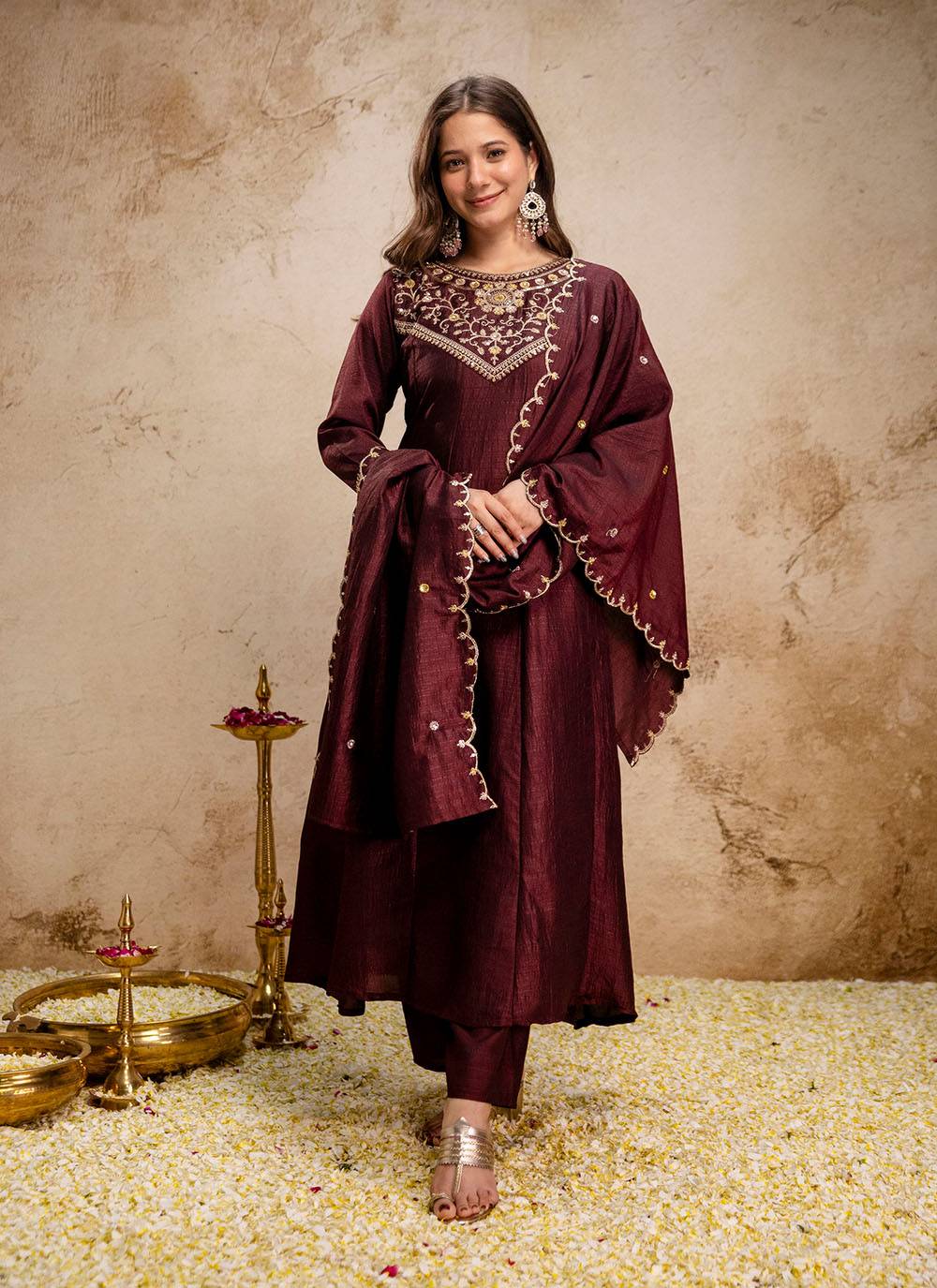
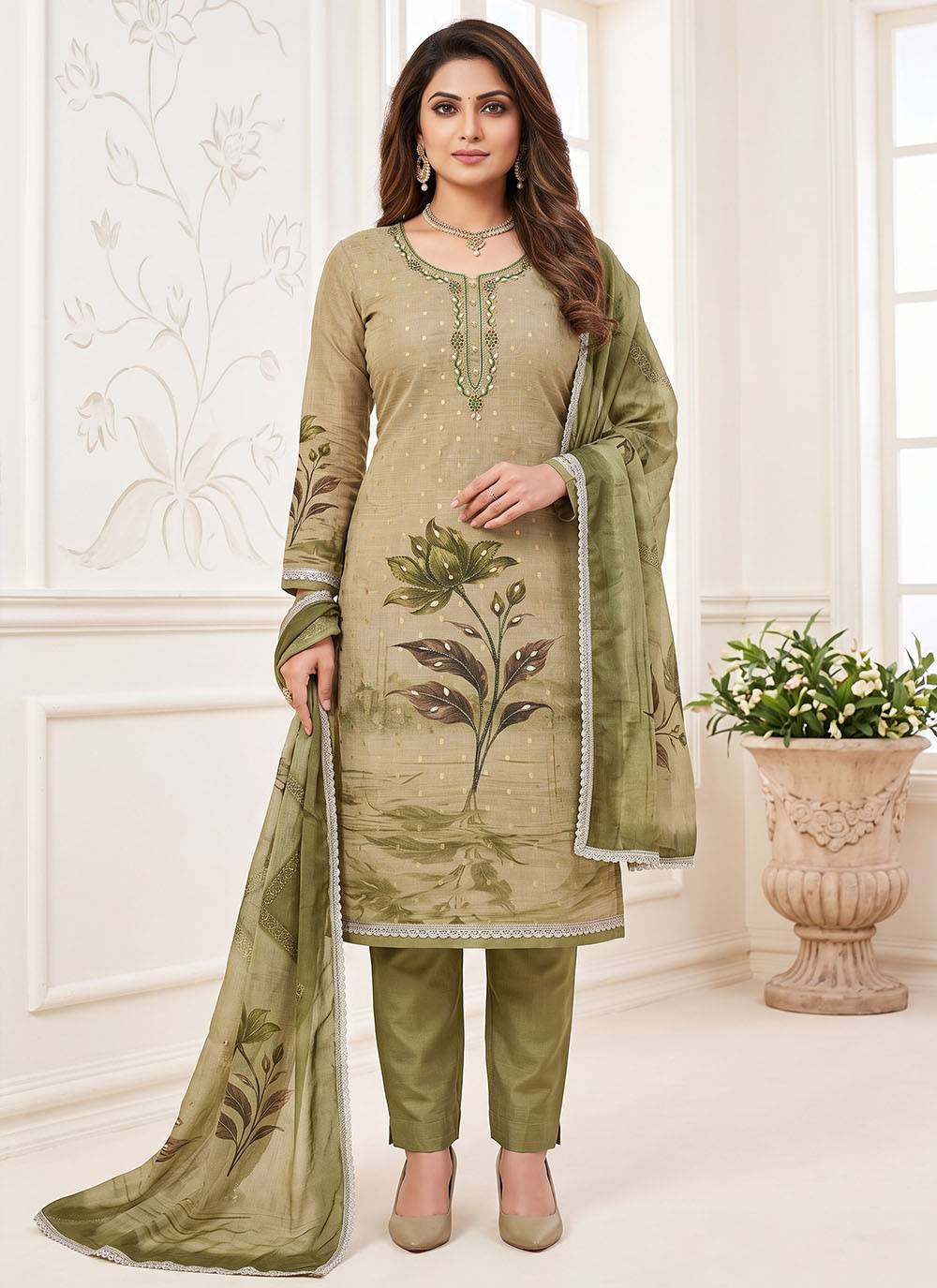
The best-performing counter we supply in Janakpur opened with a lot so small it shared a truck with three other buyers' goods. One glass case, a half-rack of kurtis, some sarees rolled in cellophane. Two Dashains later the same owner books a full season programme. The difference was never capital. It was understanding how minimums actually work.
Nepal's Retail Map Runs on Small Counters
The ethnic-wear trade in Nepal is not built around department stores. It runs on counters: a glass case on Putalisadak in Kathmandu, a shopfront near Traffic Chowk in Biratnagar, retail rows in Itahari and Damak fed by the Setopul wholesale layer and the trade town around the Birgunj gate. Most are family operations where the owner is also the buyer, the merchandiser and the cashier.
From a Surat export desk, that map looks fragmented at first. Look closer and it has a rhythm. Cash cycles are short, shelf space is measured in linear feet, and the calendar belongs to Teej, Dashain, Tihar, and a wedding season that runs from November into February. A relationship built on small retailer wholesale Nepal terms starts with a different question than annual volume: what can this counter sell through before the next festival?
What a Trial Lot Actually Looks Like
The idea that a first order must be a full category programme is leftover thinking from container-scale trade. The workable first order from a single counter is a mixed lot: a handful of sarees for the wedding rack, kurtis in the fastest-moving sizes, some dress material for the tailor crowd, a few kids sets if Dashain is within reach. This is exactly what mixed-category minimums are for.
The mechanics on our side of the desk are simple once you see them:
- Minimums apply per category, not to the order as a whole, so one dispatch lets a counter test four categories instead of betting the season on one
- The truck-batch shares freight across categories, so nobody pays full transport for a half-rack of goods
- Cartons are packed counter-ready: folded, wrapped where it helps, sized for a glass case rather than a warehouse
- First shipments usually move advance-against-documents, settled in INR through banking channels, since NPR is pegged to the Indian rupee
A trial lot is not a favour we do for small buyers. It is how both sides learn sell-through without betting a season on guesswork.
Why a Minimum Order Quantity Exists at All
Counter owners sometimes read minimums as suppliers being difficult. So here is the honest machinery behind a minimum order quantity ethnic wear policy. Fabric is dyed in lots, which means a three-piece order can force a dye run sized for three pieces. Embroidery is set up by design, so a small run carries the full setup regardless of quantity. Cartons, packing labour and border documentation are close to fixed costs per dispatch. Below a certain floor, the landed cost per piece stops making sense for the buyer, not for us.
Any useful Nepal MOQ guide should say the quiet part out loud: bring your counter data and your shelf date, and the minimum becomes a design problem rather than a wall. We would rather build a mixed floor that clears your case in six weeks than push a big lot that sits for six months and teaches your market to wait you out.
The Truck-Batch: Birgunj and the Three-to-Six-Day Reality
Nepal-bound cargo from Surat moves by road, and that is one of the quiet advantages of this trade. A truck from our side reaches the Birgunj-Raxaul gate, the busiest crossing for Nepal-bound cargo, in roughly three to six days depending on route and season. Eastern destinations plan on similar windows through Biratnagar-Jogmani or Kakarbhitta-Panitanki; the far west moves through Nepalgunj-Rupaidiha; the Lumbini side through Bhairahawa-Sunauli. Compare that with sea legs to other markets and you understand why Nepali buyers can genuinely reorder mid-season.
The practical unit is the truck-batch: one consolidated dispatch carrying several categories of your programme, or your lot riding alongside other buyers headed the same way. Indian-origin goods moving with a proper Certificate of Origin under the Indo-Nepal Treaty of Trade receive preferential customs treatment. Do the paperwork right the first time, because a consignment sitting at a gate over documents burns the days you saved on the road.
From One Truck-Batch to a Season Programme
This is where the bazaar counter supply relationship pays for itself, and the pattern is remarkably consistent. First order: four categories, small floors, everything watched. Second order: double what cleared, drop what did not. By the third or fourth cycle the buyer is planning backwards from Dashain, booking production in June and July so the big dispatch leaves Surat by late August.
A season programme for a single counter rarely looks like one giant order. It looks like a calendar: a Teej saree drop in July, the Dashain dispatch landing in early September, a smaller Tihar follow-up for gifting, then wedding-season replenishment from November. Small timed releases keep cash turning, and turning cash is the whole game at counter scale.
The honest trade-off: a mixed lot carries more handling per piece than one bulk run, and assembling a consolidated dispatch takes a few days longer than a single-category rush. Counters that accept that friction in year one are the ones booking full programmes in year two.
Ajmera Export: Your Trusted Nepal Wholesale Partner
We run Nepal-bound business from a Surat desk inside the Ring Road market cluster, with mill partners across Bhagal, Katargam and Sachin GIDC and embroidery floors in Umarwada a short drive away. That geography makes mixed trial lots practical: sarees, kurtis, dress material and kids wear come off different floors and consolidate into one counter-ready truck-batch headed for Birgunj, Biratnagar or Bhairahawa. Our documentation desk prepares the Certificate of Origin under the Indo-Nepal Treaty of Trade alongside the invoice and packing list, and first orders settle advance-against-documents in INR. Numbers stay on enquiry, because a lot built around your counter deserves figures built around it. Send your categories and shelf date, and we will propose a first lot honestly.
Why Businesses Choose Ajmera Export
- One accountable desk: a single merchandiser follows your lot from selection to gate clearance, so nothing gets lost between floors
- Mixed-category consolidation: trial lots that combine sarees, kurtis and dress material into one truck-batch with shared freight
- folded, wrapped and carton-sized for glass cases, not for warehouses
Frequently Asked Questions
What is the minimum order quantity for ethnic wear exports to Nepal?
There is no single published number, because we set minimums per category and per lot structure. A mixed first order combining sarees, kurtis and dress material carries a lower floor per category than a single-category run, since packing and trucking consolidate across the dispatch. Tell us your counter size and target shelf date, and we quote a workable minimum on enquiry.
Can I mix sarees, kurtis and dress material in one first order?
Yes, and we encourage it. Mixed-category minimums exist precisely so a single counter can test four categories in one dispatch instead of committing deeply to one. The truck-batch shares freight across categories, cartons arrive counter-ready, and your second order follows actual sell-through rather than guesswork. Most counters we now supply at season scale began exactly this way.
How do payments work for a first order from Nepal?
NPR is pegged to the Indian rupee, so settlement commonly runs in INR through normal banking channels. For first orders the standard structure is advance-against-documents, which protects both sides while the relationship is young. Repeat buyers move to more comfortable terms as trade history builds. We share the document set in advance so nothing surprises you.
How long does a textile shipment from Surat to Nepal take?
Road transit from Surat to the border runs roughly three to six days depending on route and season, with Birgunj-Raxaul the busiest gate for Nepal-bound cargo. Add gate clearance and inland movement, and a consolidated truck-batch typically lands within about a week of dispatch. Eastern destinations via Biratnagar or Kakarbhitta plan on similar windows.
Do I need a Certificate of Origin to import Indian textiles into Nepal?
For Indian-origin goods, yes, and it pays for itself in avoided delays. Under the Indo-Nepal Treaty of Trade, goods meeting origin criteria with a proper Certificate of Origin receive preferential customs treatment. Our documentation desk prepares the certificate with the invoice and packing list, so the consignment moves without the hold-ups hand-arranged paperwork invites.
Which border gate should my textile cargo enter through?
Route by final destination. Birgunj-Raxaul handles the majority of Nepal-bound cargo and feeds the Valley and points west. Biratnagar-Jogmani serves eastern industry and Terai retail, Bhairahawa-Sunauli the Lumbini side, Nepalgunj-Rupaidiha the far west, and Kakarbhitta-Panitanki the Jhapa belt around Damak and Birtamode. We route on your counter's location, not the truck's convenience.
When should a small retailer order for Dashain?
Dashain falls in September or October and is the biggest selling window in Nepal, so order backwards from it. Production booked in June or July, dispatch by late August: that is the sane calendar. A truck-batch leaving in early September can still reach shelves in time, but popular constructions lose production slots first, and slots are what run out.
Can a single retail counter in Kathmandu order directly from Surat?
Yes. Counters on New Road and Putalisadak, and shops supplied through the Setopul wholesale layer, order directly from Surat exporters as well as through the Birgunj trade town. Direct ordering suits a counter that wants its own design mix or a lot assembled to its shelf. Gate logistics and documentation work the same at one-carton scale as at programme scale.
What if my first trial lot does not sell well?
Then we change the mix, not the relationship. A trial lot is a learning instrument: the point is discovering what your counter moves before committing a season's cash. We would rather see a second order double the one category that cleared and drop the three that did not. That honesty costs us a bigger first invoice, and it is still the right trade.
How do I scale from a trial lot to a full season programme?
Follow the sell-through. Track which categories and sizes cleared before the festival, then book the next lot around those numbers with production reserved in advance. Most counters reach season programmes within three or four cycles: a Teej drop in July, the Dashain dispatch by early September, a Tihar follow-up, then wedding-season replenishment from November.
Conclusion
Minimums feel like a wall until someone shows you the door. For Nepal's counters the door is a mixed-category trial lot, a consolidated truck-batch through Birgunj, and a supplier who plans backwards from Dashain rather than forwards from an invoice. If you run a counter anywhere the festival calendar dictates the shelf, send us your categories and shelf date on WhatsApp or through the enquiry form. Serious buyers receive samples and a proposed lot structure before any commitment. Start small, learn fast, scale into the season.
Sourcing ethnic wear for your business?
Our export team shares catalogues, MOQ and pricing tailored to your market — response within one business day.