A retailer in Kanchanpur once told us, half complaining and half proud, that his stock travels further inside Nepal than most Kathmandu cloth travels in total. He buys in Nepalgunj, two days before it reaches his counter. That is the far-west reality: the border is only the beginning of the journey, and everything about supplying this region is shaped by the road legs that follow it.
Rupaidiha Routing: The Long Way Round Is the Only Way
Nepalgunj distribution begins at the Rupaidiha border, with Rupaidiha on the Indian side in Uttar Pradesh and Nepalgunj across the line in Banke district. Trucks from Surat thread north-east through Maharashtra and Madhya Pradesh before swinging into Uttar Pradesh, and the run typically takes four to six days. Fewer consolidated loads run this lane than run to Birgunj, so load-building and truck availability matter more here than on the eastern corridors.
The other entry worth knowing is the rail-served corridor further west, which carries a different class of cargo. For textiles, though, road through Rupaidiha remains the workhorse. The gate itself is quieter than Birgunj, which has an under-appreciated benefit: clearance files often move faster because the yard is less congested.
Indian textile trade lives on WhatsApp, and buyers who run the channel well outpace those who wait on email. Thread discipline, photo evidence, time-zone rhythm and escalation etiquette, from our side of the desk.
The far west of Nepal buys its cloth through Nepalgunj, and every leg beyond the border only gets longer. Here is how distribution into Karnali and Sudurpashchim really works.
Ajmera Export 1 Jun 20268 min read
Dhambojhi and the Nepalgunj Trade Grid
The commercial heart of the town beats around Dhambojhi, where the wholesale godowns sit. Retailers from Banke and Bardiya buy here on short cycles, and traders from further afield arrive with their own transport arranged. Nepalgunj is also one of the hottest towns in Nepal, and that heat shows up on the shelf: breathable cottons and light blends move through the Terai summers here faster than heavy constructions do.
Our buyers from this belt tell us the same thing every year. The daily-wear rotation is the volume engine, and the festive spike sits on top of it. A shop that plans only for Dashain is planning only half a business.
Feeding Karnali and Sudurpashchim: The Longest Legs in Nepal
This is where far west Nepal supply becomes a distribution discipline rather than a sales one. From Nepalgunj, goods push north-west toward Surkhet and on toward the hill districts of Karnali, and further west along the Terai and hills toward Dhangadhi, Tikapur and Bhimdatta in Sudurpashchim. Some of these legs are measured in days rather than hours, particularly once the roads climb out of the Terai.
The practical consequence is that Karnali Sudurpashchim wholesale runs on fewer, fuller, better-planned loads. Hill retailers in these provinces do not reorder weekly the way Terai bazaars do. They buy deeper when they buy, because their next opportunity to buy is not next week. A supplier who understands this packs differently: complete size runs, complete colour stories, no half-programmes that leave a shop stranded mid-season.
Consolidation Logic for Long Road Legs
The economics of long legs reward consolidation ruthlessly. One full truck from Surat to Nepalgunj, with a single documentation set and a single border crossing, then re-distribution locally into smaller vehicles, almost always beats three separate part-loads on landed cost per piece. Textiles cube out before they weigh out, so the constraint is carton volume, not axle weight; that is why mixed-category planning matters.
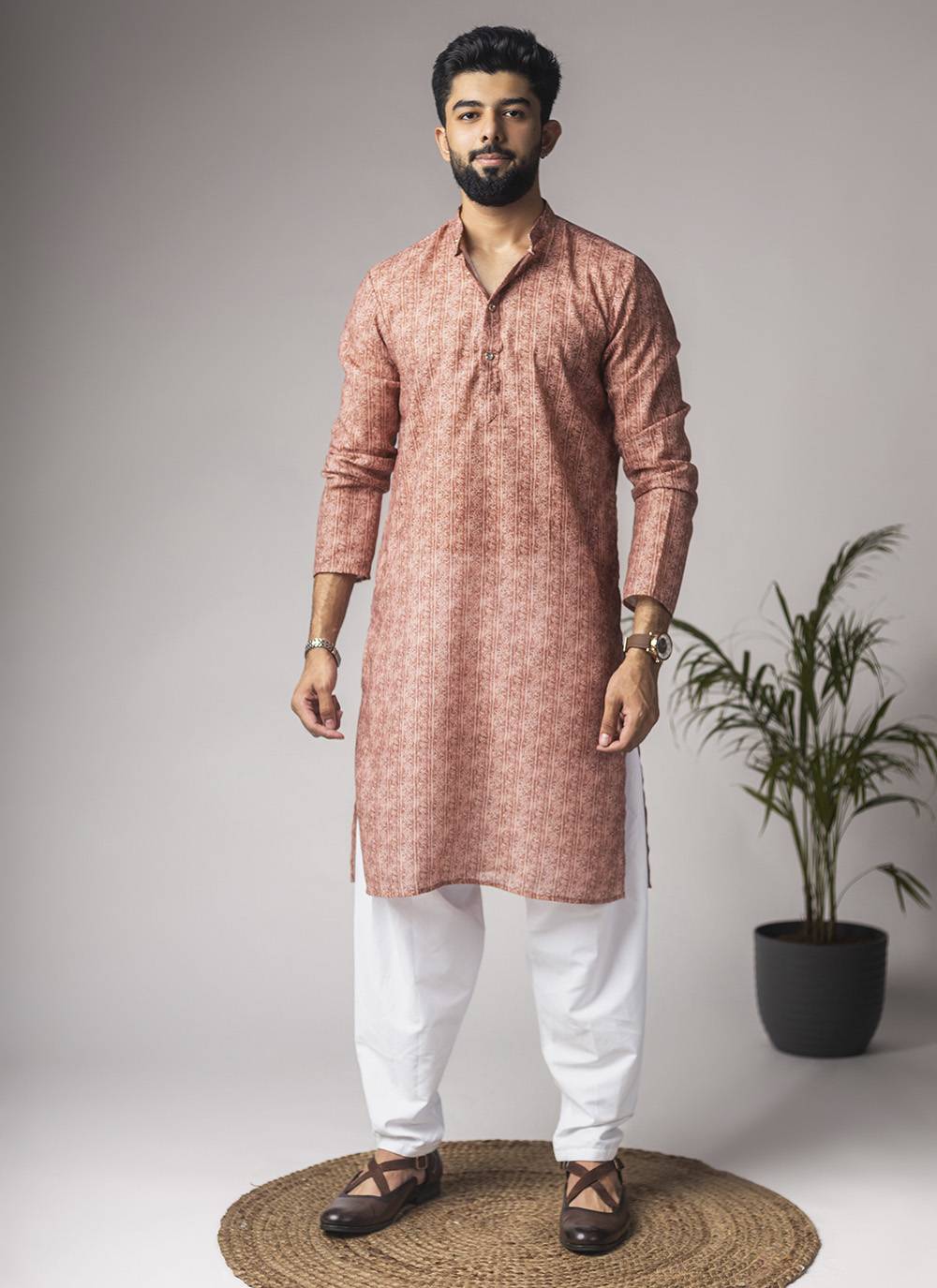
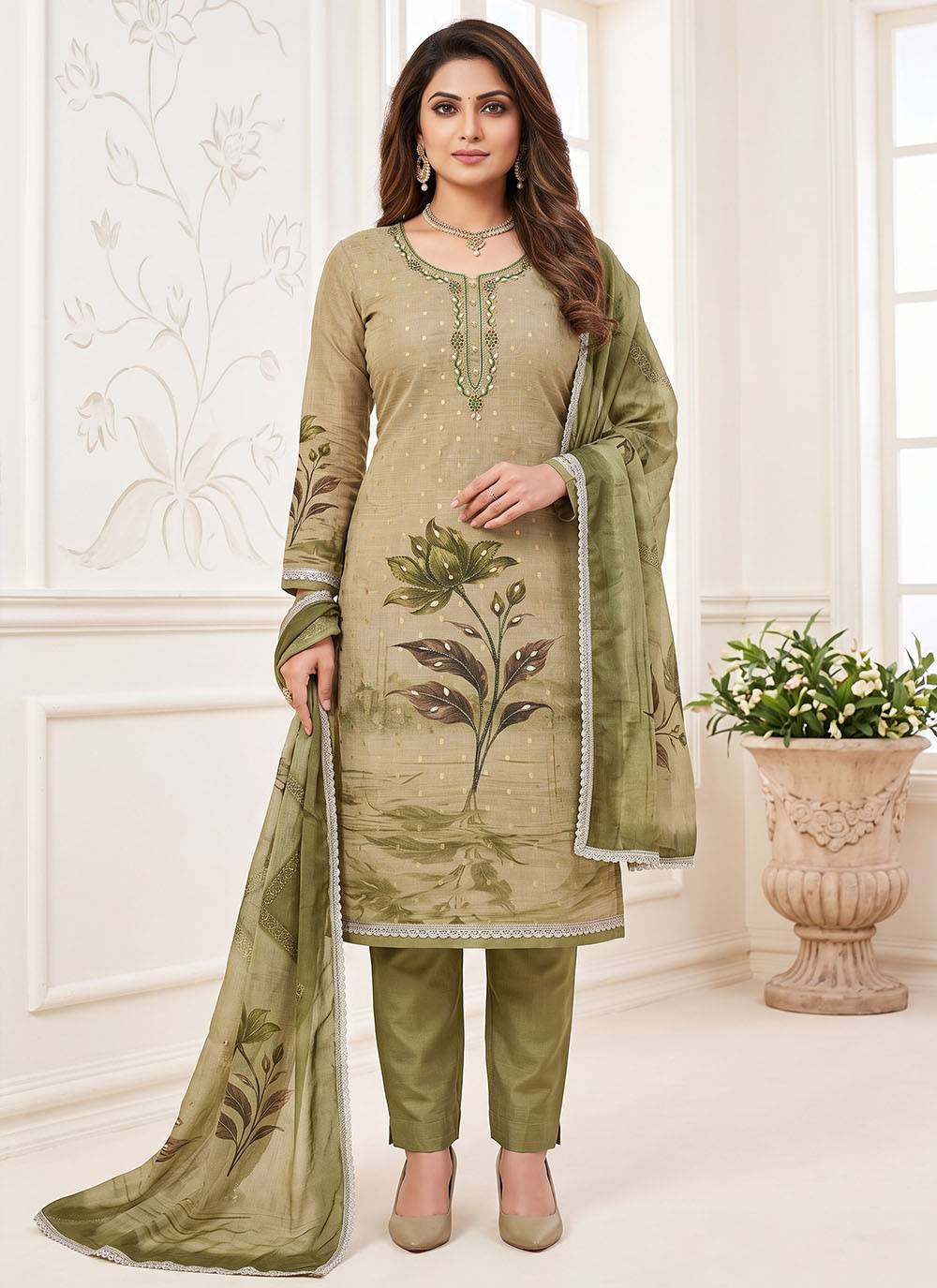
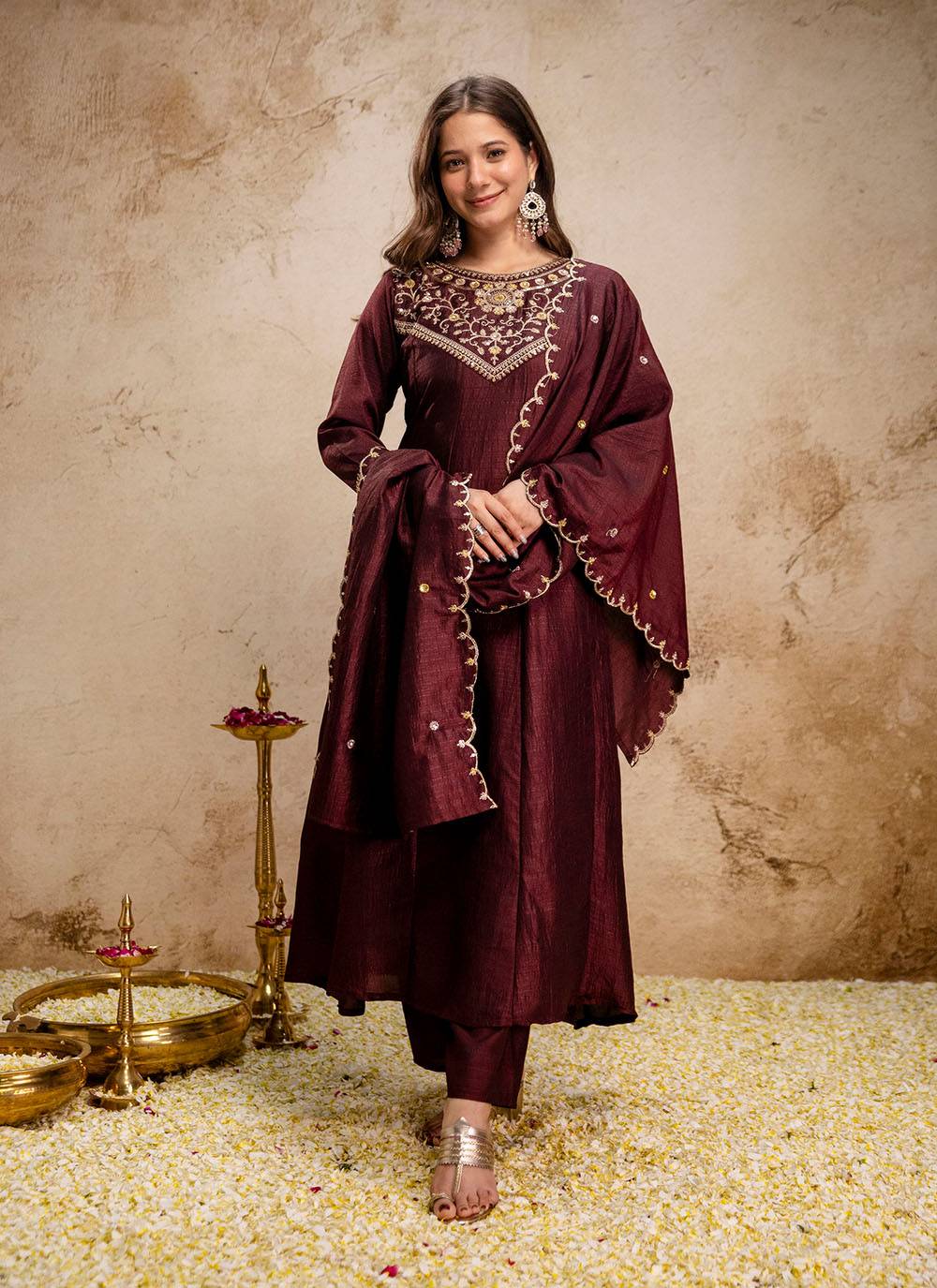
A typical consolidated load for this corridor on our floor carries a spread: daily cotton sarees and suits as the base, festive occasion wear stacked in the festival run-up, kids ethnic for the Dashain photograph trade, and a deliberate block of wedding-weight pieces for the November to February season. The mix shifts with the calendar, but the principle never does.
The honest trade-off is timing. Committing to consolidation means ordering earlier and locking a bigger programme before you have sell-through data from the far-west towns. Freight savings are real, but they are paid for in planning nerve.
Season Windows in the Far West
The far-west calendar follows the national one, with its own weightings. Dashain and Tihar dominate the autumn exactly as they do elsewhere in Nepal, and the wedding season runs November to February. Hill districts add a genuine winter: velvet shawls, heavy dupattas and warm-weather-free constructions concentrate between November and January in a way the Terai simply never sees.
Chhath matters in this corridor too, particularly in the Terai belt running west. Our planning rule for the region: festival stock dispatches from Surat no later than mid-August, winter weight rides the October and November trucks, and the first wedding reorder window opens in December, when the land route can still bring a top-up inside two weeks.
What We Pack Differently for the Far West
Roads in the hills beyond Nepalgunj punish loose packing, so far-west cartons get double-wall fibreboard and tighter stacking patterns. Every carton is poly-wrapped regardless of season, because one exposed stretch of highway can meet a surprise shower. Labels are printed with the buyer's own godown codes, and we photograph each carton face before loading, so a mid-journey dispute about what was shipped is settled by a photograph instead of memory.
Ajmera Export: Your Trusted Nepalgunj Distribution Partner
We supply the far west through the same desk that runs our other Nepal corridors, which means the discipline travels with the goods. Our base in Surat covers fabric through finished ethnic wear, so a consolidated truck can carry sarees, suits, kurtis, kids sets and bridal pieces from one origin, one invoice chain and one Certificate of Origin. We plan mixed loads backwards from festival and wedding shelf dates, pack for the long legs beyond Nepalgunj, and keep the document set matched to the carton count to the kilogram. If you distribute from Nepalgunj into Karnali or Sudurpashchim, tell us your towns and your calendar, and we will build the load around your road reality rather than our dispatch convenience. Samples and exact costs go to serious buyers on enquiry.
Why Businesses Choose Ajmera Export
One accountable desk: quoting, production chasing and dispatch planning sit with the same person who answers for them
Single-origin consolidation: fabric, sarees, suits, kurtis and bridal wear from one Surat base, so one truck stays one programme
Long-leg packing standards: double-wall cartons, poly wrap and photographic load records built for rough far-west roads
Calendar-anchored dispatch: mid-August festival dispatch, October winter weight, December reorder windows planned in advance
Enquiry-only pricing: no displayed prices, ever; costs discussed directly with genuine buyers
Frequently Asked Questions
Where does far west Nepal get its textiles from?
Mostly through Nepalgunj, which sits opposite the Rupaidiha border crossing. Goods arrive from Indian manufacturing centres like Surat, break bulk in Nepalgunj godowns, then re-distribute toward Surkhet, Dhangadhi and the hill districts. It is the primary trade gate for the entire western half of the country.
Which border crossing serves Nepalgunj?
Rupaidiha, on the Indian side in Uttar Pradesh, directly opposite Nepalgunj in Banke district. It is quieter than the Birgunj-Raxaul gate, and files often clear faster for exactly that reason. Trucks from Surat typically reach it in four to six days.
How long does trucking take from Surat to Nepalgunj?
Four to six days to the border, depending on route and season. Add the crossing and local transfer, and most consignments are in Nepalgunj godowns within a week of leaving Surat. Onward legs into Karnali or Sudurpashchim then add one to three days.
What is Dhambojhi market known for?
Dhambojhi is Nepalgunj's main wholesale commercial area, where godowns supply retailers from Banke, Bardiya and the provinces further west. For textiles, it concentrates sarees, salwar suits, dress material and festive categories. Buyers here purchase on short cycles for daily wear and deeper for festivals.
How do goods reach Karnali province from Nepalgunj?
Trucks and smaller vehicles run north-west from Nepalgunj toward Surkhet and onward into the Karnali hill districts. The legs are long and road-dependent, so traders buy deeper and less often than Terai bazaars. Suppliers who pack complete programmes serve this trade best.
Which districts does Nepalgunj distribution cover?
Beyond Banke and Bardiya, the reach extends to Kailali and Kanchanpur in Sudurpashchim, Surkhet, Dailekh and the wider Karnali belt, and much of the western Terai. Retailers from these districts either collect from Nepalgunj or buy from stockists who run scheduled onward routes.
What sells best on far west Nepal retail counters?
Daily-wear cotton sarees and salwar suits are the volume engine year-round. Dashain and Tihar pull festive and occasion wear hard, kids ethnic spikes before the festival photographs, and hill districts add a real winter window for velvet and heavy dupattas between November and January.
Should far-west buyers consolidate into full truck loads?
On long legs, almost always. One consolidated truck with a single documentation set and crossing, followed by local re-distribution, beats multiple part-loads on landed cost per piece. The trade-off is committing earlier and ordering deeper before sell-through data confirms the mix.
What documents are needed at the Rupaidiha border?
The standard Nepal import set: commercial invoice, packing list and Certificate of Origin for treaty preferential treatment, lodged through a customs broker with the entry declaration. Quantities, weights and consignee details must match across every document and the physical load.
How do far-west retailers pay Indian suppliers?
Settlements run in Indian Rupees through banking channels, with advance against documents the common first-order structure. The NPR-INR peg keeps quoted prices stable for months. Payment history across a few clean orders is what earns relaxed terms later.
Conclusion
Nepalgunj is not a market you sell into so much as a hinge you supply through, and the far west rewards buyers and suppliers who respect the road. Plan full loads, pack for punishment, time your festival dispatch early, and treat the winter and wedding windows as their own programmes rather than afterthoughts. That is the entire game west of Butwal. Send us your towns, your categories and your shelf dates on WhatsApp or through the enquiry form, and we will put together a consolidated far-west programme with samples for serious buyers.
nepalgunj distributionrupaidiha borderfar west nepal supplykarnali sudurpashchim wholesale
Sourcing ethnic wear for your business?
Our export team shares catalogues, MOQ and pricing tailored to your market — response within one business day.
Incoterms decide who pays, who owns the goods and whose problem each leg of the journey is. A plain-language walk from EXW to DDP, with the risk-transfer moments that surprise first-time textile importers.
Tourist counters in Thamel, Lakeside and Boudha sell a narrower, stranger range than locals expect: statement pieces, easy-fit kurtis, wraps and woollens. Here is what actually moves and how to stock it.