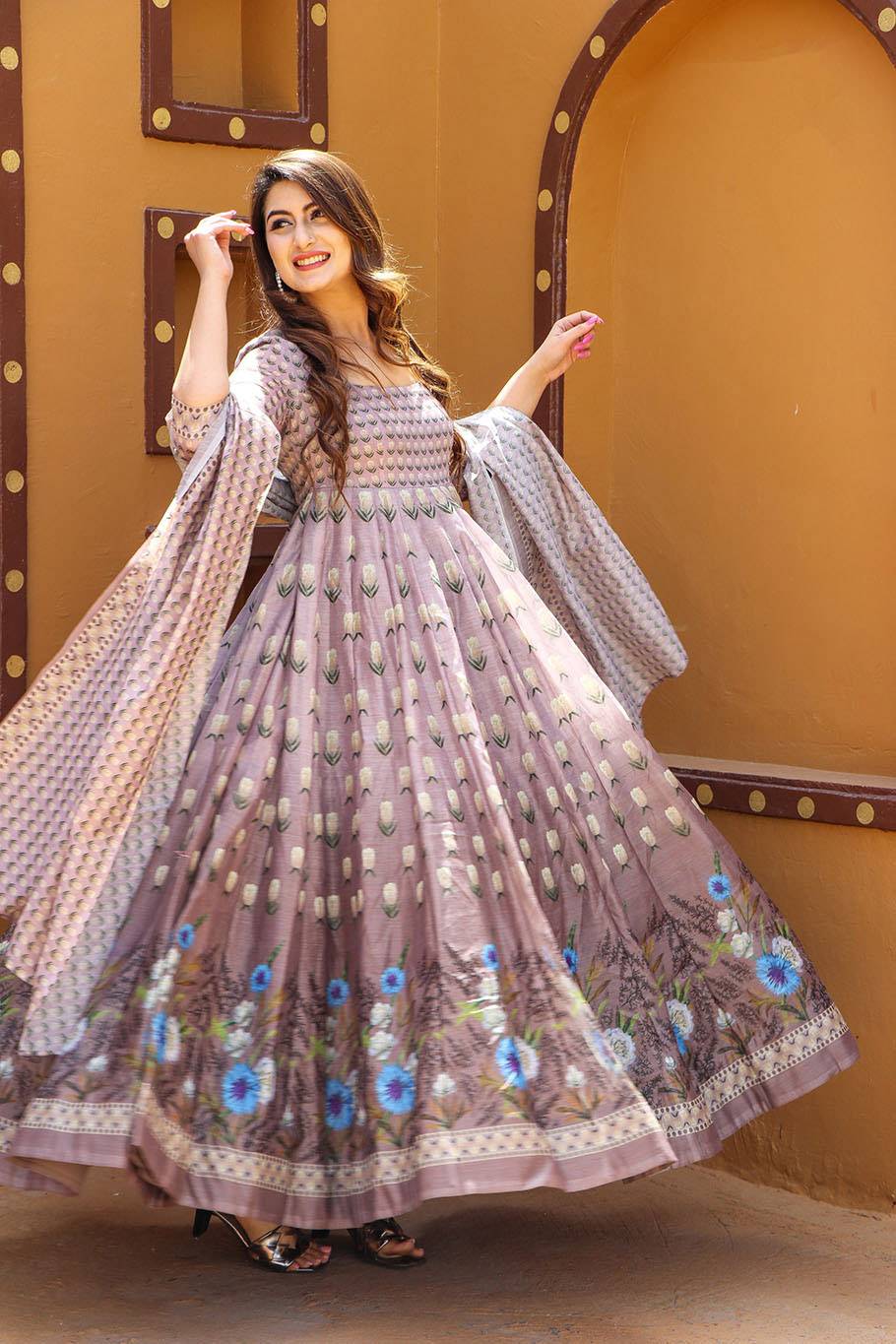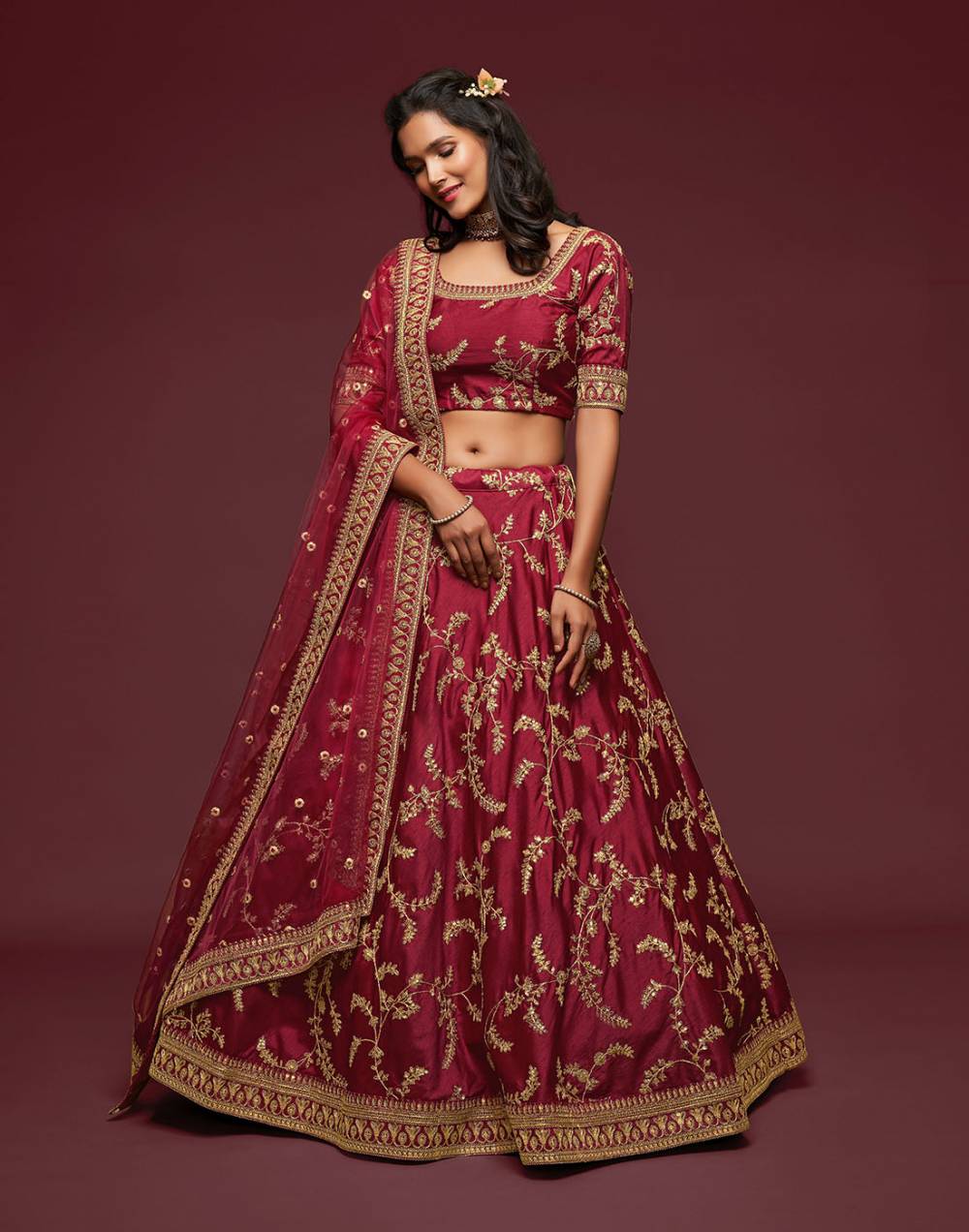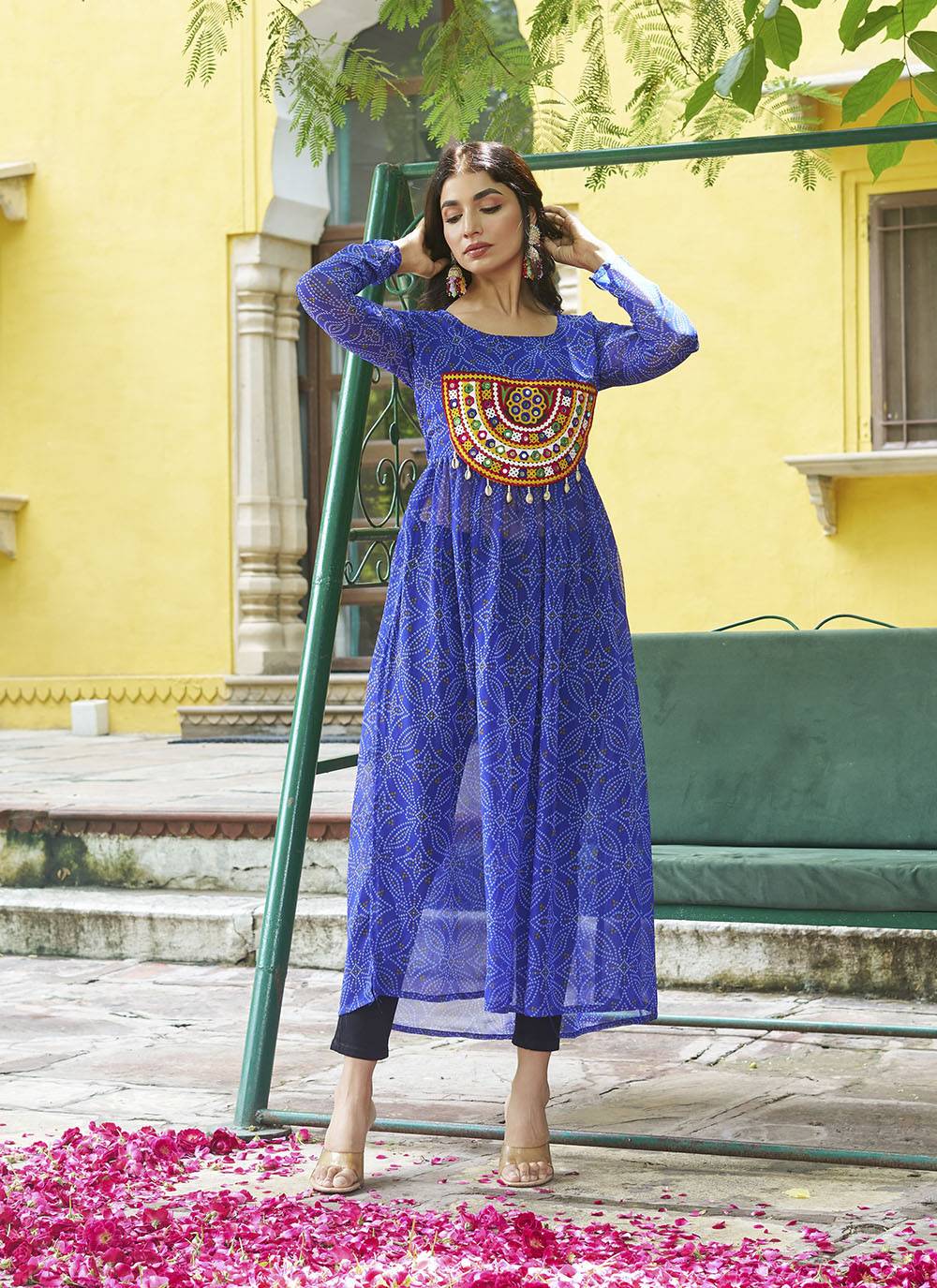
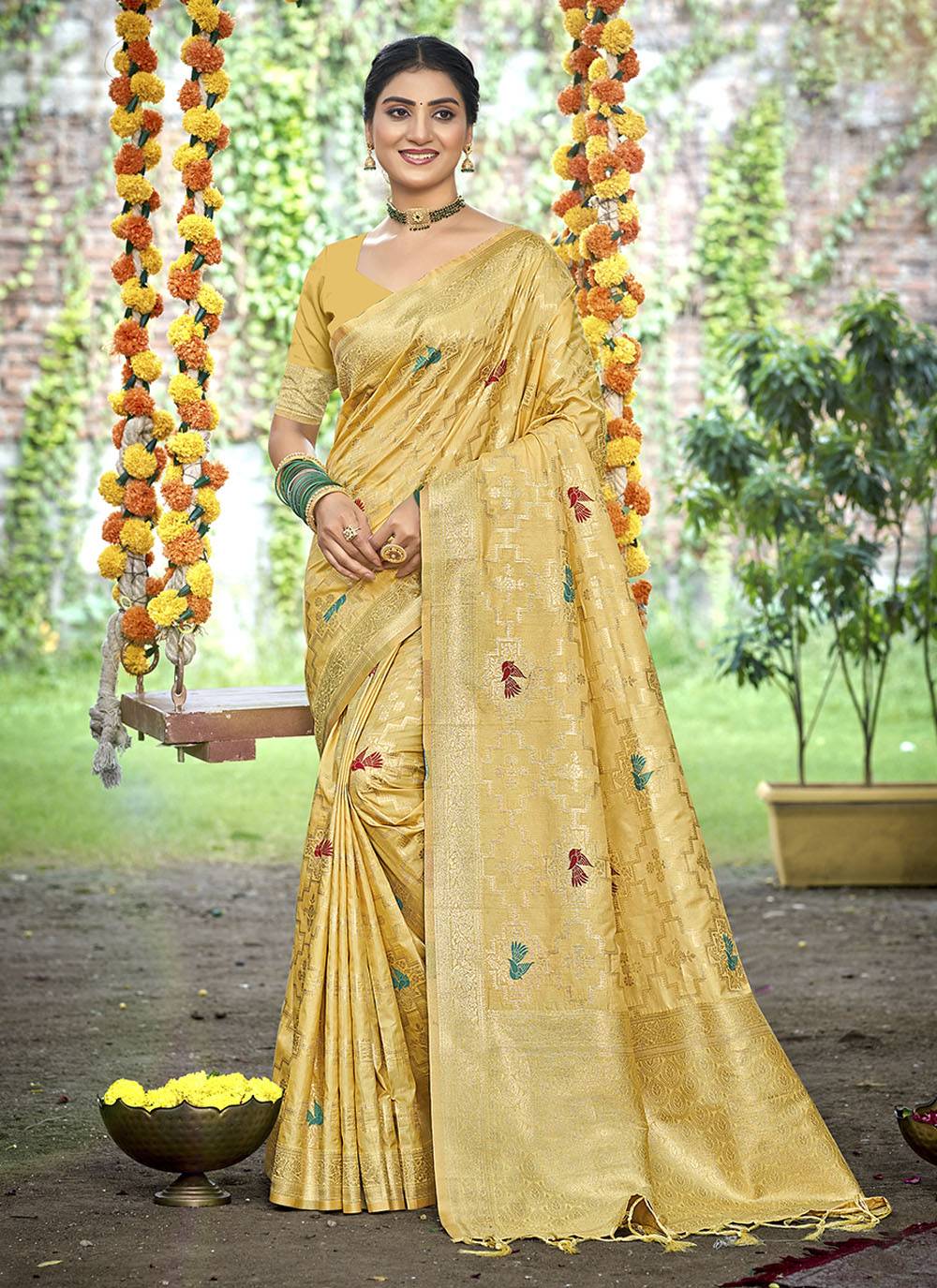
A boutique owner in Mississauga asked us last spring whether she should clear her 2-piece rack and go all-in on 3-piece suits, because a competitor's Eid campaign was all "complete looks, nothing extra to buy". Her own numbers told the opposite story: the 2-pieces walked out steadily all year, while the 3-pieces sold hard for three weeks and then waited for the next Eid. She kept both. She just changed the ratio.
That call happens every year, so here is the export-desk answer in full: both formats earn their shelf, but they earn it on different schedules and with different logistics behind them.
What Is Actually in the Box
A 3-piece suit is kameez, bottom and dupatta: an embroidered or printed shirt panel, a dyed trouser or shalwar, and a chiffon or organza dupatta that usually carries its own border or print. It is the classic format of Pakistani lawn collections, and customers read it as a finished occasion look.
A 2-piece is shirt plus bottom, with the dupatta sold separately or skipped entirely. It is the everyday format: office, school run, visits, errands. Customers who already own a drawer of chiffon and silk dupattas do not want another one forced on them.
The Case for 3-Piece: Event Season
Three weeks before Eid, the question on every customer's mind is what she is wearing, and the answer needs to be complete. That is when 3-piece suits earn their shelf. The embroidered fronts do the emotional work, the dyed bottoms promise fit, and the dupatta turns the set into an outfit.
The sell-through pattern is steep. Our buyers tell us the top few designs in an Eid capsule do most of the volume, so the discipline is depth in the winners and shallow rows of the rest. A wide, shallow Eid wall looks rich in April and haunts you in May.
There is also a fulfilment angle nobody mentions until it hurts: a 3-piece order has three parts to pick per customer, which triples the mis-pick surface for online sellers. If you ship your own parcels, count the parts at packing. Every wrong dupatta is a return.
The dupatta is its own margin story
Sold separately, chiffon and organza dupattas become an attach item rather than a bundled afterthought. Pin one on the mannequin over a 2-piece display and watch it leave with half the sales. On our floor we treat dupattas as a category, not an accessory.
The Case for 2-Piece: The Other Forty-Nine Weeks
Once Eid passes, the customer goes back to buying the way she buys bread: regularly, moderately, without ceremony. That is 2-piece territory. Office wear, Gulf everyday dressing, university students and mothers who want wash-and-wear convenience all run on shirt-plus-bottom logic. The basket is smaller and the repeat rate is higher, and the 2-piece rack restocks year-round without festival pressure.
E-commerce sellers prefer 2-pieces for the same reason: one fewer part to photograph, stock and mis-pick. And the split that works for a mixed diaspora shelf is festival-weighted: 3-pieces concentrated into the two Eid capsules, 2-pieces running as the year-round base, refreshed monthly. Yes, running both formats means two displays and two reorder rhythms. It also means no dead months on the rack. Worth it.
Fabric Programmes by Season
- Summer lawn, roughly 90 to 110 GSM: the great Pakistani summer programme. Embroidered lawn 3-pieces are the heart of the March to July season, and the best designs sell through at wholesale before late buyers wake up, so lock orders by early January.
- Voile and cambric: shoulder-season daily wear.
- the autumn and spring transitional fabric, light warmth with good drape.
Unstitched vs Stitched: Decide Your Model
Most Pakistani suits ship unstitched, and a large part of the customer base prefers it that way, because tailoring is personal and an unstitched suit fits everyone eventually. If you sell unstitched, your display burden shifts to showing the embroidered panel beautifully and explaining what local tailoring involves, their tailor, not you.
Pret, meaning ready-to-wear, in S to XXL serves the convenience buyer, the student and the gift purchase. A shelf can carry both: the pret runs a size curve, and the unstitched wall runs on design.
Reading a Lawn Drop Before You Buy It
Lawn collections arrive with their own vocabulary, and knowing the tiers inside a drop changes what you buy:
- Printed lawn: the base tier, printed shirt and dupatta, dyed trouser. Rotation stock at its purest.
- Embroidered lawn: the shirt front carries machine embroidery, often with sequin or thread accents, while the back stays printed or dyed. This is the volume heart of every drop.
- Premium embroidered: embroidered front and back, embroidered sleeves, and a specially finished dupatta. The showcase pieces of the collection.
Two details decide how a piece photographs and sells. First, the placement of the embroidery on the front panel: well-graded placement follows the neckline and flatters on the body, not just flat on a table. Second, whether the chiffon dupatta carries a printed border or an embroidered one. Borders photograph far better than plain dyed edges in listing images, which matters if you sell online.
When the drop lands, check the sleeve embroidery against the front panel of the same design. Sleeves are the first part factories substitute when running behind, and a mismatched sleeve shade under shop lighting turns a premium piece into a discounted one.
Frequently Asked Questions
Is a 2-piece Pakistani suit the same as a kurti set?
Not quite. The kameez is cut longer, 40 to 46 inches is common, often with side slits and a straighter body than an Indian kurti, and the embroidery layout is designed front-panel-first. A kurti set can play the same shelf role, but the cut reads differently to Pakistani customers.
Which format sells better for Eid?
3-piece, decisively, in the three weeks before the date. Depth in your top embroidered designs beats width across thirty. After Eid, 2-pieces take the shelf back until the next season builds.
Should I stock unstitched or stitched suits?
If your customers tailor locally or you have a tailor network, unstitched is the authentic format and fits everyone eventually. Pret suits the convenience and gift market. Many of our buyers run pret in a small size curve and unstitched as the main wall.
What fabrics should I order for winter?
Khaddar blends in the 200 to 260 GSM range for daily winter, karandi for autumn and spring transitions, and jacquards for formal winter pieces. Lock winter orders by July for an on-time autumn shelf.
How do I display 2-pieces without them looking incomplete?
Pin a statement dupatta on the mannequin above them and treat it as a separately sold suggestion rather than part of the set. Customers who want the full look buy it, and the rest buy the two-piece without guilt.
What MOQ should I plan for?
Most desks work in design minimums across the two formats, with mixed lots available for first orders. Plan your Eid capsule as one consolidated booking in January and your year-round 2-pieces as monthly refresh orders, because that rhythm matches how the category actually sells.
Not sure how to weight your next Pakistani suit order? Send us your market and shelf plan and we will suggest a 2-piece to 3-piece split with the fabric calendar mapped to your seasons. We courier swatches and single pieces to serious buyers, and the lawn programme picks open for discussion every January.
Sourcing ethnic wear for your business?
Our export team shares catalogues, MOQ and pricing tailored to your market — response within one business day.