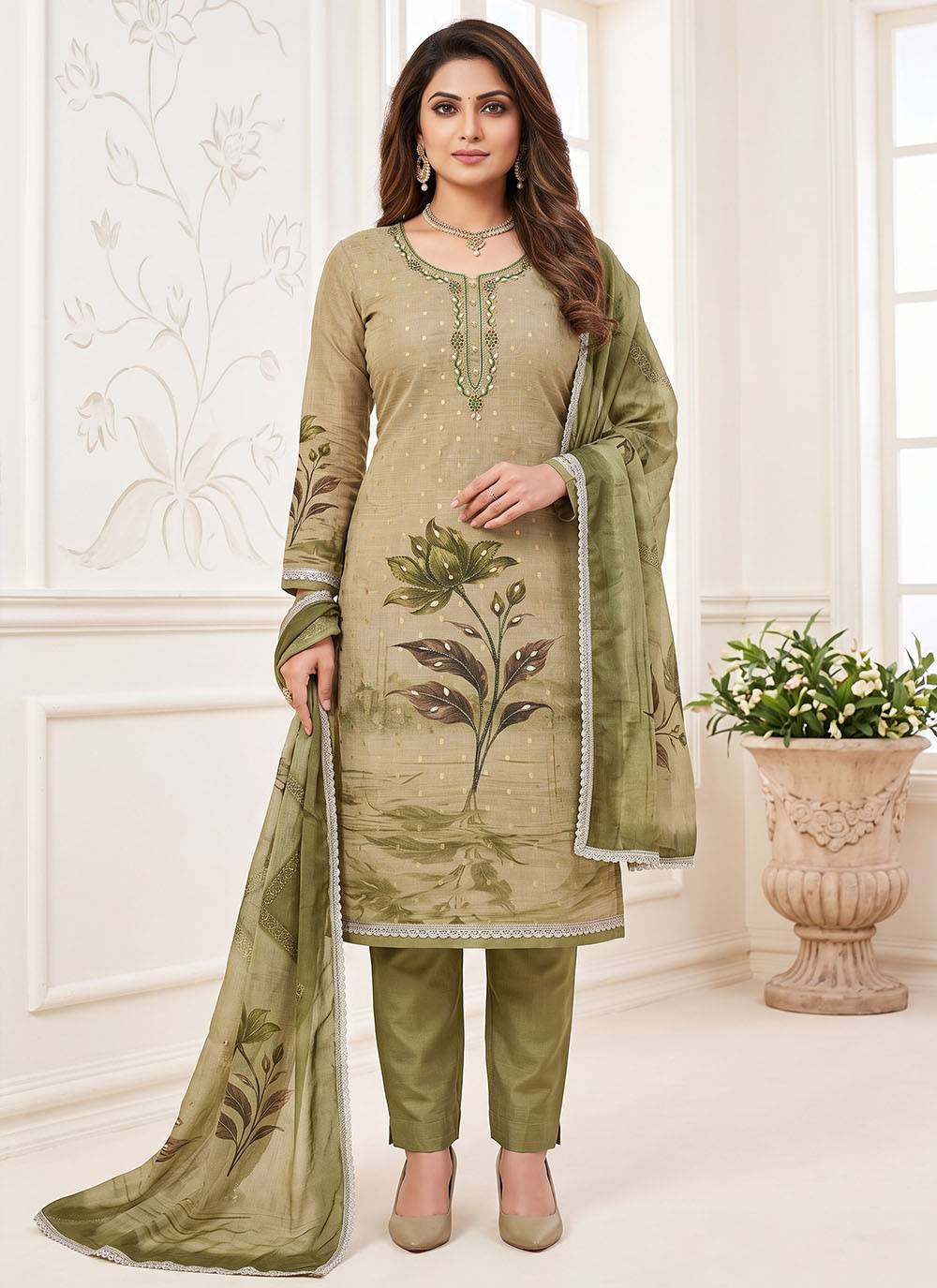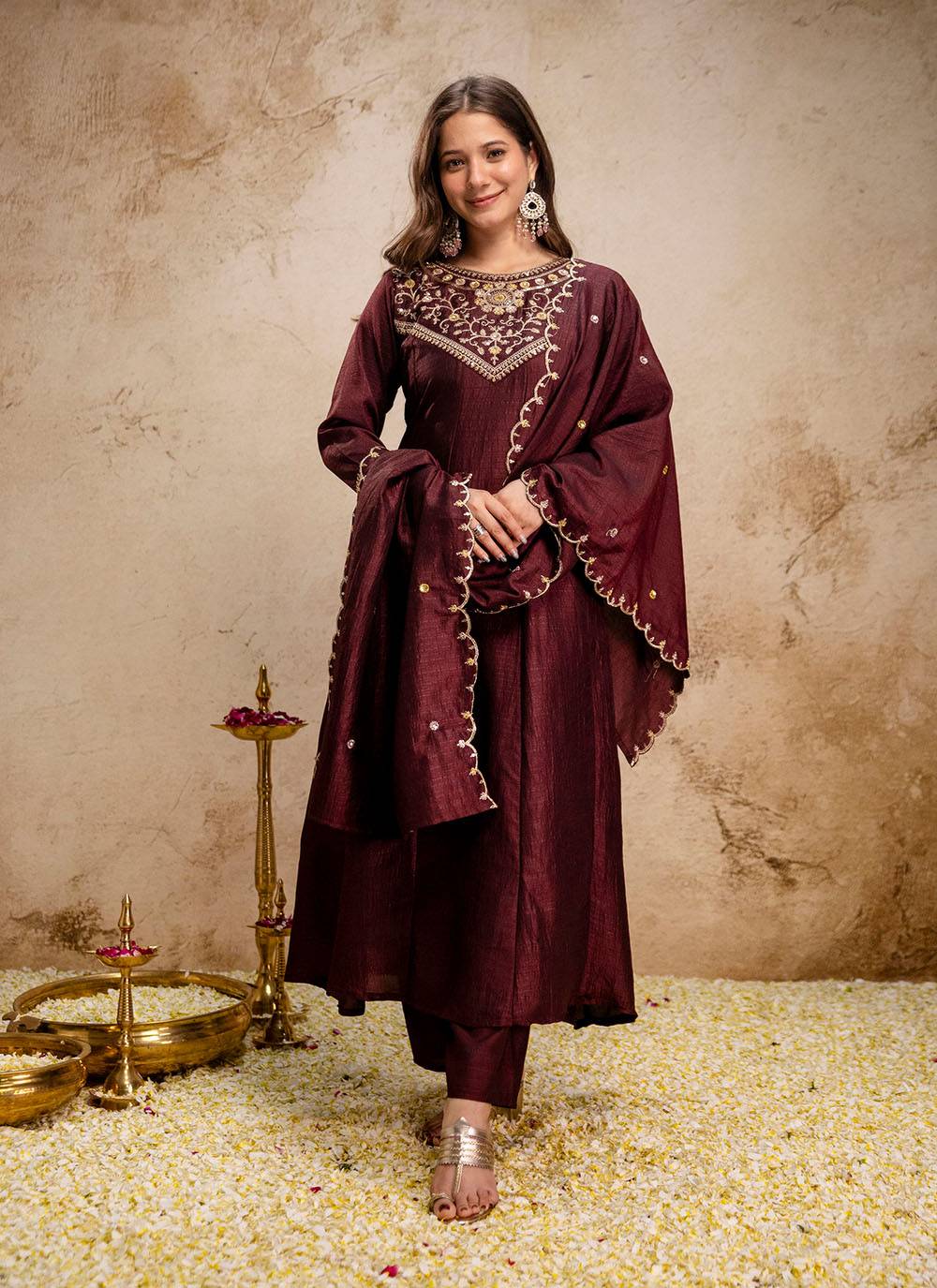
Two Pokhara buyers, both ours, order a month apart from the same Surat catalogue. One runs a Lakeside boutique and takes statement kurtis, shoot-worthy sarees and easy-fusion pieces. The other runs a counter near Mahendrapul and takes festive sarees, practical suits and rotation basics. Same city, fifteen minutes apart, two entirely different businesses. Pokhara retail market planning that ignores this split fills one shelf with the other's mistakes.
Pokhara Runs Two Retail Markets at Once
The Lakeside Pokhara retail strip along Fewa's shore trades with visitors: trekkers, tour groups, domestic tourists on weekends, and the portrait economy that has grown up around the lake and the mountain viewpoints. Mahendrapul, Chipledhunga and the newer mall-side trade serve the city itself: the families of Kaski and the wider Gandaki belt, buying on the same festival and wedding calendar that governs the rest of Nepal.
The two markets barely meet. A tourist buys once, buys light and buys for memory; a local counter's customer returns monthly through kurti rotations and annually through Dashain, Tihar and wedding clusters. Yet both sit inside one city's freight reality, which is what makes Pokhara interesting for a supplier: one consolidated consignment, routed and labelled correctly, can serve both without doubling the logistics.
What the Lakeside Strip Actually Sells
Pokhara ethnic wear for the tourist strip is a statement business. Easy-fit kurtis that flatter without fitting rooms, fusion pieces that work on a trek rest day and a dinner the same evening, statement sarees bought for portrait shoots by the lake, and boutique gowns for hotel evenings. Weight and packability matter more than buyers expect: pieces that fold small into a backpack sell, and heavy constructions stay on the rack.
The seasonality is the strip's real character. Footfall peaks with the spring and autumn trekking windows, softens in the monsoon, and warms again around the year-end holidays. Here is the honest admission we give every Lakeside first-timer: the tourist trade is real but fickle, and it will not carry a shop through the year alone. The boutiques that last on Lakeside run the tourist register as their margin and keep something local or giftable rotating underneath it.
The Local Counter Follows the Festival Calendar
The Mahendrapul and Chipledhunga trade reads like the rest of Nepal's calendar, with a Gandaki accent. Dashain and Tihar drive the autumn peaks, the November-to-February wedding clusters carry the winter, and hill-customer registers dominate: practical fabrics, kurti rotation, suit sets and occasion sarees in festive but wearable constructions. The customers here shop value-per-wear, and they return. Loyalty is the local counter's compounding asset in a way no tourist register can match.
One niche worth knowing: February brings Losar, and Pokhara's Tibetan community gives the city a genuine festive window of brocades and festive wraps that Kathmandu's mainstream calendar barely notices. It is a boutique-scale trade, but for the shops positioned near those communities it is a dependable late-winter garnish after the wedding clusters thin out.
Stocking Both Registers From One Supplier
The consolidation logic is the same one our Nepal buyers use everywhere, sharpened by Pokhara's dual market. One consignment, two carton profiles: tourist cartons carrying statement kurtis, fusion pieces and shoot sarees in wide, shallow assortments; local cartons carrying festive sarees, suits and rotation basics in depth. Labels on the cartons say which shelf they feed. One document set, one clearance run at the border, one onward journey.
Routing and timing deserve care. Consignments land through Birgunj and make the hill climb to Pokhara on the onward leg, so the festival-queue buffer and the monsoon caution on hill roads both apply. The smart play is timing: an August dispatch that lands in September catches the autumn trekking window opening and Dashain stock together, one truck serving both of the city's Septembers, so to speak.
Serving the Wider Gandaki Belt From Pokhara
Pokhara is not only a market; it is the staging point for the Gandaki region. District retailers from Syangja, Parbat, Baglung and the Tanahun side towns buy in Pokhara rather than travelling to Kathmandu, and weekend bazaars across the belt draw on Pokhara-sourced stock. That gives the city's wholesale layer a reach well beyond its own population, and it shapes what the local counters should carry: the belt buys practical, festival-driven registers at volume, not the Lakeside statement pieces at all.
For a Gandaki retail Nepal programme, we therefore think in three carton profiles, not two: Lakeside statement, Pokhara-local rotation, and belt-wholesale depth. Most often they ship as one consignment and split at a godown in the city.
Timing the Pokhara Buying Year
The calendar that serves both markets at once runs roughly like this.
- February to March: spring trek window opens; statement reorder, wedding-cluster tails, Losar garnish for the right shops.
- June to July: the monsoon lull, and the right time to confirm Teej and Dashain programmes before the rush.
- August: dispatch for autumn; one truck aimed at trek window and festival chain together.
- September to October: the double peak, autumn trekkers and Dashain-Tihar footfall.
- November to February: wedding clusters for the local trade, the quiet season for Lakeside until the year-end holidays.
Ajmera Export: Your Trusted Pokhara Retail Supply Partner
We are a Surat manufacturer-exporter of sarees, lehengas, gowns, kurtis, salwar suits, mens and kids ethnic wear, and Pokhara is one of the markets where our dual-register packing earns its keep. We build tourist cartons wide with statement pieces that pack light, local cartons deep with festive and rotation registers, and belt-wholesale cartons for the Gandaki towns beyond, all inside one consignment with matched documents and pre-lodged clearance. Our desk times dispatches so one truck catches the trek window and the festival chain together, and we will say honestly when a tourist register should stay shallow. Samples reach serious buyers before bulk commits, and pricing is shared on enquiry only.
Why Businesses Choose Ajmera Export
- Dual-register packing: tourist statement and local rotation cartons labelled apart in one consignment.
- Festival-and-season timing: dispatches aimed at trek windows and Dashain together.
- Belt-wholesale depth: Gandaki district registers packed for re-distribution beyond the city.
Frequently Asked Questions
What ethnic wear sells best in Pokhara?
Two answers for one city. On Lakeside: easy-fit kurtis, fusion pieces, statement sarees for portrait shoots and boutique gowns, all light and packable. Around Mahendrapul and Chipledhunga: festive sarees, suits and rotation basics driven by Dashain, Tihar and the wedding clusters. The street decides the assortment.
Where do Pokhara retailers buy their stock?
Importers and larger retailers order directly from Surat exporters with clearance handled through a border agent, while smaller counters buy from wholesalers in Pokhara and Kathmandu. Consignments typically land through Birgunj and make the hill climb onward. Neighbouring shops combining into one consignment to share freight is common practice.
What sells on Lakeside Pokhara to tourists?
Statement pieces that travel: easy-fit kurtis without fitting-room friction, fusion separates that work from trek rest day to dinner, shoot-worthy sarees for lake and viewpoint portraits, and light boutique gowns. Packability genuinely matters, because pieces that fold into a backpack outsell heavy constructions on the same rack.
Is Pokhara a good market for kurtis?
Yes, on both sides of the city. Lakeside kurtis are the statement trade, wide assortments with limited size runs and fast reorders. Local kurtis are the rotation trade, practical fabrics turning monthly through family counters. The two registers differ completely in construction and depth even though the garment is the same.
How is Pokhara retail different from Kathmandu?
Pokhara adds a tourist register that Kathmandu's core trade barely has, and its local market is smaller but serves as the staging point for the whole Gandaki belt. Kathmandu's deep occasion saree economy has no real Pokhara equivalent; instead, Pokhara splits its floor between visitor statement pieces and practical festival registers.
When should I stock tourist-facing ethnic wear in Pokhara?
Ahead of the spring and autumn trekking windows, with the autumn window mattering most because it overlaps the festival chain. A dispatch that lands in September catches trekkers and Dashain stock together. The monsoon lull is for confirming orders, not receiving them, and the year-end holidays give Lakeside a smaller second peak.
Can I stock both tourist and local ranges from one supplier?
Yes, and consolidation is the smarter structure. One consignment with carton profiles labelled separately, tourist statement pieces wide and local rotation depth packed apart, clears through one document set and one gate queue, then splits at your godown. One truck, two businesses, shared freight weight.
What festivals drive ethnic wear sales in Pokhara?
The national calendar drives the local trade: Dashain as the year's peak, Tihar's gifting registers behind it, then the November-to-February wedding clusters. February adds Losar for the Tibetan community, a boutique-scale window for brocades and festive wraps that mainstream calendars overlook.
How do goods reach Pokhara from India?
By road from Surat through the Birgunj-Raxaul border gate, then the onward hill climb to Pokhara on the final leg. Trucking to the border takes three to six days, clearance one to three on clean papers, and the festival-queue buffer and monsoon caution on hill roads both belong in the plan.
What is the best time to stock a Pokhara boutique?
For a dual-register shop, the single most valuable delivery is an August dispatch landing in September: it opens the autumn trek window with statement pieces and puts festival depth on local shelves before Ghatasthapana. A second, smaller tranche serves the year-end holidays and winter weddings.
Conclusion
Pokhara rewards suppliers and retailers who run two registers deliberately: Lakeside's statement trade timed to the trekking windows, and the local counters' festival calendar with the Gandaki belt behind them. One consolidated consignment, cartons labelled apart, one September truck serving both. Tell us which side of the lake your shop sits on, and we will build the profiles around it. Samples go to serious buyers, pricing is shared on enquiry only, and our desk answers on WhatsApp or through the enquiry form.
Sourcing ethnic wear for your business?
Our export team shares catalogues, MOQ and pricing tailored to your market — response within one business day.