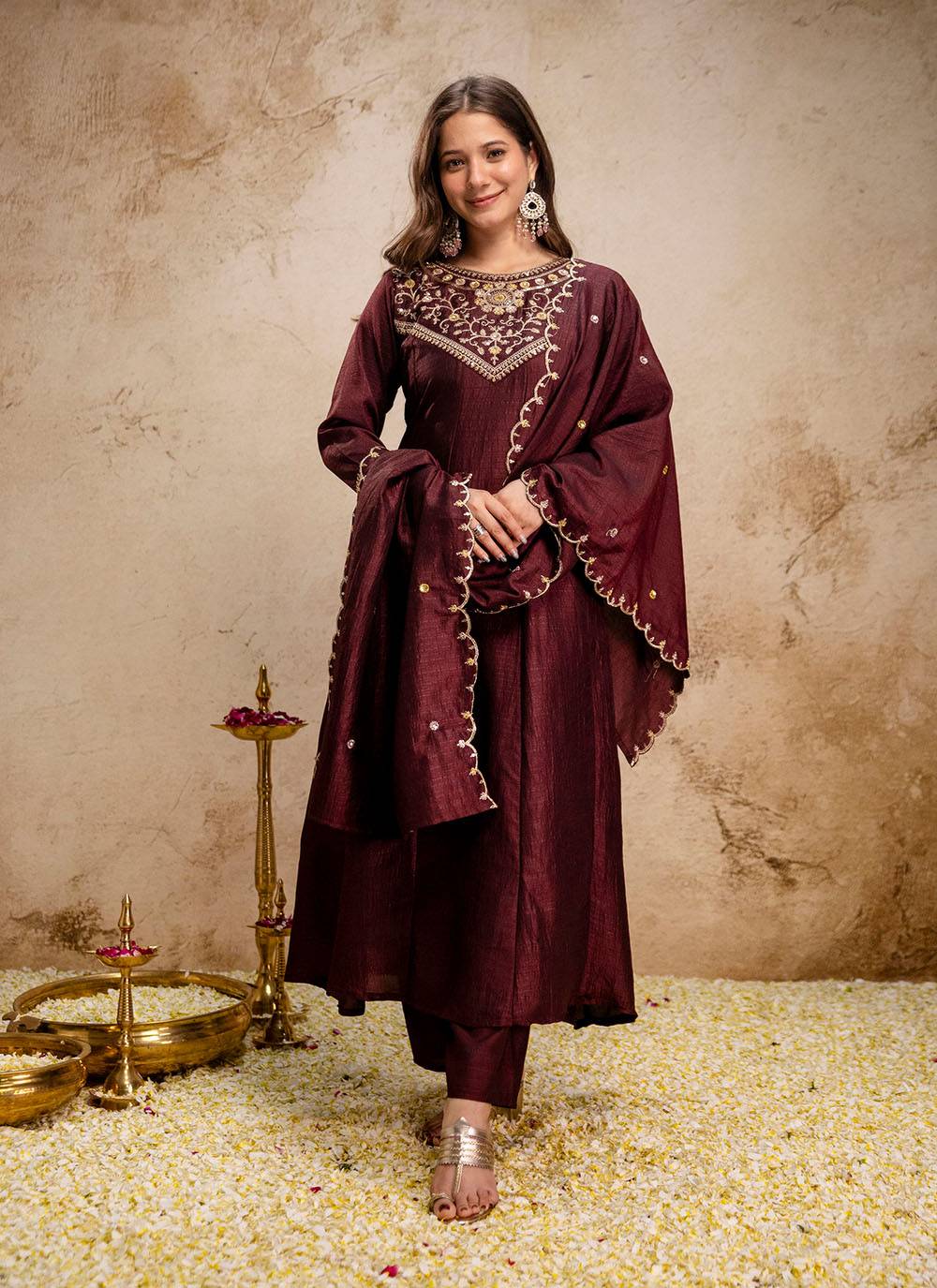
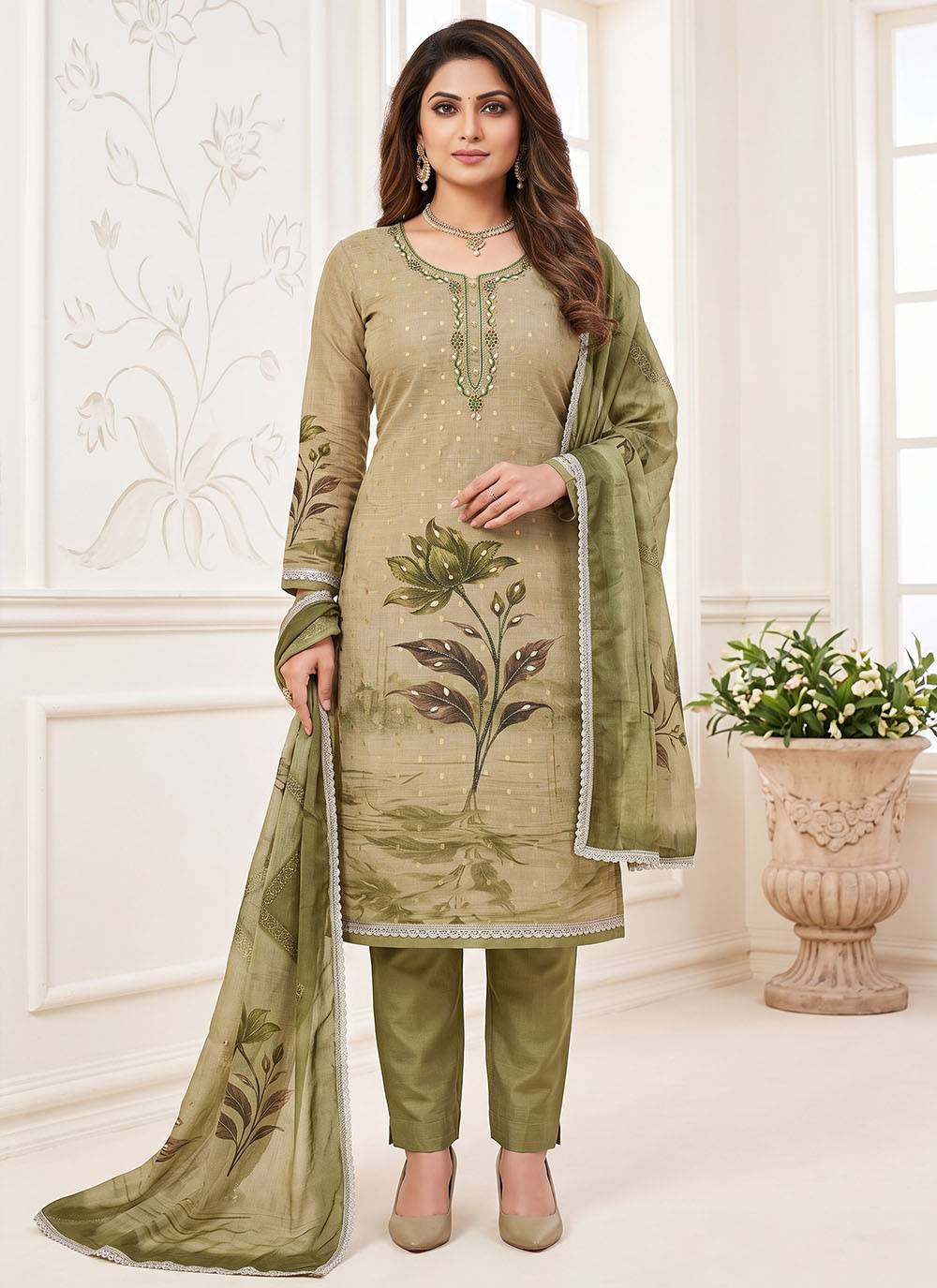
A boutique owner from Manchester spent one afternoon on our Surat floor, chose eleven pieces from our running bridal-occasion line, and shipped them a month later under her own label. Three years on, her customers ask for her brand by name and her reorders arrive on schedule. Almost none of her garments began as an original design of hers, and that is the honest version of how most private labels are born: curation first, creation later.
Three Tiers of Private Label
Tier one is relabelling: proven existing designs, your main label and care label stitched in at finishing, dispatch in three to five weeks because the goods already exist. Tier two is modification: neckline, sleeve, length, lining or fabric changes on proven blocks, which adds a pattern round and a couple of weeks. Tier three is development: your tech packs, your patterns, your fit blocks, ten to fourteen weeks of production before the sea leg even starts.
In our experience the brands that survive their second year live in tier two. Proven blocks already fit real bodies and already sell; specification changes plus your colour story, curation and labels read as a brand on the shelf. Full development carries fit risk and calendar risk that first-time brands systematically underestimate, and it makes sense once reorder history is funding the experimentation.
Indian textile trade lives on WhatsApp, and buyers who run the channel well outpace those who wait on email. Thread discipline, photo evidence, time-zone rhythm and escalation etiquette, from our side of the desk.
Private Label in Ethnic Wear — Launching Your Own Brand Without a Factory
How private label actually works on an export floor, from relabelled stock designs to fully developed programmes. The label logistics, labelling law and timeline realities of building a brand without a factory of your own.
Ajmera Export 22 Jun 20266 min read
The Labels Are a Supply Chain of Their Own
A main label is a small object with an entire trade behind it. Woven labels outlast printed ones through wash cycles, and end-folded satin or taffeta is the standard on ethnic wear. Here is the detail that surprises first-timers: woven labels carry weaver minimums of their own, often a few thousand pieces per design, so the label minimum can exceed the garment minimum you negotiated. The fix is to run one main label design across the whole range and communicate size on a separate size strip, sticker or the care label. That way the main label never goes obsolete when a style does.
Care and content labels are regulated differently by market. Fibre percentages with generic fibre names, country of origin and care symbols are the baseline for the US, UK and EU, and Gulf retail chains increasingly expect Arabic care text on the label set. Origin marking matters even though the brand is yours: the garments were made in India, and the label needs to say so.
One practical habit worth borrowing from experienced private label buyers: store your spare label stock with the supplier between seasons. We hold buyer labels on our floor, packed and counted, so repeat orders do not wait on a courier from Manchester or Toronto before the finishing table can start.
Your Size Chart, Not the Supplier's
The fastest way to make a private label feel like a real brand is to own the grading. Buy to your market's fit block, not the supplier's default. US misses, UK high-street and Gulf expectations differ in real, measurable ways; our Gulf boutique buyers, for instance, grade a half-step roomier through the bust because their customers layer. Write tolerances against every point of measure, bust, waist, hem sweep, sleeve length, and hold both sides to the table.
Expect two fit-sample rounds before bulk sign-off, and treat the first round as information rather than failure. Then publish the finished size chart wherever you sell. Nothing reduces returns on ethnic wear faster than a chart your customers can actually read.
The Legal Bits That Bite in Month Six
Origin labelling stays. Private label does not relocate the factory. US fibre content rules, UK and EU textile labelling, and GCC origin marking all still apply, and the paperwork your supplier provides supports what your label claims.
Fibre content disclosure is not optional. The percentages on your care label must match the goods in the carton, which is one more reason to lock fabric specification before labels print.
Register the trademark before you print it. A brand name stitched into a few thousand labels is expensive to change later. Register in your own market first, other markets as you enter them.
Do not clone a named designer piece. Silhouette inspiration is ordinary trade; duplicating a recognisable design stitch for stitch invites legal attention.
Timeline and Order Cadence
Relabelled stock programmes dispatch in roughly three to five weeks, since only the finishing table stands between your purchase order and the container. Modified designs add a pattern and sample round, so six to eight weeks. Developed programmes run ten to fourteen weeks of production, then four to six weeks at sea to East Coast US or UK ports, two to three weeks to Jebel Ali. The single most common self-inflicted delay in private label is label artwork approval holding the finishing table hostage in week five. Approve artwork in week one.
On order structure, the pattern that works: a smaller first order across core styles, then reorder depth on the two or three that sell through. Your first order is buying information as much as goods, and private label margins compound on the reorder, not the opening buy.
The honest admission: private label costs more per unit and takes longer than buying open-stock, and the payoff is not first-order economics. It is that the customer comes back looking for your name rather than ours, and that reorder loyalty is where the whole exercise pays.
Frequently Asked Questions
What is the minimum for private label ethnic wear?
Higher than open-stock buying. Relabelled made-to-order programmes commonly start near standard MOQs, a couple of hundred pieces per design, and label weaver minimums can be the binding constraint, which is why one main label design across the range beats per-style labels.
Can I private label from existing stock designs?
Yes, and it is the fastest route to a first season. The trade-off is that others may carry the same silhouettes. Some suppliers grant per-market exclusivity on stock styles against committed volumes, so ask rather than assume.
How are labels attached?
Stitched into the centre back neckline at finishing, with the care label at a side seam or hem. Heat-transfer tags exist but suit few ethnic fabrics, and they fail completely on velvet and sequin work.
Do I need a trademark before ordering?
Not to manufacture, but register before labels are woven and ideally before your first season of marketing. Printing an unregistered name into a few thousand garments is a bet, not a plan.
Can I use my own packaging?
Hang tags, belly bands, barcoded poly bags and boxed saree sets are all routine. Send print-ready artwork and confirm barcode formats early; we coordinate local printing or consolidate your couriered materials into the packing schedule.
How long does the first private label order take?
For dispatch from Surat: three to five weeks for relabelled stock, six to eight for modified designs, ten to fourteen for developed programmes, plus sea transit to your port. First orders include label production, so add a week unless label stock already exists with the supplier.
If you are weighing whether your boutique is ready for its own label, our desk will talk through the honest version, including which of your ideas need volume behind them. Serious buyers can request label-ready samples from our current lines before deciding anything.
Incoterms decide who pays, who owns the goods and whose problem each leg of the journey is. A plain-language walk from EXW to DDP, with the risk-transfer moments that surprise first-time textile importers.
Tourist counters in Thamel, Lakeside and Boudha sell a narrower, stranger range than locals expect: statement pieces, easy-fit kurtis, wraps and woollens. Here is what actually moves and how to stock it.