Punjabi Suits for Wholesale — The Vaisakhi Volume Engine Explained
Every April, boutiques in Brampton and Surrey sell out of patiala suits in the ten days before Vaisakhi, and every May we take calls for rush reorders that would land after the nagar kirtan parades have already gone down the street. Vaisakhi does not negotiate with late freight. The shops that win April are the ones that placed orders in January, and everything about this category makes more sense once you accept that its calendar runs backwards from April 13.
Hotel belts in Kathmandu, Pokhara and Chitwan run a quieter but steadier textile trade than any fashion counter. GSM bands, housekeeping lots and the reorder discipline behind hospitality linen programmes.
Punjabi suits and the Vaisakhi engine: patiala construction, phulkari dupattas, and a January order calendar that works backwards from April 13. Plus the winter and wedding-season windows that keep the category moving all year.
Ajmera Export 25 Jun 20266 min read
The kameez is cut shorter than salwar kameez convention, commonly 36 to 42 inches, with round or boat necklines and tilla or thread embroidery at the yoke.
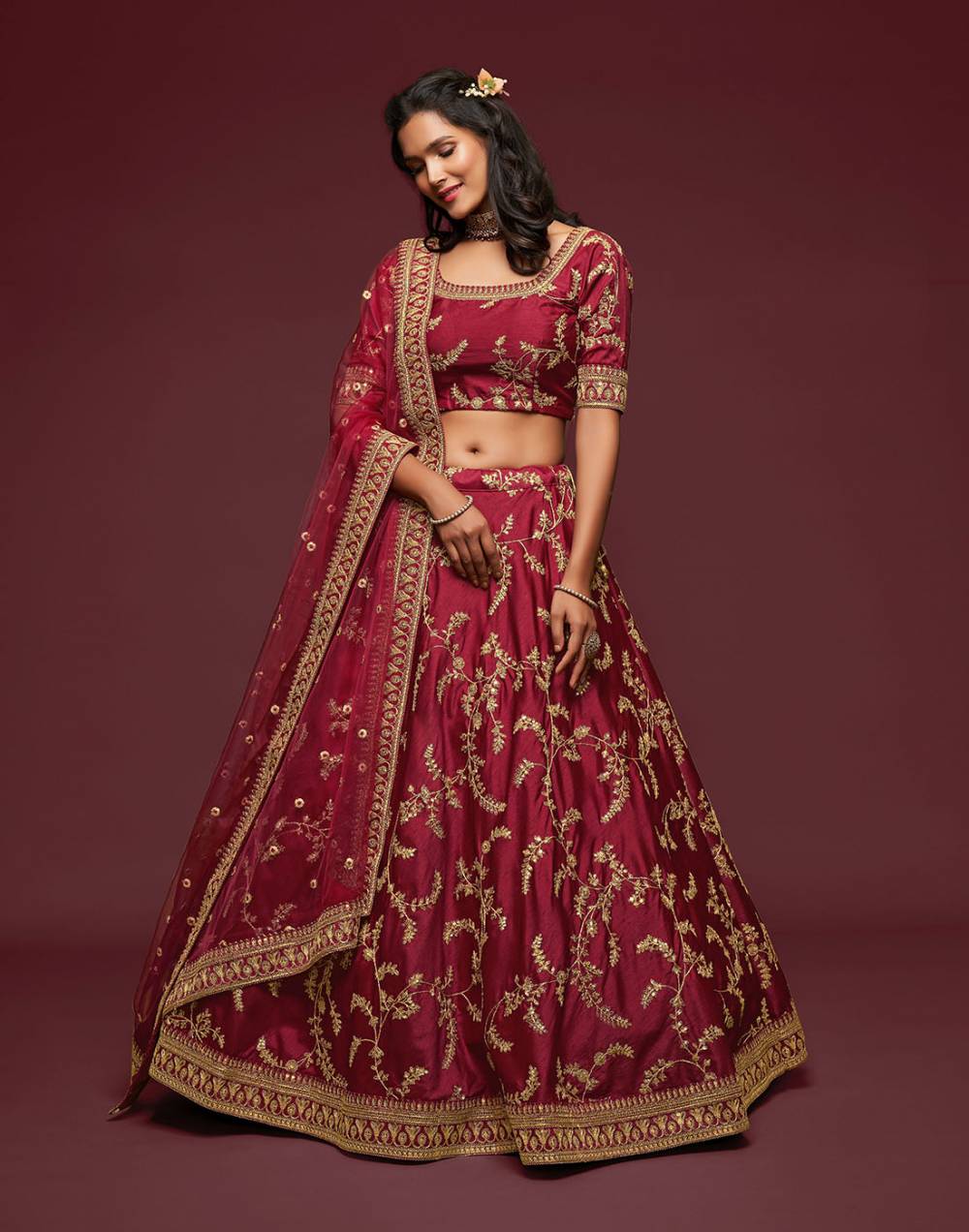
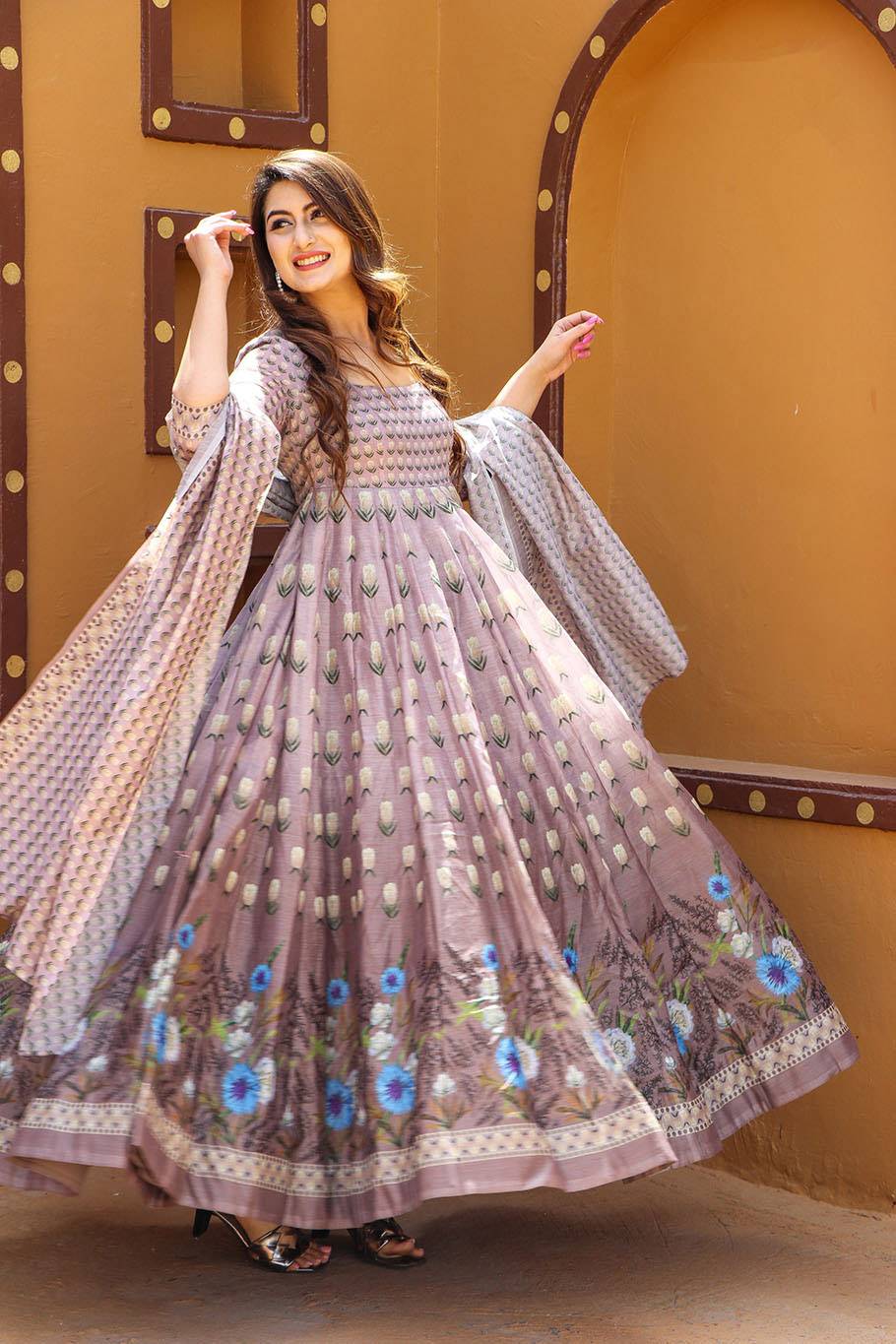
The patiala shalwar is the signature: four to five metres of fabric gathered into fine pleats at the waist, falling in deep folds through the hip and narrowing at the ankle. That is the difference from a regular salwar, which is cut straighter with a single pleat set. A patiala needs fabric with drape, because in stiff cloth the folds stand away from the body instead of falling, and the whole point of the silhouette is lost.
The phulkari dupatta carries the heritage: floral embroidery in silk floss, from Punjab's craft tradition, with "bagh" denoting pieces where the embroidery covers the entire ground. Modern wholesale phulkaris run on georgette or chinon, while traditionalists still ask for khaddar-based pieces.
The Vaisakhi Volume Engine
Vaisakhi falls on April 13 or 14, and the retail window in Canada and the UK runs from mid-March to the festival weekend, with the last ten days doing the heaviest volume. Nagar kirtan processions through April in Toronto, Vancouver, Calgary, London and Birmingham keep walk-in traffic alive all month.
Work the timeline backwards from a mid-March shelf date:
Sea freight from Nhava Sheva to Toronto or Felixstowe: 4 to 6 weeks.
Production and embroidery for a mixed programme: 3 to 4 weeks.
QC, packing, customs and the inland move: allow 2 weeks combined.
That lands your order deadline in early-to-mid January, with fabric locked before the New Year. The temptation every year is the late reorder in April. Air freight for a single restock carton of daily-wear suits rarely makes sense; if it is truly make-or-break, fly in phulkari dupattas only, since they are the part of the programme with the margin density to survive an airway bill.
Depth beats width here. Our buyers who do Vaisakhi well concentrate depth in four to six proven designs and colours rather than twenty shallow lines. Bright yellows, fuchsias and oranges carry the festival, and white or cream suits with heavy phulkari dupattas remain the classic parade look that photographs its way through the whole community's feeds.
The Rest of the Calendar
The category is not a one-weekend business:
Lohri, January 13: winter phulkari and warm-fabric demand.
Teej, August: a steady monsoon-season window for lighter suits.
Wedding season, November to February: phulkari dupattas sell year-round paired with plain suits, and winter weddings lift them further.
Melas, bhangra competitions and student shows: younger buyers, brighter palettes, lighter fabrics, and a genuine market in university towns.
And the safety valve: leftover phulkari dupattas after April pair with plain dyed suits for the rest of the year, so overstock in the dupatta line is far less painful than overstock in embroidered kameez.
Fabric Programme
Summer daily: cotton suits in the 100 to 140 GSM range, printed or with embroidered yokes.
Patiala bottoms: viscose or georgette for drape and fall, in dyed solids and subtle self-prints.
Phulkari dupattas: georgette or chinon bases with silk-floss embroidery; khaddar bases for the traditional buyer.
Winter: khaddar kameez with tilla work, and heavier cotton blends with phulkari for Lohri and the wedding season.
Sizing and Grading
Kameez run S to XXL with standard bust grades. Patiala bottoms are forgiving by construction, because drawstring waists and semi-elasticated versions fit most customers, which is why the grading attention belongs on the kameez. Length grading matters for petite markets; keep the shortest kameez tier genuinely short rather than one size shorter in name only.
Display, Accessories and Packing
Vaisakhi retail is theatre, and the shops that win lean into it. A patiala suit on a mannequin with the pleats fanned properly, a heavy phulkari dupatta pinned to fall open, parandis and juttis displayed at the rail's end: the basket builds itself. Our buyers who carry accessories alongside suits tell us phulkari dupattas, parandis and bangles attach to a meaningful share of suit sales during the festival window, and unlike the suits, those accessories can fly by air freight without the airway bill ruining the arithmetic.
Lighting matters more than buyers expect with phulkari. Silk-floss embroidery reads flat under cold white light, while warm lighting brings the stitches up. If your shop runs cool LEDs, test one section with warm bulbs before April and watch what happens to dwell time at that rail.
Packing is the last mile of the same thinking. Patiala bottoms are voluminous by construction, so carton math runs differently than for straight suits: figure fewer pieces per carton, and fold along the pleat lines with tissue rather than crushing them flat. Creased pleats that have set for six weeks at sea do not fully recover with steaming, and a deflated patiala on the shelf is a suit that has lost its argument. Open the cartons the day they land, not the week you need the stock.
Frequently Asked Questions
What is the difference between a patiala and a regular salwar?
A patiala uses four to five metres of fabric gathered into fine pleats at the waist, creating deep folds through the hip and narrowing at the ankle. A regular salwar is cut straighter with fewer pleats. The patiala is the classic Punjabi silhouette and the one Vaisakhi shoppers ask for by name.
How early should I order for Vaisakhi?
Order by early-to-mid January at the latest, with fabric locked before the New Year. Between production, sea freight and customs you are looking at 8 to 10 weeks end to end for a mid-March shelf. January's late orders either fly at a cost that eats the margin or arrive in May.
What exactly is phulkari?
Phulkari is Punjab's floral embroidery tradition, worked in silk floss traditionally from the reverse side of the fabric, with "bagh" describing pieces where the embroidery covers the entire ground. Modern wholesale phulkari usually runs on georgette or chinon dupattas, and khaddar-based pieces serve purists.
Which fabrics work best for a patiala bottom?
Drape-first fabrics: viscose, georgette and soft cotton blends. Stiff fabrics defeat the fall of the folds. Pair the bottom with a crisper kameez fabric so the silhouette keeps its contrast.
Do Punjabi suits run small?
The kameez is cut shorter by convention, not smaller, so grade it like any standard suit line. The patiala bottom is the forgiving part, with drawstring and elasticated waists covering most customers.
What do I do with leftover stock after April?
Pair phulkari dupattas with plain dyed suits for year-round sales, and hold bright embroidered kameez for the wedding season, where the colours work again. Vaisakhi leftovers hurt far less when the overstock sits in dupattas and separates rather than complete sets.
Planning your Vaisakhi programme? Send us your market and target shelf date, and we will work the calendar backwards with you and propose a depth-first design split. We courier sample sets and phulkari swatches to serious buyers, and January slots fill earlier every year, so the earlier the conversation, the better the pick.
A retailer's guide to stocking sherwanis profitably: why eight sample pieces beat eighty, how the booking model removes dead stock, and which fabrics and sizes cover most grooms. Includes packing, care and the calendar from order to aisle.
Sharara and gharara construction, fabric engineering and the second-top effect that drives reorders all season. Includes pairing rules, festival windows and the volumetric packing notes that keep freight honest.