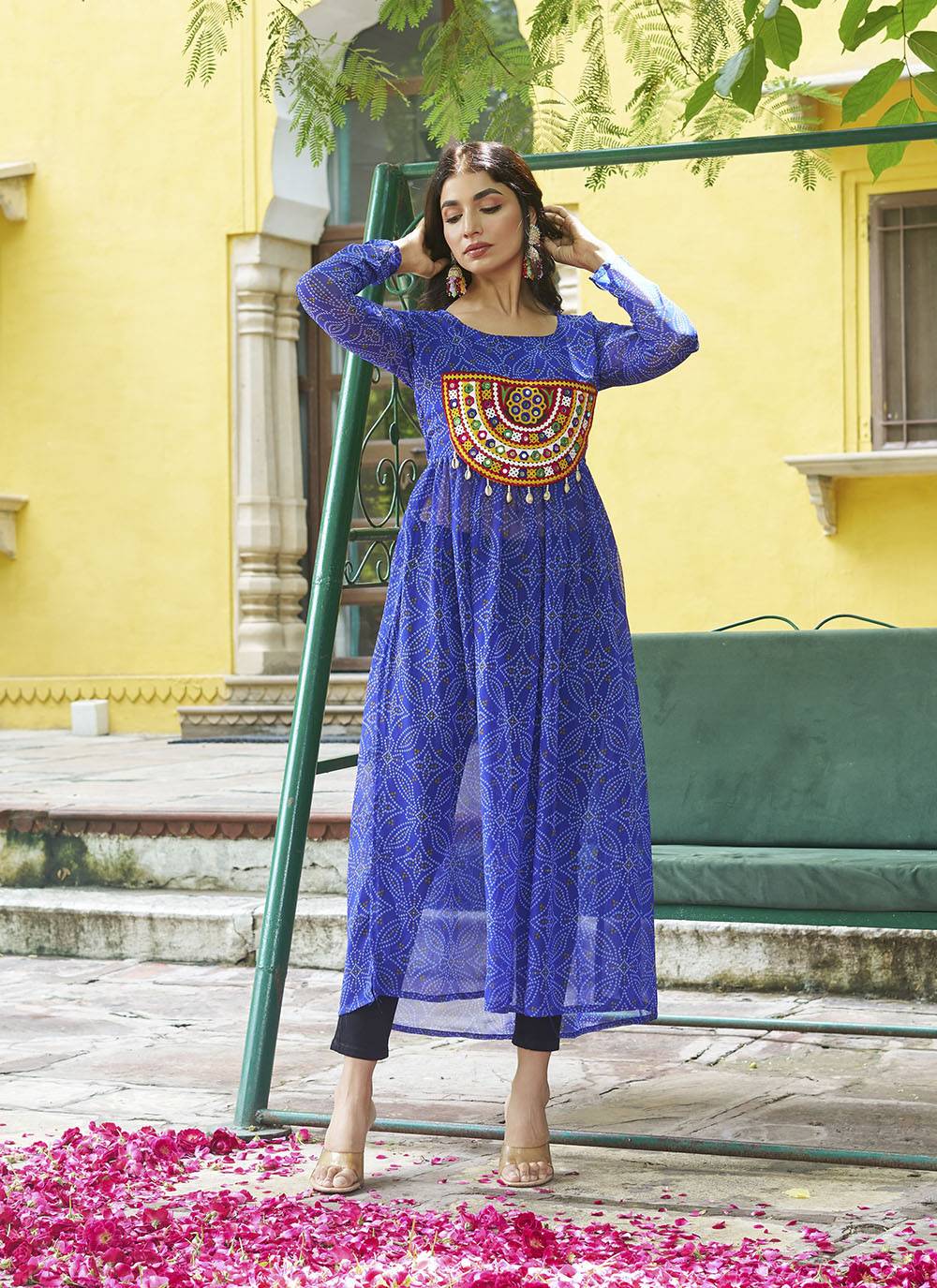
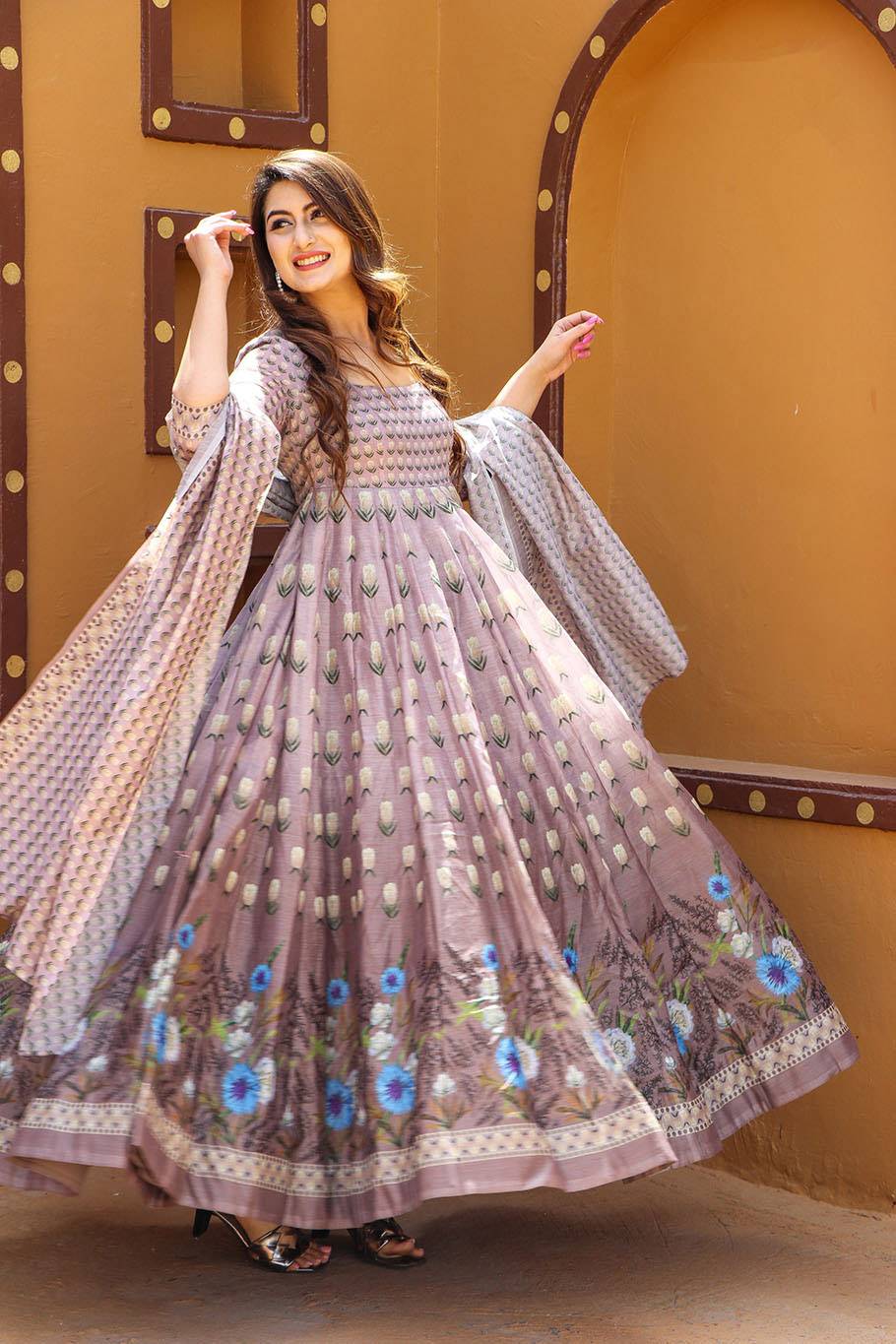
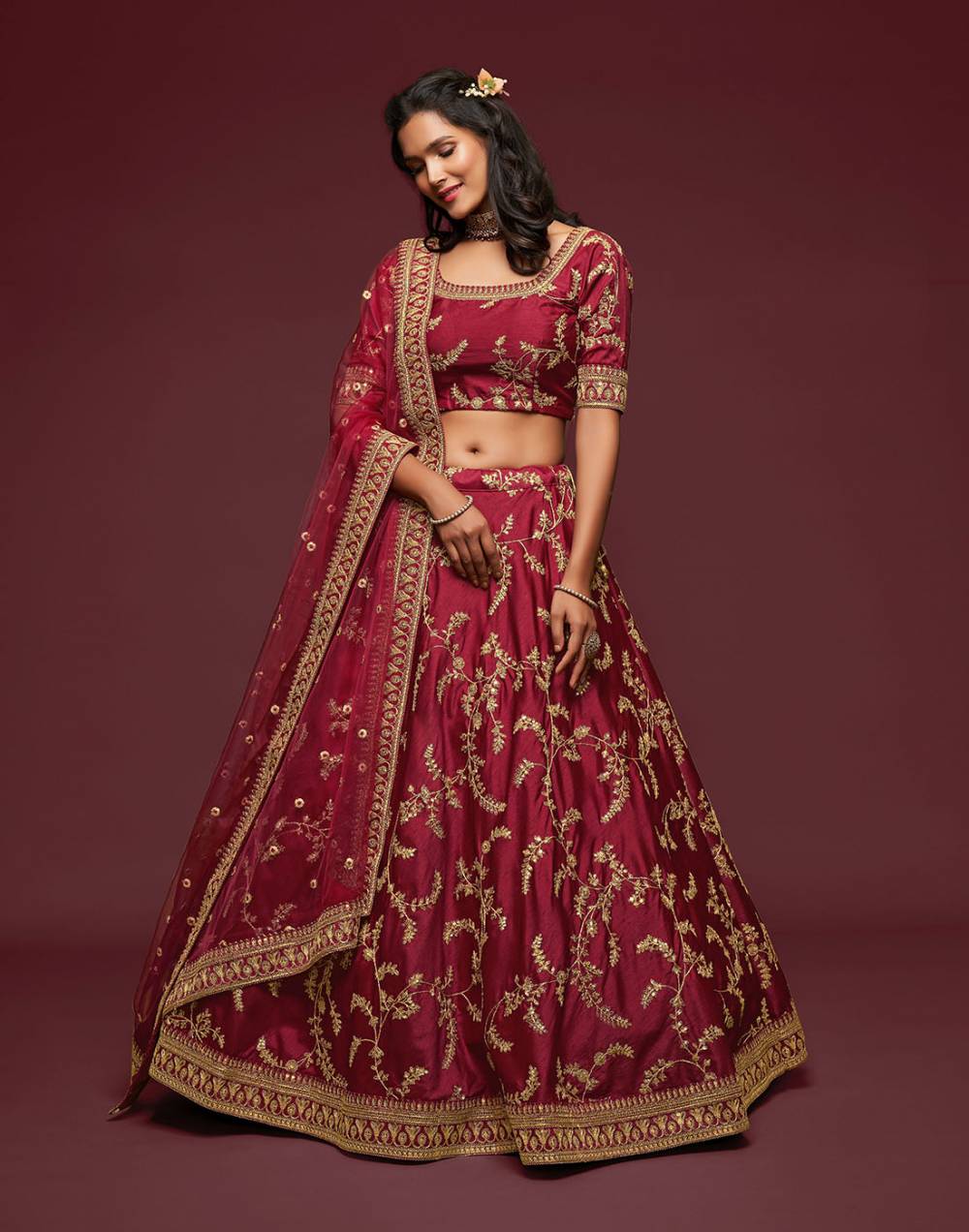
Ready-to-Wear Sarees — The Category Winning Younger Customers for Ethnic Retail
An Auckland boutique owner we supply watched a nineteen-year-old walk out of her saree section twice in one month. Both times the girl picked a saree up, held it against herself in front of the mirror, and put it back. On the third visit she tried a pre-draped one, bought it in under ten minutes, and came back the next month for a second.
Nobody in that story was wrong about the saree. The girl loved it; she simply could not drape it, had nobody in her week who could teach her, and had an event at seven. Ready-to-wear sarees exist for exactly that customer, and she is arriving in every market we ship to.
The Customer Who Was Never Going to Learn to Drape
The category's customer sits roughly between eighteen and thirty-five, and her occasions are specific: the office Diwali party, the college cultural night, a friend's engagement, a reception where she wants saree energy without draping risk under time pressure. She has money, intent and no dexterity, and until recently ethnic retail had nothing to say to her.
What she will not accept is a visibly pre-stitched garment that looks like a costume. The product only works when it photographs like a draped saree, because that is what the event is for. Everything about buying this category well follows from that single requirement.
Hotel belts in Kathmandu, Pokhara and Chitwan run a quieter but steadier textile trade than any fashion counter. GSM bands, housekeeping lots and the reorder discipline behind hospitality linen programmes.
A retailer's guide to ready-to-wear sarees: how pre-draped construction actually works, which fabrics hold the pleats and which fight them, and the sizing logic that keeps returns low. Covers display, steaming and the young-customer economics behind the category's growth.
Ajmera Export 1 Jul 20266 min read
How a Ready-to-Wear Saree Is Actually Built
The construction is more considered than it looks. The pleats are set, stitched and pressed into the front panel, which attaches to a petticoat-style waistband with a side zip or covered elastic. The pallu arrives pre-pleated and anchored at the shoulder line, and the whole garment pulls on like a skirt and settles like a saree. A good one is draped by the pattern-maker at the factory and re-draped on a fit model before the pattern is locked; a rushed one is a skirt wearing a saree costume, and your customers tell the difference at the mirror even when they cannot name it.
The checks that matter at carton opening are the checks that matter at the factory: pleat depth even and knife-sharp across the front panel, pallu pleats anchored so they hold their fold through a wearing, the waistband elastic covered so it never rolls, and the hem finished with enough weight to make the drape fall straight. Weight is the quiet variable; a ready-to-wear saree needs enough of it to drape like the real thing and little enough to pull on in one motion, and the balance is a manufacturing skill, not a fabric accident.
Fabrics That Work and Fabrics That Fight
The fabric list is short and unforgiving. Georgette, crepe and quality viscose blends are the reliable trio: they flow, they recover from carton compression, and they hold a stitched pleat without turning rigid. Soft silk blends work at the occasion tier and photograph the way the customer wants. Stiff cottons and heavy brocades fight the pre-set pleat at every wearing, and the garment ends up neither a good saree nor a good dress. Organza can work, but only with rolled packing, which is a conversation to have with your supplier before the order, not after the creases arrive.
Print placement deserves its own line, because the pallu drape is engineered rather than arranged. A placement print designed for the engineered drape reads as a considered garment; an all-over print lifted straight from the kurti line can land its motif upside down at the shoulder. Ask whether a design was developed for the pre-draped construction or borrowed from a saree print, and buy accordingly.
Sizing Simpler Than It Looks
The sizing runs smaller than the category's reputation suggests. A four-step ladder, S through XL, built on covered elastic waistbands, covers the practical range, with the length standardised for heights from roughly five-foot-three to five-foot-eight plus heel allowance. Taller customers need the length conversation at the counter, and it is better had openly than discovered at home.
The blouse is the other half of the fit. Most ready-to-wear sarees ship without one, which means your readymade blouse rail is not a separate category here, it is the completion of this sale. The shops doing well with the category attach a readymade blouse at the point of purchase as standard practice, and the attach rate on pre-draped sarees runs high because the customer is already in complete-solution mode.
Display, Trials and the Four-Week Rule
This is the one category where the trial room is the conversion point. A pre-draped saree on a hanger is a folded mystery; on the customer, it is the product. Give it a mirror, decent lighting and space to pull on, and the category converts at rates that surprise buyers who expected youth traffic to be browser traffic.
Dress one mannequin in a full drape and leave it alone; the display does the explaining that staff cannot. Cartons run 20 to 25 pieces, gown-like rather than saree-like, so a first programme of 80 to 120 pieces across four to six designs is a stockroom decision as much as a rail decision. On arrival, steam the pleats back to life with light steam only; the pleats are stitched memory, and steam revives them, while hard pressing flattens them into a crease that never fully returns. That steaming habit is the daily cost of the category, and it is worth every minute, because a rail of limp pleats sells nothing.
One honest scheduling note: the category peaks with the young-customer calendar, office Diwali parties, spring culturals and the wedding-cluster receptions, not with the traditional saree calendar your older customer follows. Order for October and for the February-to-April stretch, and do not be surprised when the December temple-crowd traffic walks past the rail entirely.
Frequently Asked Questions
What is a ready-to-wear saree?
A saree with the pleats pre-stitched onto a petticoat-style waistband and the pallu pre-pleated and anchored, so it pulls on like a skirt. Draping skill is removed; the saree look is kept.
Does a ready-to-wear saree need a petticoat?
No, the petticoat function is built into the waistband construction. The customer steps in, zips or settles the elastic, arranges the pallu and walks out, which is the entire promise of the category.
Can the length be adjusted for taller or shorter customers?
The standard length suits roughly five-three to five-eight with heel allowance. Taller customers can wear the drape lower on the waistband, but the honest answer is to have the length conversation at the counter rather than after a return.
Which fabrics work best for pre-draped sarees?
Georgette, crepe and quality viscose blends, with soft silk blends at the occasion tier. Stiff cottons and heavy brocades fight the stitched pleats, and organza only works with rolled packing.
How do I restyle the pleats after shipping and display?
Light steam only, worked along the stitched pleat lines until the fold memory returns. Hard pressing flattens the pleats permanently, and a flattened pleat cannot be revived into the drape the customer paid for.
Who actually buys ready-to-wear sarees?
The eighteen-to-thirty-five customer with occasions and no draping skills, plus a secondary stream of older customers with mobility or time constraints. Both buy repeatedly once the first purchase works out.
If the young end of your customer base has been walking past the saree section, tell us your market and the occasions they dress for, and we will propose a ready-to-wear programme with the blouse attach built in. We send sample pieces to serious buyers, and we can walk through constructions, fabric choices and print placement on a video call before anything goes to production.
ready to wear saree wholesalepre draped saree supplierrtw saree guide
Sourcing ethnic wear for your business?
Our export team shares catalogues, MOQ and pricing tailored to your market — response within one business day.
A retailer's guide to stocking sherwanis profitably: why eight sample pieces beat eighty, how the booking model removes dead stock, and which fabrics and sizes cover most grooms. Includes packing, care and the calendar from order to aisle.
Sharara and gharara construction, fabric engineering and the second-top effect that drives reorders all season. Includes pairing rules, festival windows and the volumetric packing notes that keep freight honest.