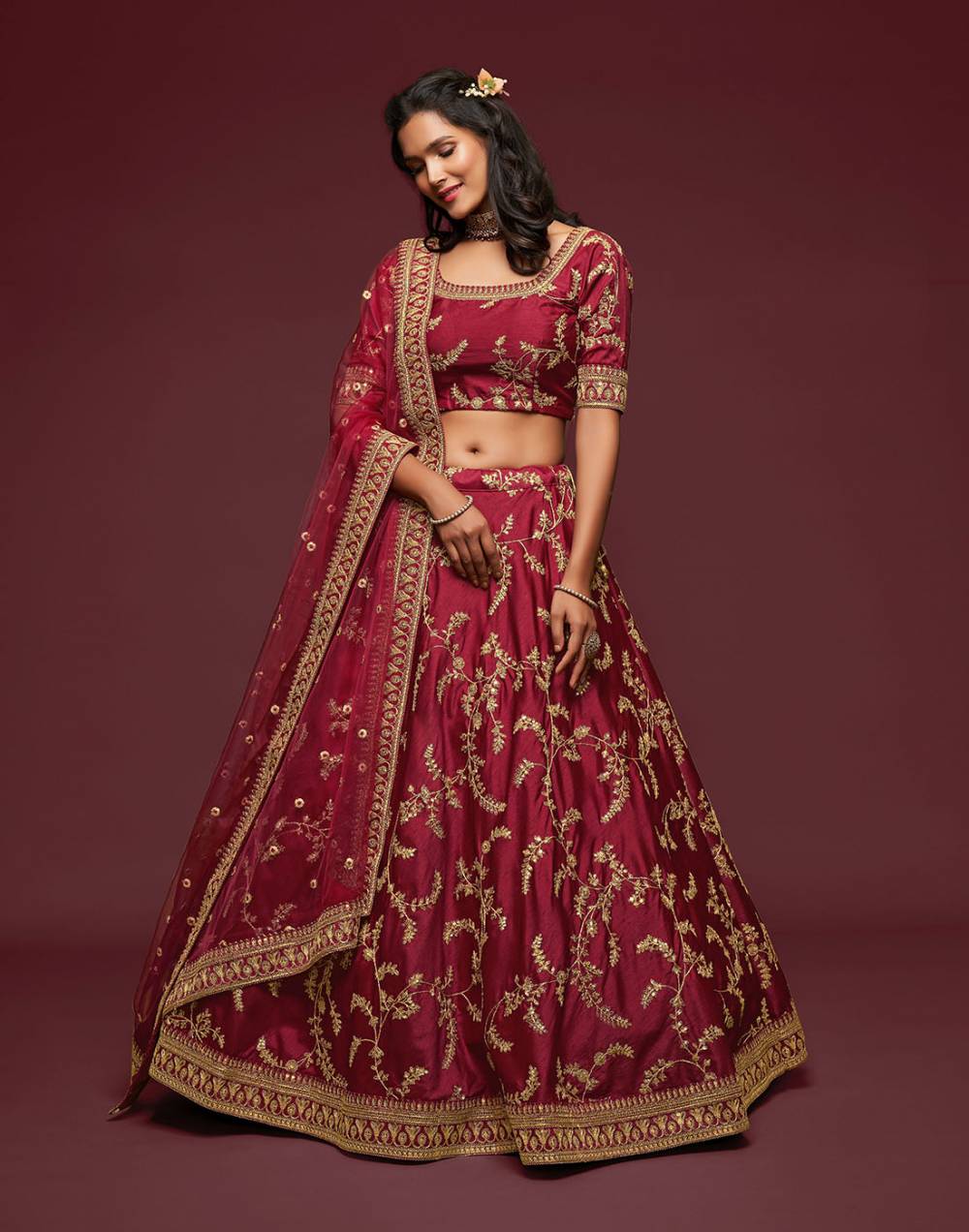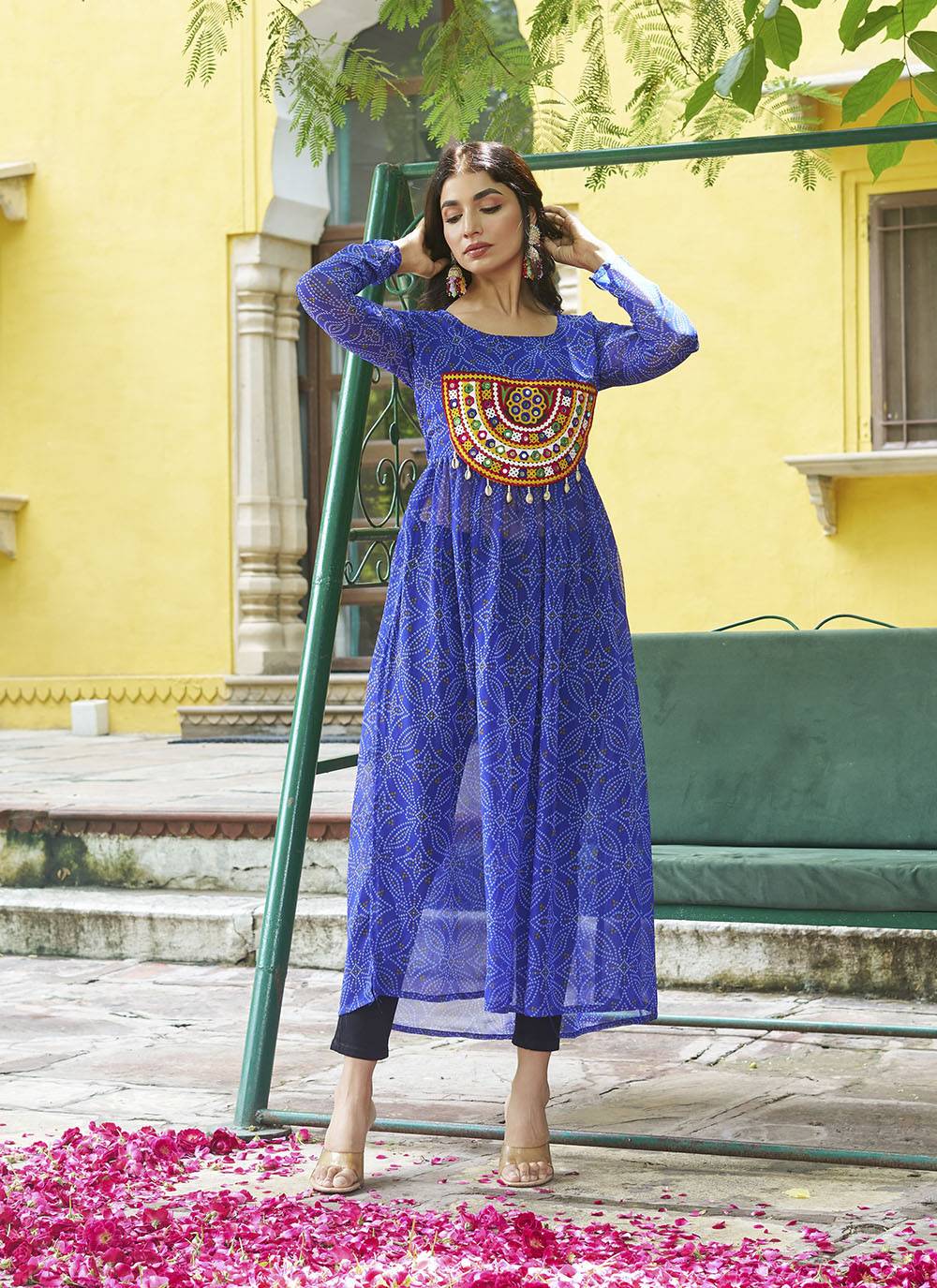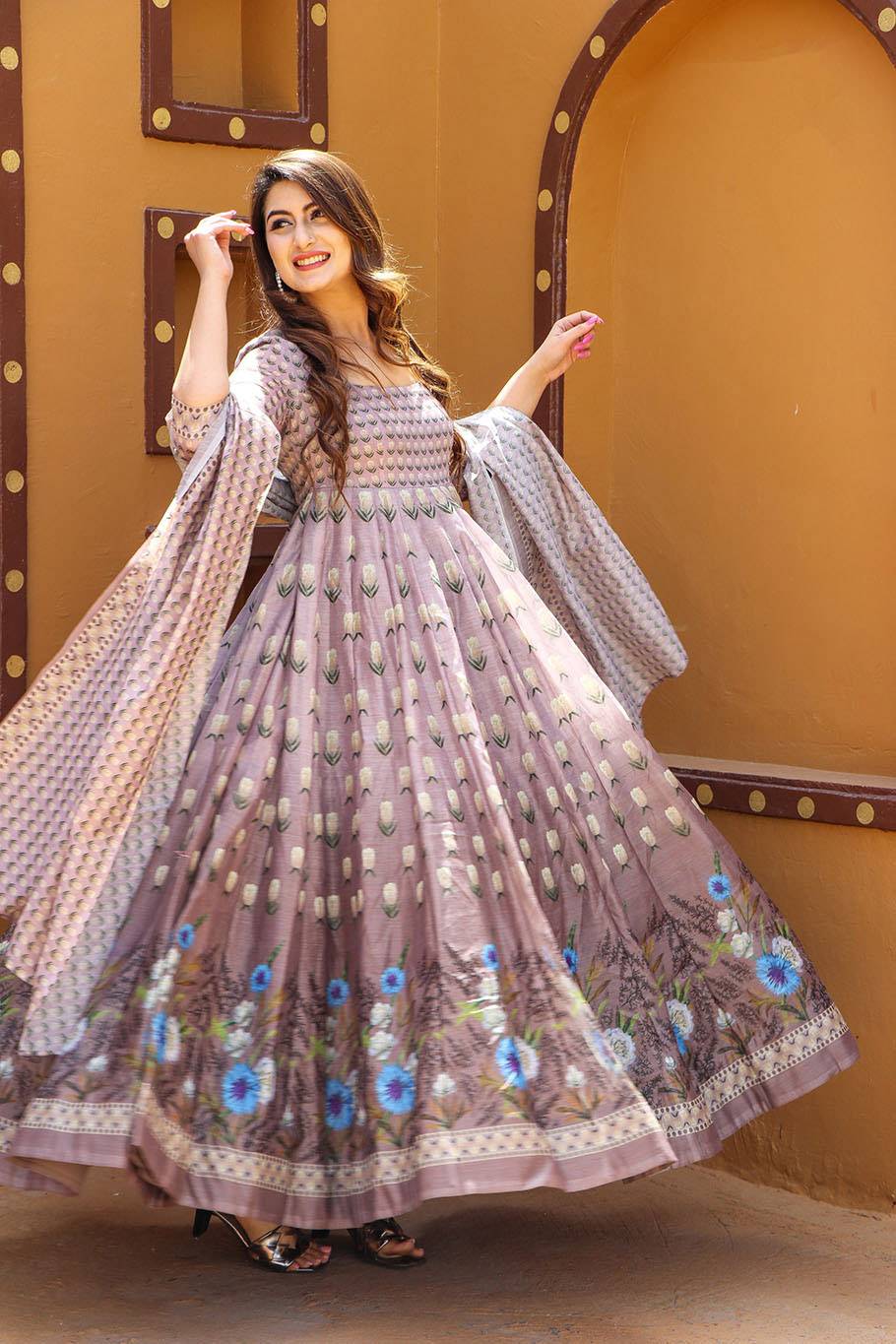
Two suit designs sat side by side on a counter in Toronto: same cut, same embroidery placement, same shelf position. One sold through and reordered twice. The other sat until it was bundled onto a clearance rail. When the owner finally investigated, the difference was the fabric, one a georgette that held its dye and drape, the other a viscose that shrank a size in the first wash. She could not name either fabric when we asked. Most margin problems in this category are fabric decisions made by accident.
Fabric Decides Margin Before Embroidery Does
The chain runs like this: fabric determines garment weight, weight determines perceived value in the hand, perceived value determines what the ticket can carry, and the ticket determines whether you reorder. Embroidery decorates that chain; it does not replace it. A mid-weight fabric with clean finishing outsells a heavily embroidered piece on flimsy cloth, because customers lift, drape and squeeze before they ever read the design.
The Daily-Wear Map
- Cotton, 100 to 160 GSM: the honest workhorse. Breathable, machine washable, and the base your repeat customers judge everything else against. Ask for pre-shrunk or wash-relaxed fabric, because cotton that has not been relaxed will move on the customer after the first wash, and the blame lands on your shelf.
- Rayon and viscose, 100 to 140 GSM: drape, brighter print depth, and a softer hand than cotton at the same weight. The risks are shrinkage and seam puckering. Viscose needs relaxed cutting, and a factory that skips relaxation produces suits that twist after washing, so ask whether the fabric was relaxed before cutting.
- Cambric and voile: lighter summers. Voile suits need gentle-care labelling but sell hard in hot-month markets.
- Lawn, 90 to 110 GSM: the peak-summer programme fabric, crisp and fine, and known to every Pakistani-suit customer by name.
- Slub cotton: texture that hides creasing and reads dressier without occasion-wear weight.
For winter, poly-viscose khaddar in the 200 to 260 GSM range is the diaspora standard, with jacquards and velvets above it for formals. Winter fabrics support heavier tickets, and the complaints file is thinner: nobody returns a January suit for being sweaty.
The Occasion Map
- Georgette, 60 to 90 GSM: the occasion standard. It dyes deep, drapes long and photographs with movement. Nylon-based and polyester georgettes differ in hand, so order the swatch, not the name.
- Crepe: the shelf-appeal fabric. Its matte texture resists creasing, which means the piece looks pressed on the rail after a hundred customers have handled it. That is a genuinely underrated retail property.
- Chiffon: dupattas and overlays, never bodices. It cannot carry structure and should not be asked to.
- Silk blends and raw silk: the festive tier where the hand-feel does the selling.
- Velvet: winter occasions. Deep dye, heavy drape, and warmth that sells itself in cold markets.
Bottoms and Dupattas: The Invisible Margin
The kameez gets the display, but the bottom and dupatta quietly decide the review. Dyed cotton bottoms serve daily wear; crepe and georgette bottoms carry occasion sets; crushed-texture viscose hides creases and answers the "will I have to iron it" question before it is asked. On dupattas, mix net with lace, chiffon and printed cotton across your sets rather than defaulting to a single style, because the dupatta is the piece she tries around her neck in front of the mirror.
Test before you commit the bulk
Wash one sample of every new fabric before confirming the order. Measure it before and after for shrinkage, rub it dry and wet against white cotton for colour transfer, and soak a corner in warm water with a white cloth to check bleeding. Five minutes at a sink predicts a season of returns. We run these checks on our floor for every new base and staple the swatch to the lot file, and honestly, we would rather a buyer repeat the test on our sample than trust any document blindly.
The Season Calendar
- Lawn and voile: order December to January for a March-to-July retail window.
- Festive georgette and crepe: order by August for the Diwali and wedding-season shelf.
- Khaddar: order by July for September-October delivery.
- Velvet and winter formals: lock designs by August, because velvet production runs busy into autumn.
What GSM Does and Does Not Tell You
GSM, grams per square metre, is the fastest quality signal in fabric buying, but it is a weight, not a verdict. Two fabrics at the same GSM can feel entirely different, because weave density, yarn count and finishing do the rest of the work. Use GSM to compare like with like: cotton against cotton in the same weave, georgette against georgette. Do not use it to compare a slub cotton against a cambric, because the slub's texture adds weight without adding durability.
The practical desk habit: keep a reference swatch book of every base you have bought, labelled with fabric, GSM and supplier lot. When a new lot arrives, weigh a cut of it against the reference on a kitchen scale. Drift of ten percent or more between what you ordered and what arrived is a conversation worth having before cutting, not after the returns start.
Frequently Asked Questions
Which fabric is best for daily-wear salwar kameez?
Pre-shrunk cotton in the 100 to 160 GSM range for structure and washability, or a quality viscose for drape if your customers prefer softer wear. The honest answer is to run both and let sell-through vote, because the split varies by market more than by any rule of thumb.
How do I test shrinkage before committing to bulk?
Wash a sample garment or a metre of the fabric, measured before and after. Anything beyond 3 to 5 percent on cotton or viscose means the fabric was not relaxed properly, and that shrinkage will land on your customer, not your supplier.
What is khaddar?
A plain-weave winter fabric, in wholesale now mostly poly-viscose blends in the 200 to 260 GSM range, with a plain or lightly brushed surface. It is the standard winter suit fabric across Pakistan and the diaspora, ordered by July for autumn shelves.
Which fabrics photograph best for e-commerce?
Crepe and georgette, because matte and semi-matte surfaces play well with phone cameras, while shiny satins blow out under standard lighting and need controlled setups. If online sales drive your business, weight your buying toward camera-friendly bases.
Do blended fabrics sell as well as pure cotton?
Blends sell well when their advantages are real: viscose drapes better, blends crease less, and crushed textures skip ironing. What does not sell is a blend pretending to be cotton. Label honestly and let each fabric's actual benefit do the talking.
Can I mix fabrics within one suit set?
It is standard practice: a georgette kameez with crepe bottoms, a cotton kameez with dyed cotton bottoms, net or chiffon dupattas on occasion sets. Keep care instructions aligned across the set, because the customer will wash all three pieces together regardless of what the label says.
Not sure which fabric programme fits your customers? Send us your market, season and shelf plan and we will map a fabric mix with GSM ranges and testing done before your eyes. We send swatch cards and sample suits to serious buyers, and the sink test is one we are happy to watch you run.
Sourcing ethnic wear for your business?
Our export team shares catalogues, MOQ and pricing tailored to your market — response within one business day.