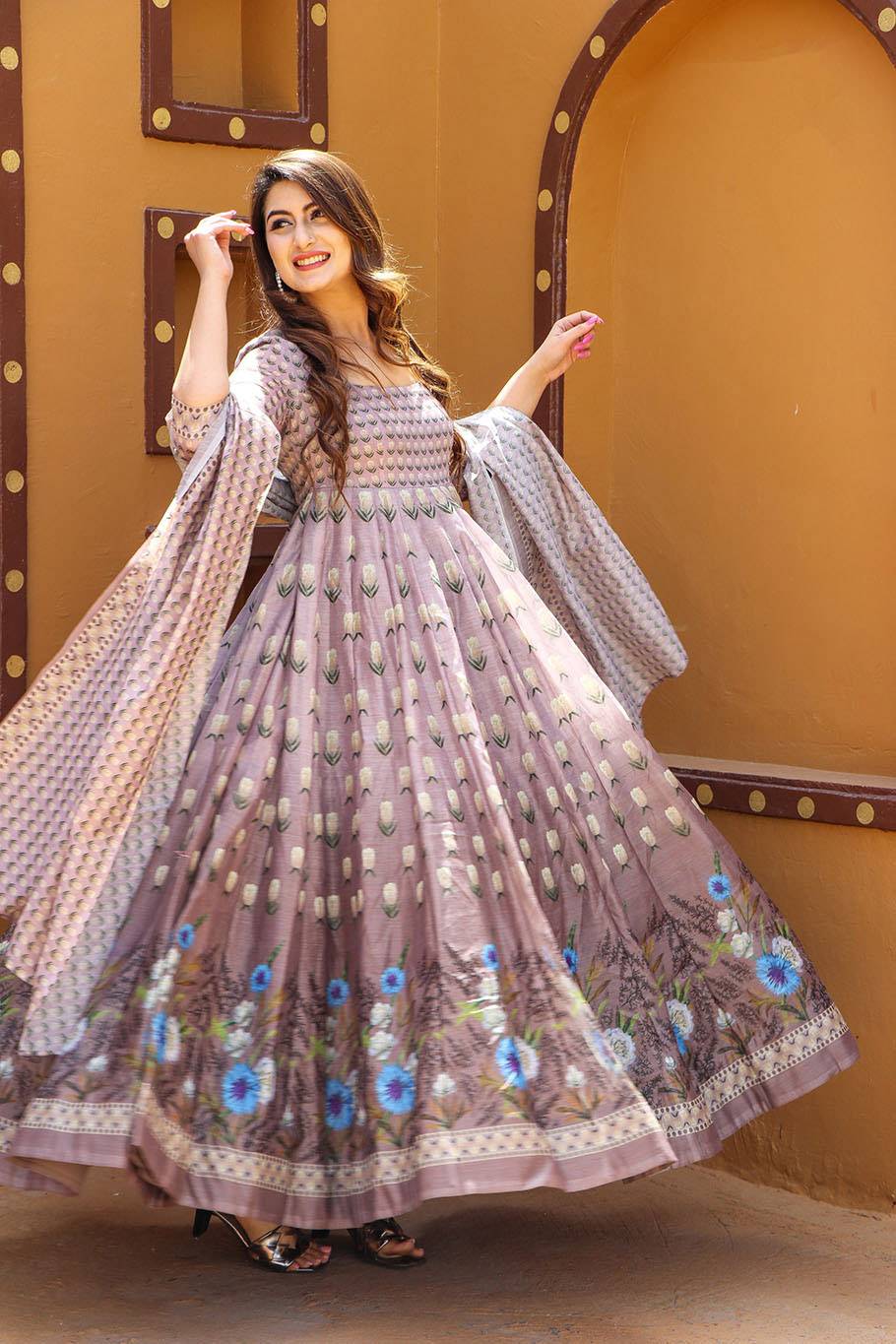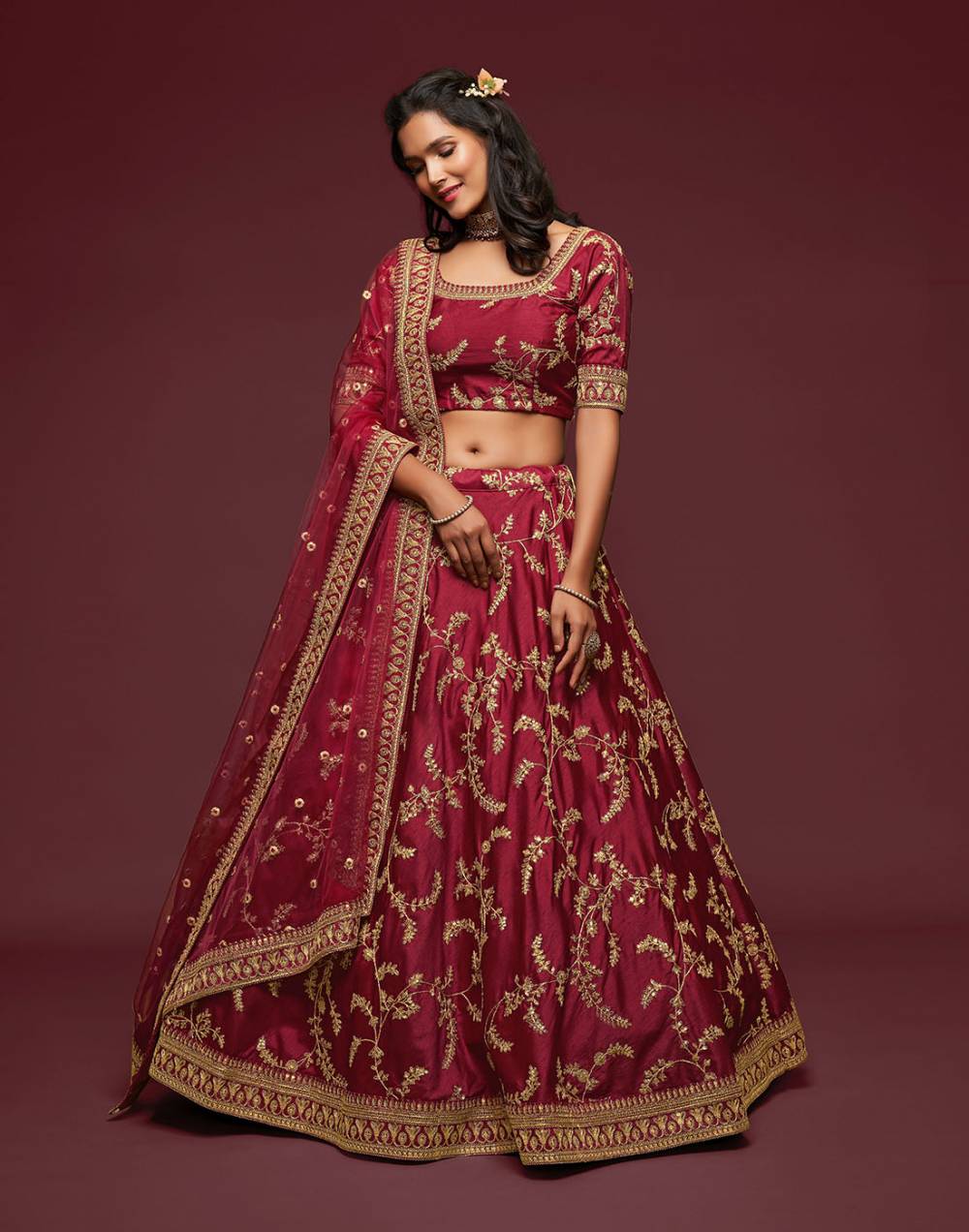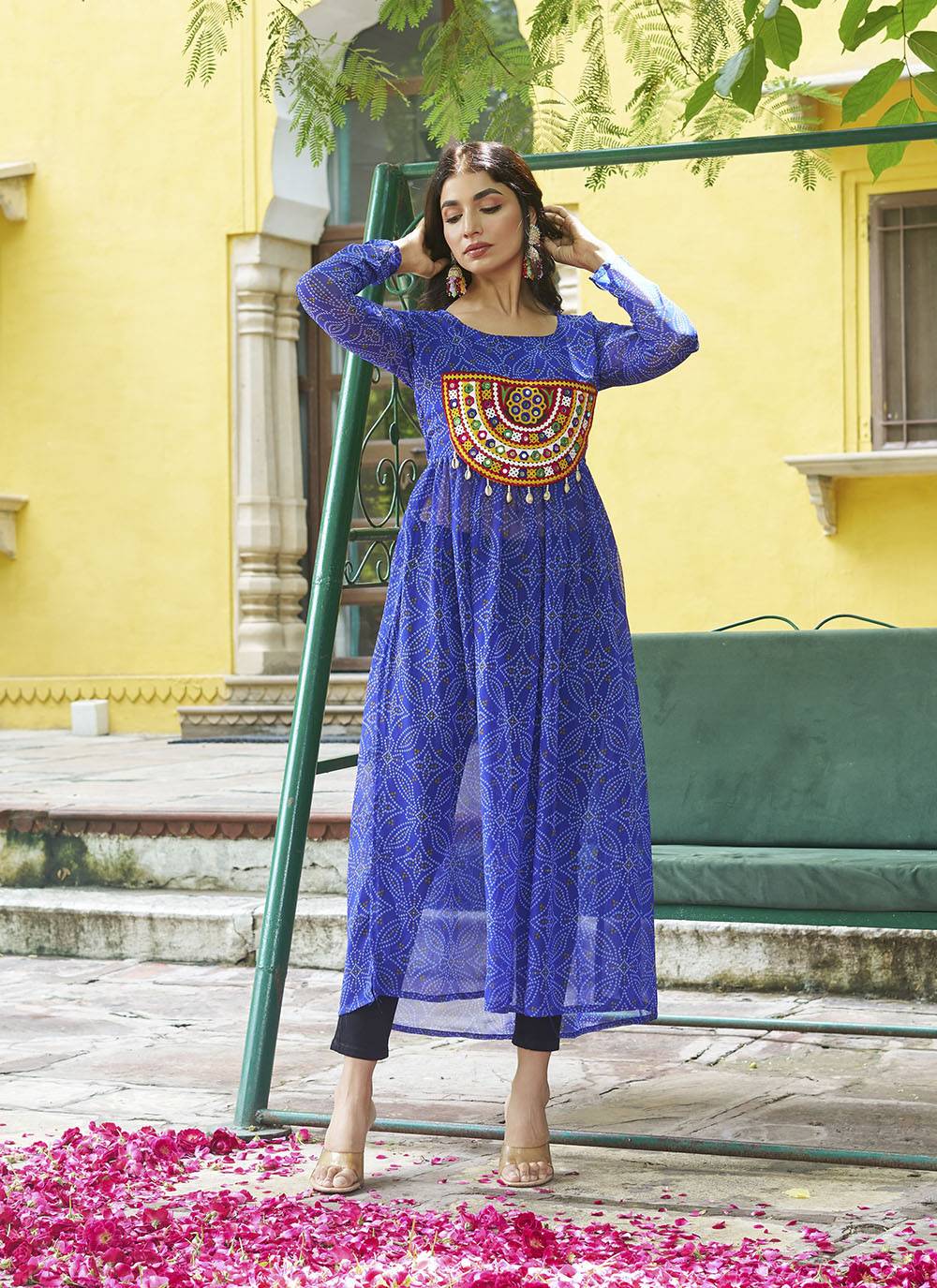
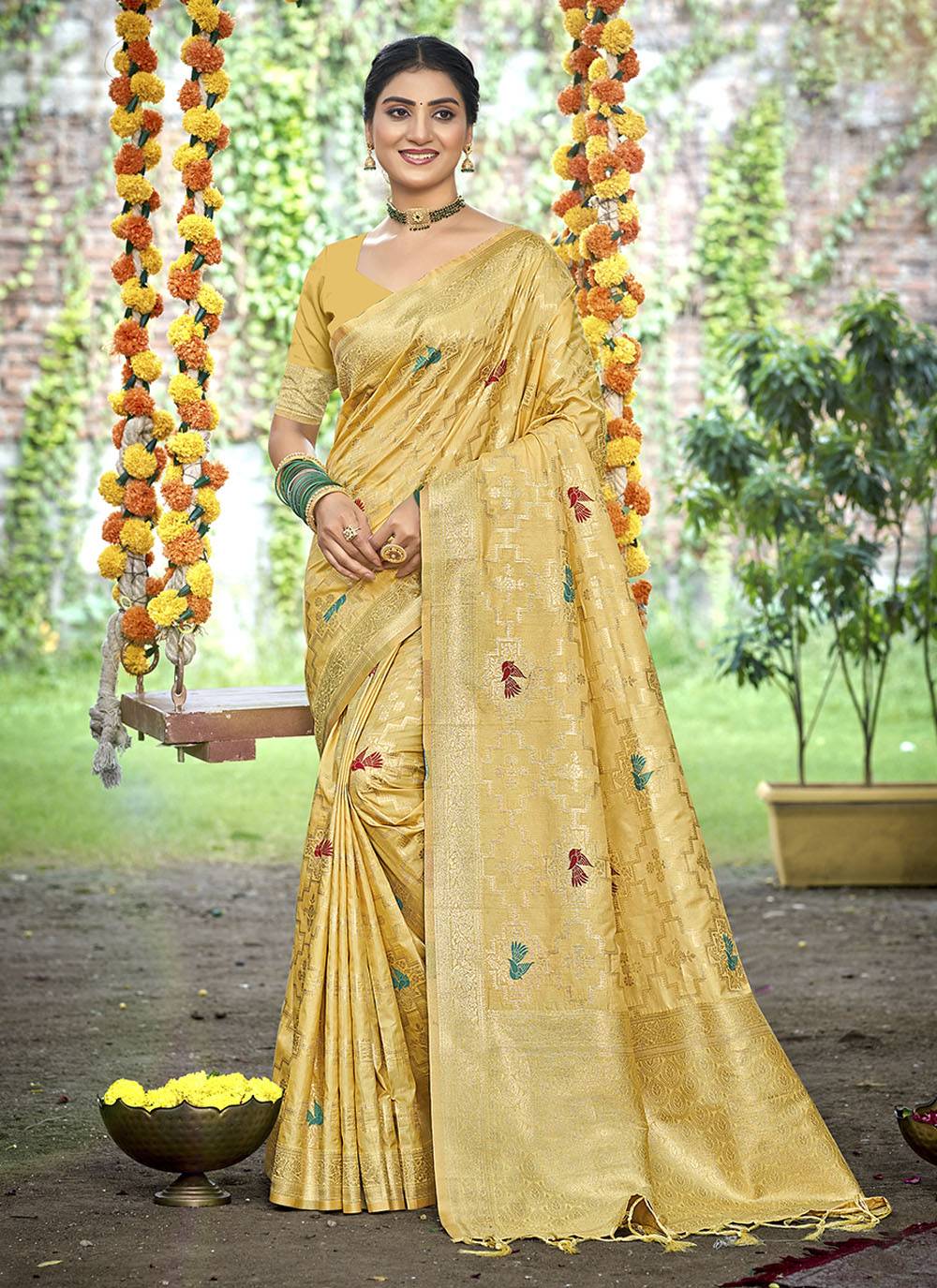
A suit seller in Nepalgunj once told us his real competitor is a shop in Rupaidiha, just across the line in India, stocking from the same Surat catalogues he does. He was not complaining. He was explaining salwar suit Terai demand better than any market report could: the Madhesh wardrobe is the Bihar-UP wardrobe, continuous across a border that clothes ignore.
The Shared Wardrobe: Why Madhesh Demand Mirrors Bihar-UP
The Terai, or Madhesh, holds more than half of Nepal's population, and its dress culture runs on sarees and salwar suits the way the northern Indian plains do. Cross-border family ties, shared media and a common festival rhythm mean a print that moves in Patna or Lucknow moves in Birgunj, Biratnagar and Janakpur within the same season. For a Surat supplier this is convenient ground: the same production runs that feed the Indian domestic trade feed the Nepal programme, with different packing and documentation.
Madhesh suit demand is therefore steady in a way Valley demand is not. There is a genuine daily-wear base of printed suits that sells every week of the year, overlaid with festival spikes that arrive on a calendar every counter in the Terai knows by heart: Teej, Dashain, Chhath, then the November-to-February wedding run.
Daily Volume: The Printed Suit Economy
The daily tier is where the volume sits. Printed suits in cotton and viscose families, light embroidery at most, washable, rotating fast through counters in Birgunj, Butwal, Nepalgunj, Janakpur, Itahari, Damak and Biratnagar. The customer buys two or three at a time, wears them hard, and returns for more within the month. Our printed suit wholesale Nepal lots for this tier run mixed designs per bundle, sized across the Terai curve, packed for stack display rather than hanging.
Restock cadence is the operational heart of it. Terai suit counters buy weekly or fortnightly, and because road transit from Surat to the Birgunj-Raxaul or Biratnagar-Jogmani gates runs only three to six days, a counter can confirm Monday's sell-through and hold the replacement lot by the following week. That cadence is the single biggest structural advantage of the Nepal trade over sea-freight markets, and most first-time buyers underrate it.
Festive Spikes: Chhath Is the Eastern Terai's Second Dashain
Every Nepal guide talks about Dashain, and rightly: it is the biggest selling window in the country, and suits sell into it across every tier. But the spike that surprises buyers new to the east is Chhath, falling in October or November, strongest across the eastern Terai from Biratnagar and Itahari through Damak and the Jhapa belt. New clothes for Chhath are close to obligatory, and the printed-and-embroidered bands that clear Dashain shelves get a second, harder push.
We structure eastern Terai programmes as Dashain plus Chhath double-ships: the big consignment landing in early September, then a fast replenishment dispatched in early October before Chhath buying peaks. The embroidered festive tier, heavier thread and sequin work over printed bases, carries these windows. It is also worth naming the honest trade-off: spike buying is unforgiving. Under-order and the window closes with empty racks; over-order and festive stock sits till next year with no festival to rescue it. The counters that win ship the replenishment lot fast and keep it shallow.
Stitched or Unstitched: The Tailor Trade Decides the Mix
Here is the structural question a Terai buyer answers before ordering: how much of the counter runs stitched, how much runs unstitched dress material Nepal-style for the tailor trade? The tailoring culture is deep. Many customers prefer buying unstitched three-piece lots and having their own tailor cut a fit no ready-made size achieves, particularly for the kameez. Around a strong tailor cluster, unstitched stock outsells stitched comfortably.
Stitched suits carry their own logic: convenience-buying for working customers, students, and the growing number who simply do not keep a tailor. Our recommendation for a first mixed programme is both, weighted by what the counter's neighbourhood actually runs. The two formats also pack differently: stitched suits go hanging or flat-folded set-wise, while dress material bundles pack for the stack-and-flip display the Terai trade prefers. One dispatch, two disciplines.
Routing the Terai: Gates and Counter Geography
The Terai is a ribbon, and gate choice is genuinely a routing decision. Central Terai counters around Birgunj and the Pathlaiya corridor take the Birgunj-Raxaul route, the busiest crossing for Nepal-bound cargo. The east, Biratnagar and Traffic Chowk counters included, routes through Biratnagar-Jogmani, with Kakarbhitta-Panitanki serving the Jhapa belt around Damak and Birtamode. The far west, Nepalgunj and beyond, runs through Nepalgunj-Rupaidiha, and the Lumbini-side towns through Bhairahawa-Sunauli.
Our documentation desk prepares the Certificate of Origin under the Indo-Nepal Treaty of Trade for Indian-origin goods, which earns preferential customs treatment and keeps the consignment moving through the gate rather than parking in it. Settlement runs in INR through banking channels, NPR being pegged to the rupee, with advance-against-documents the usual first-order structure.
Ajmera Export: Your Trusted Salwar Suit Nepal Partner
We supply the Terai suit trade from Surat with the whole chain within a short drive of our desk: printing across the Palsana and Pandesara processing estates, embroidery in the Umarwada karigar cluster, stitching units running set-wise packing, and the Ring Road trading floors where the print directions that move in Bihar and UP show up first. That last point matters for Nepal buyers: we see the shared wardrobe's demand signal days before it becomes a catalogued trend. Our Terai programmes combine printed daily suits, embroidered festive tiers and unstitched dress material into one consolidated truck-batch, routed to the gate nearest your counters, documented with the Certificate of Origin, invoice and packing list together. Mixed-category minimums let a single counter test all three formats in a first lot. Every number stays on enquiry. Send us your town and counter format on WhatsApp, and we will propose the mix.
Why Businesses Choose Ajmera Export
- Shared-wardrobe sourcing: production runs that feed the Bihar-UP trade feed your Terai counters, with the print signal seen early
- Daily-volume packing: mixed designs per bundle, stack-ready cartons for the Terai display style
- Dashain consignments with a Chhath replenishment dispatched before the eastern peak
Frequently Asked Questions
Why do salwar suits sell so well in Nepal's Terai?
The Terai shares its wardrobe culture with Bihar and Uttar Pradesh, where the salwar suit is the default daily garment. Family ties, media and festival rhythms run across the border, so demand is continuous rather than seasonal. Printed daily suits move every week of the year, with festive spikes layered on top. For suppliers, the same production runs serve both sides of the line.
What is the difference between Terai and Valley clothing demand?
Terai counters run heavy on sarees, salwar suits and unstitched dress material for the tailor trade, mirroring the adjacent Indian plains. Valley and hill demand leans toward kurtis, indo-western styles and layering-friendly fabrics for a cooler climate and office-college life. The two regions need different programmes, which is why we ask for counter location before proposing a lot.
Which suit fabrics work for daily wear in the Terai?
Cotton and viscose families in the lighter GSM range, printed rather than embroidered, with light neckline or placket work at most. The daily tier gets worn hard and washed often, so colourfastness and wash durability matter more than embellishment. Printed viscose blends often outperform pure cotton at the counter because they hold their shelf appearance through the selling day.
When does Chhath drive suit sales in Nepal?
Chhath falls in October or November and is strongest across the eastern Terai, from Biratnagar and Itahari through Damak and the Jhapa belt. New clothes for the festival are close to obligatory, giving eastern counters a second hard spike after Dashain. The workable structure is a big Dashain consignment in early September, then a shallow replenishment dispatched in early October before Chhath peaks.
Should Terai retailers stock stitched or unstitched suits?
Both, weighted to the neighbourhood. Tailoring culture runs deep in the Madhesh, and many customers prefer unstitched three-piece dress material cut by their own tailor for a personal fit. Stitched suits carry convenience buyers, students and working customers. In a first mixed lot we suggest testing both formats, then following the sell-through. The two pack differently even in one truck-batch.
What printed suit designs move fastest in the Terai?
The directions that move in Bihar and UP move in the Terai the same season, because the wardrobe is shared. Current-running florals, geometrical prints and border-led designs from the Surat printing floors are the practical answer; the print signal appears in the Indian domestic trade first, and we see it on our floor before it reaches catalogues. Mixed designs per bundle beat deep buys of single prints for daily counters.
How do I order suits from Surat for a Birgunj counter?
Consolidate through the Birgunj-Raxaul gate, the busiest crossing for Nepal-bound cargo, roughly three to six days by road from Surat. Give the supplier your counter format, daily-versus-festive mix and stitched-versus-unstitched split, and let them build a mixed-category lot. The Certificate of Origin under the Indo-Nepal Treaty of Trade should come with the invoice and packing list. Settlement commonly runs in INR.
What quantities do Terai suit counters usually start with?
First lots are typically mixed-category dispatches: printed daily suits in mixed designs per bundle, a smaller embroidered festive band, and some unstitched dress material for the tailor crowd, sharing one truck-batch's freight. Minimums apply per category rather than to the whole order, so a single counter can test three formats at once. The second lot then follows the sell-through.
Do embroidered suits sell in Nepal outside weddings?
Yes, through the festive calendar rather than steadily. Teej, Dashain and Chhath all pull embroidered bands over printed bases, and the November-to-February wedding season sustains heavier work. Between windows, daily printed tiers carry the trade. The honest discipline is keeping the embroidered band shallow outside festival approaches, because festive stock without a festival ages badly on the shelf.
How are wholesale suits packed for bazaar counters?
Stitched suits flat-fold set-wise or hanging-packed for boutiques; dress material bundled for the stack-and-flip display the Terai trade prefers, with the dupatta draped to show the print. Cartons are sized for counter stock, not warehouse pallets. Tell the supplier your display style before dispatch, because packing that suits a glass case in Kathmandu is wrong for a Nepalgunj stack display.
Conclusion
The Terai suit trade rewards buyers who respect its structure: a printed daily engine that runs all year, festival spikes that demand double-shipping around Dashain and Chhath, and a tailor culture that keeps unstitched stock essential. Route through the gate nearest your counters and let the three-to-six-day transit work in your favour. Send us your town, counter format and stitched-unstitched split on WhatsApp or through the enquiry form. Serious buyers receive fabric swatches and a proposed mixed lot before the first invoice. The Madhesh wardrobe is already buying what Surat prints; the only question is whose truck it arrives on.
Sourcing ethnic wear for your business?
Our export team shares catalogues, MOQ and pricing tailored to your market — response within one business day.