Tihar Gifting Stock: What Nepali Retailers Should Order and When
Tihar gets treated as Dashain's smaller sister, and that mislabel costs retailers real money. A Putalisadak counter once told us his five Tihar days outsold his entire rest-of-Kartik on dupattas alone. The festival is smaller in ceremony. It is not smaller at the till, not for the shops that stock it deliberately.
Tihar Is a Gifting Festival First
Tihar runs five days: crows, dogs, Laxmi Puja with the Deusi-Bhailo singing, then Gobardhan Puja, and finally Bhai Tika. The wardrobe effect is different from Dashain's. Dashain buys new clothes for the family; Tihar gifting stock buys clothes as gifts. Bhai Tika sits at the centre, with brothers and sisters exchanging tokens, money and increasingly garments, and every household visit through the fortnight pulls a gift expectation behind it.
Two retail consequences follow. The evening economy matters more than the morning one, because Tihar is the festival of lights and counters trade late into lit-up streets. And the gift-ability of a piece matters as much as its wear-ability, which shifts the register toward presentable, finished, giftable constructions rather than the deepest festive work.
How to plan a winter velvet and brocade programme without ending the season holding the heaviest dead stock in the building. Covers GSM weight bands, the three-month demand concentration, the weight-versus-cube container problem, and why Gulf buyers keep velvet alive all year.
Tihar is mislabelled as Dashain's smaller sister, but gifting puts different categories on the counter for five intense days. This guide covers what to stock, the compressed reorder window, and how to consolidate Tihar cartons with your Dashain consignment.
Ajmera Export 3 Sept 20268 min read
The Tihar Category List That Moves
Our Nepal buyers' Tihar programmes concentrate in five buckets.
Gifting-register sarees: festive but not bridal-weight, pieces that honour a sister or a relation without overspending the gesture.
Dupattas and suit pieces: the attach-rate kings of Tihar. Counters that merchandise them beside the saree racks watch them leave in multiples.
Kids ethnic sets: Deusi-Bhailo troupes and family visits dress children up, and parents buy sets in the days before Laxmi Puja.
Kurtis for visit rotations: the Valley customer rotates kurtis through five days of household visits.
Mens kurtas: lighter festive pieces for the tika and blessing mornings.
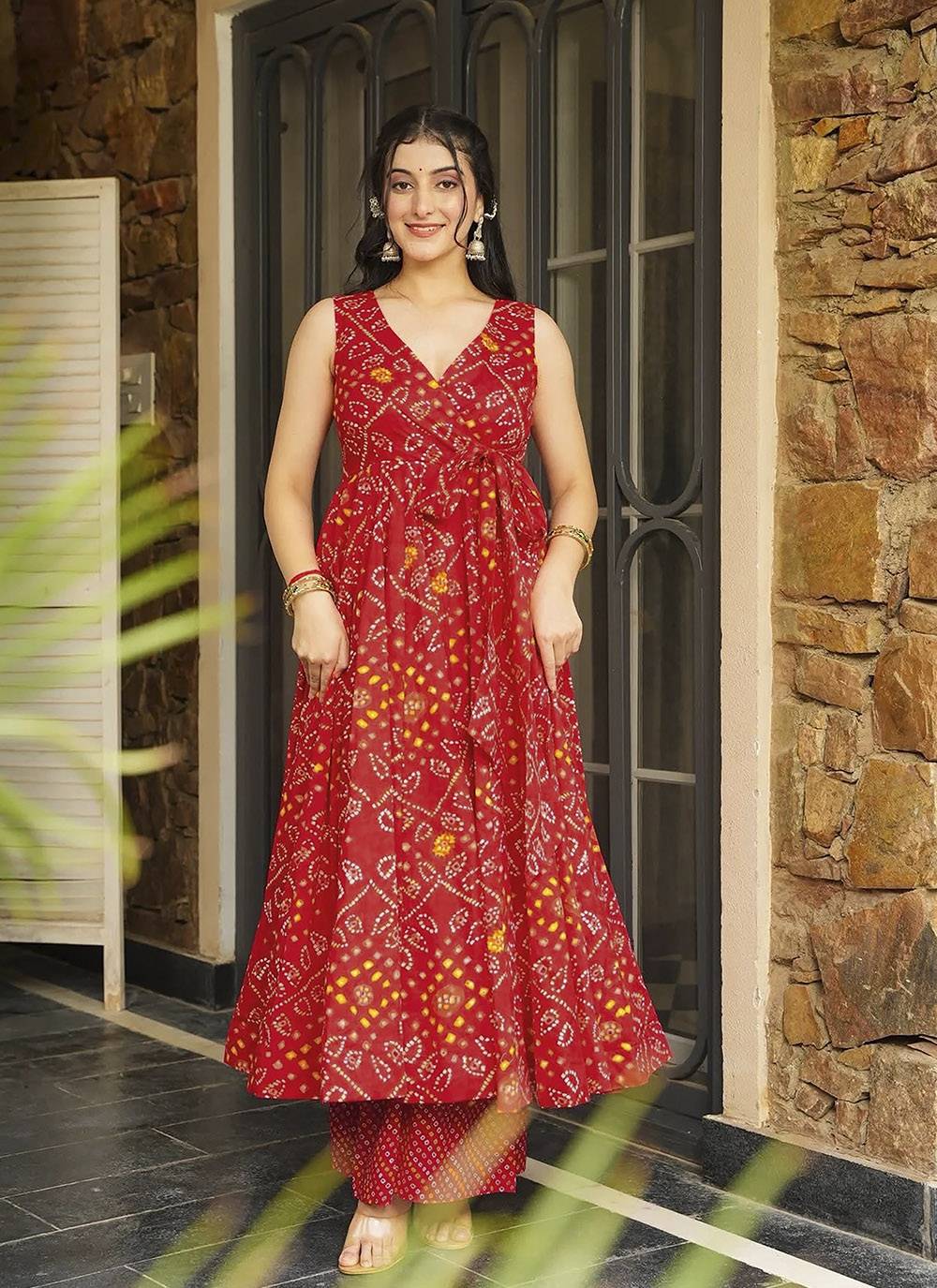
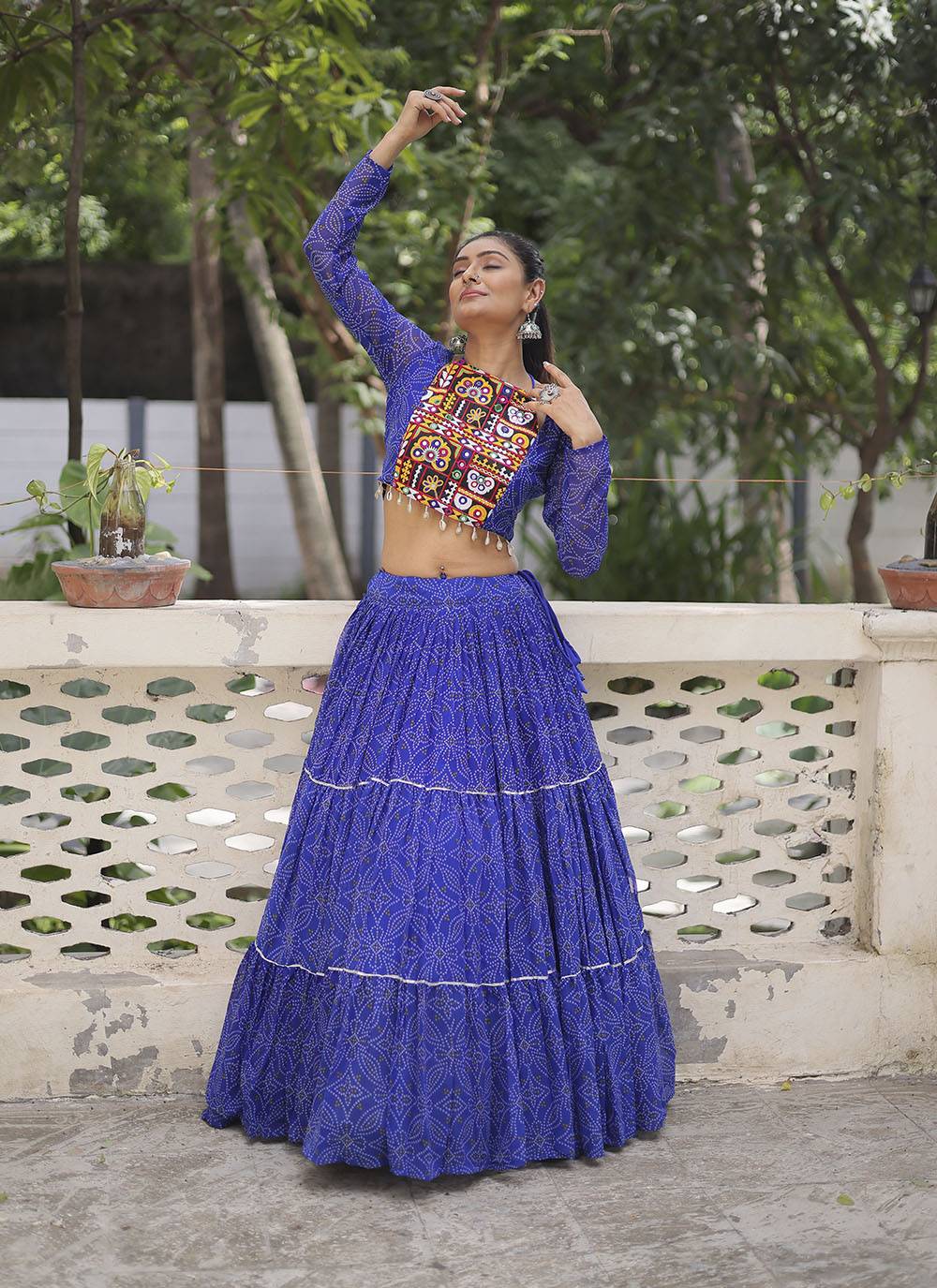
Tihar ethnic wear assortment should skew brighter and lighter than the Dashain display it replaces. The festival's own palette, the lights, the marigolds, the oil lamps, pulls buyers toward luminous constructions: lighter georgettes, prints with gold accents, zari-bordered cottons. Deep bridal registers sit the festival out.
The Compressed Window Between Dashain and Tihar
Here is the timing truth nobody plans around: Tihar follows Dashain within two to four weeks, which is shorter than any fresh production cycle from Surat. If your Tihar programme is not already moving by Vijayadashami, it is not arriving. This is the honest admission of the whole Tihar trade, and we make it to every new buyer: the reorder window is not tight, it is closed.
What works instead is pre-booking. Place your Tihar top-up as a second tranche of the Dashain order itself, with running lines flagged for replenishment the moment your Dashain counter signals sell-through. Stock-supported lines can dispatch within two to three weeks of the call, which lands them inside the Tihar window only because the call was anticipated. Our floor holds those repeat slots open through the festival weeks for exactly this reason.
Consolidation Tactics: One Truck, Two Festivals
The smartest Tihar retail Nepal programmes we serve ship inside the Dashain consignment, or in a tightly sequenced second truck that leaves Surat while Dashain stock is still selling. The tactics that make consolidation work are simple.
Split carton labelling: Dashain cartons marked for immediate shelf, Tihar cartons marked for the godown, so your staff stages rather than sorts.
One consolidated clearance: one document set, one agent run, one gate queue, instead of paying the fixed costs twice.
Sequenced dispatch: the second tranche leaves the day the first clears, so it lands as the counter empties.
Freight and clearance carry fixed weight in any Nepal consignment, and consolidation spreads that weight across two festivals instead of one. For smaller counters, neighbours combining their Tihar tranches into a single consignment is the oldest trick in the border towns, and it still works.
Reading Tihar Demand Across the Country
The Valley trades Tihar on lights and boutique registers, with strong kurti rotation and evening footfall through Laxmi Puja. The Madhesh belt runs closer to a Diwali gifting economy, with sarees and suit pieces moving as household gifts through the visiting days. The eastern Terai adds its own wrinkle: Chhath stacks right behind Tihar, so Itahari and Biratnagar-side counters need to think one festival ahead while everyone else is still selling this one.
That eastern overlap is worth a note even in a Tihar piece, because it changes your godown plan. Cartons for Chhath, cotton sarees mostly, can ride the same Tihar consignment east and sit staged in the godown until the window opens days later. One truck, three selling windows, in the right belt.
Building the Tihar Buying Calendar
For a Tihar opening in late October or early November, the year runs like this.
July: Tihar tranche planned together with the Dashain order, categories and volumes agreed.
August: production runs alongside Dashain work; gifting registers prioritised.
Early September: Dashain consignment dispatches, Tihar top-up slots held.
Late September to mid-October: Dashain sells; the replenishment call goes in the moment sell-through signals it.
Mid-October: the Tihar tranche lands as counters empty, and Chhath cartons stage in the east.
Ajmera Export: Your Trusted Tihar Stock Partner
We are a Surat manufacturer-exporter of sarees, lehengas, gowns, kurtis, salwar suits, mens and kids ethnic wear, and we plan the Nepali festival chain as one continuous programme rather than five separate emergencies. Tihar tranches on our floor are confirmed alongside Dashain orders, held for replenishment calls, packed in giftable registers, and labelled for godown staging rather than shelf chaos. Our document sets clear the border the same way for every festival: matched to the carton, pre-lodged with your agent, routed through the right gate. We will tell you honestly what the compressed window can and cannot do. Samples reach serious buyers first, and pricing is shared on enquiry only.
Why Businesses Choose Ajmera Export
Festival calendar fluency: Dashain, Tihar and Chhath planned as one chain, not three scrambles.
Held replenishment slots: repeat lines reserved before the compressed window closes.
Consolidation-minded packing: cartons labelled for shelf, godown or onward staging.
One accountable desk: the same team from order to yard release, reachable on WhatsApp.
Samples before commitment: gifting registers confirmed in hand before bulk moves.
Frequently Asked Questions
What should retailers stock for Tihar in Nepal?
Gifting-register sarees, dupattas and suit pieces as attach-rate items, kids ethnic sets for Deusi-Bhailo and family visits, kurtis for the Valley's five-day visit rotation, and lighter mens kurtas. The mix skews bright and giftable rather than bridal-weight, because Tihar buys clothes as gifts.
When should Tihar stock be ordered from India?
As a second tranche of your Dashain order, confirmed in July and August, with replenishment slots held through the season. Tihar follows Dashain within two to four weeks, shorter than any fresh production cycle, so stock ordered after Vijayadashami will not arrive in time for the festival.
What sells more during Tihar, sarees or kurtis?
Both move strongly but differently. Kurtis rotate through household visits across the five days, especially in the Valley, while sarees carry the gifting occasions around Bhai Tika. Counters that merchandise dupattas beside both racks lift every sale, because gifting demand buys multiples.
Can I combine Dashain and Tihar stock in one consignment?
Yes, and it is usually the smarter structure. One document set, one clearance run and one gate queue serve two festivals, with cartons labelled separately for immediate shelf and godown staging. Neighbouring shops combining Tihar tranches into shared consignments is a common border-town tactic for the same reason.
Why does Bhai Tika drive ethnic wear sales?
Bhai Tika closes Tihar with brothers and sisters exchanging tika, blessings, money and gifts, and garments have become a standard gift register on both sides. Households buy for the occasion deliberately, which puts giftable sarees, suit pieces and kids sets on counters in the days before it.
How is Tihar different from Dashain for clothing retailers?
Dashain buys new clothes for the whole family across a fortnight; Tihar buys gifts across five intense days, with an evening economy lit by the festival of lights. Tihar registers skew brighter and lighter, attach items like dupattas perform strongly, and the reorder window is effectively closed by the time Dashain ends.
Can I reorder from Surat between Dashain and Tihar?
Only on stock-supported lines pre-booked with your supplier, and only if the call goes in the moment Dashain sell-through signals it. Fresh production cannot fit inside the gap. This is why the Tihar tranche is confirmed as part of the Dashain order, not after it.
What colours move during Tihar?
Bright, luminous constructions move: lighter festive georgettes, prints with gold accents, zari-bordered cottons, and the red-gold register around Laxmi Puja. The festival's own visual world of lights, marigolds and oil lamps pulls buyers toward light-catching pieces rather than deep bridal work.
Do kids ethnic sets sell during Tihar?
Yes, and they sell early. Deusi-Bhailo troupes and the run of family visits dress children up through the festival, so parents buy kids sets in the days before Laxmi Puja. Counters that stage kids sets near the front of the Tihar display rather than the back see the difference.
How do I build a Tihar buying calendar for my shop?
Start from the festival's date and work backwards: Tihar tranche agreed in July with the Dashain order, gifting registers produced in August, replenishment slots held through September, the sell-through call made mid-Dashain, and the tranche landing as the counter empties. Write the dates down and defend them.
Conclusion
Tihar pays the shops that treat it as its own trade: a gifting festival with bright registers, attach-rate categories, and a reorder window that is already closed by the time Dashain ends. Plan the tranche with your Dashain order, consolidate the truck, label the cartons for staging, and let the calendar do the work. Tell us your counters and your gifting mix, and we will hold the slots. Serious buyers get samples first, pricing on enquiry only, and our desk on WhatsApp or through the enquiry form.
What early orders on our Surat floor are showing for wedding season 2026: pastels holding, zardozi steady, mirror work returning and separates growing. Plus the July-August order lock for November weddings and how boutique and wholesaler buying angles differ.
An honest guide to sustainability in ethnic wear sourcing: what is genuinely available at wholesale from Surat today, where the greenwashing lives, and which questions suppliers can actually answer. Covers azo-free dyes, better cotton, digital printing and packing swaps that really happen.