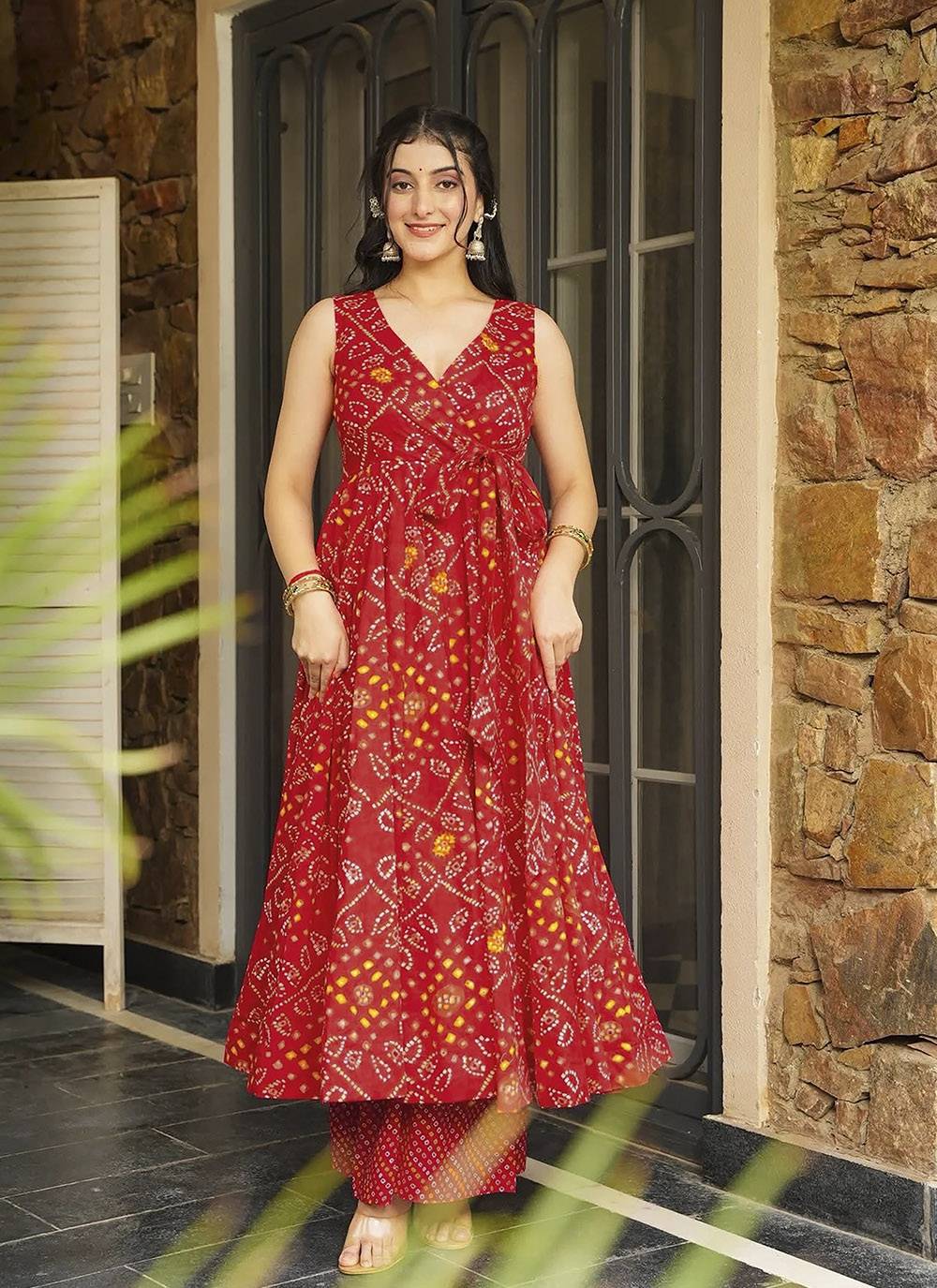
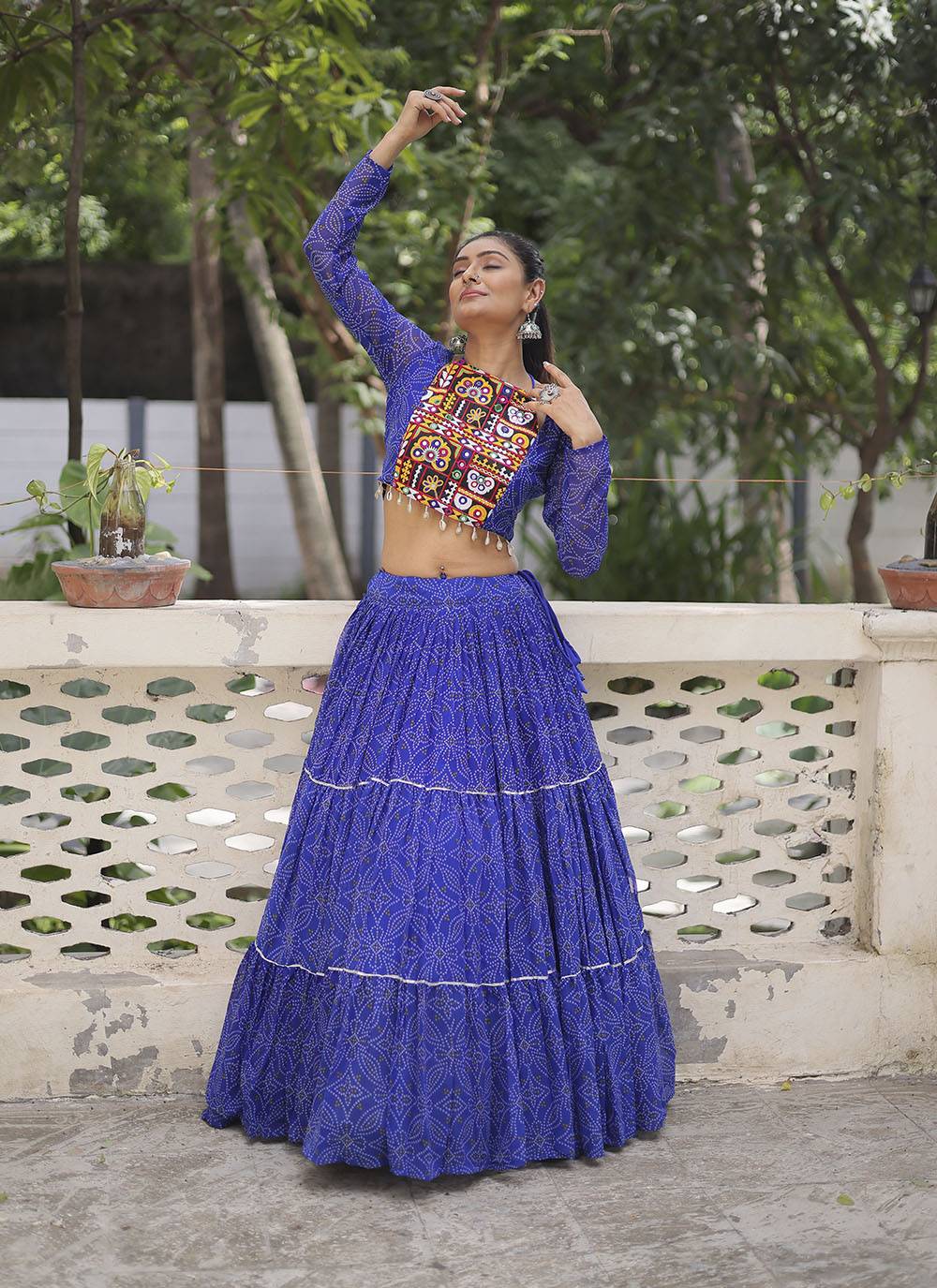
A boutique owner in Chicago locked her bridal picks for next November's weddings with us in the first week of July. Her logic was simple: invitation cards for November weddings go out in September, and by the time a bride is holding one, her shopping has already started. The rail needs to be full before the first card lands in anyone's mailbox.
What the Early Order Book Is Showing
Early orders are the closest thing this trade has to a leading indicator, because boutiques and wholesalers commit real money months before a look saturates anyone's feed. On our floor, the pattern for the coming season is consistent enough to describe.
- Pastel lehengas are holding steady rather than exploding, carried by the day functions: mehendi mornings, haldi brunches and daytime ceremonies that photograph outdoors.
- Heavy zardozi bridal remains the steady core. The classic bride still wants the classic weight, and that order books earlier than anything else in the season.
- Mirror work is climbing back. Mirror and shell work on dupattas, blouses and potlis has been working its way out from under a decade of all-over sequin.
- Velvet is holding its winter position for November to January receptions, especially in cold-climate markets.
- Mix-and-match separates keep growing: skirt-and-blouse sets, pre-draped concepts and separates that re-wear across a multi-function wedding.
- Grooms' indo-western is the quiet riser. Bandhgala cuts, jacket sets and draped silhouettes are moving faster than plain sherwanis for receptions and engagements.
Read that as wind direction rather than a guarantee. An early order book is a reading of committed intent from the front of the market, and front-of-market buyers are wrong sometimes too.
The July-August Lock for November Weddings
The Indian wedding season runs November into February, clustered around auspicious muhurtham dates, and November is the anchor month because it rides the same autumn containers as the festive trade. For bridal on the rail in the first week of November, the order locks in July or August. Zardozi and hand-heavy pieces run eight weeks or more in production, karigar capacity from September onward gets consumed by festive work, and blouse construction and finishing eat the last mile of any bridal order. Order later than that and you are not buying production; you are buying whatever capacity is left over.
Then the season turns into a reorder cycle. What sells in November gets reordered in the first half of December for the January and February dates, and buyers who settled their first container on time are the ones who get answered first when the floor is at its busiest. The whole season is really two orders: the container you plan, and the top-up you earn.
The diaspora adds a second season on top. American outdoor weddings cluster in the northern summer, locking around February and March for June to September events, and Gulf weddings favour the cooler months from November into March, with hotel-ballroom weddings running year-round on the air conditioning. Two smaller peaks are healthier for a boutique's cash cycle than one impossible one, and the calendar gives you both if you plan for them.
Buying Trends Without Getting Burned
Trends in this trade travel at walking speed. A silhouette moves from runway to metro boutiques, then to tier-two cities, then to diaspora retail, usually over two seasons. By the time a look saturates your feed, the metros are already tiring of it, which means a boutique that buys what is trending is often buying the end of a wave rather than the middle of one. The better question is which wave your own customers are on, and your reorder history answers it more honestly than any trend report.
The depth rule we repeat across desks: buy trend in accents, buy core in sets. A trend colour in a dupatta, a blouse or a belt is a small and recoverable bet. The same trend as a full lehenga set is a large and unrecoverable one, because a fitted bridal piece that missed its moment has no second occasion waiting for it.
We hold a wrong call of our own from two seasons back. We read the sequin-saree wave as having another year in it and steered buyers deeper than the wave ended up supporting, and helping those buyers through the markdown taught us more humility than any trend report ever has. No floor reading is perfect, including this one.
The Boutique Angle and the Wholesaler Angle
Boutiques live on one-piece-per-style exclusivity and service. Their risk is carrying too many styles too shallow: forty styles of one piece each sells a museum, not a wardrobe. The healthier boutique mix runs deeper in the styles that can actually serve a bride, because bridal is fitted, appointment-driven merchandise, and a size you can put on her body on the day of the trial is worth three styles you cannot.
Wholesalers and retail chains live on depth and reorder velocity: core lehenga and saree programmes in catalog styles, size runs graded generously at both ends, and blouse-piece logic on sarees so the customer can self-fit after purchase. Their risk runs the other way, toward trend-heavy depth, because one bad silhouette bet ties up the same open-to-buy as an entire good capsule.
E-commerce sellers should remember that bridal fitted-wear carries a return problem that the camera cannot solve. Gown and indo-western catalog styles carry online bridal weight far better than fitted lehengas, and that distinction alone decides many a season.
What to Watch Through the Season
Three signals tell you more than any forecast. First, what reorders in the first two weeks of December is what carries the February dates, so watch your own early-December sell-through with a purchase order ready. Second, the trial-room log: what brides try on versus what they actually buy is the sharpest gap analysis in this trade, and it is free. Third, your pre-bookings for next November, because the cycle restarts in July whether you are ready or not.
Regional calendars matter for depth. The North Indian cluster runs November into February; Tamil and Telugu dates spread differently, with a January-February push and spring dates beyond it. Ask your customers which calendar they live by before you set your size depth, because the same lehenga sells on a different schedule in Chennai than in Delhi.
Frequently Asked Questions
When should I order for November 2026 weddings?
Lock the order in July or August, earlier for zardozi and hand-heavy pieces that run eight weeks or more in production. Festive work consumes karigar capacity from September onward, so late bridal orders inherit whatever capacity is left rather than what the design needs.
What bridal trends are showing for the 2026 wedding season?
Early orders show pastel lehengas holding for day functions, heavy zardozi steady at the bridal core, mirror work returning on dupattas and blouses, velvet strong for winter receptions, mix-and-match separates growing, and indo-western picking up on the grooms' side.
Are pastel lehengas still selling?
Holding steadily, driven by daytime functions that photograph outdoors. The heavy bridal core remains deep traditional colour, so the working assortment carries both: pastels for day events and jewel tones for the main ceremony.
How much of my wedding order should be trend pieces?
Buy trend in accents like dupattas, blouses and belts, and keep the fitted core in evergreen silhouettes and colours. A trend accent that misses is a markdown; a trend set that misses is a season.
Do diaspora wedding dates follow the Indian calendar?
Not exactly. The diaspora follows venue seasons: American outdoor weddings cluster in the northern summer with a February-March order lock, Gulf weddings favour November to March, and ballroom weddings run year-round on the air conditioning.
Is grooms' wear worth expanding?
Yes, and it is also the better late-season lane, because grooms decide later than brides. Indo-western jacket sets and bandhgalas sell deep into the season and top up well when bridal capacity is already committed.
If you are planning your wedding-season order and want a second opinion on what is actually moving, message us on WhatsApp or send your target shelf weeks by email. We will share what the early order book is showing for your market, and serious buyers can have sample pieces pulled from the bridal and party-wear ranges that fit their plan.
Sourcing ethnic wear for your business?
Our export team shares catalogues, MOQ and pricing tailored to your market — response within one business day.