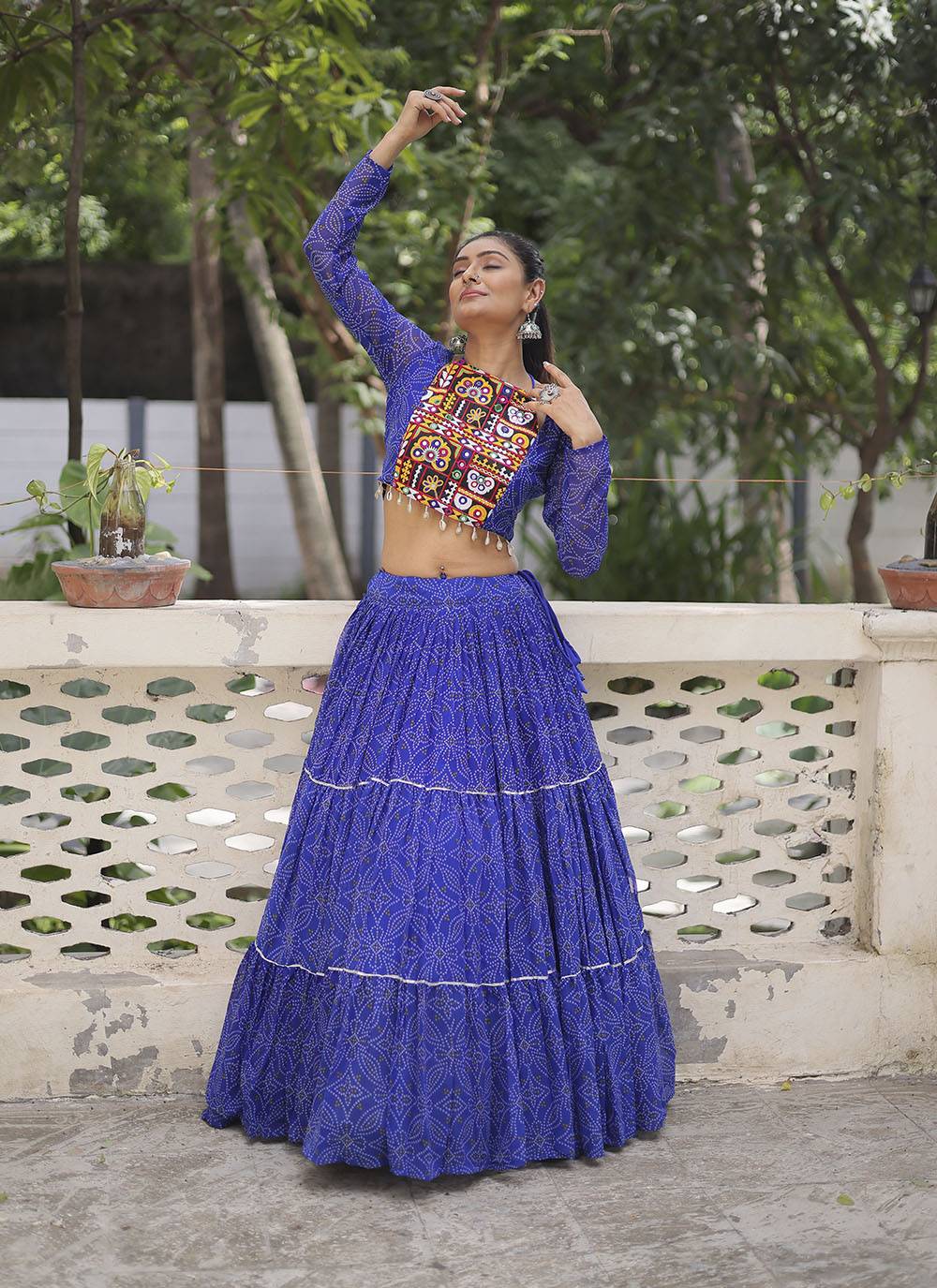
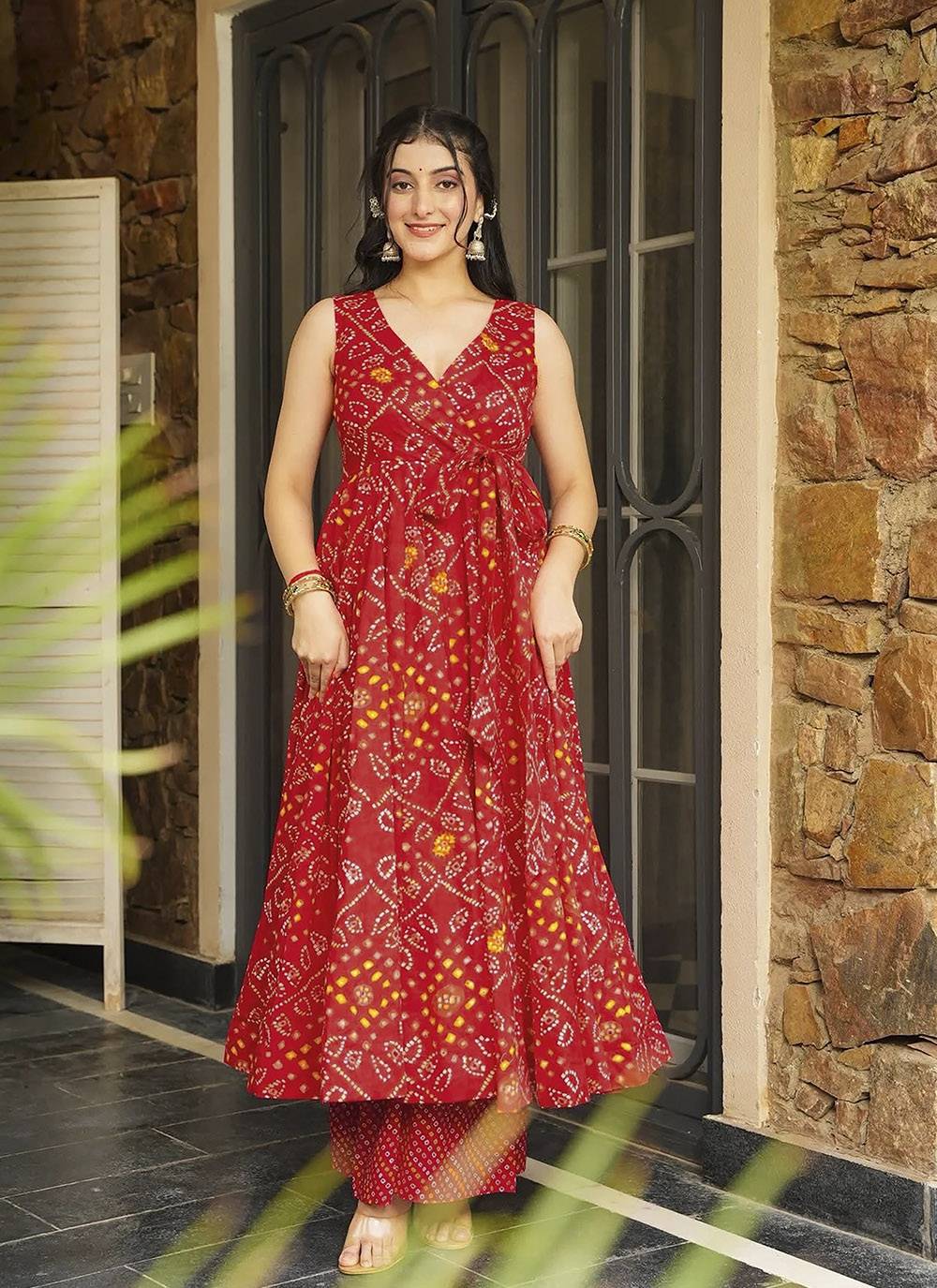
In our first season selling into Nepal we watched a New Road counter sit half-empty through Fulpati week because its truck was still parked at Raxaul. The stock arrived three days after Vijayadashami. The retailer sold it eventually, at a weaker register, into a softer market. That consignment became the story we tell every new buyer: in the Dashain trade, the calendar is the product.
Why Dashain Is the Whole Year in One Fortnight
Dashain runs fifteen days, from Ghatasthapana to Vijayadashami, landing somewhere between late September and mid-October by the lunar calendar. Nothing else in the Nepali year compares. Families buy new clothes for everyone from grandparents down to infants, offices close, towns empty into villages, and the counters that are stocked properly do a disproportionate share of their annual turnover in those weeks.
Dashain ethnic wear wholesale is therefore not really a category decision. It is a logistics decision wearing a category costume. The demand is certain, the footfall is certain, and the only variable is whether your cartons are on the shelf when the crowd arrives or in a border queue when it leaves. Our buyers tell us the same thing every October: the season was decided back in July.
Dashain Stock Planning Means Working Backwards
Pick your anchor first: stock on the shelf before Ghatasthapana, because serious buying starts in the two to three weeks before the fortnight opens, not inside it. Then chain the maths backwards from that shelf date.
- Truck from Surat to the border gate: three to six days.
- Clearance in a normal week: one to three days.
- The festival buffer: five to ten days, because September is when every Nepal-bound consignment in India hits the same customs yards.
- Production after order confirmation: two to three weeks for stock-supported saree and kurti lines, six weeks for custom shades or embroidery work.
Add it up and the order-confirmation window for a typical early-October Dashain runs from late June through mid-July for made-to-order programmes, stretching into early August only for stock lines. Festival stock Nepal planning, done properly, looks oddly calm in June and suspiciously quiet in September. That quiet is the whole point.
The Truck Buffer Every Dashain Plan Needs
Here is the honest admission. In the last fortnight before Ghatasthapana, no supplier can promise a border date. The queue at Birgunj stretches beyond anyone's paperwork, because the entire country's restocking converges on the same gates at once. We plan our Nepal dispatches to clear the border well before that window opens, and we say no to dates we cannot defend.
This changes what you should ask a supplier. The right question is not when the truck leaves. It is when the truck needs to leave so that the worst realistic queue still lands the cartons before Ghatasthapana. Work that date out, then move everything earlier by a week anyway. Every experienced Nepal buyer we serve carries that extra week quietly in the plan.
The Category Mix for the Dashain Counter
The fortnight buys across the whole family, which is why the mix matters as much as the timing.
- Sarees: the spine of the Terai trade, reds and maroons at the front with assorted brights behind them.
- Kurtis and salwar suits: the Valley and hill rotation, practical fabrics that carry from office to temple.
- Kids ethnic sets: the quiet performer. Nepali families dress children for Dashain with a seriousness first-time buyers underestimate.
- Mens kurtas and light sherwani-style pieces: tika ceremonies and family photographs do the selling.
- Dupattas and blouse pieces: attach-rate items that lift every saree and suit sale.
The buying itself comes in two waves. The first fills essentials before Ghatasthapana. The second, ahead of Fulpati and Vijayadashami, upgrades for gifts, photographs and homecoming visits. Counters that plan depth for the second wave, not just the first, take the better fortnight home.
Teej and Dashain Saree Demand Are Two Different Trades
Buyers new to Nepal often treat the autumn festivals as one long saree season. They are not. Teej saree demand is a single-cohort spike: married women buying red and green for the fast, roughly four to six weeks before Dashain. It is deep but narrow. Dashain saree demand is the entire population, every age and both registers, spread across a fortnight of family occasions.
The practical consequence: your Teej assortment should not dictate your Dashain shades. Deep Teej maroons that sold in Bhadra can deaden a Dashain display that needed assorted brights. Order them as separate programmes with separate shade plans, even when they ship in the same consignment. We run the two programmes side by side on our floor every year precisely because they answer different questions.
What Late Stock Actually Costs
Late Dashain stock costs three times. You lose the sales it would have made inside the fortnight, which no later week replaces, because the footfall is gone. You land goods into a post-Vijayadashami market where the same pieces move at a weaker register, feeding the markdown reflex. And you occupy shelf space and working capital during Tihar and wedding-season buying, when that money should be working on the next programme instead of absorbing the last one's mistake.
Over-ordering carries its own cost, to be fair. Demand after Dashain falls off a cliff, and carryover sits ugly through winter. The honest trade is accuracy, not aggression. That is why we push buyers toward the backwards calendar: it converts a gamble into a plan with named dates.
A Dashain Order Calendar You Can Pin on the Wall
For a Dashain opening in the first half of October, the year looks like this.
- June: enquiry, catalogue work, samples confirmed against your categories.
- Late June to mid-July: order confirmation for made-to-order programmes; stock lines can follow into early August.
- Late August to early September: dispatches leave Surat, routed by destination gate.
- Mid-September: consignments land and clear, ahead of the festival queue.
- Before Ghatasthapana: shelves full, staff briefed, second-wave stock held in the godown.
Ajmera Export: Your Trusted Dashain Stock Partner
We are a Surat-based manufacturer-exporter of sarees, lehengas, gowns, kurtis, salwar suits, mens and kids ethnic wear, and we build our production year around the Nepali festival calendar. Dashain programmes on our floor get named dispatch dates that respect the border queue, document sets matched to the carton for smooth clearance, and shade plans split properly between Teej and Dashain registers. We hold reorder lines for the second wave, pack kids sets in retail-ready counts, and flag any date we cannot defend before you commit to it. Samples reach serious buyers before bulk moves, and pricing stays enquiry-only, as it should.
Why Businesses Choose Ajmera Export
- Festival calendar fluency: production and dispatch planned backwards from Ghatasthapana, not forwards from convenience.
- Nepal-ready documentation: invoice, packing list and Certificate of Origin matched to the carton.
- Shade-plan discipline: Teej and Dashain registers kept as separate programmes.
Frequently Asked Questions
When should I order Dashain stock from India?
Order confirmation should land between late June and mid-July for made-to-order programmes, and by early August for stock-supported lines, for a Dashain opening in the first half of October. The window exists because of truck time, border clearance and the September festival queue, all of which sit between your order and your shelf.
How long does Dashain stock take from Surat to Nepal?
Trucking takes three to six days to the border, clearance one to three days in a normal week, and onward delivery a day or two more. The real variable is September congestion at the customs gates, which is why the plan should put dispatch in late August or early September rather than close to Ghatasthapana.
What ethnic wear sells best during Dashain in Nepal?
The fortnight buys for the whole family: sarees at the spine of Terai counters, kurtis and suits for the Valley and hill rotation, kids ethnic sets for dressed-up children, mens kurtas for tika ceremonies, and dupattas and blouse pieces as attach-rate items. The mix, not one hero category, carries the fortnight.
How is Dashain different from Teej for saree retailers?
Teej is a narrow, deep spike of red and green saree demand from married women roughly a month earlier. Dashain is broad: every age, every register, whole families buying across a fortnight. Deep Teej maroons will not carry a Dashain display that needed assorted brights, so treat them as two programmes.
What is the last safe date to order for Dashain?
For stock-supported lines in a normal year, early August is the honest edge, and only if production slots exist. Made-to-order work with custom shades needs confirmation by mid-July. Past those dates you are betting on the pre-Dashain border queue behaving, which is not a bet anyone wins reliably.
How do I avoid border delays before Dashain?
Dispatch early enough that the pre-Ghatasthapana queue never sits between your truck and your shelf, typically by early September. Pre-lodge scanned documents with your border agent so the file waits for the truck rather than the reverse. And keep invoice, packing list and Certificate of Origin matched to the carton.
Should a Kathmandu shop stock more kurtis or sarees for Dashain?
Both, in a considered ratio. Valley counters sell strong kurti and suit volume for daily and temple wear through the fortnight, while occasion sarees take the photograph-and-tika occasions. Our Kathmandu buyers typically run a kurti-heavy rotation with saree depth staged for the second wave before Fulpati.
Can I reorder mid-Dashain if stock sells out?
Rarely from fresh production, because the fortnight is shorter than the production cycle. What works is pre-booked repeat capacity: confirm running lines with your supplier as part of the Dashain order itself, so stock-supported replenishment can dispatch the moment you call it in.
What happens to unsold Dashain stock?
It carries into Tihar and wedding-season selling at softer registers, and it occupies shelf space and capital exactly when you need both for the next programme. That is the double cost of over-ordering, and the reason accuracy beats aggression in Dashain planning.
Do Surat exporters prioritise Nepal Dashain orders?
Experienced ones reorganise their July-September production calendar around it, because Nepal festival volumes are large and date-critical. Ask a supplier directly how they sequence Nepal dispatches ahead of the border queue. The answer tells you whether to trust their dates.
Conclusion
Dashain rewards the buyers who treat the calendar as the product. Work backwards from Ghatasthapana, respect the September queue, split your Teej and Dashain shade plans, and give the fortnight a whole-family mix with a second wave in the godown. That is the entire discipline. Tell us your counters, your categories and your shelf date, and we will build the programme backwards from it with named dates. Samples go to serious buyers, pricing is shared on enquiry only, and our desk answers on WhatsApp or through the enquiry form.
Sourcing ethnic wear for your business?
Our export team shares catalogues, MOQ and pricing tailored to your market — response within one business day.