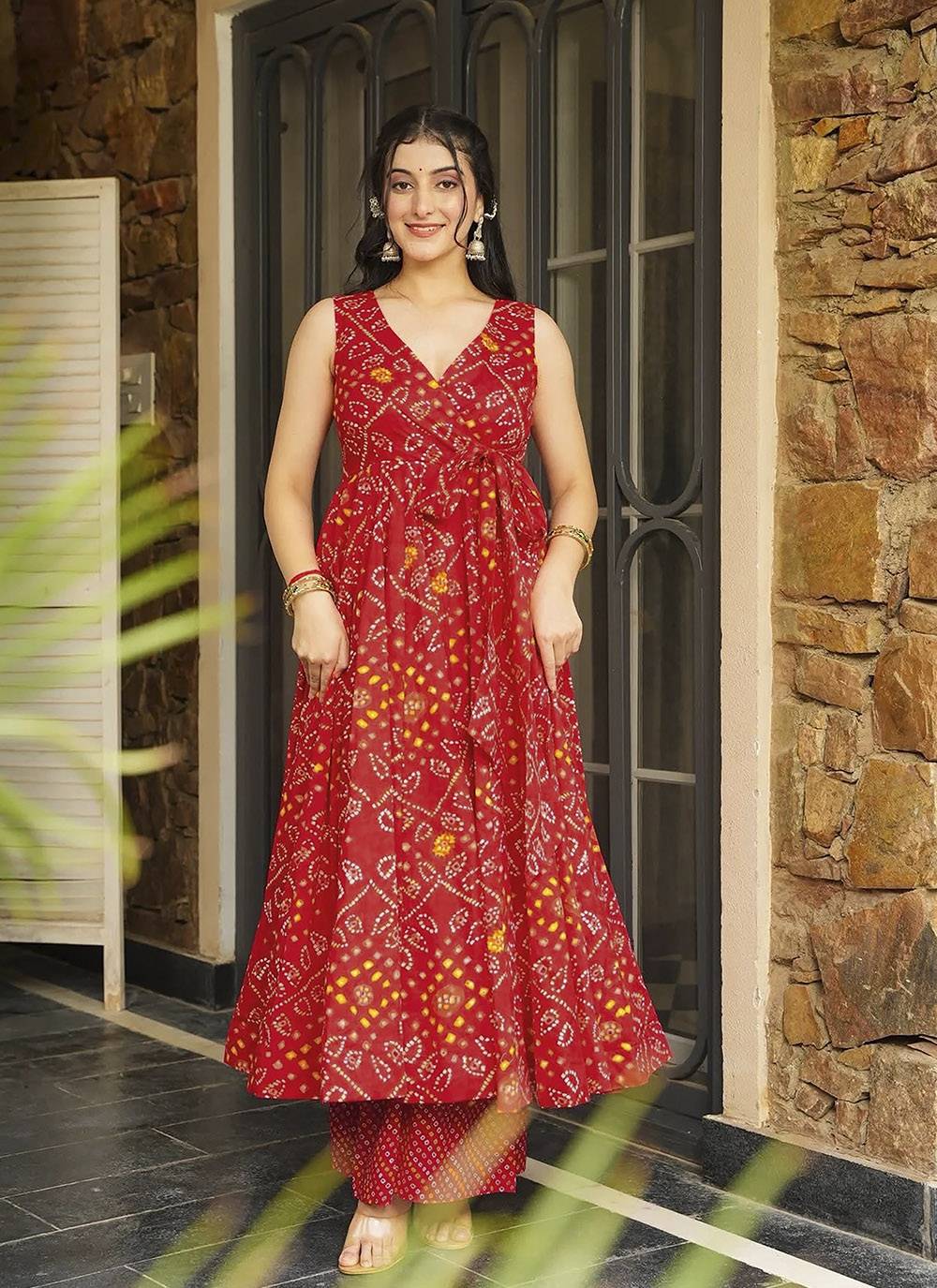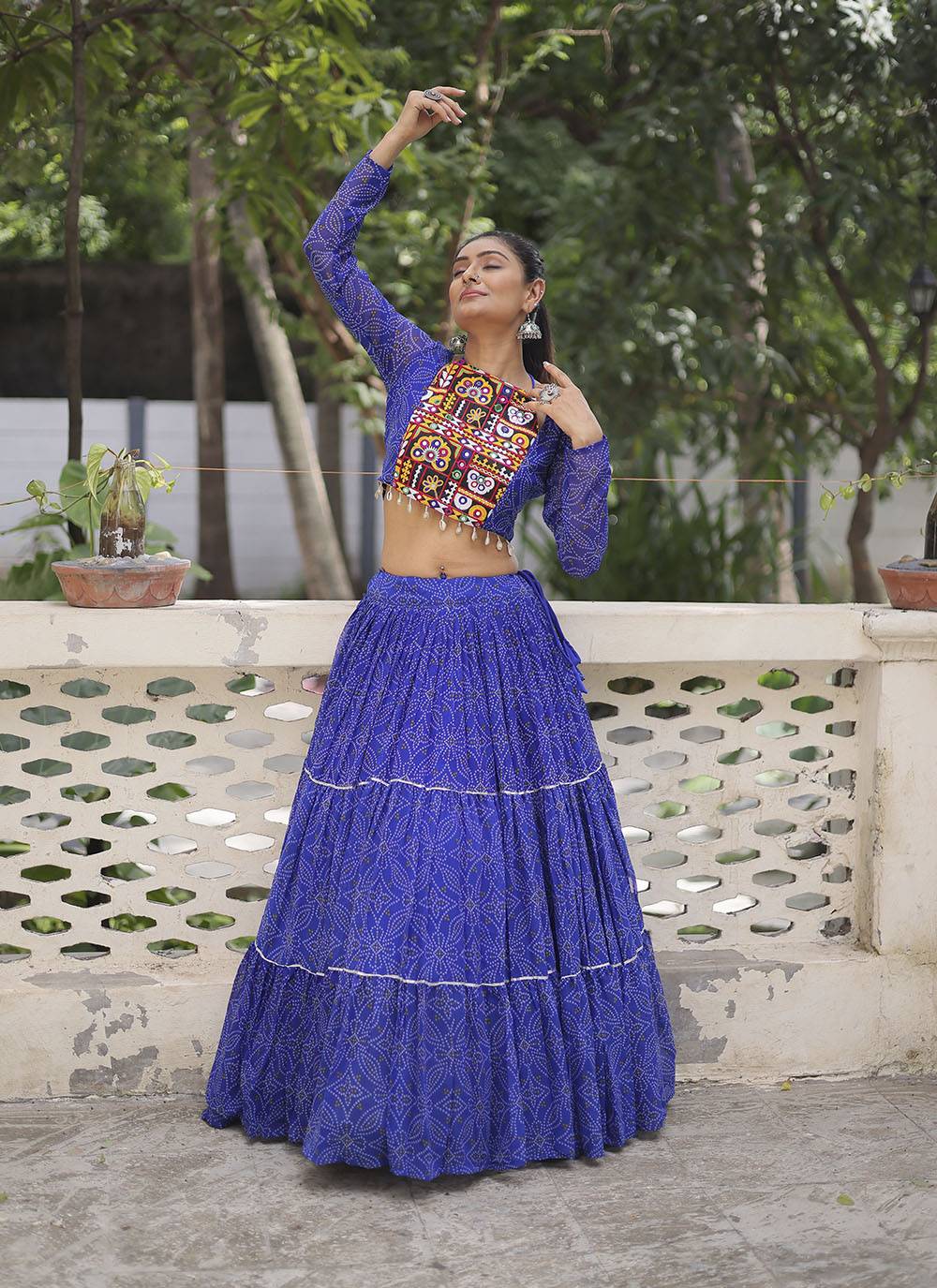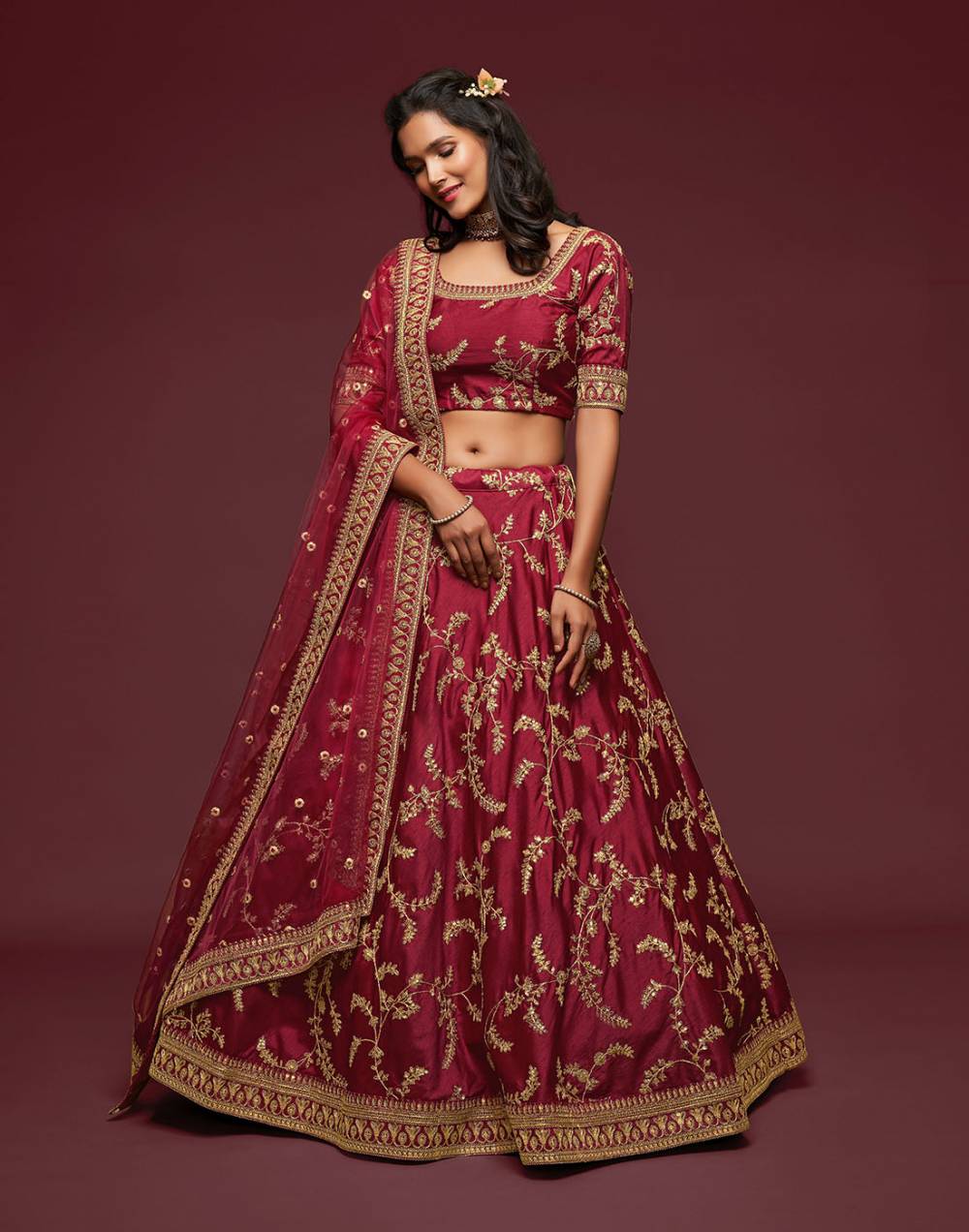
A wholesaler in Mississauga once told us his best decision of the year was talking a first-time buyer out of placing her Diwali order in late August. She went elsewhere, found a supplier holding finished stock, and sold through before the lamps went up on the Golden Mile. In this trade the calendar is the product; the clothes are the easier half.
The Window Opens Before the Festival, Not on It
Diwali is a five-day run rather than a single day. It opens with Dhanteras, the shopping day for gold, utensils and gifting, runs through Kali Chaudas and the main night of lamps, and closes with the Gujarati new year and Bhai Dooj. New clothes are stitched through all five days, which is why the festival anchors the biggest ethnic retail window of the year in India and across the diaspora.
The part new buyers get wrong is where the selling happens. Customers build their festival wardrobe in the two to four weekends before Diwali week; by the time the lamps are lit, the shopping is finished and the clothes are being worn rather than bought. Your shelf date therefore ties to those weekends, and the last useful shelf date sits roughly ten days out from the festival. After that you are selling to stragglers.
Diwali falls between mid-October and mid-November on the lunar calendar, so the exact date moves every year even though the shape of the window barely changes. In 2026 the festival sits in the first half of November, which hands buyers a few extra weeks of air. Resist the urge to breathe into them. The monsoon tail still complicates August sailings, and every buyer in your market is reading the same calendar.
The Backwards Math, Week by Week
Work the chain from your shelf date back to the order, and write every step down, because the errors hide in the joins between steps.
- Full range on display by the first serious selling weekend: early to mid September against an October festival, the last week of September acceptable when Diwali lands in November.
- Customs clearance and inland delivery in your market: one to two weeks.
- Sea leg from Nhava Sheva or Mundra: four to six weeks to the UK or the US East Coast, longer to the West Coast, half that to Jebel Ali.
- Final QC and export packing: one week, and it is the week that protects everything upstream of it.
- Production: three to four weeks for machine-embroidered festive programmes; hand zardozi and heavy bridal construction run six to ten.
Run the chain and the order lock lands in late June or early July for a machine-embroidered programme, and a month earlier when hand work carries the range. We quote that window with one scar of our own: twice in the last decade our late-June orders sailed a week later than promised, and both times the buffer week we had sold the buyer disappeared somewhere between Mundra gate-in and Felixstowe berthing. The buffer week is the most important week in the plan, and we say that as a supplier who has been on the wrong side of it.
One more calendar fact belongs in the maths. September and October production capacity across Surat is consumed by festive and bridal demand at the same time, so a delay at the front of the chain does not merely push your dates. It pushes you into the most congested production window of the year, where everything costs you time.
What Sells in the Diwali Run, Category by Category
Gifting sarees are the workhorse of the window. The tradition of gifting sarees to family, staff and daughters-in-law around Dhanteras and the new year generates enormous volume in the middle of the range, not the top: mid-weight silks, art silks and cotton-silk blends, packed boxed in dozens for clean display and quick gifting. A buyer who stocks only premium silks is looking at the wrong shelf.
Festive kurtis are the volume engine. Office Diwali parties, mela visits and the card nights that run through October in the diaspora all move kurtis and light suit sets. Depth in the middle sizes carries the month, while the embellished statement pieces bring the footfall that sells the rest of the rail.
Kids ethnic is the chronically understocked category. School celebrations and mela photographs put every child in the family into new clothes inside a compressed fortnight, and the larger sizes, ten to fourteen, sell out first because everyone under-buys big kids. When our buyers tell us what they wish they had ordered more of, that rail is the most common answer.
Heavy bridal, by contrast, is not a Diwali category at all. It rides the same autumn container as wedding depth and sells from November into February, so keep it out of your festive sell-through maths and give it its own order discipline. A festive order full of bridal-weight pieces is an order that has not met its customer yet.
Diaspora Diwali Runs on the Same Date
Diwali is fixed to the lunar new-moon night, so Leicester, Southall, New Jersey and Mississauga celebrate the same day as Surat. What differs is the rhythm of the retail. Diaspora customers shop on weekends, which compresses the whole season into perhaps six selling weekends, and the season starts earlier than the Indian one: Leicester switches on the Belgrave Road lights weeks before the date, Southall fills its high street on the same pattern, and the mandirs and mela committees of New Jersey and the Greater Toronto Area print their event dates before anything else on the calendar.
Those switch-on weekends and mela weekends, not the festival date itself, are the anchors your shelf date should be built around. Diaspora retail also finishes earlier than first-time buyers expect. By Diwali week many diaspora shelves are already being reset for whatever comes next, with the final weekend before the festival doing the last burst of business. The assumption that festival week is peak week is the single most common error we see in a first festive order.
The Two-Weeks-After Rule
Anything still on the shelf two weeks after Diwali is clearance. That rule sets your sell-through maths at order time: the true selling window runs from your shelf date to roughly the festival date, and everything beyond the two-week mark competes with your own wedding-season depth on the markdown rail. There is no return-to-vendor in this trade, so plan the exit before you place the order.
Some leftovers have second lives and some do not. A mid-weight silk can be folded into wedding merchandising as small-function wear; a boxed gifting saree can carry into the January corporate-gift lane. A heavily festive print with no crossover has exactly one destination, the clearance rail, and moving it quickly is always the better trade against storing it for a year.
When Diwali lands in November, as it does in 2026, the two-week mark collides with Black Friday and Christmas visual noise in Western markets. Experienced buyers run the markdown inside the first week after the festival rather than waiting for the second, on the logic that festive merchandise displayed beside Christmas decoration reads as leftover rather than as discovery.
Frequently Asked Questions
How far in advance should I order Diwali stock as a wholesaler?
Order lock lands in late June or early July for machine-embroidered festive programmes, and a month earlier when the range carries hand work. That allows three to four weeks of production, a week of QC and packing, four to six weeks at sea from Nhava Sheva or Mundra, and a week or two of clearance and delivery to hit a September shelf date.
What sells best during the Diwali retail window?
Gifting sarees in the middle of the range, festive kurtis in the middle sizes, and kids ethnic in the larger sizes. Heavy bridal sells into the wedding season that follows, so treat it as a separate order with its own calendar and its own sell-through maths.
Is Diwali celebrated on the same date worldwide?
Yes. The festival is fixed to the lunar new-moon night, so Leicester, Southall, New Jersey and Mississauga celebrate the same date as India. What changes overseas is the retail rhythm, which compresses into fewer weekends and starts earlier, anchored to local switch-on events and melas.
When should Diwali markdowns start?
No later than two weeks after the festival, and inside the first week when the festival falls in November. After that point the leftover stock competes with your own wedding-season depth, and in Western markets it also competes with Black Friday and Christmas visual noise.
Can I ship festive stock and wedding depth in the same container?
You should. Ask for prioritised loading with clearly marked cartons so the festive portion comes off the container first at destination, while the wedding depth keeps selling from November into February and can comfortably tolerate the back of the load.
Does a late Diwali change the plan?
A November festival stretches the calendar, but the extra weeks are best spent landing earlier rather than later. August and September sailings still carry monsoon-tail risk, and production capacity tightens into the festive peak, so the buffer belongs at the front of the chain, never at the back.
If you are building this year's Diwali plan, send us your target shelf date on WhatsApp or by email and we will pressure-test it against real production and sailing schedules out of Surat. Serious buyers can have sample sets pulled from the festive ranges that fit their window, swatches included, before committing to a programme.
Sourcing ethnic wear for your business?
Our export team shares catalogues, MOQ and pricing tailored to your market — response within one business day.