A boutique owner in Bradford sold out of her Eid capsule during the last ten nights of Ramadan, which she described as the best mistake of her year. The sell-out proved the range, and the sizes that vanished first proved the planning gap. By Chaand Raat she was selling display pieces straight off the mannequin, and she has never let it happen again.
The Lunar Drift That Wrecks Copied Calendars
Eid al-Fitr follows Ramadan on a lunar calendar, so it arrives roughly eleven days earlier each Gregorian year and travels through every season over a cycle of about thirty-three years. The practical damage lands on anyone who plans by copying last year's dates: a spreadsheet built two seasons ago is already more than three weeks stale, and the production windows it implies have shifted with it.
There is a second calendar wrinkle that catches even experienced buyers. Some communities follow local moon sighting while others follow astronomical calculation or a Saudi announcement, which means your customers may celebrate Eid on two consecutive days in the same city. The buying is identical either way; your shelf simply needs to be full before the earlier of the two dates, and in a split year you effectively get two Chaand Raat nights. We have watched London retailers re-plan a whole final week around that one fact.
Design lock happens four to five months before the festival, in whatever month Ramadan happens to be approaching. In a late-March Eid year like 2026, that conversation sits in October and November of the previous year, which sounds absurdly early to first-time buyers and completely normal to anyone who has watched fabric booking close.
The Timeline from Design Lock to Shelf
The chain runs in one direction and does not bend for late decisions.
- Design lock, four to five months out: styles finalised, fabric booked at the mill, dye lots planned, embroidery slots reserved.
- Production and finishing, eight to ten weeks, longer when fronts carry hand embellishment.
- Sailing from Nhava Sheva or Mundra with enough margin to clear customs before Ramadan begins, not during it.
- Shelf fully displayed on the first day of Ramadan, with the Chaand Raat week stocked deep in advance because nothing can be topped up by then.
The rigidity exists because Ramadan-week logistics are bad and Ramadan-week communication is worse, a point we will make honestly in a moment. Buying builds through the whole month, concentrates in the last ten nights, and then detonates on Chaand Raat itself, when stores in South Asian and Muslim neighbourhoods stay open past midnight and move a startling share of the season in six hours. If the capsule is not on the floor by day one of Ramadan, you are already late for a month that has not started yet.
What Belongs in an Eid Capsule
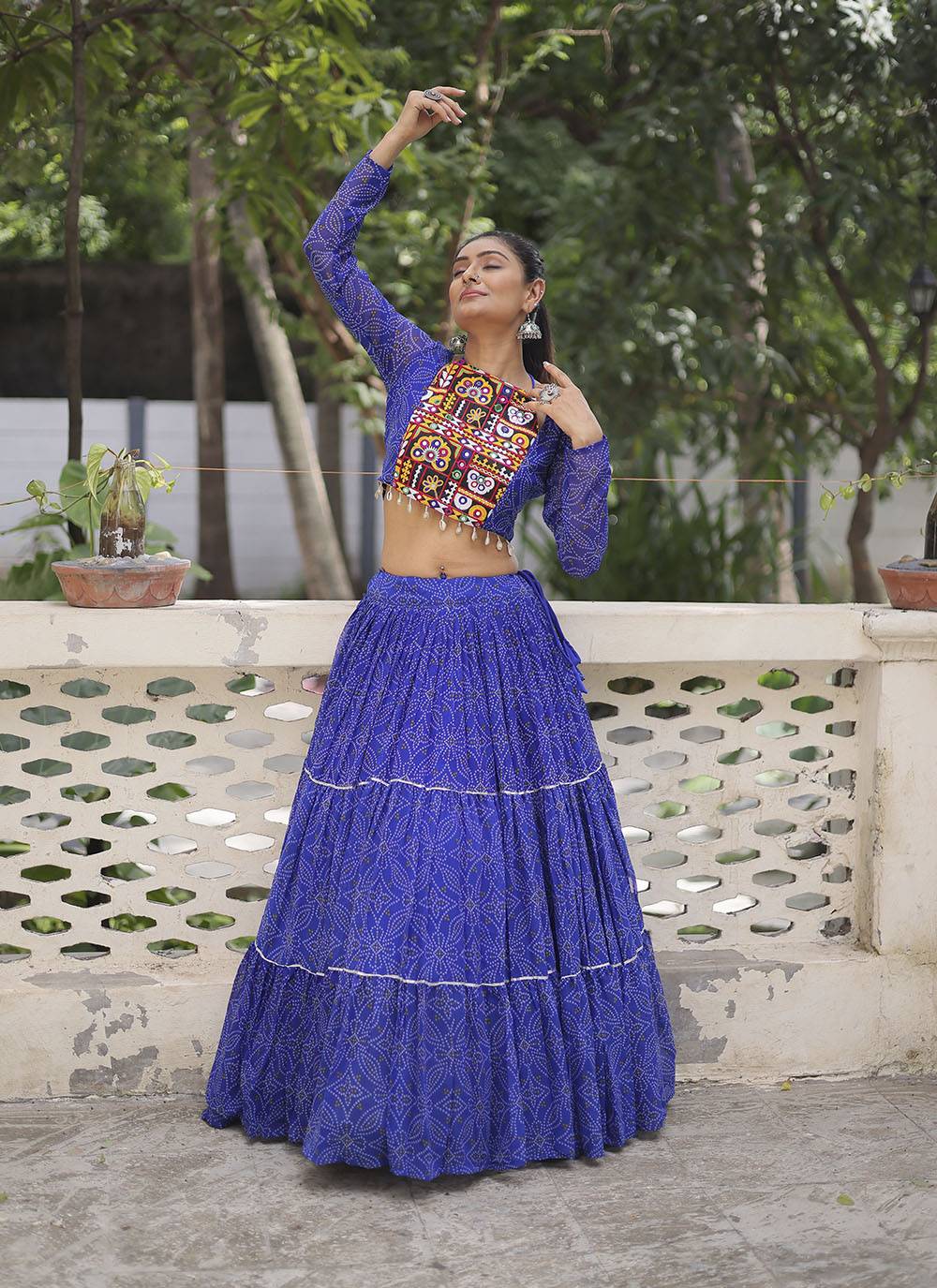
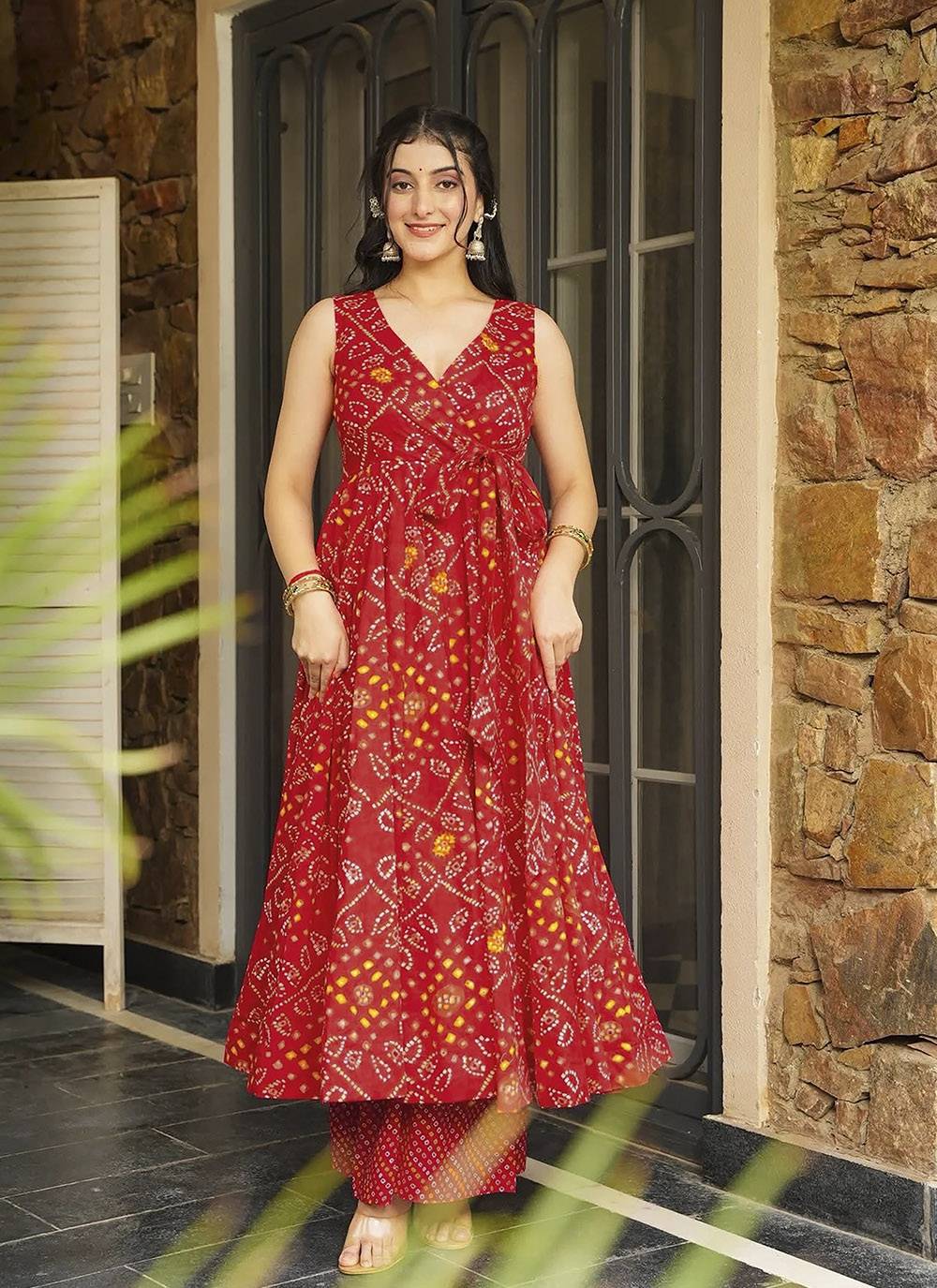
The core of the capsule is the three-piece: shirt, trouser and dupatta, embroidered fronts on lawn or a mid-weight woven. Around it sit the two-piece lawn suit for everyday Ramadan wear, ready-to-wear kurti sets for the final-week rush when nobody has time for tailoring, abaya-adjacent categories such as open abayas, kaftans and hijab-friendly fabrics for Gulf and UK customers, kids festive for the Eid prayer and family photographs, and men's kurta sets, which move in the last week in volumes that surprise first-time buyers every year.
When Eid lands in the warm months, lawn carries the capsule, and in a year like 2026, with Eid falling in late March, the Eid capsule and the summer lawn season stack onto the same fabric and printing capacity. Plan both together or you will discover the capacity problem twice, once as a buyer and once as a victim.
Structuring a Capsule for a Small Boutique
Structure matters more than size. A workable small boutique capsule runs twelve to eighteen styles: two-thirds core, meaning wearable embellishment in safe colour families with depth in the middle sizes, and one-third statement, meaning the heavier embroidery and the trend colours that bring footfall and photograph well. Taper both ends of the size run and concentrate depth where it actually sells.
Dupattas are the lever most boutiques under-use. They are the lightest inventory commitment to top up, the easiest gift attach at the counter, and the fastest way to refresh a story that is two weeks stale without re-cutting a single suit. A capsule that runs out of dupattas in week three is a capsule that stops selling its own suits.
The Last Ten Nights and the Chaand Raat Spike
Ramadan retail has a shape, and knowing the shape is most of the planning. The first two weeks run steady, working-family trade with a evening tilt once iftar is done. The last ten nights concentrate the Eid spend, because shopping competes with worship for the same evenings and loses until the calendar forces the issue. Then Chaand Raat: bangles, shoes, henna and the final suit, bought at midnight by customers who have left everything to the last possible night.
Tailoring capacity jams hard in that final week, which is why semi-stitched and ready-to-wear sell disproportionately late in the month. The customer who finds her perfect three-piece on night twenty-five cannot get it stitched before Eid anyway, so she either buys the semi-stitched version or walks out. Carry semi-stitched with adjustable finishes for the last stretch, and keep core sizes deep, because that is the week when a missing size simply ends the sale.
One display habit worth stealing from the Bradford boutique in our opening: rotate the statement pieces out of the window after week two and replace them with fresh core. The final ten nights belong to necessity, not aspiration, and the window should say so.
The Ramadan Dead Air, and the Pre-Ramadan Sprint
Now the honest part, because every Eid guide skips it. Our floor keeps Ramadan hours, our buyers keep Ramadan hours, and reply times across this whole trade sag for a month. Approvals that wait until Ramadan get answered slowly, and production questions asked during Ramadan get answered late enough to hurt. We plan around it internally, and we still feel it.
So the professionals run a pre-Ramadan sprint. Every approval, every lab dip, every packing instruction and every artwork gets locked before the month begins, and the first day of Ramadan is treated as a deadline for decisions rather than a start date for them. Top-up decisions get made in the third week of Ramadan at the latest, while a change can still be shipped. Your capsule will be better for it, and your supplier's answers will arrive while they can still change something.
Frequently Asked Questions
How early should I plan my Eid collection?
Design lock happens four to five months before the festival, with goods landed and displayed before Ramadan begins. For a late-March Eid like 2026, that means locking designs around October and November of the previous year and landing by mid February.
Why does Eid move earlier every year?
The Islamic calendar is lunar and about eleven days shorter than the solar year, so Eid drifts roughly eleven days earlier each Gregorian year and cycles through the seasons over about thirty-three years. Never copy last year's calendar onto this year's plan.
What sells best in the last week before Eid?
Ready-to-wear and semi-stitched suits, core sizes in proven styles, men's kurtas, kids festive and dupattas. Tailoring capacity jams in the final stretch, so anything the customer can wear without a tailor converts best, and a missing core size ends the sale outright.
How many styles should a small boutique Eid capsule carry?
Think structure before size: twelve to eighteen styles, roughly two-thirds core and one-third statement, with depth concentrated in middle sizes and dupattas held as the top-up lever. Breadth beyond that usually thins the sizes that actually sell.
Should I plan around one Eid date or two?
Check whether your community follows local moon sighting or a Saudi announcement, because in some cities Eid falls on two consecutive days. Stock to the earlier date, staff both Chaand Raat nights, and treat the second day as a bonus day of trade.
What about Eid al-Adha?
Adha, roughly ten weeks after Fitr, is the quieter clothing window. A small capsule of fresh core styles works well, but the full Fitr-sized effort is rarely justified unless your own market has told you otherwise.
Planning an Eid capsule and want the timeline checked against real production and sailing schedules? Message us on WhatsApp or by email with your target Ramadan start week. Serious buyers can have swatch sets and sample pieces pulled from the ranges that fit their window before anything is committed.
Sourcing ethnic wear for your business?
Our export team shares catalogues, MOQ and pricing tailored to your market — response within one business day.