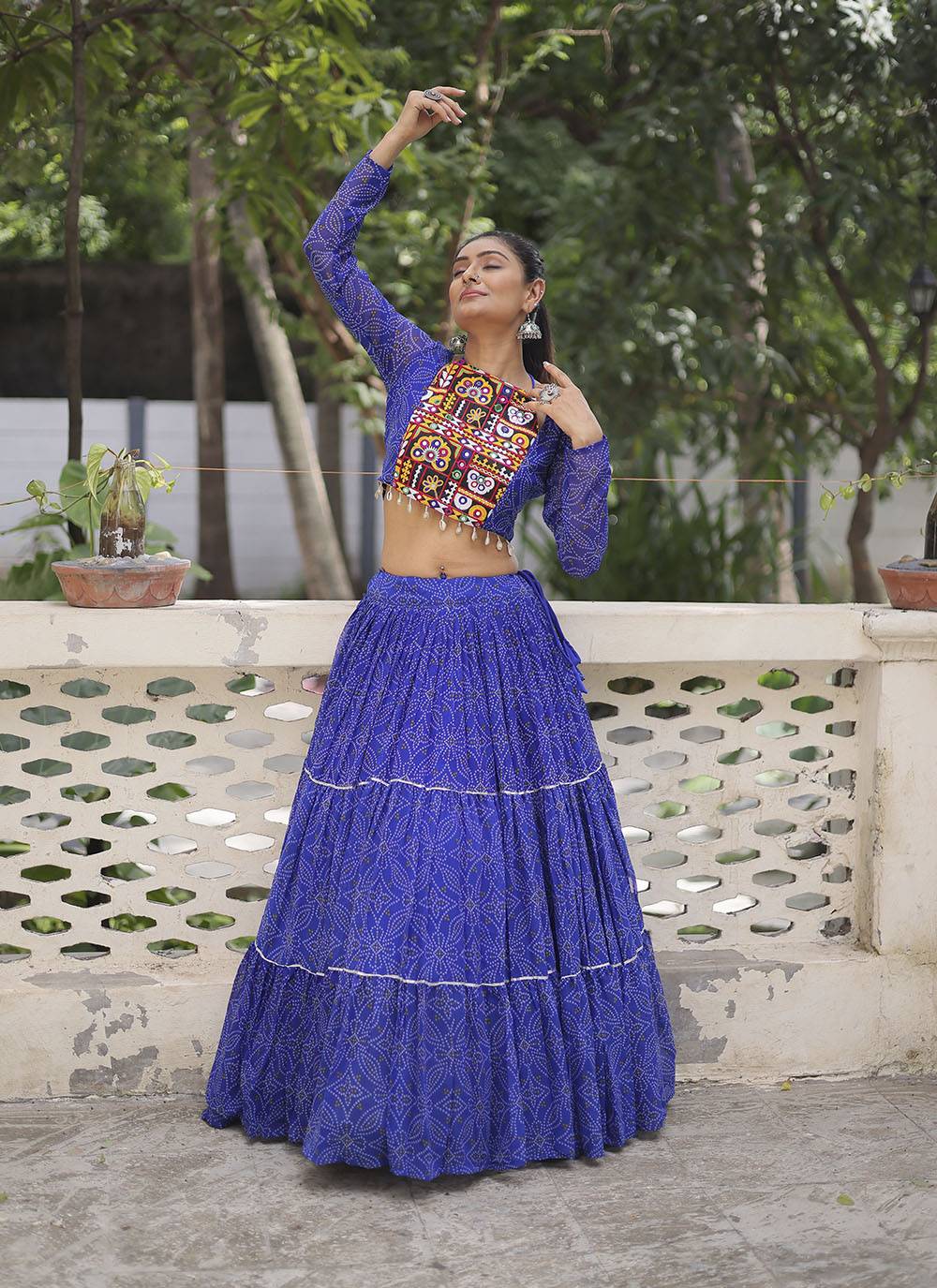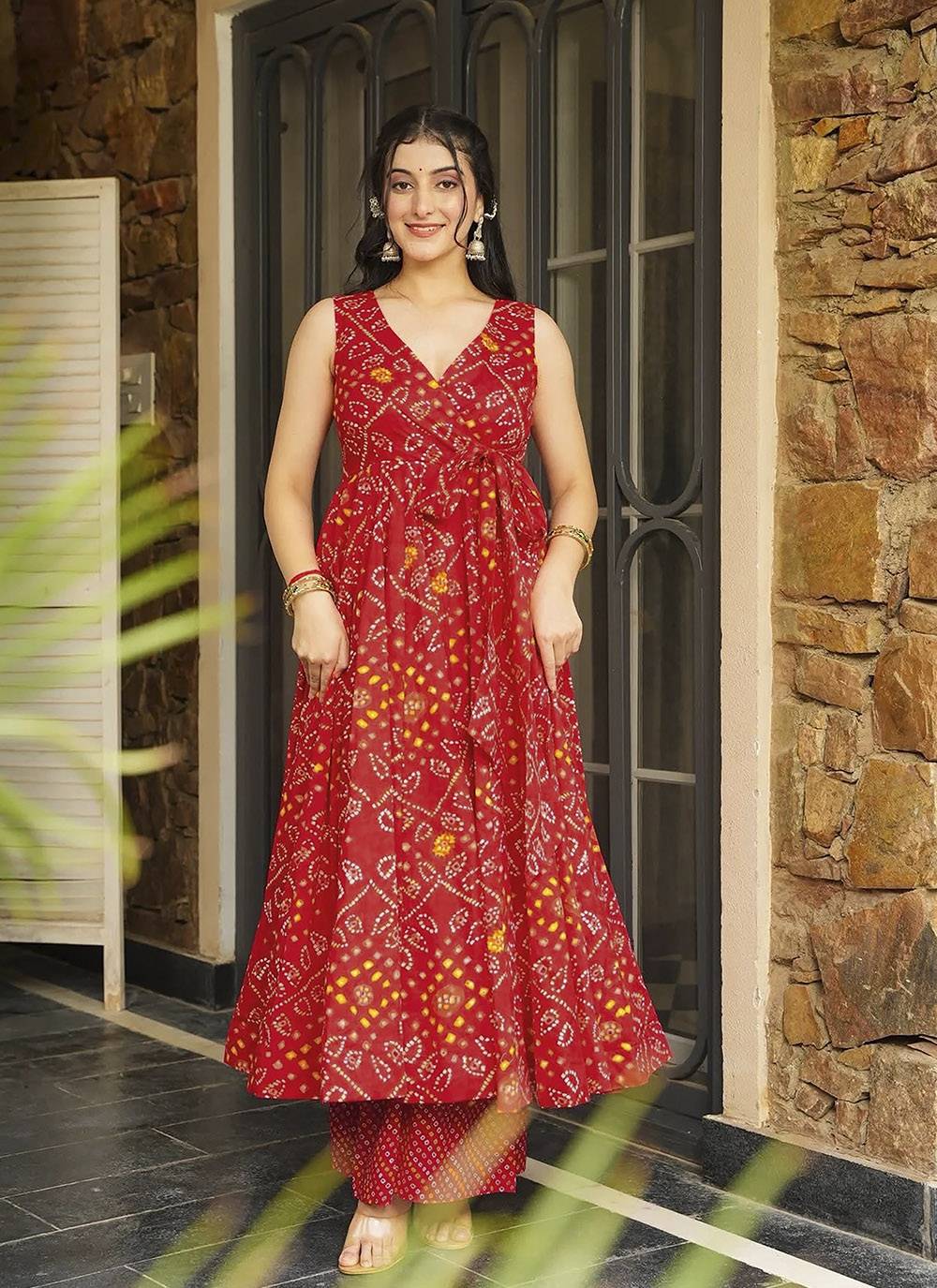
A buyer in Manchester built her Diwali palette from a mood board she assembled online, sold almost none of it, and called us in the second week of October. The palette was beautiful. It was also two seasons old, and her customers had worn it two Diwalis back while the mills had already moved on. She now asks one question before every order, and it has nothing to do with any feed: what is being dyed in bulk this month.
Where a Colour Trend Actually Begins
Colour trends in this trade are not born on runways or feeds. They are born in bulk. A shade has to be dyed into thousands of metres before it can be cut into a season's kurtis and sarees, which means the dyeing houses see next year's retail colour months before anyone posts it. The pipeline runs from bulk dye lots to print grounds and embroidery threads, then into wholesale catalog ranges, then onto diaspora retail, with months of lag at every step.
Surat sits at the front of that pipeline. When the dyeing houses we work with are all running pistachio in the same fortnight, pistachio is a season. When one of them runs it, it is a hunch. The tell for a real trend is the same shade family moving across multiple processors at once, because dyers who never coordinate still end up coordinated by what their big customers are asking for.
The second signal is stronger and less glamorous: what reorders. Newness launches every single day in this trade, but reorders mean real sell-through somewhere. When a buyer asks us what to stock for the next season, the first thing we pull is the reorder sheet, not the new catalogue.
Our Reading for the 2026-27 Season
Read this as a floor reading, not a prophecy. What we see running in bulk and reordering consistently suggests the following shape for the coming festive cycle.
- Wine and berry tones are holding their ground as winter festive anchors, and deep maroon is building back toward bridal ground after several pastel-led seasons.
- Pistachio and mint are pulling genuine interest for daytime festive wear, the mehendi-and-brunch end of the calendar.
- Dusty rose continues to work as the safe romantic option, the shade that flatters the widest range of skin tones and photographs softly.
- Ivory with gold remains the perennial bridal and reception ground that never actually leaves.
- Rust and terracotta are carrying the autumn festive window in cooler markets.
- Silver-toned zari is regrounding after the gold-heavy years, which quietly changes how every pastel reads.
That last point deserves a line of its own, because it is the one most buyers miss: often the trend is not the colour but the metal paired with it. Silver zari on a pastel ground is a different garment from gold zari on the same pastel, and a buyer who tracks colour families without tracking metalwork ends up right on the shade and wrong on the season.
The Repeat-Order Trap: Dye-Lot Drift
Here is the risk that bites after you get the colour right. When a shade sells and you reorder, the second lot is a new dye lot, and a new dye lot is a new shade, near enough. A reordered maroon can arrive half a shade deeper, and on a wall hung as one colour story the drift reads as defective merchandising even though every piece is individually within tolerance.
Protect yourself at the first order, not at the reorder. Book more fabric than the first cut needs if you expect the style to reorder, because one run means one shade. Ask for a shade band card that fixes the tolerance before dyeing starts, approve a lab dip and keep the physical swatch on file, and place reorders early, while the original lot is recent enough to be reproducible. Once the original lot is months gone, the dyer is matching from a cutting, and cutting-to-lot matching is where drift creeps in.
None of this is exotic. It is a swatch in an envelope and a habit of asking one question at the right time, which is before the dyeing is booked rather than after the goods land.
Buy Colour Stories, Not Single SKUs
The strongest structural advice we can give on festive colour is to stop buying shades and start buying stories. A colour story is four to six shades that merchandise together on a wall: two anchors you can reorder all season, two trend bets bought once in accent depth, and one wildcard that gives the display its personality. The story holds the shelf together because a customer who came in for the pistachio kurti buys the dusty rose dupatta hanging beside it.
Single-colour buys create orphans. A lone teal kurti on a rail of unrelated shades marks down first and hardest, while the same teal inside a story of ivory, wine and dusty rose sells as part of a look. Dupattas and blouses are the lightest way to carry trend colours into an existing story, which is why our buyers' best-performing festive capsules are usually core garments with a fast-rotating cast of accent pieces.
Questions That Get Real Answers
Most colour conversations between buyers and suppliers are mush. These four are not, because each one has a verifiable answer.
What are you dyeing in bulk this month? The answer names shades and volumes, and it tells you where the pipeline is heading. Which families reordered last month? The answer tells you what is selling at retail right now. Which colour did you call wrong last season? Any supplier who answers that one honestly has earned some trust on the other three. What would you buy for your own shop this season? The answer to that question is usually the most candid forecast you will get from anyone in this trade.
We will volunteer our own wrong call, because it is fair: we read maroon as tired two seasons ago and steered several buyers light on it, and then it came back hard as a winter bridal ground and we spent a December apologising into our telephones. The reading recovered. The lesson stayed.
Frequently Asked Questions
How do I predict festive colour trends a season ahead?
Ask what the dyeing cluster is running in bulk now, because bulk dyeing precedes retail colour by months. Then ask what reordered last month, because reorder sheets are the only trend data with money already committed behind them.
What festive colours are trending for 2026-27?
Our floor reading shows wine and berry holding for winter festive, deep maroon building back toward bridal, pistachio and mint pulling interest for daytime festive, dusty rose steady, rust and terracotta in autumn markets, and silver-toned zari regrounding after the gold years.
Why does my reorder arrive a slightly different shade?
Because a reorder is a new dye lot, and dye lots drift within tolerance. Book the full season's expected fabric in one run where you can, keep an approved lab-dip swatch on file, and reorder early while the original lot is still reproducible.
How many colours should a festive range carry?
Four to six as a colour story: two reorderable anchors, two trend bets in accent depth, and one wildcard for display personality. Merchandise them on one wall so every shade sells as part of a look rather than as an orphan.
Should I follow Indian trends or my local market's lag?
Both, deliberately. Trends travel from metro to tier-two to diaspora retail over roughly two seasons, so the shades the metros saturated last year are often exactly where your customers are now. Your own reorder history tells you which wave they are on.
What is a shade band card?
A card that fixes the acceptable tolerance around your approved shade before dyeing starts, agreed between buyer and processor. It turns a shade argument into a measurement, and it is the single cheapest protection on colour you can ask for.
Want a floor reading before you lock your next festive palette? Message us on WhatsApp or by email and we will tell you what is actually running in bulk across the Surat cluster this month. Serious buyers can have shade cards and swatch sets pulled from current ranges before committing to a colour story.
Sourcing ethnic wear for your business?
Our export team shares catalogues, MOQ and pricing tailored to your market — response within one business day.