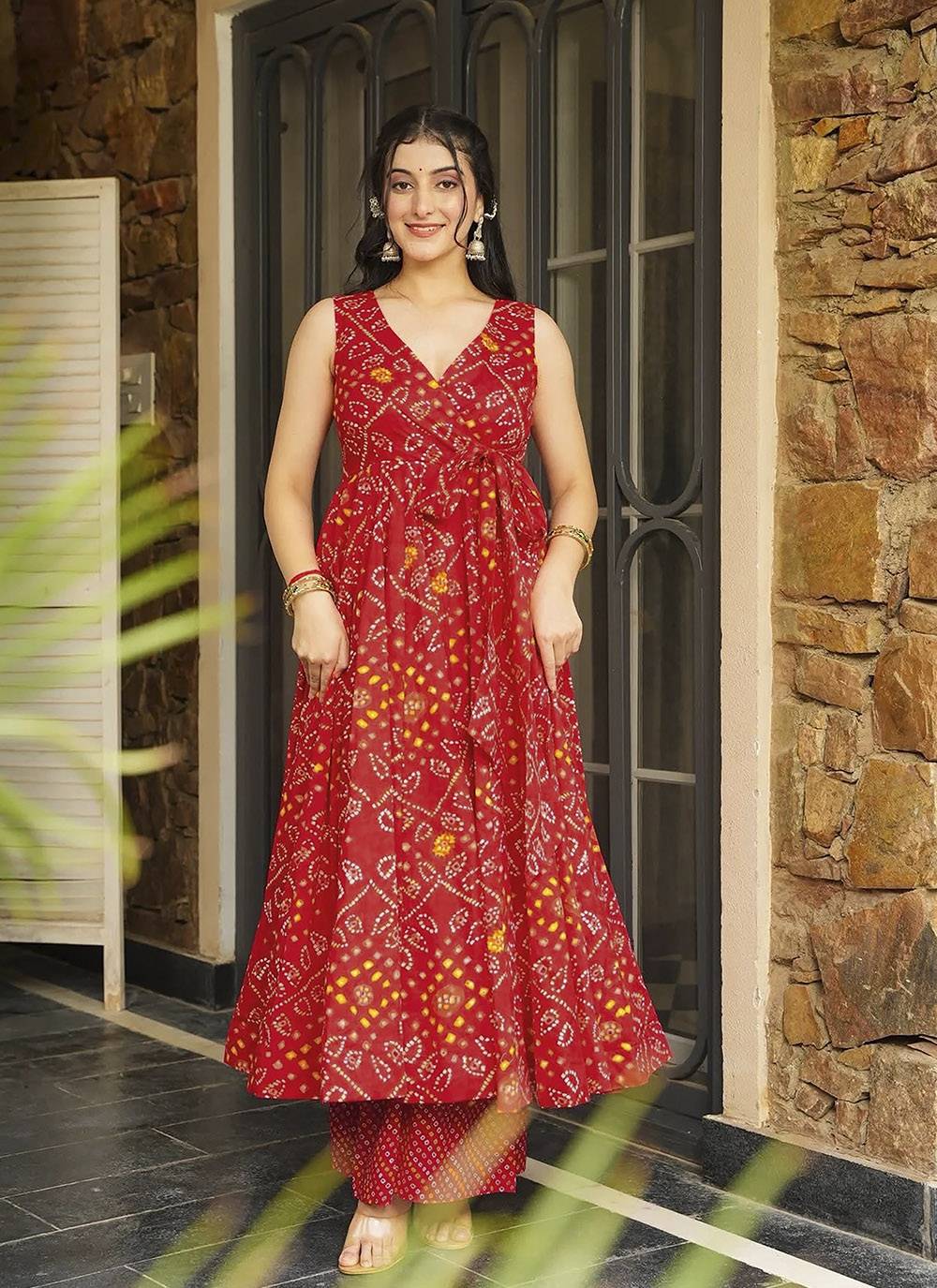
Navratri Inventory Planning — Nine Nights That Move a Whole Year of Garba Wear
A garba association in New Jersey places its order every July without fail, earlier than almost any other buyer we serve. Their event nights are booked before the community calendar even prints, and our production slot for their colour-coded troupe sets is decided five months before the first dholi clears customs. The discipline used to surprise us. It no longer does, because Navratri is the least forgiving window on the calendar.
Why a Whole Quarter Hangs on Nine Nights
Navratri runs nine nights in September or October, and for the Gujarati community it is the biggest wardrobe event of the year. The demand for garba wear, chaniya choli for women and kediyu for men, compresses an entire year's category into roughly six retail weeks: the two to four weeks before the festival, plus the nights themselves, when dancers replace outfits mid-week after the first ones are danced into the ground.
The unforgiving part is that the category has no second life. A chaniya choli that misses Navratri does not sell at Diwali and does not sell at weddings, because the silhouette, the mirrorwork and the flare all read as garba-specific to any customer who knows the difference, and the ones who do not know the difference are not the ones buying it. For a wholesaler serving Gujarati communities in the US, UK or East Africa, the July-to-September quarter lives or dies on depth decisions made back in April and May.
How to plan a winter velvet and brocade programme without ending the season holding the heaviest dead stock in the building. Covers GSM weight bands, the three-month demand concentration, the weight-versus-cube container problem, and why Gulf buyers keep velvet alive all year.
A planning guide for the nine nights of Navratri, the category whose entire year compresses into six retail weeks. Covers the cotton-versus-net buying split, diaspora association orders that arrive in July, and the depth decisions that cannot be corrected mid-window.
Ajmera Export 23 May 20267 min read
So the planning posture is unusual: this is the one category where the question is never whether to order, but how deep, because under-ordering a strong garba market costs you the same season that over-ordering does.
Cotton for Dancing, Net for the Photos
There are two customers inside every garba order, and they want different fabric.
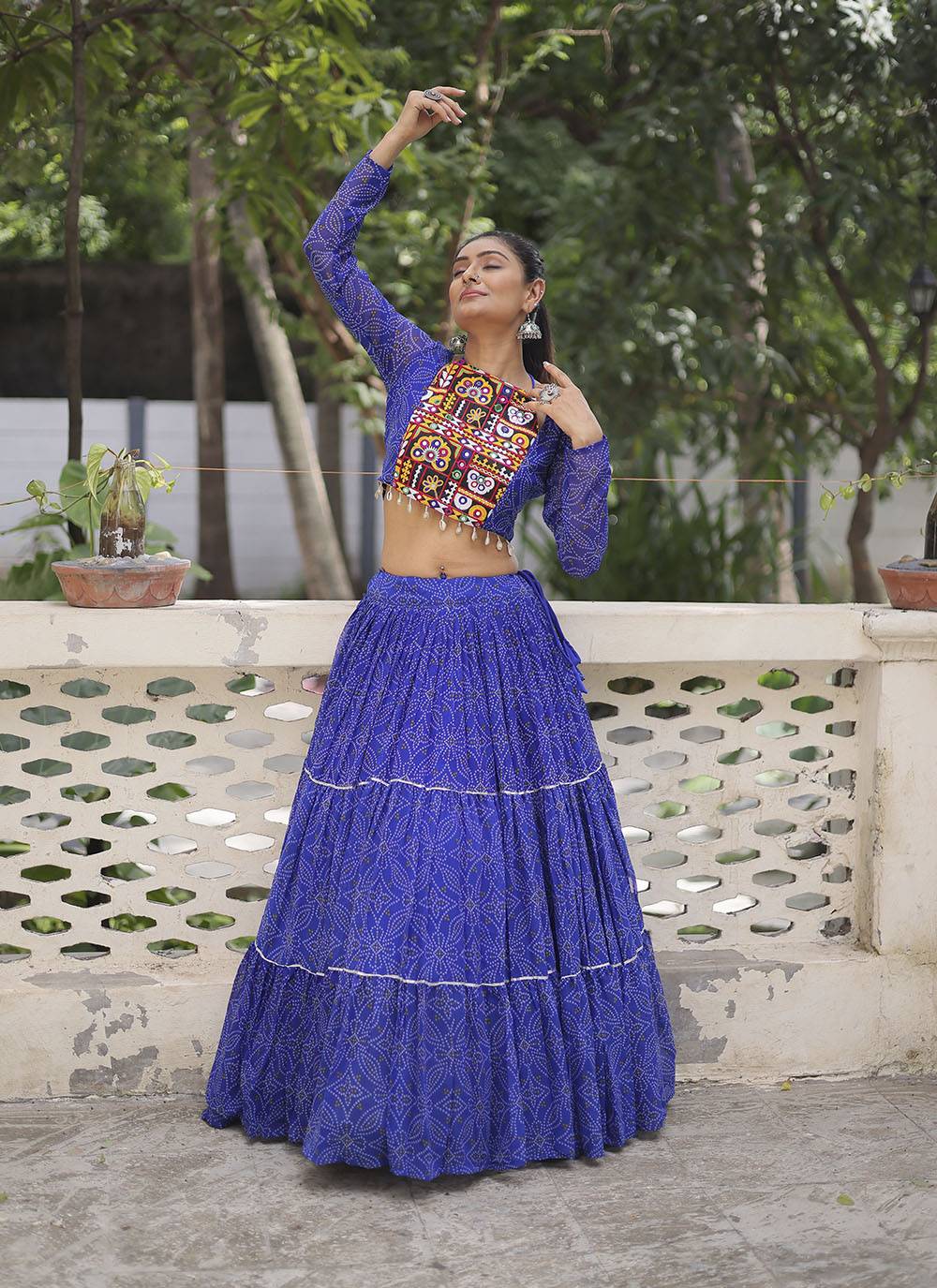
The dancer wants cotton. Garba is hours of circular movement in a crowd, in the tail end of the Gujarat heat, and a cotton chaniya choli breathes, absorbs sweat, survives washing between nights and holds its shape through three hours of the same step. The construction matters as much as the cloth: kalis, the panelled tiers of the skirt, give the flare that makes the spin photograph well, and a drawstring waist with tie-backs absorbs two sizes of body change across a season of dancing. Dancers who perform multiple nights often replace their outfit entirely mid-week, which is quiet repeat volume nobody plans for.
The dresser wants net. Net chaniya choli with heavy mirror and gota work is display wear, one-night wear for the customer whose festival is a photograph and a dinner, and it carries the visual richness that fills a window and a catalogue shot. It should never be judged by dance standards, and the dancer's cotton should never be judged by display standards, but buyers mix the two all the time and then blame the fabric.
The buying split follows your market's behaviour. Communities that actually dance, the ones with association nights and practice sessions running in August, want cotton depth. Communities that attend one committee evening and photograph it want display weight. A useful habit from our order book: associations order cotton, boutiques order net, and the wholesalers who serve both keep the split deliberate rather than accidental.
October Heat and the Sizing Reality
Navratri sits at the tail end of the hot season in Gujarat, and early festival nights can still run warm, which is why the traditional costume layers work in cotton and punish synthetics. A heavy synthetic skirt in a packed garba ground is a garment the customer remembers for the wrong reasons, and she remembers the shop that sold it to her too.
Sizing runs by movement logic rather than display logic. Garba wear is worn for athletics, so customers size up, not down, and adjustable construction outsells rigid tailoring every season. Teen sizes deserve special attention: a thirteen-year-old garba dancer is a new customer every single year, and the community's size curve moves through the age bands faster than any boutique buyer expects. The sizes that run out first are never the extremes; they are the middle bands of young women and the older kids, which is exactly where depth should have gone.
The Top-Up That Cannot Happen
Now the hard logistics truth, and the reason July exists. By the time a mid-window sell-out is confirmed, a top-up order cannot be produced, QC'd and landed inside the nine nights. Air freight shrinks the flying, not the making, and production of a chaniya choli programme is weeks, not days. By Navratri's second week, the stitching units are already loading Diwali festive work.
So the depth conversation in April and May is the entire season. There is no correction window, no reorder, no rescue. The professional posture is to buy display pieces light, since their season is one weekend, and core cotton depth true, since their season runs the whole window and into the nights themselves.
We carry our own version of this lesson. Years ago we air-freighted a garba top-up to Chicago for an association whose middle sizes had sold out on night four, and the customs exam queue held the cartons long enough that they landed after Vijayadashami. The goods sold the following year at a markdown, and we tell that story to every buyer who asks about mid-window top-ups now, because the honest answer is that the answer is no.
Diaspora Garba Runs on July Orders
The association calendar drives the export trade's garba window. Community organisations in New Jersey, Chicago, London and Leicester book performance wear in July, sometimes June: colour-coded troupe sets by committee or by night, roster lists with sizes attached, one delivery, no reorders. That order is the most disciplined buy on our floor every year, because the associations know their event dates before anything else in the community calendar is fixed.
Boutique retail rides behind it. Diaspora garba concentrates into Friday and Saturday nights over two to three weekends bracketing the nine nights, so the retail window is weekend-shaped like Diwali's, and stock depth per weekend matters more than novelty per day. The goods need to land by mid August, which drags the whole chain, order lock in April or May, sailing by early July, into the same container logic as the autumn festive programme.
The container trick that experienced buyers use: garba cartons and Diwali festive cartons share one vessel, with the garba portion marked for priority off-load at destination, because the garba window closes three weeks before Diwali's does. One sailing, two deadlines, and the marking tape decides which deadline is missed.
Frequently Asked Questions
When should I order Navratri stock?
Order lock lands in April or May for goods that must land by mid August: sailing by early July from Nhava Sheva or Mundra, production through June. Diaspora associations place in June and July, and boutique buyers who wait past July are choosing from what already exists rather than what their market needs.
What fabric is best for garba chaniya choli?
Cotton for dancing: breathable, washable between nights, panelled for flare, with adjustable waist construction. Net with mirrorwork is display wear for photos and one-night events. Buy the split by how your market actually behaves during the nine nights.
Can I top up Navratri stock mid-festival if I sell out?
No, and it is worth hearing plainly. Production takes weeks while the festival takes nine nights, and air freight shrinks the flying but not the making. The depth decision made in April is the season; there is no correction window.
Why doesn't garba wear sell after the festival?
Because the garment reads as garba-specific. The silhouette, mirrorwork and flare belong to the nine nights, and customers who know the category will not wear it to Diwali or a wedding. Unsold garba depth is markdown, full stop.
What sizes should I stock deepest for garba season?
Middle bands of young women and older kids, sized up for movement, with adjustable construction. Teen dancers are new customers every year, and the extremes of the size run move slowest, as always.
When do US and UK garba associations place their orders?
June and July, with roster sizes attached, for delivery by mid August. Their event dates are fixed before anything else in the community calendar, which makes the association order the earliest and most disciplined buy of the whole autumn season.
Planning your garba season and unsure how deep to go? Message us on WhatsApp or by email with your market's dance culture, the association nights and the retail weekends, and we will give you an honest read on the cotton-to-net split and the depth maths. Serious buyers can have sample chaniya choli pulled in both fabrics before committing to the programme.
What early orders on our Surat floor are showing for wedding season 2026: pastels holding, zardozi steady, mirror work returning and separates growing. Plus the July-August order lock for November weddings and how boutique and wholesaler buying angles differ.
Tihar is mislabelled as Dashain's smaller sister, but gifting puts different categories on the counter for five intense days. This guide covers what to stock, the compressed reorder window, and how to consolidate Tihar cartons with your Dashain consignment.