A Janakpur buyer we have served for years books his bridal pieces every October, for weddings that will happen after Maghe Sankranti. His Valley counterpart, one winter, ran out of guest-tier sarees in the middle of December while his bridal rails stood untouched and beautiful. Two mistakes on the same calendar. Nepal wedding season wholesale punishes both, because the season is really two businesses wearing one date range.
The Shape of the Nepal Wedding Season
The auspicious-date clusters concentrate Nepali weddings from Mangsir through Falgun, roughly November to February, with the heaviest bookings after the festival chain clears and again after Maghe Sankranti in mid-January. The geography splits three ways. The Madhesh, and Janakpur above all, runs the Mithila wedding market: community-scale events, mornings of tilak and ritual, evenings of reception, families outfitting in depth. The Valley runs reception-driven trade: gowns, lehengas, and the photographer culture around hotel events. The hill districts run practical registers through the same dates, with weddings doubling as the year's main family gatherings.
One adjacent niche deserves a line: Losar in February brings festive trade from the Tibetan communities in Kathmandu and Pokhara, brocades and festive wraps mostly, a boutique-scale window rather than a mass one. Our buyers who serve it treat it as a garnish on the season, not a course.
Bridal and Guest Tier Are Two Different Businesses
The first decision of the season is the split. Bridal stock Nepal programmes are slow-turning, deep-register work: heavy lehengas, embroidered georgettes, silks and velvets, one-piece drama with alteration tolerance built in. The bridal piece sells to one bride, sells slowly, and anchors the counter's reputation. Guest-tier stock, occasion sarees, suits, lighter lehengas and gowns, sells to every attendee of every wedding in the district, turns fast, and quietly pays the rent through the season.
Here is the honest admission we give every first-season buyer: do not overweight bridal. It is the most seductive part of the assortment and the slowest to clear. The counters that end the season well run guest-tier depth with a curated bridal rail, not the reverse. A beautiful bridal display with nothing rotating beside it is a photograph, not a business.
Wedding Lehenga Buying for Nepal Registers
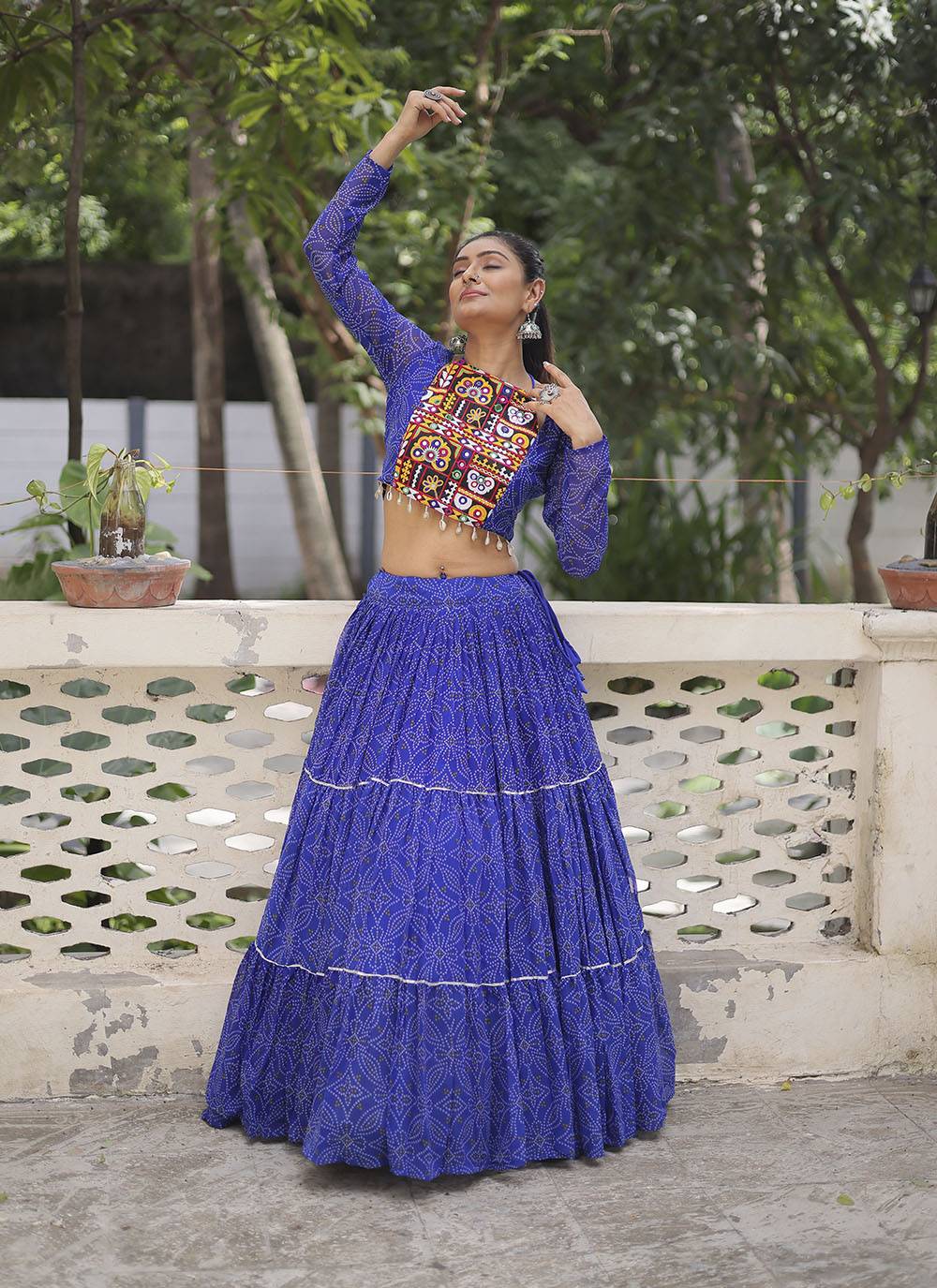
Wedding lehenga Nepal demand splits by the same geography as the calendar. Valley bridal trade leans toward contemporary silhouettes, deeper embroidery, and heavier constructions that photograph under hotel lighting. Madhesh bridal trade carries saree-first traditions with heavy borders alongside the lehenga registers, and the gifting around a Mithila wedding, pieces for the extended family, multiplies the units far beyond the bride herself.
Practical notes from our floor. Winter weight belongs in the Valley programme: velvet, silk blends and heavy georgette carry a Kathmandu December reception, and velvet constructions for bridal run noticeably heavier than two hundred GSM by feel. Terai winters are milder, so medium weights dominate the Madhesh programme. Packing runs bridal pieces individually folded with interleaf, guest-tier dozens to the carton, and the two never mix in the same box.
The Mithila Wedding Market From Janakpur
Janakpur deserves its own paragraph because it behaves like no other market on our Nepal map. Wedding clusters there run at community scale, whole toles outfitting in the same weeks, with the city's own wedding-season congestion becoming a retail event in itself. The morning rituals call for traditional saree registers with heavy borders; the evening receptions pull contemporary pieces; and between them sits the deepest gifting demand of the season, suit pieces and sarees moving by the dozen to extended families on both sides of each marriage.
Our Janakpur buyers therefore run two order tranches a season: bridal and heavy-border saree depth confirmed early, guest-tier volume staged in two or three deliveries across the season as the wedding clusters fire. Itahari and Biratnagar-side counters run a lighter version of the same pattern. The lesson generalises: the further east and south you sit, the more the wedding season behaves like a volume trade with a bridal crown.
Mid-Season Reorder Mechanics for Nepal Wedding Stock
The reorder is where wedding seasons are won. The honest window for a top-up is production of two to six weeks depending on the line, plus the land leg of under a week to the gate and onward. That means a reorder placed after the first December cluster lands in time for the post-Maghe-Sankranti cluster, and not a day later.
The mechanics that make it work are unglamorous. Keep your guest-tier lines as running programmes with the supplier, so a reorder is a dispatch instruction, not a negotiation. Stage assortments in two or three season deliveries instead of one monster consignment in November, which matches cash to turnover and leaves room to read what is actually selling. Approvals by photo on WhatsApp for repeat lines are normal practice on our desk and save a week of courier time. And consolidate: one reorder truck carrying six counters' worth of running lines clears through the same single file at the border that a one-counter truck would.
Planning the Whole Season on One Calendar
For a November-to-February season, the year runs like this.
- September to October: bridal and heavy-border programmes confirmed with the Dashain and Tihar orders; guest-tier lines selected as running programmes.
- November: first guest-tier delivery lands with the season's opening clusters.
- December: read the sell-through, place the first reorder around the mid-month cluster.
- January: post-Magh cluster covered by that reorder; second reorder placed only if the data says so.
- February: season tails into Losar garnish and clearance discipline; bridal carryover counted honestly.
Ajmera Export: Your Trusted Nepal Wedding Season Partner
We are a Surat manufacturer-exporter of bridal lehengas, occasion sarees, gowns, kurtis, salwar suits, mens ethnic wear and fabric by the metre, and wedding season is the spine of our Nepal calendar. Our programmes run in tranches, bridal depth confirmed early with individually folded packing, guest-tier lines held as running programmes so mid-season reorders are dispatch instructions rather than renegotiations. We split Valley winter-weight and Terai medium-weight registers as separate assortments, approve repeat lines by photo on WhatsApp, and consolidate multiple counters' reorders into single border files. Samples reach serious buyers before bulk commits, and pricing is shared on enquiry only.
Why Businesses Choose Ajmera Export
- Running-programme reorders: guest-tier lines held ready so a reorder is a dispatch instruction, not a new negotiation.
- Register discipline: Valley winter weights and Terai medium weights packed as separate assortments.
- Bridal packing care: individually folded, interleafed, alteration-friendly.
Frequently Asked Questions
When does the wedding season run in Nepal?
The auspicious-date clusters concentrate weddings from Mangsir through Falgun, roughly November to February, with heavy booking after the festival chain clears and again after Maghe Sankranti in mid-January. The season overlaps a small Losar window in February for Tibetan-community festive trade in Kathmandu and Pokhara.
What should retailers stock for Nepal's wedding season?
Two trades in one calendar: bridal depth in heavy lehengas, embroidered georgettes, silks and velvets as the anchor, and guest-tier volume in occasion sarees, suits and lighter lehengas as the engine. The counters that end the season well run guest-tier depth with a curated bridal rail, not the other way around.
Where is bridal demand strongest in Nepal?
Janakpur and the wider Madhesh run the deepest bridal and gifting demand, with community-scale Mithila weddings outfitting extended families on both sides of each marriage. The Kathmandu Valley runs reception-driven bridal trade in gowns and lehengas, photographer culture and hotel events setting the register.
What is the Mithila wedding market in Janakpur?
A cluster-driven, community-scale wedding economy: morning tilak rituals calling for traditional heavy-border saree registers, evening receptions pulling contemporary pieces, and the deepest gifting demand of the season in suit pieces and sarees moving by the dozen to extended families on both sides of each marriage.
When should wedding lehengas be ordered from India for Nepal?
Confirm bridal programmes in September and October, together with the Dashain and Tihar orders, so production and dispatch land with the season's opening clusters in November. Guest-tier volume follows in staged deliveries across December and January, matched to the wedding clusters and reorder readings.
Can I reorder wedding stock mid-season from Surat?
Yes, if the lines are set up as running programmes. Guest-tier reorders take two to six weeks of production plus the land leg under a week, so a reorder placed after the early-December cluster lands in time for the post-Maghe Sankranti cluster. Approvals by photo on WhatsApp save a week.
What fabrics work for winter weddings in Kathmandu?
Velvet, silk blends and heavy georgette carry a Valley December reception, with bridal velvet running noticeably heavier than two hundred GSM by feel. Terai winters are milder, so medium-weight constructions dominate the Madhesh programme. Pack the two registers as separate assortments.
Should I stock more bridal or guest-tier pieces?
Guest-tier depth, curated bridal rail. Bridal pieces sell slowly to one bride each and anchor reputation; guest-tier sarees, suits and lighter lehengas sell to every attendee of every wedding and pay the season's bills. First-season buyers consistently overweight bridal, and consistently regret it.
Do Surat bridal lehengas suit Nepali bridal preferences?
For the Valley's reception register, contemporary silhouettes with deeper embroidery photograph well under hotel lighting, and heavy georgette and velvet constructions suit the winter. For Madhesh registers, bridal sarees with heavy borders sit beside the lehengas. Confirm both with samples against your market.
How do I plan a wedding season buying calendar for Nepal?
Work backwards from the clusters: bridal and heavy-border programmes confirmed in September and October with the festival orders, first guest-tier delivery landing in November, a reorder placed around the mid-December cluster to cover post-Magh, and February reserved for tails and honest carryover counting.
Conclusion
The Nepal wedding season rewards buyers who run it as two businesses: a curated, slow bridal rail anchoring the counter, and fast guest-tier depth paying for the whole winter. Confirm bridal early, stage the volume, keep your reorder lines running, and match the fabric weight to the valley you serve. Tell us your market and your mix, and we will build the tranches with named dates. Samples go to serious buyers, pricing is shared on enquiry only, and our desk answers on WhatsApp or through the enquiry form.
Sourcing ethnic wear for your business?
Our export team shares catalogues, MOQ and pricing tailored to your market — response within one business day.