The January order used to puzzle us. A Leicester boutique would resurface in the first week of the new year asking for reception gowns in a hurry, and we treated it as an afterthought month, something between the festive hangover and the wedding season proper. Then we counted the categories that genuinely move in January and stopped treating it like a dead month. It is not a peak, but it is far more buildable than most buyers plan for.
What Actually Moves in January Besides Weddings
The wedding season carries on from November into February, so bridal and heavy occasion wear never stops. What surprises buyers is the layer underneath it.
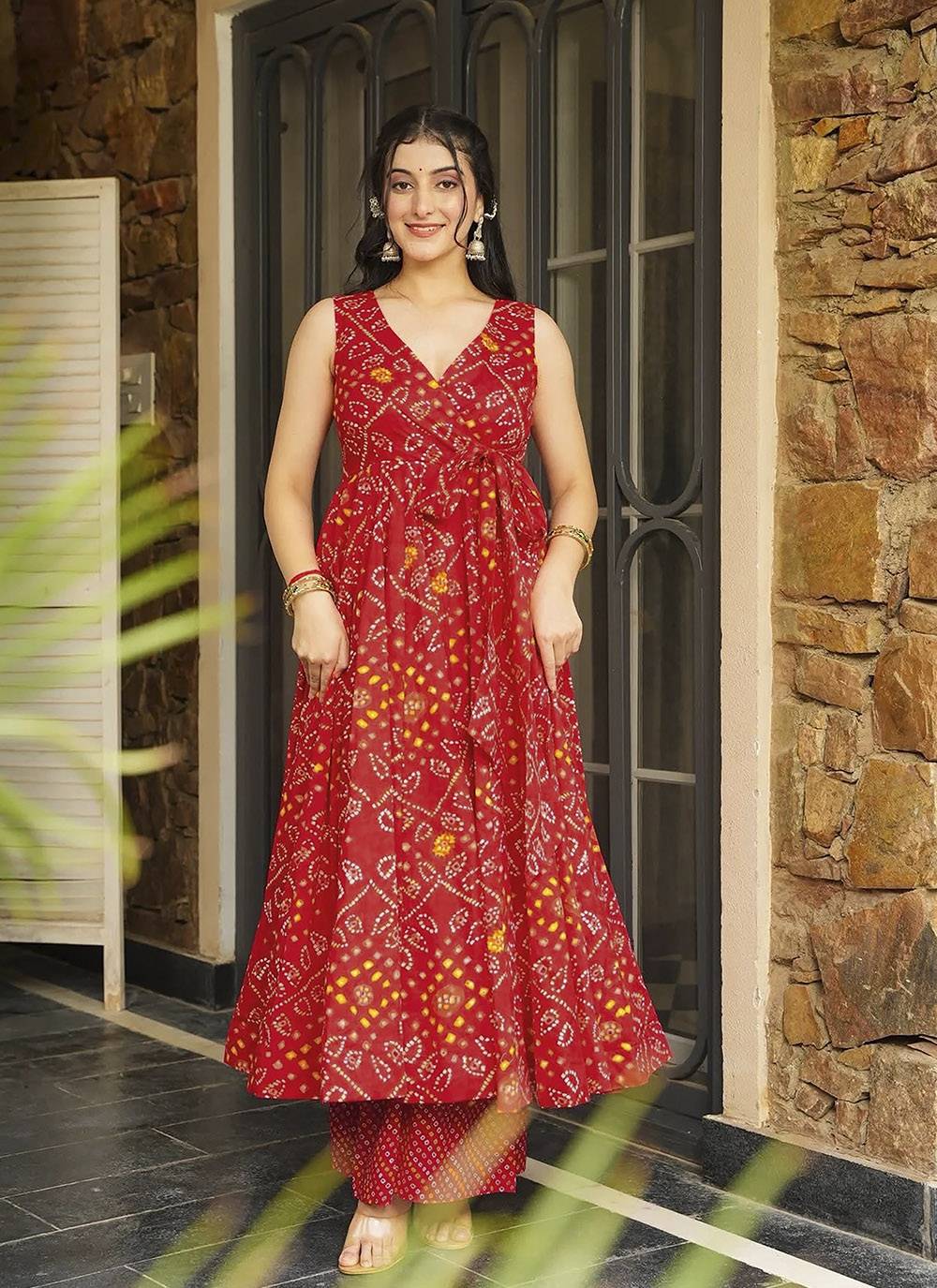
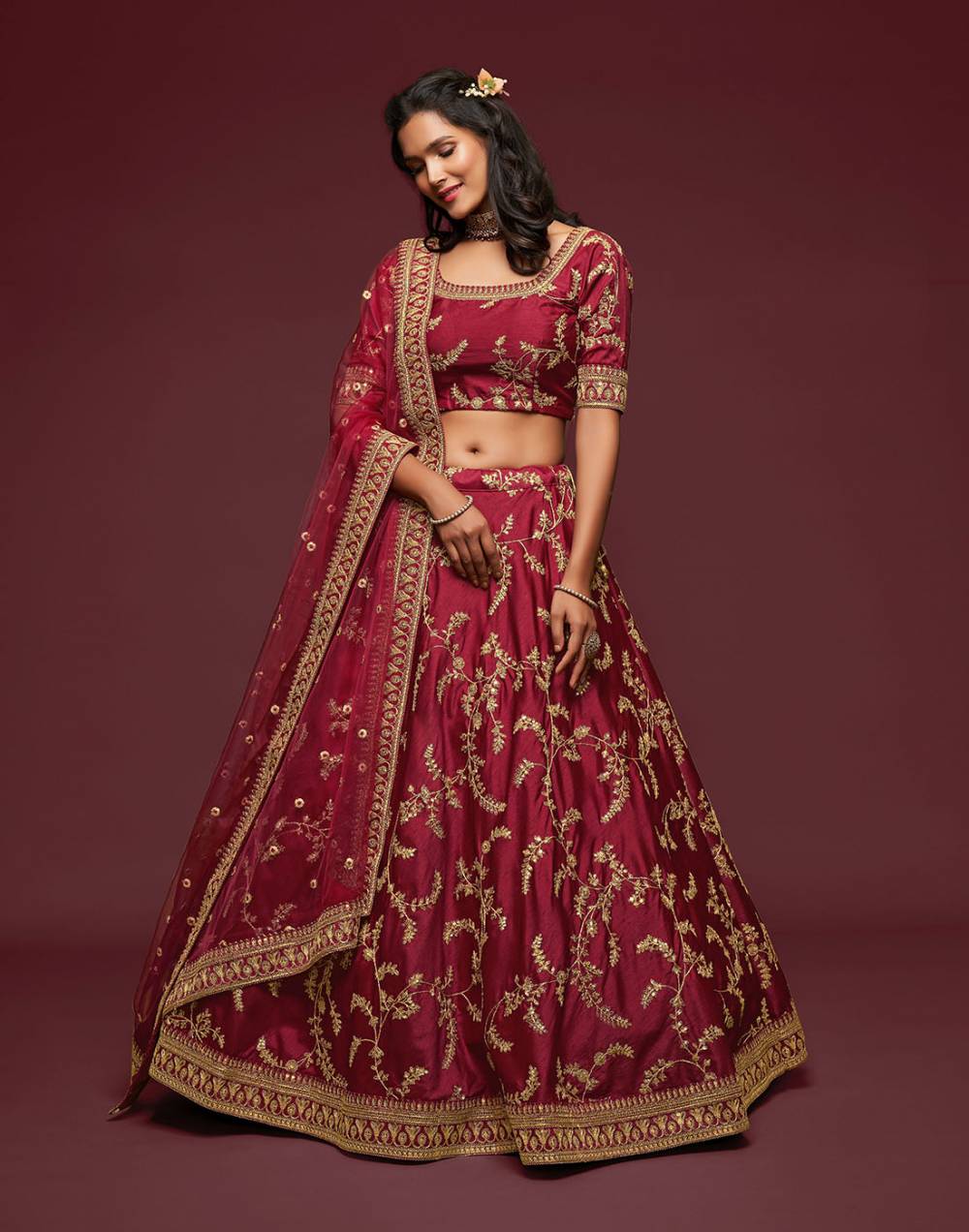
Reception gowns are the biggest January story that nobody plans. The December wedding wave, diaspora couples marry through the Christmas break when families can travel, spawns receptions in January and February, when venues are easier and the couple has recovered. The gown for that reception is bought in January, often in a hurry, and the retailer who has a rail ready wins a sale that the retailer with a bare post-festive floor loses to a competitor or an marketplace listing.
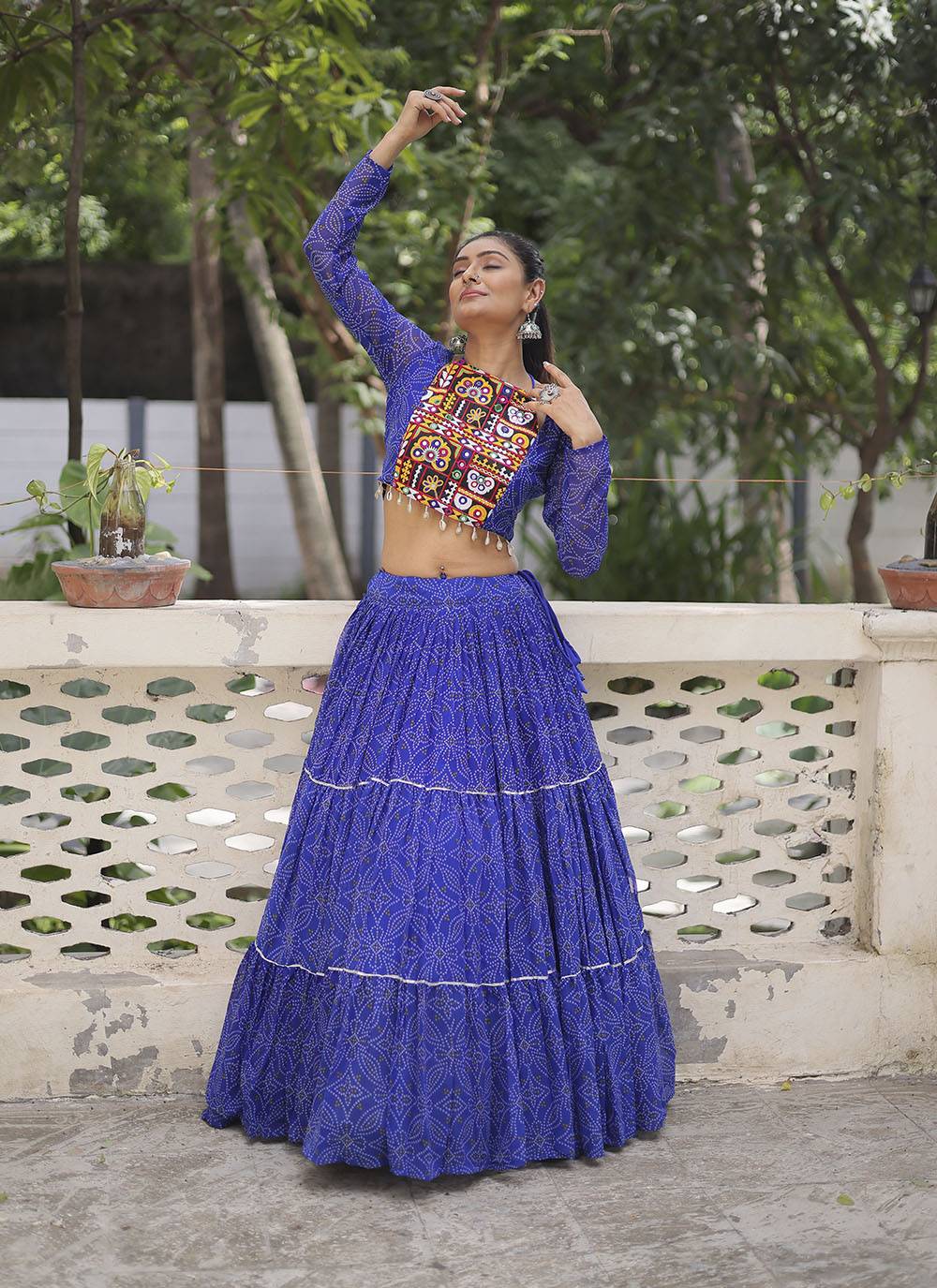
Around it sits the aftermath wardrobe. Post-wedding thank-you events, in-law dinners and the first-year functions of a newly married couple generate demand for small-function wear, the mid-weight sarees and kurti sets too dressy for daily life and too light for a wedding. The bridal party of next season starts its advance shopping in January too, buying the haldi and mehendi pieces early while wallets have recovered from December.
And there is a modest but reliable corporate lane. The ethnic gifting that peaked before Diwali has a quieter second window in the new year: stoles, kurta sets and wellness-adjacent gift sets for budgets that reopened in the first quarter, plus the school annual-function season in India, which runs through the winter and moves kids festive in volume nobody outside the country expects.
The Regional January Map: Lohri, Sankranti, Pongal
January is thick with regional festivals, and a diaspora buyer whose community maps onto them should be stocking micro-capsules while everyone else runs clearance.
Lohri, on the thirteenth of January, is the Punjabi bonfire festival, and it carries a wardrobe code: warm and bright. New woollens, shawls and phulkari-adjacent dupattas sell into it, and the first Lohri of a new bride or a new baby in the family is a gifting occasion with real volume behind it. Punjabi communities in Leicester, London, Toronto and the West Midlands keep the date with bonfires that fill community halls, and those halls are full of people in new clothes.
Makar Sankranti follows on the fourteenth, the kite festival across Gujarat and Maharashtra, and its wardrobe is casual: cotton daywear rather than finery. The detail worth knowing is the Maharashtra tradition of wearing black on Sankranti, which makes black kurtis and black cotton sarees sell in a fortnight that the rest of the country experiences as a bright-colour festival. Regional colour codes are exactly the kind of demand a generic festive plan misses.
Pongal, in Tamil Nadu through mid-January, is the harvest festival with a new-clothes tradition attached: cotton sarees and veshtis for the family, temple-appropriate and worn for four days of cooking, decorating and visiting. Tamil diaspora communities in New Jersey, the Bay Area and Singapore keep the calendar, and the buying is concentrated in the week before the date.
None of these are high-ticket categories. They are steady, community-anchored, and they reward presence rather than depth: a small rail, stocked to the date, sells out cleanly.
Australia Runs the Other Way
While Northern Hemisphere retailers are clearing winter stock, our Australian buyers are in their peak. January in Sydney and Melbourne is high summer, and it carries the community calendar's outdoor events, the Australia Day long weekend, and a wedding season that clusters through the warmer months alongside the auspicious-date weddings of the Indian calendar.
The order maths flips with the hemisphere. For an Australian January shelf, the order locks around August and September of the previous year and sails in October or November, and the fabric mix leans toward georgette, chiffon and lighter nets rather than the velvets and heavy silks the north is buying in the same weeks. An exporter's quiet January is therefore not quiet at all; it is loaded with southern-hemisphere confirmations, and a Northern Hemisphere buyer asking for attention in early January is competing with buyers whose season is live.
Resetting the Range After the Markdowns
The January reset has an internal discipline for the retailer. Post-Diwali markdowns should be cleared to a finish by the middle of the month, because the January customer has an eye for leftover merchandise and no sentiment about buying it, and visual shelf space is worth more than the pretence that the leftover goods are this season's.
That markdown cash is the year's first open-to-buy, and it lands at a useful moment. January in India is when the wholesale floors release post-festive remnants and the new-year catalog lines drop, which makes it one of the better months to be a buyer on the ground or on a call: the floor is hungry for new commitments, the first pick of fresh ranges is genuinely available, and the goods can land for spring events rather than for a season already half over.
The order-lock maths for a January shelf runs backwards as always: order lock in mid October, sailing late November, clearance over the holidays, and landing in the first days of January. It is the tightest standard chain in the calendar because nobody wants goods landing into the Christmas customs backlog, which is exactly why the buyers who plan it deliberately are the ones who get the month.
Our own confession on this theme: for years our desk treated January as a recovery month, answered enquiries slowly after the festive slog, and quietly under-served the month while our buyers built their January relationships elsewhere. The Australians fixed us first, because their peak season made our holiday habits look like exactly what they were. January pays the buyers who take it seriously, and it took us a few seasons to deserve that business ourselves.
Frequently Asked Questions
What ethnic wear sells in January besides wedding stock?
Reception gowns for the December-wedding wave, small-function wear for post-wedding events, kids festive for India's school annual-function season, and regional festival categories around Lohri, Makar Sankranti and Pongal, each stocked in small depth to the date.
What is Lohri and what should retailers stock for it?
The Punjabi bonfire festival on the thirteenth of January, with a warm-and-bright wardrobe code. New woollens, shawls and phulkari-adjacent dupattas sell into it, and the first Lohri of a new bride or baby is a genuine gifting occasion.
What sells for Makar Sankranti and Pongal?
Sankranti is casual kite-season cotton, with the Maharashtra tradition of black kurtis and sarees worth knowing. Pongal, in mid-January, carries a new-clothes tradition in cotton sarees and veshtis, temple-appropriate and bought in the week before the date.
When should I order for Australia's January season?
Lock the order in August or September of the previous year for an October-November sailing, with the fabric mix flipped toward georgette, chiffon and light nets. Their January is peak summer, not post-festive clearance.
Is January a good month to buy fresh stock from India?
Yes. Post-Diwali remnants release onto the wholesale floor, new-year catalog lines drop, and exporters have capacity and attention between the festive and wedding peaks. The goods can land for spring events instead of a dying season.
How do I plan open-to-buy after the festive markdowns?
Clear post-Diwali markdowns to a finish by mid January, convert the recovered cash into the year's first open-to-buy, and direct it at reception gowns, small-function wear and regional festival micro-capsules rather than more of what just marked down.
Want a second opinion on your January plan, from reception gowns to a Sankranti black-cotton rail? Message us on WhatsApp or by email with your community calendar and we will match the categories to it honestly. Serious buyers can have sample sets pulled from the ranges that fit the month.
Sourcing ethnic wear for your business?
Our export team shares catalogues, MOQ and pricing tailored to your market — response within one business day.