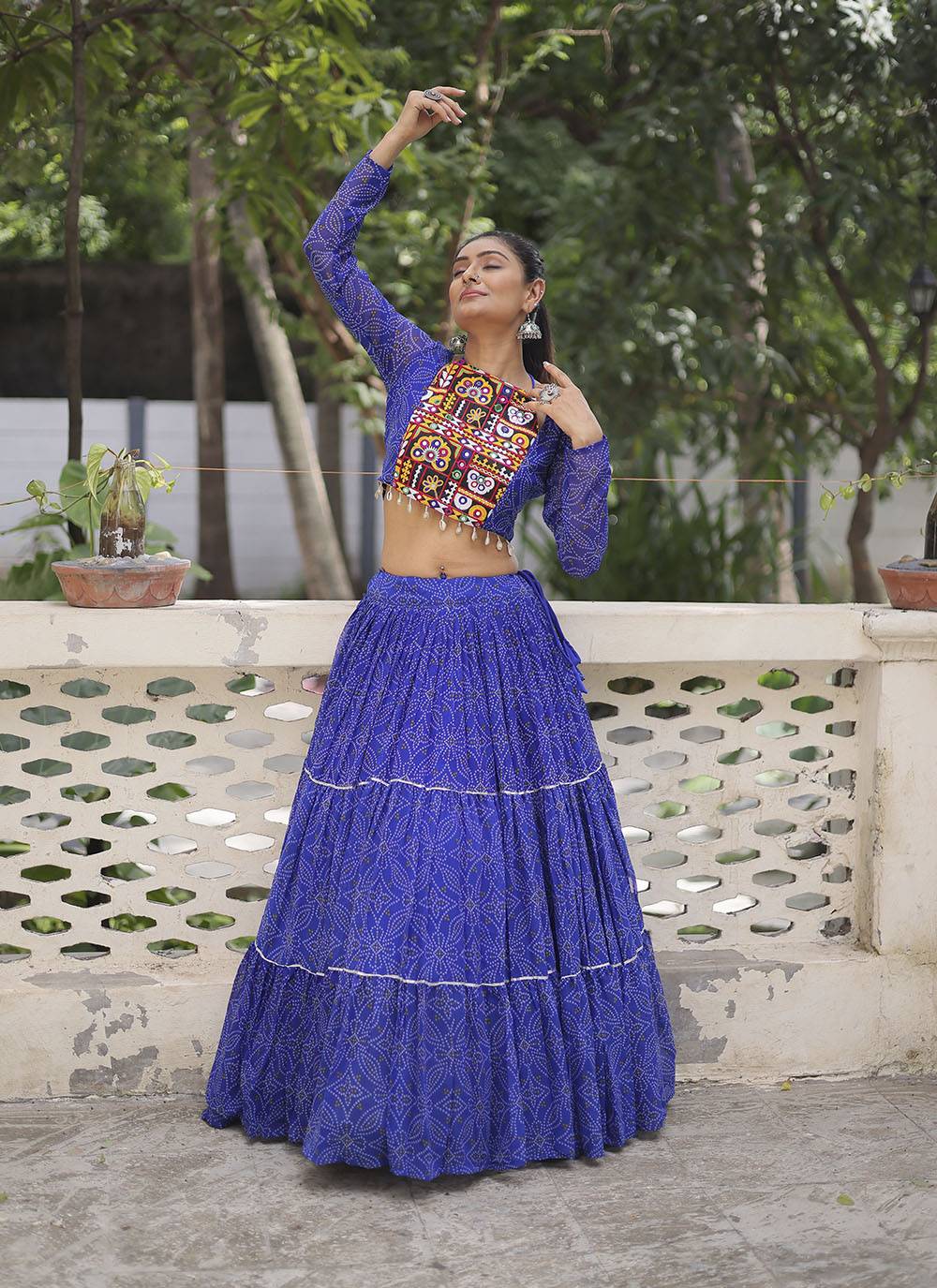
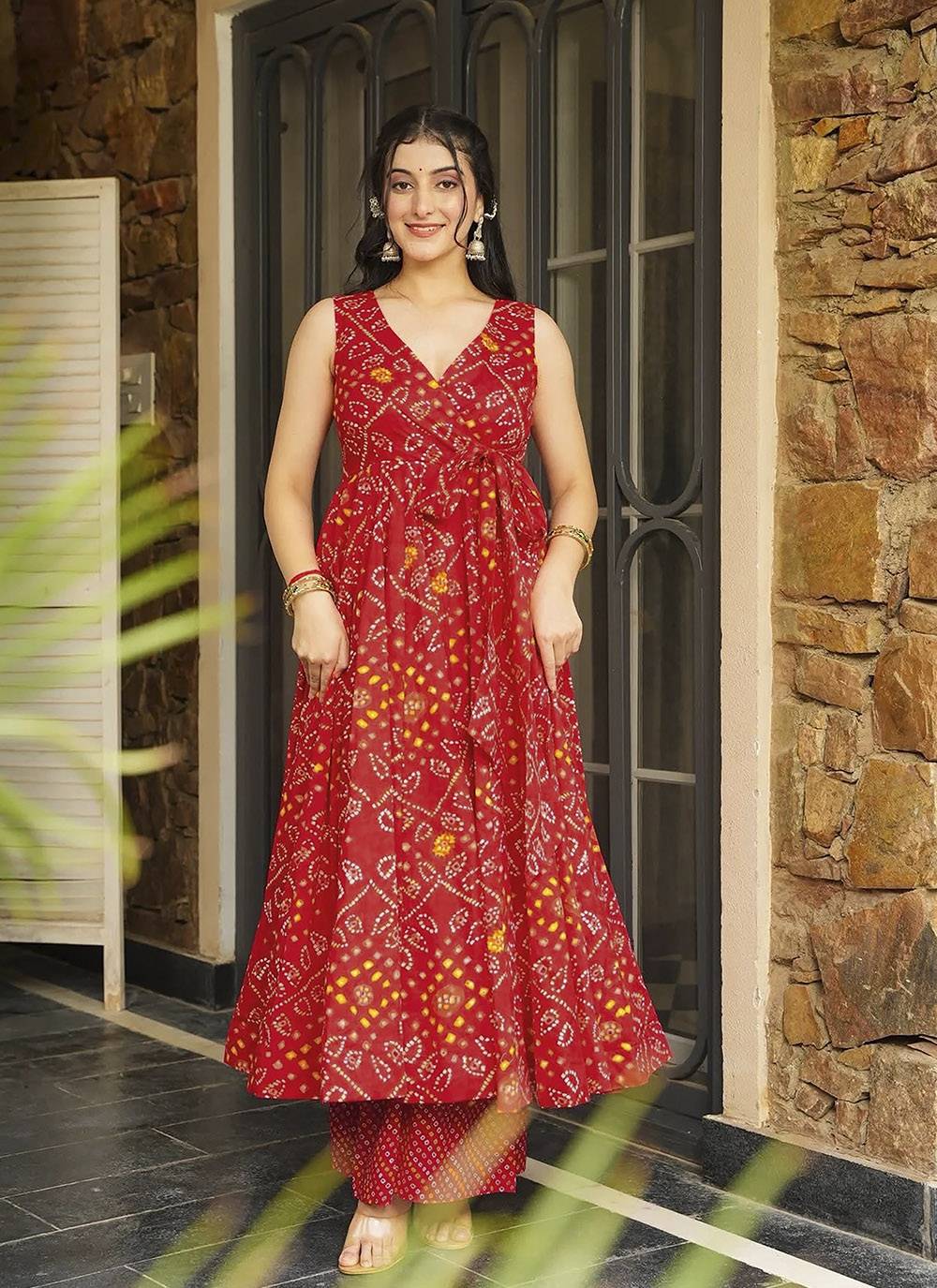
Every Bhadra, the same scene repeats: women in red sarees queuing outside Pashupatinath, swings hung from every sturdy branch, and the markets of the Terai running red from Birgunj to Jaleshwor. A Damak buyer once ordered what he called assorted reds from us in his first season and learned within a week that red is not one order. It is a ladder. Teej saree demand punishes lazy shade planning harder than any festival in the calendar.
What Teej Does to Saree Demand in Nepal
Teej falls in Bhadra, August or September by the Gregorian calendar, when married women fast and gather for the year's most photographed day of women's ethnic wear in Nepal. The new saree is close to obligatory: red and green dominate, sisters match for photographs, and whole cohorts buy inside the same three to four weeks. That compression is what makes the trade unusual. Most festivals spread demand across categories and ages; Teej concentrates it into one cohort, one garment, one narrow window.
For wholesalers and counters, the implication is direct. You are not stocking a range for a season; you are stocking depth in a shade ladder for a fortnight. The buyer who treats Teej festival saree buying like ordinary festive assortment ends the festival with the wrong reds left over and the right ones gone by the second week. We have watched it happen on both sides of the border.
Red Is a Spectrum, Not a Colour
The single most useful thing we can tell a first-time Teej buyer is that Nepali red demand runs from bright vermilion through true reds into oxide, rust and deep maroon, and the ladder varies by market. The Madhesh belt, sharing its wardrobe and its eye with Bihar and eastern UP, leans toward deeper reds and maroons with visible zari borders. The Valley and hill markets pull brighter, lighter reds, and carry a stronger green minority alongside them for the photograph culture around the festival.
A workable red saree wholesale ladder for a mid-sized counter holds several distinct reds rather than many near-identical ones: a bright, a true mid red, an oxide or rust, a deep maroon, and one or two greens in bottle and leaf tones. Depth per shade, width across the ladder. When two counters in the same bazaar carry visibly different red walls, the one with the deliberate ladder sells through; the one with an assorted blob marks down.
Blouse pieces belong in the same sentence. Teej sarees sell complete, and a mismatched or missing blouse piece breaks the purchase as surely as a wrong shade. Our packing attaches matched blouse pieces to every saree carton, and our buyers stage them together on the counter.
Fast-Moving Teej Saree Constructions
Teej sits in the monsoon, and the constructions that move reflect it. Breathability and drape outrank weight and embellishment in Bhadra.
- Faux georgette and chiffon sarees in the lighter zone: the workhorses. Fast draping, festival-photograph friendly, and light enough for August humidity.
- Viscose prints with red and green grounds: the volume layer. Print programmes run fast through Surat's processing cluster and hold shade consistency well across repeat cartons.
- Red and green cottons: the ritual-leaning register, strongest in the Terai, where the fast itself matters most.
- Light embroidery or zari borders: enough finish for the occasion without the weight that drags a monsoon drape.
On our floor, the Teej programme runs print-heavy in viscose and georgette bases with a cotton minority, and that mix has held across every Nepal season we have served. The honest trade-off in this festival is repetition: every counter's red wall looks similar by mid-Bhadra, so the differentiation comes from the shade ladder, the blouse-piece discipline and the service, not from a secret fabric.
Madhesh and the Valley Order Differently
Two carton profiles, two markets. The Madhesh run, serving the Terai towns from Birgunj through Kalaiya, Gaur, Jaleshwor and Lahan, skews saree-dominant with deep reds, maroons and visible borders, and carries a Bihar-shared aesthetic in the prints. The Valley and hill run carries brighter reds, a real green presence, and a spillover into suit and kurti pieces for the gatherings around the fast, because the hill customer rotates more than the Terai customer does.
Teej saree wholesale Nepal programmes should therefore be quoted as two assortments even when they ship as one consignment. The counters are different, the shades are different, and the sell-through timing differs by a week or so between the belts. Mixing them casually is how a Valley carton full of deep maroons happens.
The Teej Order Calendar From Surat
For a Teej landing in late August or September, the programme runs like this.
- June: enquiry and shade-ladder confirmation, samples in hand against your market's register.
- Late June to mid-July: order confirmation. Custom grounds or shade work needs this window; stock-supported prints can follow into late July.
- August: dispatch from Surat, routed by destination gate.
- Mid-Bhadra lead time: stock lands and settles before the festival week, not inside it.
One calendar note that has nothing to do with festivals: Shrawan and Bhadra are monsoon months, and the highways through Bihar and the eastern UP belt can slow or reroute under flooding. The truck buffer that is polite caution elsewhere is mandatory sense in this season. Add the days at the planning stage, not at the panic stage.
What We Tell First-Time Teej Buyers
Three sentences, repeated every year. Buy a ladder of reds, not a blob. Carry the greens as a deliberate minority, not an afterthought. And never let the blouse pieces travel separately from the sarees they belong to. Retailers who follow those three outsell their neighbours in the same bazaar, and the difference is visible in the godown by Vijayadashami, when the Teej leftovers are counted.
Ajmera Export: Your Trusted Teej Saree Partner
We are a Surat manufacturer-exporter of sarees, lehengas, gowns, kurtis, salwar suits and fabric by the metre, with Teej among our most practised programmes of the year. Our print floors hold shade consistency across repeat cartons, our packing attaches matched blouse pieces to every saree, and our merchandising splits Madhesh and Valley assortments as two carton profiles even in one consignment. We confirm shade ladders against samples before bulk runs, dispatch early enough to absorb the monsoon highway buffer, and route by destination gate, Birgunj for the central belt, Jogmani for the east. Samples reach serious buyers before the season commits, and pricing is shared on enquiry only.
Why Businesses Choose Ajmera Export
- Shade-ladder discipline: deliberate reds and greens planned per market, not assorted blobs.
- Print-cluster depth: Surat processing that holds shade consistency across repeat cartons.
- Blouse-piece completeness: every saree packed with its matched blouse piece.
- Market-split assortments: Madhesh and Valley profiles quoted and packed separately.
- One accountable desk: the same team from shade confirmation to yard release.
Frequently Asked Questions
When should I order Teej sarees from India for Nepal?
Order confirmation should land in late June or mid-July for a Teej falling in late August or September. Stock-supported print lines can follow into late July, but custom grounds or shade work need the earlier window. Monsoon highway days belong in the plan as a buffer, not a surprise.
What colour sarees sell most during Teej?
Red and green dominate overwhelmingly, with red carrying the majority. But red is a ladder: bright vermilion, true mid reds, oxide and rust, deep maroon. Counters that buy several distinct reds with depth behind each shade outsell counters carrying many similar reds with no ladder.
Which fabrics move fastest for Teej wholesale?
Lighter, breathable constructions win the monsoon window: faux georgette and chiffon workhorses, viscose prints on red and green grounds for volume, red cottons for the ritual-leaning Terai register, and light zari or embroidery borders for finish. Weight and heavy embellishment drag in Bhadra humidity.
How does Teej demand differ between the Terai and Kathmandu?
The Madhesh Terai runs saree-dominant with deep reds, maroons and visible borders, sharing its aesthetic with Bihar and eastern UP. The Valley and hills buy brighter reds, a real green minority, and a spillover into suits and kurtis for the gatherings. They should be stocked as two assortments.
What is the last date to order Teej stock from Surat?
Late July is the honest edge, and only on stock-supported print lines. Custom grounds, shade work or embroidery need confirmation by mid-July. Past those dates, production time plus monsoon trucking plus border clearance no longer lands the cartons before the festival week.
Do red cotton sarees sell during Teej?
Yes, strongly in the Terai belt, where the fast itself carries the most ritual weight and cotton is the preferred register for it. In the Valley and hill markets, cottons sell as a minority beside the lighter georgette and viscose majority. Ask for samples of both before deciding your mix.
How many red shades should a Teej assortment carry?
A mid-sized counter works with a deliberate ladder: a bright, a true mid red, an oxide or rust, and a deep maroon, with greens in bottle and leaf tones as the minority. Depth behind each rung beats width across near-identical shades. That is the difference between selling through and marking down.
Can I combine Teej and Dashain orders in one shipment?
Yes, and it is common practice, but keep the programmes separate inside the consignment. Teej is a narrow, deep red-and-green spike; Dashain is a broad whole-family fortnight needing assorted brights. Separate shade plans, separate carton profiles, one truck, one clearance run.
What blouse pieces should I stock with Teej sarees?
Matched blouse pieces attached to every saree, in the same shade and finish family. A Teej purchase breaks without its blouse piece as surely as with a wrong shade, so the pieces should travel and stage together. Our packing attaches them by default on Nepal-bound cartons.
Why does Teej saree demand spike so sharply in Nepal?
Because the festival compresses one cohort into one window: married women buying a new red or green saree for the fast, inside the same few weeks, every year. The demand is close to obligatory and photograph-driven, which is why depth of shade, not width of range, decides the season.
Conclusion
Teej rewards preparation, not improvisation: a deliberate ladder of reds with a green minority, breathable constructions for the monsoon, Madhesh and Valley treated as two assortments, and an order confirmed by mid-July so the monsoon highways cannot take the season away. That is the whole trade. Send us your market and your volumes, and we will build the shade ladder with you against samples in hand. Serious buyers see the cloth before the bulk moves, pricing is shared on enquiry only, and our desk answers on WhatsApp or through the enquiry form.
Sourcing ethnic wear for your business?
Our export team shares catalogues, MOQ and pricing tailored to your market — response within one business day.